




Gloucester and Ramsgate officially become Heritage Harbours on Saturday 7th September 2024, joining twelve other locations across the UK already recognised for their contribution to saving our maritime heritage. The Heritage Harbours project is supported by National Historic Ships UK, Historic England and Maritime Heritage Trust.
Gloucester and Ramsgate join Bideford, Bristol, Buckler’s Hard, Chester, Exeter, Faversham and Oare Creeks, Ipswich, Maldon and Heybridge, Sandwich, Shardlow, Stourport, and Wells next the Sea in the Heritage Harbours National Working Group.
Gloucester, a Roman town in origin, will be celebrating its Heritage Harbour status on Gloucester Day, Saturday 7th September, with a procession through the city and proclamation by the town crier, rounding off with cannon fire from the Sealed Knot re-enactment society. Tony Conder, Chair of the Gloucester Docks Bicentenary Working Team, said: “Heritage Harbour designation is an amazing achievement for Gloucester, building on the work of the City Council, Canal & River Trust, previously British Waterways, in bringing new life to the waterfront. It offers fantastic opportunities for all the current partners engaged within the historic Port of Gloucester to celebrate the Bicentenary in 2027 and to go on to strengthen the Gloucester Docks businesses and enhance the enjoyment of visitors to this maritime heritage site into the future.”
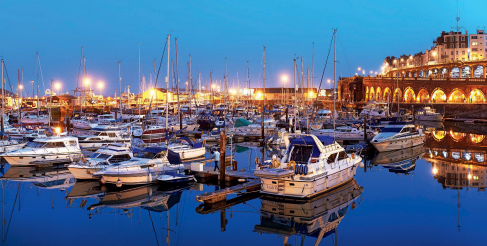
Ramsgate’s Royal Harbour is Grade II* listed and is the only royal harbour in the world, an honour bestowed by King George IV in 1821. “We are thrilled to receive the Heritage Harbour designation,” said John Walker, Chair of the Ramsgate Heritage Harbour Working Group. “It’s wonderful that our amazing maritime heritage, combined with the activities of a working harbour and thriving cafe culture, has been recognised nationally. Ramsgate is a great place to work and to visit.”
“We are very pleased to welcome on board Gloucester Docks, and Ramsgate’s Royal Harbour, during Heritage Open Days 2024, the largest festival of history and culture in the UK,” said Henry Cleary, Heritage Harbours’ convenor and chair of Maritime Heritage Trust. “Heritage Harbours are about capturing the interactions between navigable water and the land and buildings alongside it. No other designation does this and we now have locations which represent the main types of historic port from the Roman period to the 19th century.”
Many of the Heritage Harbours are staging maritime events during Heritage Open Days and deatils can be foundont he Heritage Open Days website here: https://www.heritageopendays.org.uk/
For more details about the UK’s Heritage Harbours follow this link: https://maritimeheritage.org.uk/


 Industrial Heritage Networks