Welcome to the Industrial Heritage Networks and Support website. This site is maintained and updated by the Ironbridge Gorge Museum Trust who run the project and the networks. We aim to support industrial heritage in England through networking, information exchange, guidance, and training. Please explore the website and please contribute! For more information you can … Read more Welcome to the IHNs website!
The in-person Industrial Heritage Network meetings, run by the IHSO project, return this autumn, and two new dates have been added for regional meetings in Cornwall & Devon and the South West. These meetings are a great way of meeting fellow industrial heritage people, working at industrial heritage and archaeology sites, and exchanging experiences.
The themes for this year’s meetings are liaising with schools and adapting to hotter summers. The confirmed dates and venues for the in-person meetings in Cornwall & Devon and the South West are:
Cornwall & Devon, 29 Oct: Roby Trust, Tavistock
South West, 30 Oct: Clifton Suspension Bridge Visitor Centre, Bristol
If you would like your site to take part in these friendly and free meetings please email the IHSO, Dr Michael Nevell, for more details: michael.nevell@nationaltrust.org.uk
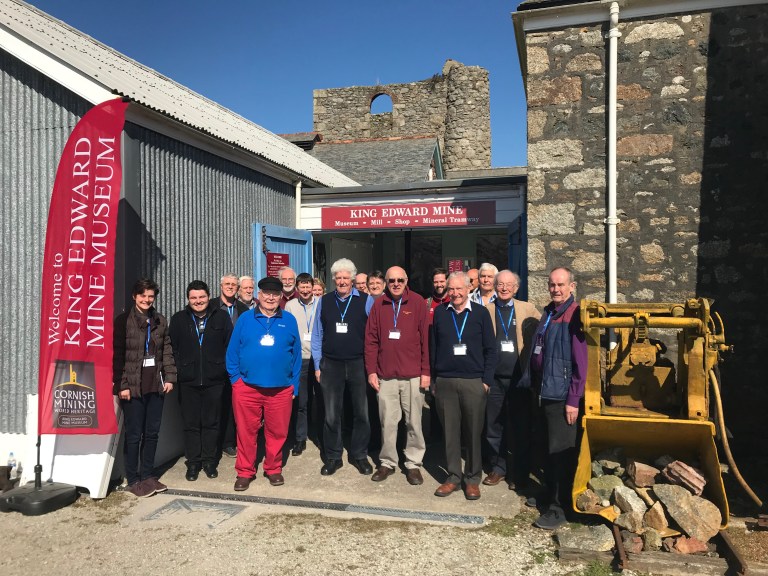
Delegates at the Cornwall & Devon IHN meeting at King Edward Mine Museum in 2019. Image copyrigth Dr Michael Nevell.
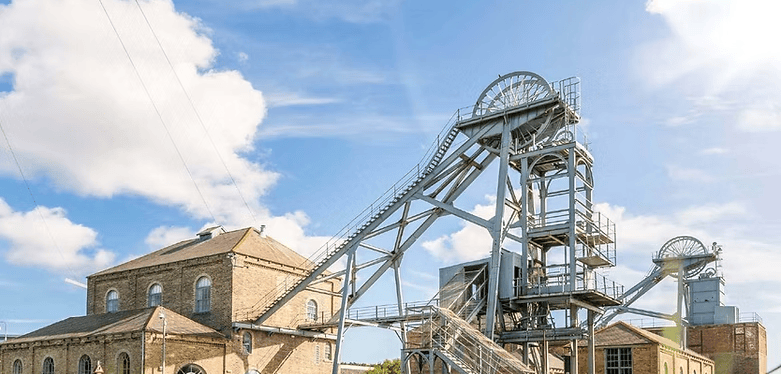
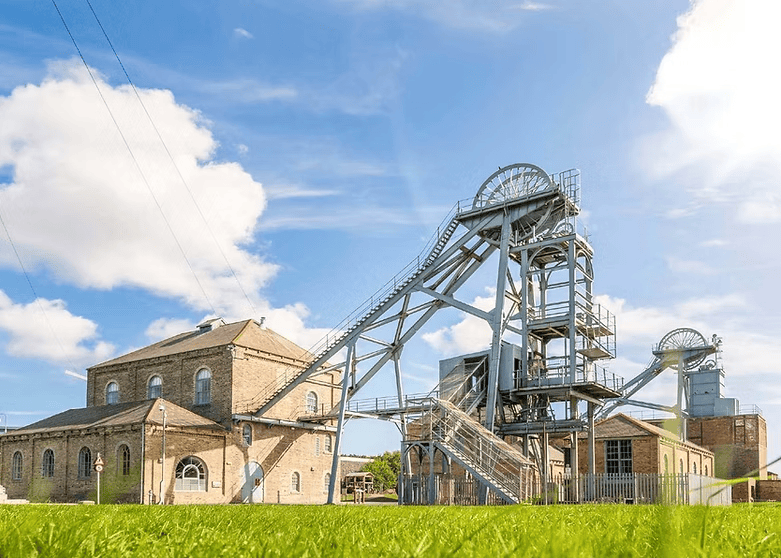
Woodhorn Museum, a mining museum in North East England, is marking 20 years this October since it re-opened, after a £16m redevelopment which created exhibition spaces, community, and learning facilities and a cafe. The renovation also restored the colliery’s two heapsteads or pit heads, which are again undergoing restoration work. Since 2025 the former colliery has been run by North East Museums, which runs 12 museums across the region.
The 2006 scheme included the opening of the Cutter Building, which became a permanent home for the Ashington Group (also known as the Pitmen Painters) collection of artworks, alongside the collections of Northumberland Archives. The Woodhorn Museum, which is located in what was once the largest pit village in the world, chronicles the life of the Ashington coalmining community. Jo Raw, Northumberland venues manager for North East Museums, said: “Completing the restoration of the heapsteads makes this anniversary particularly special, allowing us to protect an important part of our industrial heritage while reopening more of the historic site for visitors to enjoy.”
The site is also looking to develop a low carbon future. It is part of the Borderlands Energy Investment Programme (BEIP) which aims to provide a strategic opportunity to accelerate the region’s transition to net zero. Across a range of sites it will seek to reduce carbon emissions, strengthen energy resilience, and create new green jobs and skills in South Scotland and the North of England.
The ‘Powering the Past and the Future’ project at Woodhorn Museum is led by Northumberland County Council, and will install ground source heat pumps (GSHP), solar panels, LED lighting upgrades, solar carports and battery storage at the former colliery. Using the region’s industrial heritage, it will showcase the economic and environmental benefits of low-carbon technologies, reduce the museum’s carbon footprint and energy costs, enhance the visitor experience, and support local STEM education.
Historic England (HE) have launched a new grant fund – ‘Neighbourhood Heritage: Grants for Communities’. This is designed to support communities to use (industrial) heritage as a way of shaping the future of their local places.Historic England are looking to provide 21 grants of these grants worth up to £15,000.
Heritage is more than historic buildings, sites and stories; it can help communities to build confidence, strengthen local identity, create new relationships and influence decisions about the places where they live. HE are interested in funding projects that will discover what people value about their neighbourhoods while improving how heritage can help communities to participate in shaping local change.
Successful applicants will support communities to use heritage as a way of shaping the future of their local places. Projects must be co-created, within an area of IMD1-3, and working with underrepresented communities.
The North UK Mils Group provides an opportunity for organisations and individuals working with or interested in mill buildings to come together, network, and discuss. Their latest free online lecture will take place on 15th October.
The October talk will be given by Mildred Cookson – former miller, founding trustee of the Mills Archive Trust, committee member and past Chair of the SPAB Mills Section. She will talk about the changes she has observed over the course of her career in milling and as a part of the organisations aiming to preserve and support its practice for the future.
The North UK Mills Working Group is a collection of interested individuals and organisations (including Heritage Trust Network and SPAB Scotland) who have come together to explore how people and organisations working with mills could be better connected with each other and help keep these buildings, skills, and mill cultures alive and accessible. The group offers an opportunity for organisations working with or people interested in mill buildings to come together, network, and discuss.
The in-person Industrial Heritage Network meetings, run by the IHSO project, return this autumn, and the first round of dates are now available. These meetings are a great way of meeting fellow industrial heritage people working at industrial heritage and archaeology sites and exchanging experiences.
The themes for this year’s meetings are liaising with schools and adapting to hotter summers. Our first meeting of the season was last month (August), when the North West IHN met at Helmshore Textile Museum, where there was a great turn out and lively discussion. The confirmed dates for the in-person autumn 2026 meetings so far are:
Yorkshire IHN, 30 Sept: National Musuem of Mining, Wakefield
North East IHN, 14 Oct: Locomotion, Shildon
East Midlands IHN, 16 Nov: Taylors Bell Foundry, Loughborough
West Midlands IHN, 17 Nov: Hereford Waterworks Museum
South East IHN, 19 Nov: The Brickworks Museum
London IHN, 20 Nov: Postal Museum
If you would like your site to take part in these friendly and free meetings please email the IHSO, Dr Michael Nevell, for more details: michael.nevell@nationaltrust.org.uk
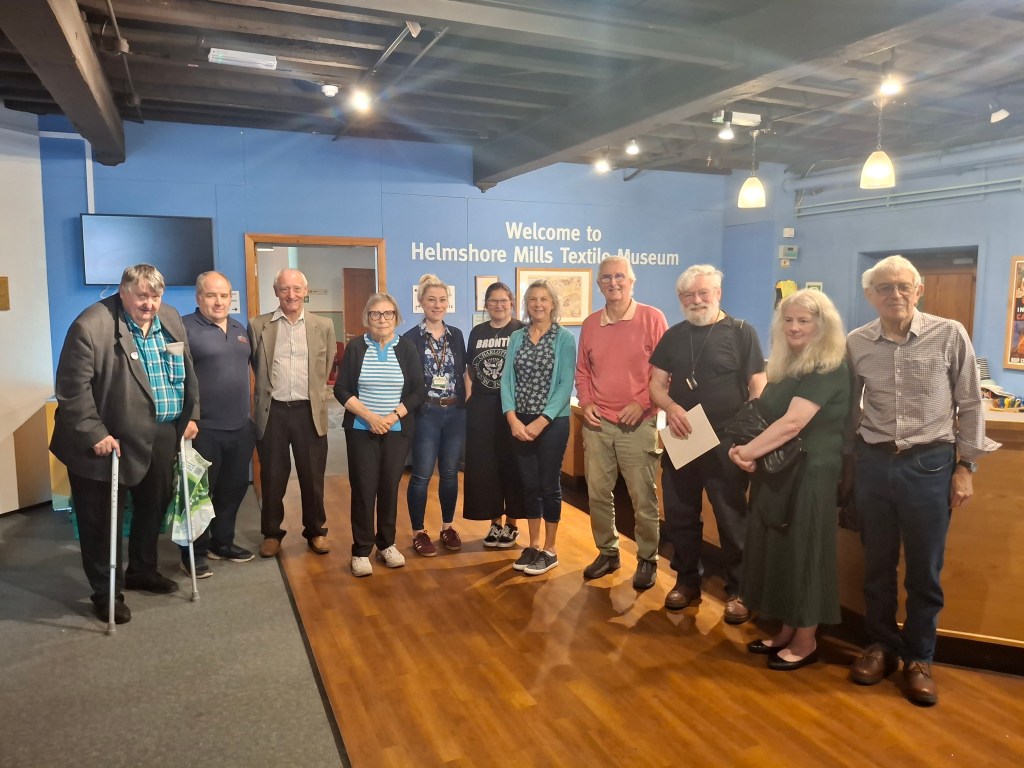
Delegates attending the North West IHN at Helmshore Textile Museum in August 2026. Image copyright Dr Michael Nevell.
Ten industrial heritage museums and sites have received a Sandford Award for 2026. This is a leading mark of quality for heritage learning, and is run by Lincoln Bishop University alongside the Heritage Education Trust. Applying for the Sandford Award is an opportunity to reflect on, strengthen, and gain independent recognition for the learning experiences sites offer.
The Award is respected because it is independently assessed, expert-led and based on on-site assessment visits, not paperwork alone. Holding one can also aid further grant applications. Applications for the 2027 awards open on 30 November.
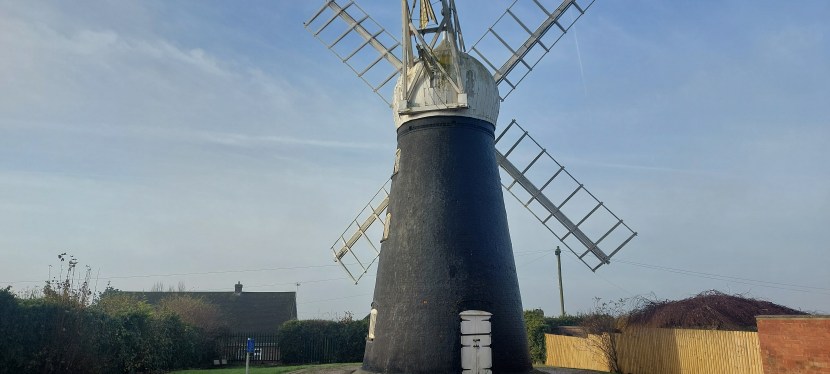
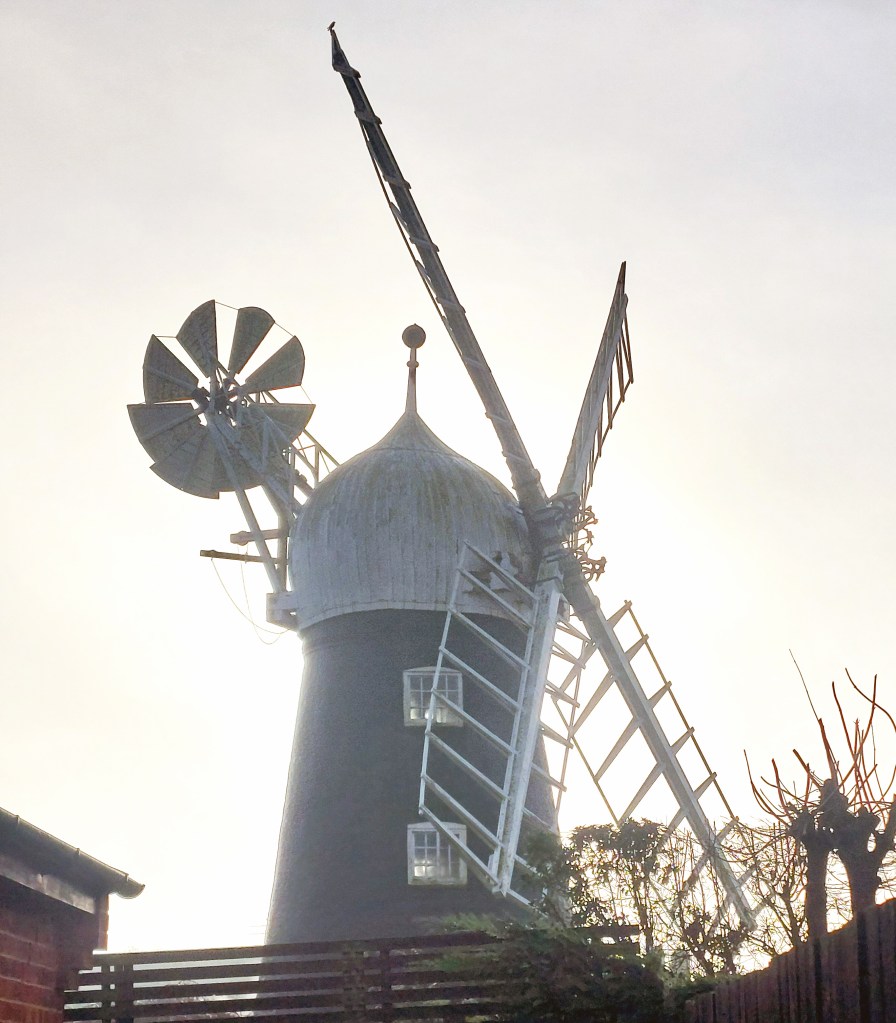
Three industrial heritage sites are facing an uncertain future this autumn. Ellis Mill in Lincoln, Whitburn Windmill in South Tyneside, and the Spa Cliff Lift furnicular in Scarborough are all facing temporary closure.
Ellis Mill, which was built in 1798, is the last of nine that once stood on Lincoln’s Yarborough hill and is currently on Historic England’s at-risk register. Lincolnshire County Council, which owns the Grade II listed building, is planning to remove the deteriorating mill cap and sails, and to install a temporary weatherproof structure to maintain its structural integrity, ahead of a decision on repairs. The windmill has only been occasionally open to the public since 2020. A local group has proposed taking over the site. More details here: Lincoln’s ‘at risk’ windmill cap and sails to be removed
The Grade II listed Whitburn Windmill, on South Tyneside, is to have its sails removed due to structural safety concerns. The windmill was damged in a storm over the winter, causing some of the wood to come loose. South Tyneside Council said the sails will be removed in October and its “immediate priority” was to “make the structure safe”. More details here: Whitburn Windmill sails to be removed due to structural concerns
The listed Spa Cliff Lift furnicular in Scarborough was closed in August due to safety fears. North Yorkshire Council, which own the site, said it has taken the difficult decision to close the lift with immediate effect. This followed an independent engineering assessment which identified a number of issues affecting the lift’s aging infrastructure. The council said it will continue to assess the findings and provide further updates in due course. Further details here: Cliff Lift
The sails and cap at Ellis Windmill, autumn 2024. Image copyright Dr Michael Nevell.
Two industrial heritage sites are looking for volunteers and new Trustees this September: Amberley Musuem and the Sankey Canal Restoration Society.
Amberley Museum, Sussex, is looking for a new Commercial Trustee to join their proactive board and help support the work of this unique open air working museum. They are looking for a new Trustee with a particular knowledge or experience of retail and catering sales and operations to bring those skills to their board. Marketing experience would also be helpful as well as a passion for heritage and the ability to think strategically, assess opportunities and manage risk. Trustees at Amberley Museum work with staff and volunteers, and bring their own knowledge and expertise from any public, private, or voluntary sectors. Trustees need to be able to make adequate time available for this role.
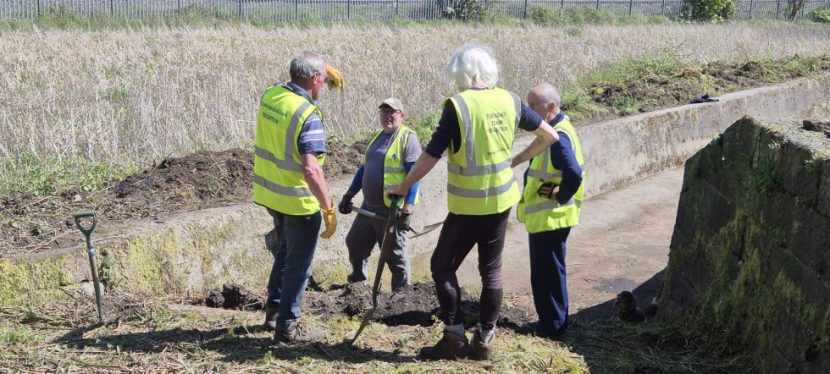
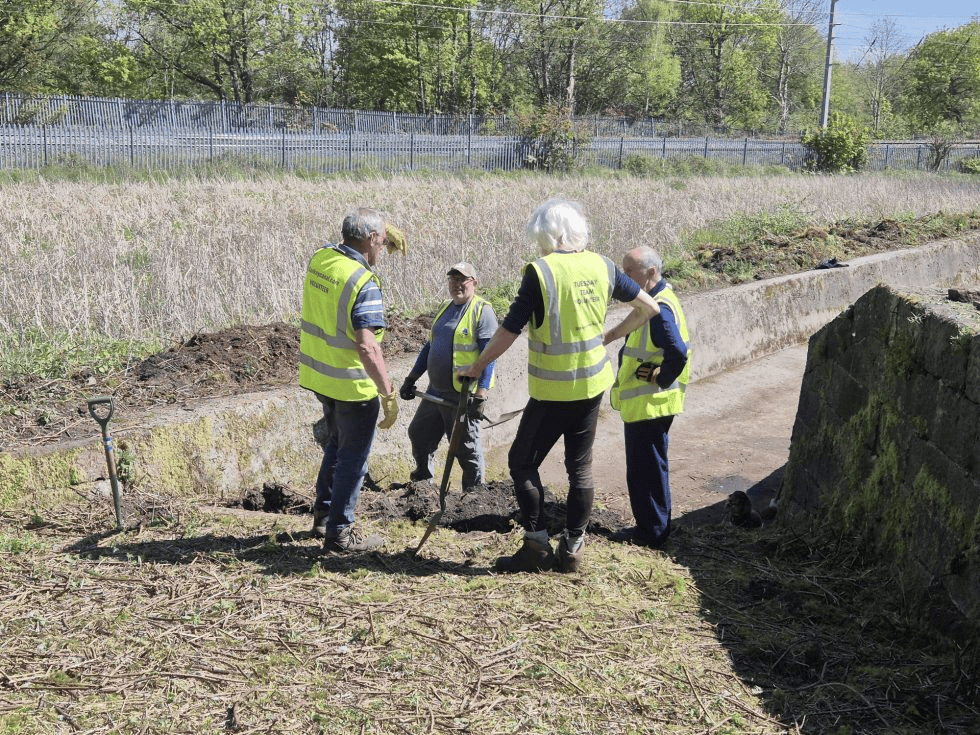
The Sankey Canal Restoration Society (SCRS), St Helens, will be working at the Old Double Lock on Saturday, September 26, and is appealing for people to help out between 10am and 2pm.. The team will be clearing vegetation from the lock and bywash area. Volunteers are asked to meet at Sankey Valley Visitor Centre, 275 Blackbrook Rd, Blackbrook, St Helens, WA11 0AB. The minimum age for participation is 18, but the society asks people to speak to them about opportunities for children. Tools and safety gear will be provided, but people are welcome to bring their own.
For more information, contact Ian Hornby at 07753 289765 or Neil Viggers at 07917 754548. More details here: Sankey Canal Restoration Society
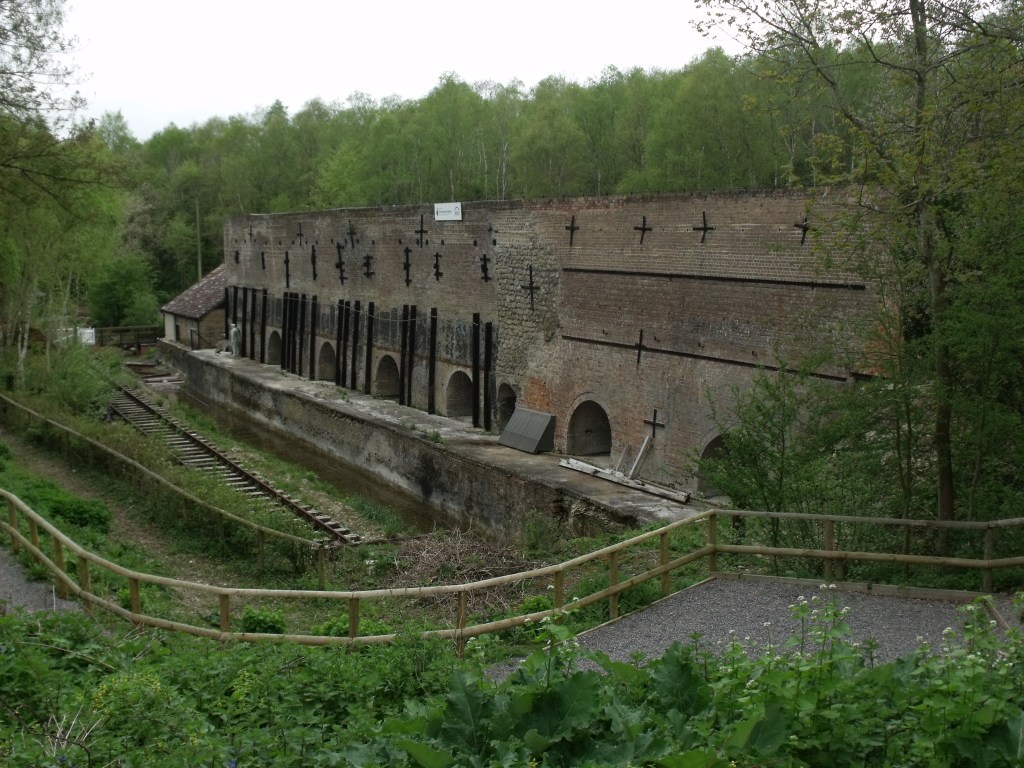
The limekilns at Amblerley Museum, Sussex. Image copyright Dr Michael Nevell
Volunteers working at the Sankey Canal. Image courtesy of the Sankey Canal Trust.
Historic England has supported a special issue of the online peer reviewed journal ‘Internet Archaeology’, which showcases the power of heritage-led wellbeing and how it can help progress the democratisation of heritage, diversify engagement, and help address societal inequalities.
Amongst the articles and case studies, two are especially relevant to industrial heritage museums and sites. Firstly, an article by Desi Gradinarove looks at two Historic England’s pilot studies for using heritage and social perscribing, outlined in HE’s Wellbeing and Heritage Strategy (see Historic England Research Issue 18, 2021). The two pilots showed the potential of heritage to deliver wellbeing and provided evidence on how it can work within social prescribing, and formed the basis of an HE sponsored Heritage and Social Prescribing Guidance.
Secondly, an article, co-authored by a team led by Karina Croucher, looked at place, identity and welling in the Bradford area, with the local university working with a variety of partner organsiations to explore the importance of identity, and the role of heritage and culture, for wellbeing, cohesion and resilience across three parent projects abd seven subsidiary projects. One of these, Saltaire: People, Heritage and Place (an AHRC Place-based programme) used digital twin technologies to explore heritage, alongside creative workshops with school learners, exploring their journeys, routes, and narratives within the industrial world heritage site.
This special edition of ‘Internet Archaeology’ provides useful case studies, methodologies, and approaches on how to intergrate health and wellbeing within an (industrial) archaeology context. To access this themed addition of the journal for free follow this link: Internet Archaeology. Issue 73. Wellbeing and Archaeology. 2026.
A record number of industrial heritage sites are opening for free as part of the 2026 Heritage Open Days running between the 11 and 20 September. Amongst the more than 250 industrial archaeology and heritage sites opening to the public are three newly renovated museums run by the National Trust in the Ironbridge Gorge (Broseley Clay Pipe Works, Jackfield China Works, The Old Furnace). The Society for the Protection of Ancient Buildings is also opening for free its Kibworth Harcourt Windmill, whilst English Heritage is making available Sibsey Trader Mill, and the Iron Bridge at Ironbridge.
This year’s Heritage Open Days theme highlights the extraordinary in our ordinary working lives, with more industrial sites open than ever, along with hundreds of exhibitions, walks, and talks on industrial subjects. Those sites open include more than 70 water and wind mills, more than 50 metal working and textile mill sites, and over 30 ceramic, chemical and mines sites.
There are also nearly 100 transport heritage sites open for free to visit (from canals, and railways to tramways), and nearly forty pumping stations and maritime sites.
To find an event, and an industrial site, near you, follow this link: HeritageOpenDays2026
The newly refurbished Old Furnace and its museum building at Coalbrookdale, Shropshire, which has been re-opened by the Natioanl Trust for Heritage Open Days. Image copyright Dr Michael Nevell.