Welcome to the Industrial Heritage Networks and Support website. This site is maintained and updated by the Ironbridge Gorge Museum Trust who run the project and the networks. We aim to support industrial heritage in England through networking, information exchange, guidance, and training. Please explore the website and please contribute! For more information you can … Read more Welcome to the IHNs website!
The Heritage at Risk Capital Fund helps save heritage buildings in the greatest need from at-risk status, with an emphasis on their role within communities. Now in its second year, and part of the £1.5bn ‘Arts Everywhere Fund’ delivered by Historic England, the Grants for 2026 have been announced. Nearly £13 million will support 20 recipients in England, including several industrial heritage sites.
The four industrial heritage sites receiving support in 2026 are:
Bourne Mill, Colchester, Grade I (£224,200)
Shildon Railway Institute, Grade II (£617,905)
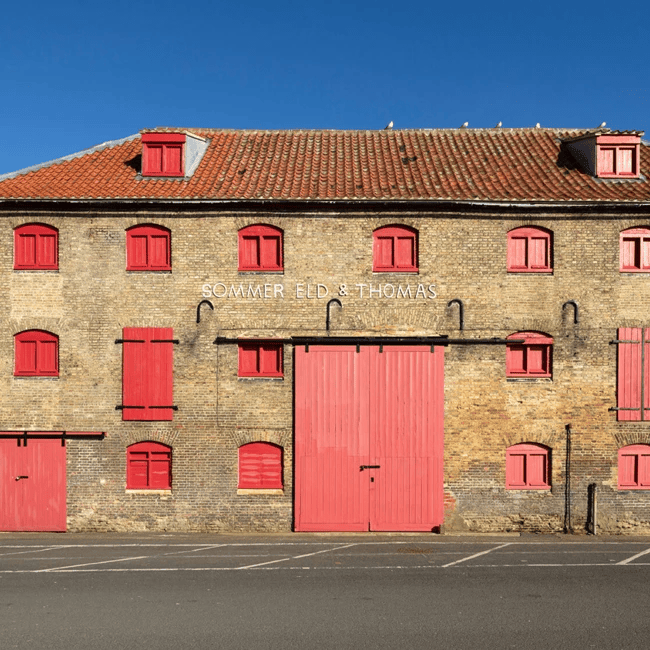
Sommerfeld & Thomas Warehouse, King’s Lynn, Grade II (£902,632)
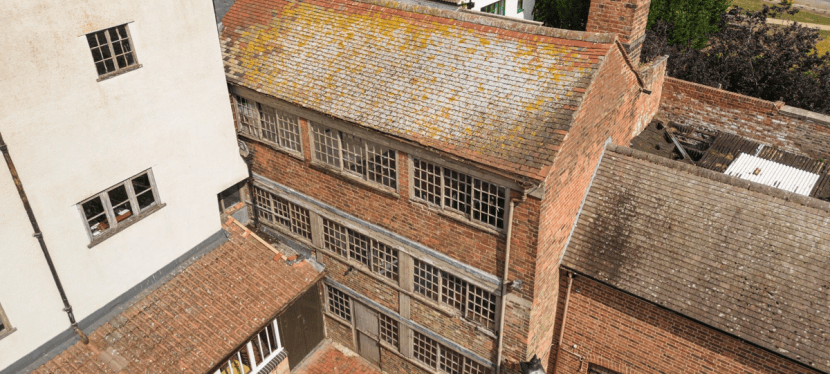
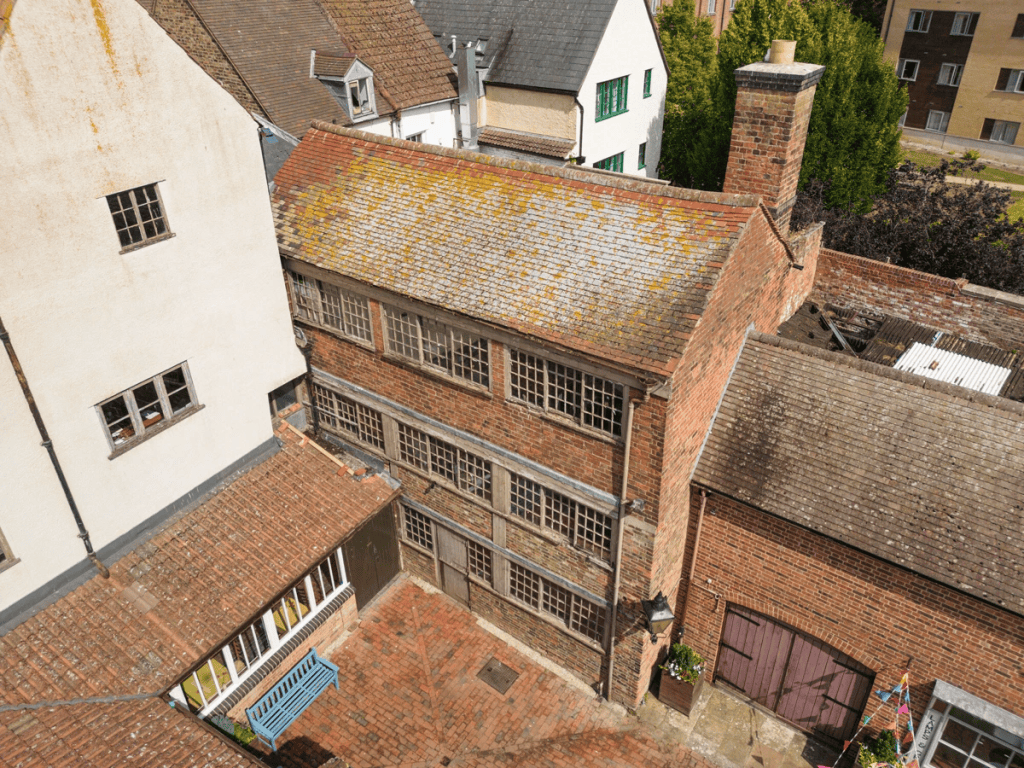
The Pin Factory Annexe, Gloucester, Grade II (£380,000) (in addition to a grant in 2025)
Heritage Minister Baroness Twycross said: “Nothing tells the stories of our nation quite like the historic buildings at the heart of our communities. But too often they are a far cry from their former glory with leaking roofs and crumbling stonework. Thanks to this funding, the much loved buildings that fill our hometowns with character will be keeping the doors open to communities for years to come.”
Sommerfeld & Thomas Warehouse, King’s Lynn, Grade II. Image courtesy of Historic England.
The Pin Factory Annexe, Gloucester, Grade II. Image courtesy of Historic England.
Historic England (HE) have launched a new grant fund – ‘Neighbourhood Heritage: Grants for Communities’. This is designed to support communities to use (industrial) heritage as a way of shaping the future of their local places.Historic England are looking to provide 21 grants of these grants worth up to £15,000.
Heritage is more than historic buildings, sites and stories; it can help communities to build confidence, strengthen local identity, create new relationships and influence decisions about the places where they live. HE are interested in funding projects that will discover what people value about their neighbourhoods while improving how heritage can help communities to participate in shaping local change.
Successful applicants will support communities to use heritage as a way of shaping the future of their local places. Projects must be co-created, within an area of IMD1-3, and working with underrepresented communities.
A new report on Industrial Heritage Sites in England in 2026, commissioned by Historic England and the Ironbridge Gorge Museum Trust, has been published. This report, by Heritage Innovation, examines the resilience and sustainability of designated industrial heritage sites across England.
Focussing on designated industrial heritage sites that are accessible and interpreted to the public in England, it is a major update on two previous English Heritage (now Historic England) commissioned reports, carried out in 1998 (by PLB Consulting Ltd) and 2008 (by the late Sir Neil Cossons). Drawing on desk-based research, questionnaires and interviews, its emphasis is on industrial sites open as heritage attractions, including both museums and monuments. There are sections on:
ownership
governance
function
finance
management
access
conservation
interpretation
and marketing
Having considered the findings, it concludes with a series of ten recommendations. These include strengthening advocacy, increased support for the IHSO project, revitalising volunteering, developing technical skills, continued sector monitoring, exploring new approaches to governance and funding, and researching heritage fuels. It also calls for a strategic review to set priorities for the industrial heritage sector over the next 25 years.
Dr Mike Nevell, IHSO, thanked Heritage Innovations for their hard work in pulling together data from a very varied sector, noting that ‘this is the first study of the industrial hertiage sector in a generation. Its findings and recommendations will be of considerable interest to all those involved in the care and public presentation of England’s industrial heritage, especially local authorities and other public bodies, charitable trusts, and volunteer groups’.
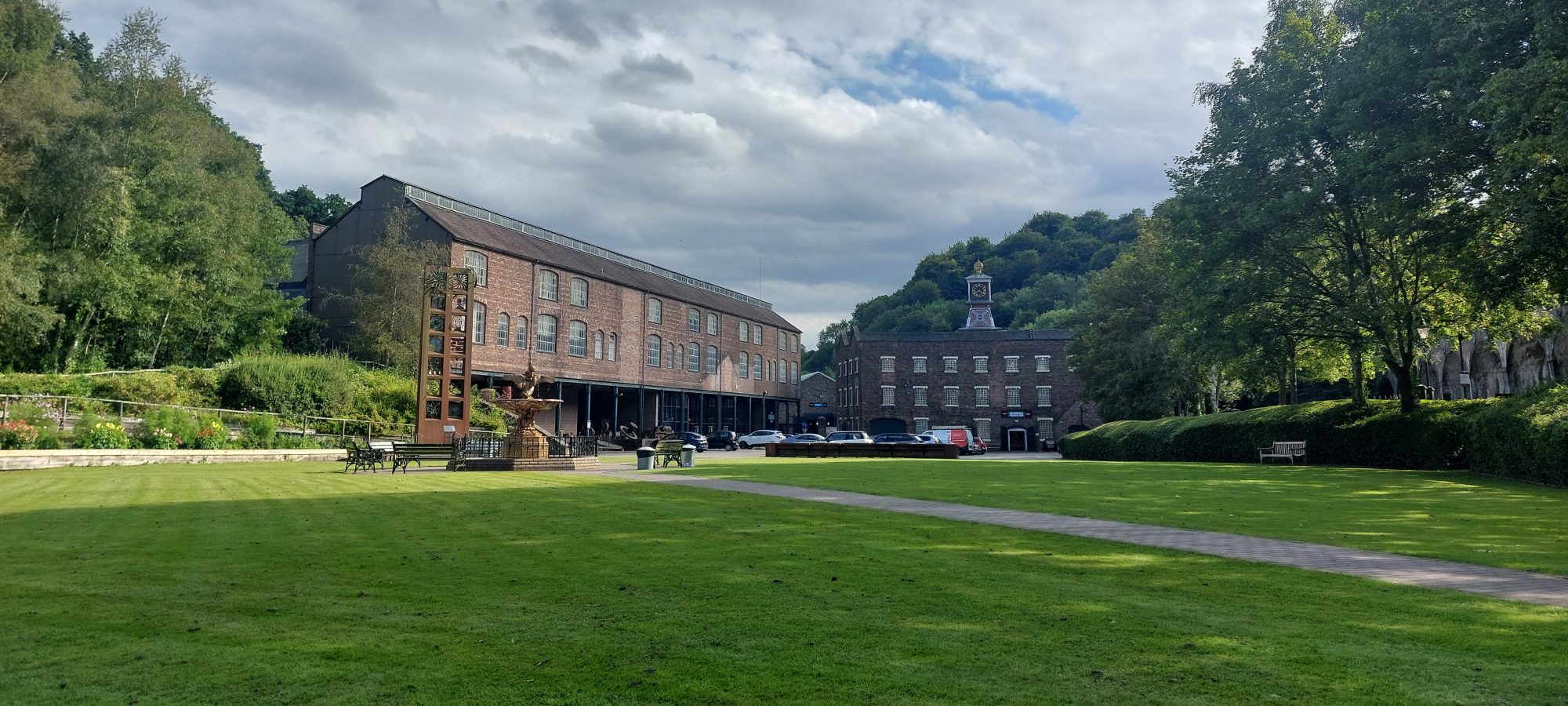
The Longwarehouse and Museum of Iron, part of the National Trust Ironbridge Gorge sites taken over in March 2026 from the Ironbridge Gorge Museum Trust. Image copyright Dr Michael Nevell
Two funds, which can help restore and re-purpose industrial heritage sites, have been announced by the UK Government.Historic England will distribute the Heritage at Risk Capital Fund as in previous years. The Architectural Heritage Fund will distribute the Heritage Revival Fund in partnership with Historic England.
The Heritage at Risk Capital Fund has opened for a second round. The fund prioritises projects that restore heritage sites serving disadvantaged communities and which demonstrate local benefits. Up to £15 million in funding is available this year (2026), as part of a total £75 million fund. Following the successful first year of the fund, which saw £15 million invested in projects across England, up to £60 million remains available for allocation over the next 4 years, to 2030. Expressions of Interest are now open for the next round of funding. This fund gives grants for the conservation, repair, and conversion of listed buildings of all grades, historic buildings in conservation areas, registered parks and gardens and scheduled monuments.
The Heritage Revival Fund has also opened for a second round. The fund, worth £45 million in total, helps communities to rescue and repurpose historic buildings and transform them to meet modern needs, focusing on regenerating historic buildings in town centre locations. Delivered in partnership with DCMS and Historic England, the AHF will provide grants to hundreds of communities across England, supporting them to take control of and find sustainable new uses for derelict or neglected historic buildings. Focusing on town centres and areas of high deprivation, the Fund will help transform these local heritage assets into vibrant new spaces – ranging from arts centres to cultural and community hubs and affordable housing.
For further details on how to apply follow these links:
Historic England is holding the first in a new series of ‘Historic Environment Management’ webinars. The new series will begin on 10 June with ‘Counter-terrorism security and the heritage sector: An introduction to Martyn’s Law and the terrorist threat’.
The webinar will introduce the Terrorism (Protection of Premises) Act, also known as Martyn’s Law, and explore how it applies to heritage sites and the heritage sector. It will also look at the current terrorism threat in the UK, how and where incidents might happen, and the types of threats you may need to protect against at your industrial heritage site.
Three more industrial heritage sites are to recieve addtional funding to help secure their futures, with the funds coming from the DCMS, the UK Shared Prosperity Fund, and Historic England.
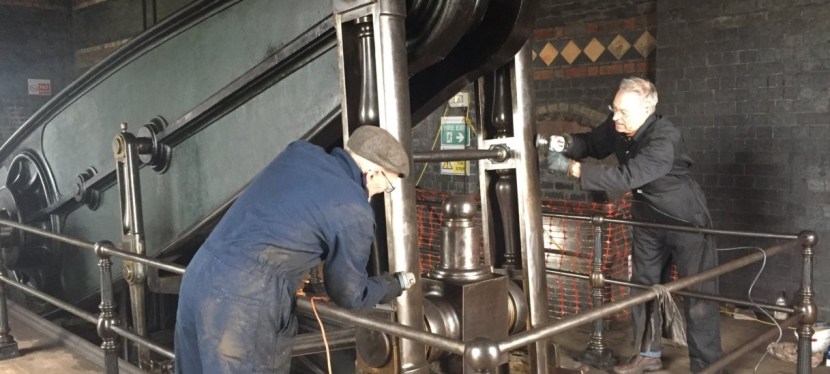
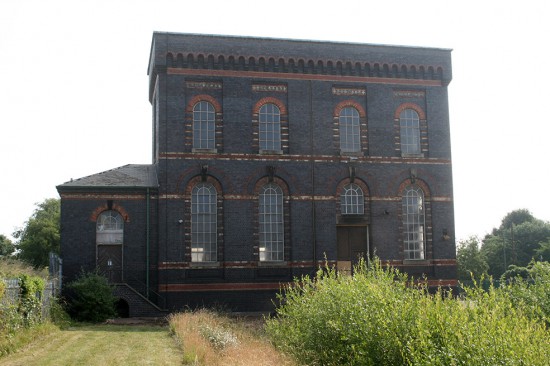
The Litchfield Waterworks Trust will receive more than £47,000 for a comprehensive architectural survey of Sandfields Pumping Station. The building is on Historic England’s Heritage at Risk register. Dr David Dimeloe, Trustee and lead on the funding bid, said: “This is the culmination of a great deal of hard work and determination. We’re very grateful to Historic England for this grant and look forward to working with BHB Architects and their colleagues to develop a solid roadmap for the future preservation of Sandfields Pumping Station.” More details here: Grant helping to secure future of historic pumping station in Lichfield
The Canal & River Trust has received a £113,000 grant from the UK Shared Prosperity Fund, a government programme aimed at improving pride in place and increasing life chances across the UK, for urgent repairs at the Ellesmere Yard on the Llangollen Canal in Shropshire. The still functioning boat yard was opened in 1806, and is one of the best‑preserved canal maintenance yards in the country. More details here: Vital conservation works underway at historic Ellesmere Yard
North Somerset Council has received an additional £62,120 for further restoration of Birnbeck Pier in Weston-super-Mare. This has been awarded by the Department for Digital, Culture, Media and Sport (DCMS) Heritage at Risk Capital Fund, delivered by Historic England. The additional funding will pay for the initial conservation of the Grade II Listed entrance gates and turnstiles. It will also enable further work on the Grade II Listed Toll House and its extension, known locally as the ‘shell shop’, at the southern side of the entrance. More details here: Extra £62k makes more Birnbeck Pier landside restoration possible
Sandfields Pumping Station. Image copyright Dr Michael Nevell.
24 local museums in England have been granted a share of £4 million through the DCMS/Wolfson Museums and Galleries Improvement Fund.The Fund brings together £2 million in match funding from the Department for Culture, Media and Sport (DCMS) and independent, grant making charity, the Wolfson Foundation. It supports local museums by improving displays, enhancing collection care, and making exhibitions more accessible to visitors.
The five industrial heritage museums that have recieved £1,034,200 from this year’s grant round are:
The DCMS/Wolfson Museums and Galleries Improvement Fund provides capital funding for museums and galleries across England to improve displays, protect collections and make exhibitions more accessible to visitors. For 2025-27, DCMS and the Wolfson Foundation have each contributed £2 million to the Fund, which has benefitted more than 440 projects in its more than 24-year history.
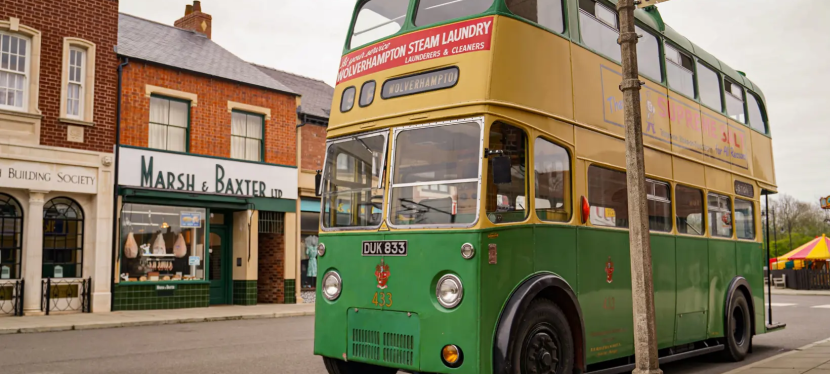
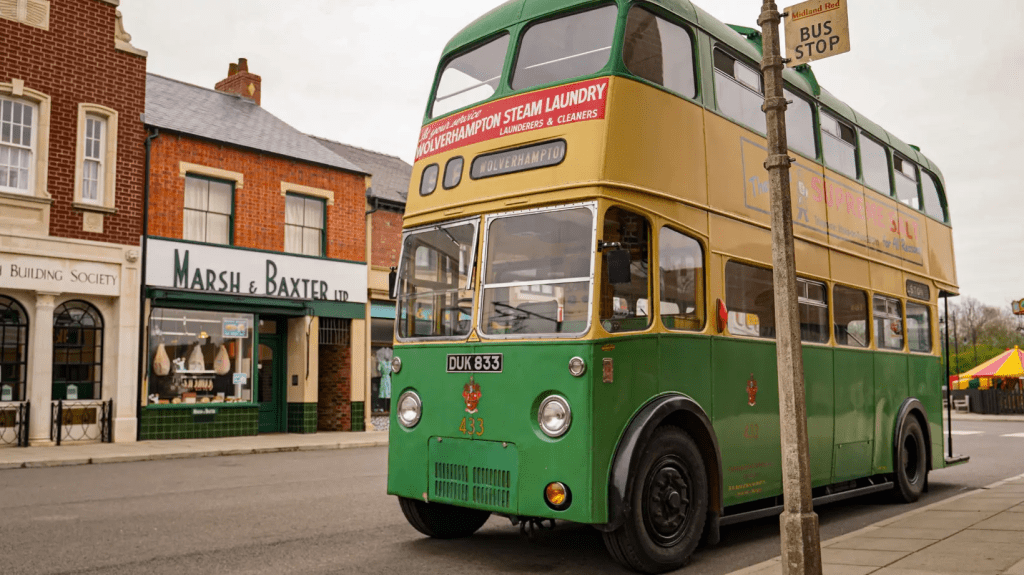
One of the trolley bused that will be renovated at the Black Country Living Museum. Image courtesy of the Black Country Living Museum.
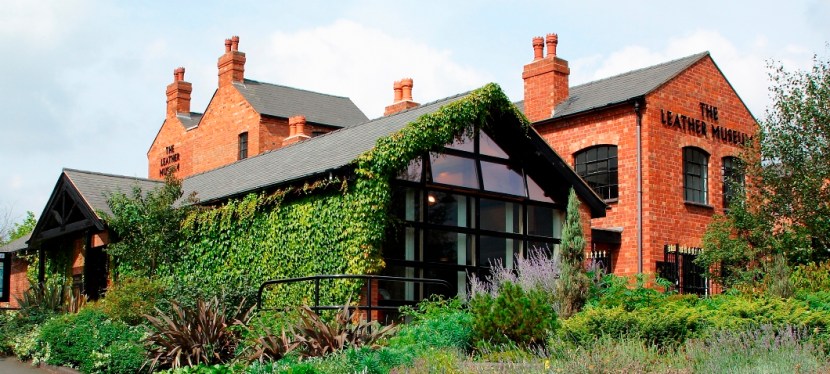
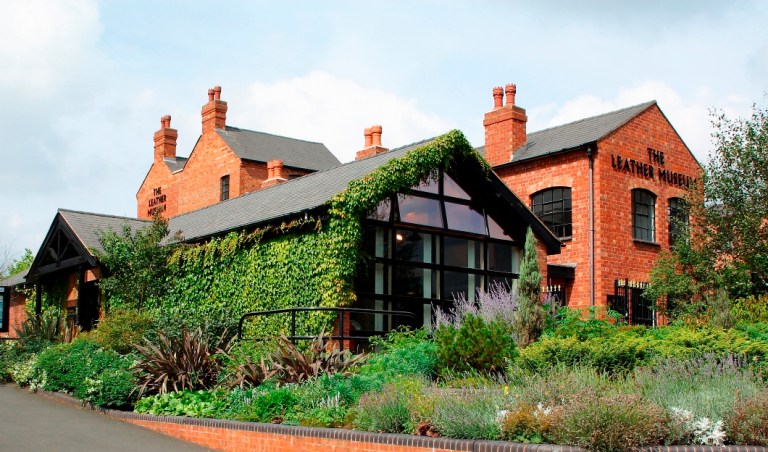
The Walsall Leather Museum in the Midlands, which is housed in the 19th century brick-built, multi-storey, buildings of the former Withers and Son and Samuel Llewellen leather works buildings, was given Grade II listed status earlier this month. The museum is facing closure on the 11 April, although Walsall Council has purchased new premises in the centre of the town for the proposed site of the re-located museum. A time-frame for the re-opening is yet to be announced.
In announcing the listing, Historic England noted that “We recommended listing the buildings at Grade II due to their historic and architectural interest. Leather working is strongly associated with Walsall, and the town is still a major centre for the industry. The workshops on Wisemore are among a very small group of such buildings of this date surviving in Walsall, and so are of particular significance for the town as they embody the industry that played a major part in the lives of many local people.”
In response to the listing, Walsall Council’s leader Mike Bird was quoted in the local press as saying: ‘It might be heritage to them but at the end of the day it’s an old factory, simple as that.’
Finally, Historic England is delivering a series of Heritage Carbon Reduction webinars. These have been developed especially for the heritage sector as part Historic England’s programme of Carbon Reduction training to help organisations reduce their carbon emissions. Topics include ‘How to get Trustee buy-in for your carbon reduction plan’, ‘Tenant/Landlord collaboration in lowering emissions’, and ‘Soil emissions in archaeology’. Training on further topics will be announced later in the year. Everyone is welcome to attend these free training sessions. If you can’t make it recordings will also be available on the Historic England website. Booking links here – https://historicengland.org.uk/education/training-skills/training/training-courses/carbon-reduction-training-for-the-heritage-sector/
Urban air pollution. Image copyright Historic England Archve.
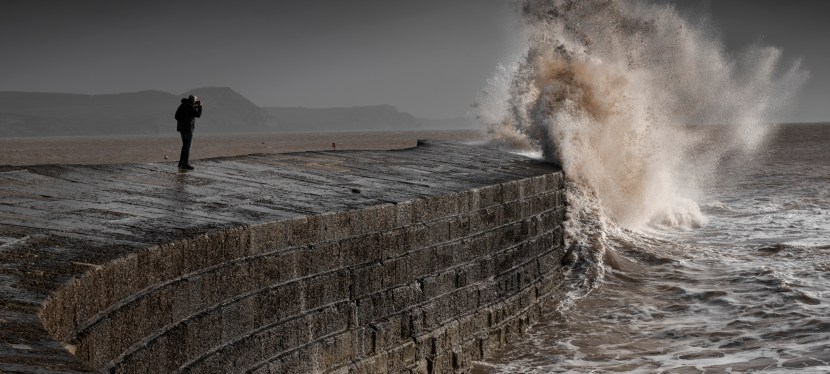
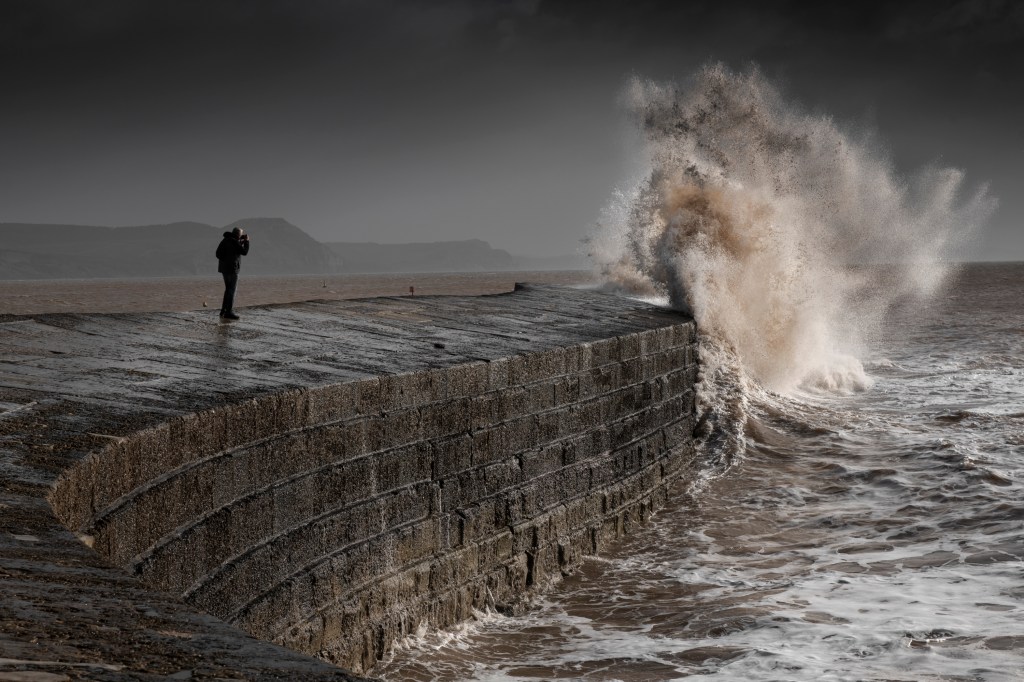
Stormy seas crashing against a historic quayside. Image copyright Historic England Archive.