Brunel’s SS Great Britain Site to be Renamed as ‘Bristol Dockyards’ When Revamped Museum Launches in July

The Bristol site where the steamship (SS) Great Britain is docked will be changing its name to Bristol Dockyards, ahead of the re-opening of the revamped and expanded museum in July. The new name is intended to reflect the long-term ambition of the SS Great Britain Trust, the charity that runs the site, to transform the attraction into a broader cultural and learning campus encompassing the adjacent Great Western and Albion dockyards.

A statement from the organisation in early June explained that: “The steamship Great Britain remains at the heart of our charity’s purpose and all the work that we deliver. The ship’s name is not changing – instead, our organisational name is changing to Bristol Dockyards. This name change allows us to grow as a heritage site and ensures we can remain taking care of the ship for years to come.”

The revamped and expanded Bristol Dockyards museum will have interactive exhibitions, digital recreations, historic artefacts, and new community-led research that uncovers voices and stories from SS Great Britain’s 41 years of service. 

Future phases of the redevelopment will focus on conservation work, re-establishing the Albion dock as a working dockyard for maritime skills training opportunities, and broadening its programming to “reflect the interests of a modern, diverse Bristol”. The project is scheduled to be completed in time to mark the 60th anniversary of the ship’s return to Bristol from the Falkland Islands in 2030.

Further details here: Home – SS Great Britain

The SS Great Britain will be the centre piece of the newly re-named Bristol Dockyards Museum whichs opens in July 2026.  Image copyright Adam Gasson/SS Great Britain Trust.

ABTEM – Support for Transport & Engineering Museums

The Association of British Transport and Engineering Museums (ABTEM) and London Transport Museum are offering specialist support to museums with industrial, transport, or engineering related collections in the form of online advice sessions, email support, and physical visits. ABTEM is a non-profit-making group that exists to provide a forum for the discussion of matters of common interest to transport and engineering museums and to provide a means of representing their views on issues of national and regional concern and is recognised by the Arts Council England (ACE) as a Subject Specialist Network (SSN). They hold regular meetings at museums and heritage sites in the UK.

Lis Chard-Cooper is an ABTEM Committee member and the Vehicles and Engineering Curator, LTM, is now able to offer support sessions to the wider sector. Lis has over 25 years’ experience working with a range of different industrial, science and engineering collections across the country. She has been a peer reviewer, adviser and museum mentor on many occasions.

Industrial objects can often be overlooked in a general collection or staff feel less confident with handling them or concerned with the hazards they might pose. If you are a museum or member of staff with lots or simply just one or two big things but who have little experience or time, please do reach out. The support on offer can take whatever form is most useful to the enquirer, for example a “virtual tea and biscuits” online advice sessions, quick email support answering conservation or storage questions or even a follow up physical visit to a site within the UK. It could be help with collection reviews, or help connecting to a specialist for detailed advice.

Although no charge is made for the time devoted to this support activity, ABTEM would like the recipient museum to complete a short survey to help shape the future support it can offer. Should any on-site visits be needed the recipient museum will be expected to cover any travel costs.

If you have a question or want some guidance, please email your query to: elisabeth.chardcooper@ltmuseum.co.uk

For further details follow these links:

ABTEM Guidelines: GUIDELINES FOR THE CARE OF LARGER & WORKING HISTORIC OBJECTS

Applications Open for Latest Round of UK Government Heritage Funding

Two funds, which can help restore and re-purpose industrial heritage sites, have been announced by the UK Government. Historic England will distribute the Heritage at Risk Capital Fund as in previous years. The Architectural Heritage Fund will distribute the Heritage Revival Fund in partnership with Historic England.

The Heritage at Risk Capital Fund has opened for a second round. The fund prioritises projects that restore heritage sites serving disadvantaged communities and which demonstrate local benefits. Up to £15 million in funding is available this year (2026), as part of a total £75 million fund. Following the successful first year of the fund, which saw £15 million invested in projects across England, up to £60 million remains available for allocation over the next 4 years, to 2030. Expressions of Interest are now open for the next round of funding. This fund gives grants for the conservation, repair, and conversion of listed buildings of all grades, historic buildings in conservation areas, registered parks and gardens and scheduled monuments.

The Heritage Revival Fund has also opened for a second round. The fund, worth £45 million in total, helps communities to rescue and repurpose historic buildings and transform them to meet modern needs, focusing on regenerating historic buildings in town centre locations. Delivered in partnership with DCMS and Historic England, the AHF will provide grants to hundreds of communities across England, supporting them to take control of and find sustainable new uses for derelict or neglected historic buildings. Focusing on town centres and areas of high deprivation, the Fund will help transform these local heritage assets into vibrant new spaces – ranging from arts centres to cultural and community hubs and affordable housing.

For further details on how to apply follow these links:

Heritage at Risk Capital Fund – Historic England

Heritage Revival Fund The Architectural Heritage Fund

The Architectural Heritage Fund

More Grants for Industrial Heritage Sites in England, Spring 2026

This spring three more Industrial Heritage sites in northern England have been awarded grants from a variety of funding sources. These are the Liverpool Martime Museum, the National Railway Museum in York, and the Oswaldtwistle Mills Heritage Centre in Lancashire.

Liverpool’s International Slavery Museum and Maritime Museum have received £19 million from the Department of Culture Media and Sport’s Public Bodies Infrastructure Fund. The Maritime Museum was opened fully to the public in 1986 as part of the regeneration of the Albert Dock. The International Slavery Museum opened in 2007. The new redevelopment of both museums is the cornerstone of National Museums Liverpool’s Waterfront Transformation Project, reimagining the area between Royal Albert Dock and Mann Island, combining storytelling, heritage, community and connectivity in the Grade I-listed buildings – Hartley Pavilion and Dr Martin Luther King Jr Building (previously the Dock Traffic Office). The Maritime Museum will see significant regeneration to enable the museum to show a more comprehensive and coherent vision of Liverpool’s maritime story, with a new entrance and new galleries. Further details here: £19 million funding boost | National Museums Liverpool

The National Railway Museum in York has been awarded an addtional £3 million form the UK Government towards the construction work on the Central Hall, a project planned to increase visitors to the museum. Providing level access throughout the site, Central Hall will unify the museum, with new gallery space highlighting innovative technologies and the impact of the railways on everyday life. Further details here: Central Hall | National Railway Museum

The Oswaldtwistle Mills Heritage Centre in Lancashire, has been awarded £178K from the National Lottery Heritage Fund. The money will be used to conserve, repair, and re-open the listed weaving shed that houses the Oswaldtwistle Heritage Centre, within the former Moscow Mill. Established in 1996, the heritage centre houses historic Jacquard looms, archives, and personal stories that reflect over 177 years of continuous textile production. However, due to roof damage and resulting safety concerns, the centre has been closed for several years. It will transform access to this heritage by working with nine local primary schools to co-create a modern education programme for Years 1 and 2, ensuring young people can connect with their local history. Further details here: Lottery grant to restore Oswaldtwistle Mills Heritage Centre | Lancashire Telegraph

National Heritage Lottery Funding will help to restore and re-open the Oswaldtwistle Heritage Centre in Accrington. Image courtesy of Oswaldtwistle Mills.

Volunteer Opportunities at Severn Valley Railway & Ravenglass & Eskdale Railway

Heritage railways are always a good source of volunteer opportunities and this spring two of them are looking for volunteers to help with their running.

The Severn Valley Railway has appealed for volunteers to help when Railway 200’s Inspiration touring locomotive returns to its Kidderminster station in Shropshire at the end of May. The Railway 200 Inspiration exhibition train will arrive for half-term on 23 May and will allow visitors to “explore the railway’s 200-year story of innovation” until 31 May. Visitor engagement manager Lewis Maddox said that “This is a fantastic opportunity to volunteer and be part of something truly special, supporting visitors, bringing the exhibition to life, and helping create memorable experiences for families during the half-term holiday.” For further details follow the link here: Volunteer with us | Severn Valley Railway

The Ravengalls & Eskdale Railway are always looking for volunteers to help restore the railway’s historic rolling stock, delve into the archive, or engage with the public in their museum and restored Signal Box. Whether you can weld or wield a paintbrush, the Ravenglass & Eskdale Railway will welcome your help and provided training. Contact the raiwlay via the link here: Ravenglass & Eskdale Railway. 

Signal box at Ravengalss Station, Cumbria. Image copyright Dr Micahel Nevell.

SPAB One Day Conference: ‘Caring for Their Future: Recording, Repairing, & Researching Mills’, 13 June 2026

The SPAB Mills Section is running a one day conference on wind and water mills in Britain on 13 June 2026 in Reading, and booking is now open. There will be chaired panel discussions after both the morning and afternoon talks. Refreshments will be available during break times and delegates will have the opportunity to see some of Rex Wailes’ drawings on display at the Mills Archive Trust.

Mildred Cookson and Nathanael Hodge from the Mills Archive Trust, will share their knowledge on caring for documents and images, and project archivist Hei-Yan Tsui will share some finds from the Rex Wailes collection. Dr Toby Huitson and Duncan McCallum will explore the Mills at Risk theme and the intricacies of listing historic buildings. Justin Coombs will demonstrate his innovative Smartmolen Project, and the confence will also hear from water-mill expert Stephen Bartlett about flood warning and prevention for watermills.

To book the conference follow the this link: Caring for their future: Recording, Repairing, & Researching Mills | The SPAB

Collections Trust Takes on Museums Association’s ‘Find an Object’ Service

The Collections Trust has taken on the Find an Object platform, a service previously managed by the Museums Association (MA). The platform lists deaccessioned items from museum collections that are available for transfer to other museums or organisations within the public domain.

Users can upload items they plan to dispose of, as well as search for objects that might find a place within their collection. They can also make speculative requests for items that they are looking to acquire. More than 200 items from museums across the UK are already listed on the Collections Trust website. Current listings on the MA website will remain live until 18 May, after which the service will be taken offline. 

Museums with active listings on the are encouraged to repost these to the new site as soon as possible.

Further details here: Collections Trust takes on Find an Object service – Museums Association

New Industrial Heritage Exhibitions for Spring 2026

Each year there are a range of new and temporary exhibitions on industrial heritage and archaeology put on by dozens of industrial heritage sites across England. Spring 2026 sees three new industrial heritage exhibitions open to the public covering coal, salt, and textiles.

“Jason and the Coal Mining Adventure”, is on from the spring to the autumn, 27 March to 4 October, at the National Coal Mining Museum, Wakefield. It is a colourful and immersive reimagining of Britain’s mining history and the communities at its heart.

The “Untangled”, exhibition runs from 23 May to 6 June, at Leeds Industrial Museum. The new exhibition, from the International Felt Makers Association Region Ten, celebrates the connections between nature and industry through textiles.

Lastly, “The Salt of the Erthe”, exhibition runs from 26 February to 28 June 2026, at the Lion Salt Works, Northwich, and celebates Cheshire’s salt heritage.

AIA 2026 Norwich Conference Booking Now Open

Booking for the Association for Industrial Archaeology’s Annual Conference is now open via the AIA website:  https://industrial-archaeology.org/Conference. This year’s Conference is to be held at the Mercure Hotel, Norwich, East of England, from the 4th to the 9th September.

The AIA Annual Conference was first established in the 1970s and you can book for in-person or online attendence for the weekend programme. This year’s event follows its traditional format, starting on Saturday with a day of talks on the Industrial Heritage of the area followed by the presentation of this year’s awards and the Conference Dinner. On Sunday morning there will be the AIA AGM followed by the Rolt Lecture. Who was Tom Rolt ?

On Sunday afternoon, Monday, Tuesday, and Wednesday morning there will be a series of tours and evening talks. The full itinerary, costs, and accommodation details can be found on the website here: Annual Conference – The Association for Industrial Archaeology

Thanks to the Patrick Nott bursary, there will be five free places for the entire event from Friday to Wednesday, including accommodation, and up to £100 for travel expenses. The places are intended for those who feel they would otherwise be unable to attend. Please send details to the Conference Secretary at conference@industrial-archaeology.org at least 30 days in advance.

Front Cover of the IA Gazetteer from the 1981 AIA Norfolk Conference. Image copyright Association for Industrial Archaeology.

Walsall Leather Museum Given Listed Status

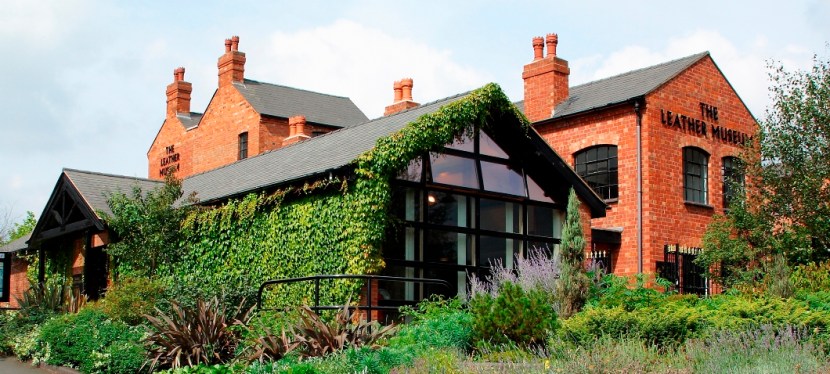
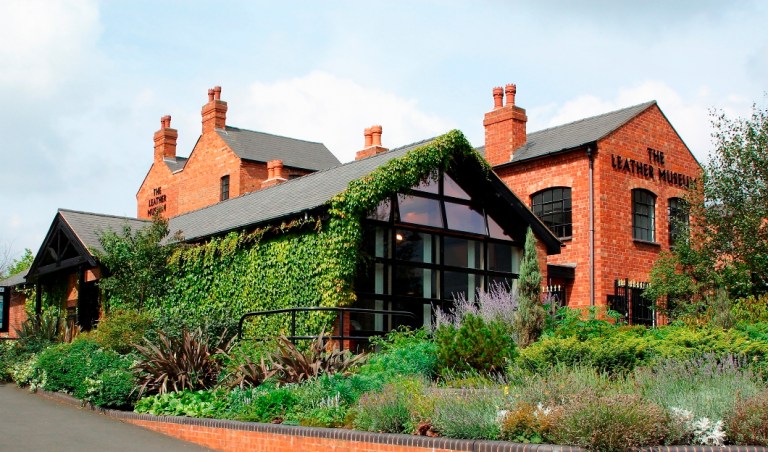
The Walsall Leather Museum in the Midlands, which is housed in the 19th century brick-built, multi-storey, buildings of the former Withers and Son and Samuel Llewellen leather works buildings, was given Grade II listed status earlier this month. The museum is facing closure on the 11 April, although Walsall Council has purchased new premises in the centre of the town for the proposed site of the re-located museum. A time-frame for the re-opening is yet to be announced.

In announcing the listing, Historic England noted that “We recommended listing the buildings at Grade II due to their historic and architectural interest. Leather working is strongly associated with Walsall, and the town is still a major centre for the industry. The workshops on Wisemore are among a very small group of such buildings of this date surviving in Walsall, and so are of particular significance for the town as they embody the industry that played a major part in the lives of many local people.”

In response to the listing, Walsall Council’s leader Mike Bird was quoted in the local press as saying: ‘It might be heritage to them but at the end of the day it’s an old factory, simple as that.’

More details about the listing, proposed closure, and move of the museum can be found here: Walsall Leather Museum’s listed status ‘won’t affect move’

The listing details can be found here: Two former leather goods works, Wisemore, Non Civil Parish – 1495986 | Historic England

The Walsall Leather Museum. Image courtesy of the museum.