Welcome to the Industrial Heritage Networks and Support website. This site is maintained and updated by the Ironbridge Gorge Museum Trust who run the project and the networks. We aim to support industrial heritage in England through networking, information exchange, guidance, and training. Please explore the website and please contribute! For more information you can … Read more Welcome to the IHNs website!
The next free Greenwich Industrial History talk will be on Tuesday 8th September – 19.15 for 19.30 – about the Kent Water Works. Dr Mary Mills will be talking about the water that came from Brookmill, on the Lewisham border, which has been providing high quality water to the Greenwich area for over 300 years.
As the Kent Water Company, founded 200 years ago, its network was extended to Woolwich and then on into Kent while taking over some interesting and unusual projects. The water it provided was so clean that it was used as the standard to which all London water companies should aspire. Most histories of London water supply overlook the Kent company, so Mary will aim to tell a story which has very little about cholera but an awful lot of the interesting remains around the area.
How to reserve your place at this free talk
You can book a place now by emailing greenwichindustrial@gmail.com with the subject line “GIHS KWW talk” and you will be sent Zoom log-in details just before the talk starts on Tuesday 8th.
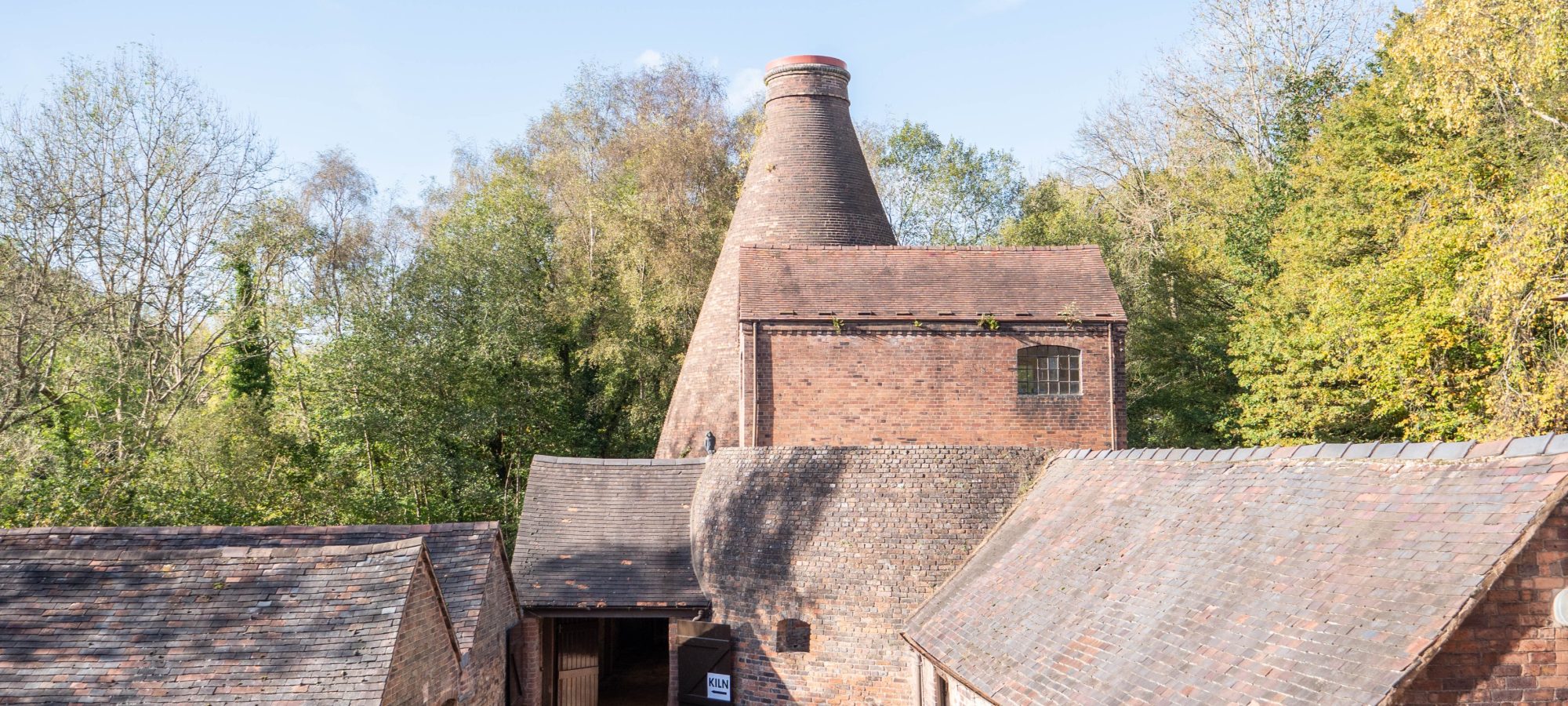
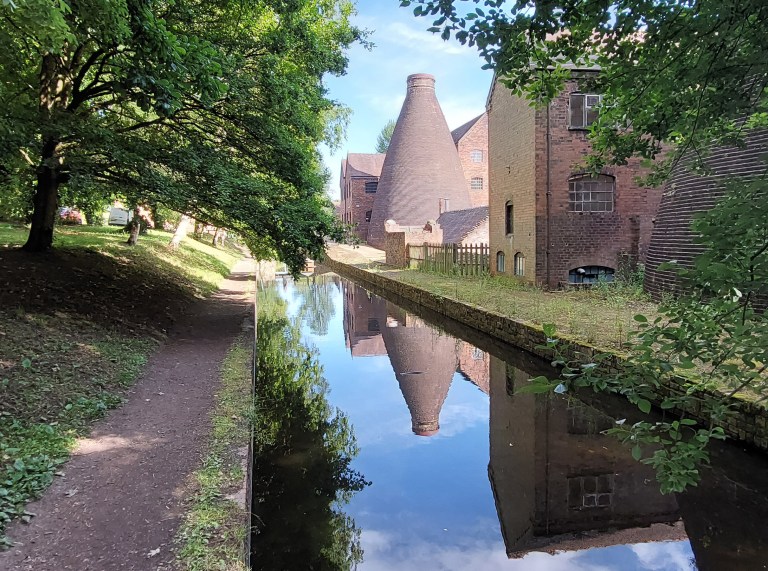
The National Trust will be re-opening two more Ironbridge Gorge museums in September, as part of the Heritage Open Days events.The Broseley Pipe Works and the Coalport China Museum will be free to explore everyday working lives in partnership with Findmypast as part of the Industrious Women theme. The female work force played an integral part in the ceramic industries, and this event will allow you to not only explore the lives of ordinary working women but also access the Findmypast website to begin to explore your own family history.
Broseley Pipe Works will be open on 11-13 September and 18-20 September for pre-booked guided tours. Guided tours will run on the hour from 11 – 3pm. NT Ironbridge Gorge will also have a copy of a wages ledger from the early 20th century on display along with other archive material. Pre-booking is essential as car parking spaces are limited.
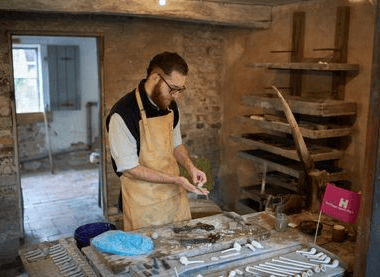
The Coalport China Museum will open 11-13 September and 18-20 of September for pre-booked visits from 10am to 4pm and there will be curator talks and demonstrations, as well as the opportunity to see archive material. Pre-booking is essential as car parking spaces are limited.
A new report on Industrial Heritage Sites in England in 2026, commissioned by Historic England and the Ironbridge Gorge Museum Trust, has been published. This report, by Heritage Innovation, examines the resilience and sustainability of designated industrial heritage sites across England.
Focussing on designated industrial heritage sites that are accessible and interpreted to the public in England, it is a major update on two previous English Heritage (now Historic England) commissioned reports, carried out in 1998 (by PLB Consulting Ltd) and 2008 (by the late Sir Neil Cossons). Drawing on desk-based research, questionnaires and interviews, its emphasis is on industrial sites open as heritage attractions, including both museums and monuments. There are sections on:
ownership
governance
function
finance
management
access
conservation
interpretation
and marketing
Having considered the findings, it concludes with a series of ten recommendations. These include strengthening advocacy, increased support for the IHSO project, revitalising volunteering, developing technical skills, continued sector monitoring, exploring new approaches to governance and funding, and researching heritage fuels. It also calls for a strategic review to set priorities for the industrial heritage sector over the next 25 years.
Dr Mike Nevell, IHSO, thanked Heritage Innovations for their hard work in pulling together data from a very varied sector, noting that ‘this is the first study of the industrial hertiage sector in a generation. Its findings and recommendations will be of considerable interest to all those involved in the care and public presentation of England’s industrial heritage, especially local authorities and other public bodies, charitable trusts, and volunteer groups’.
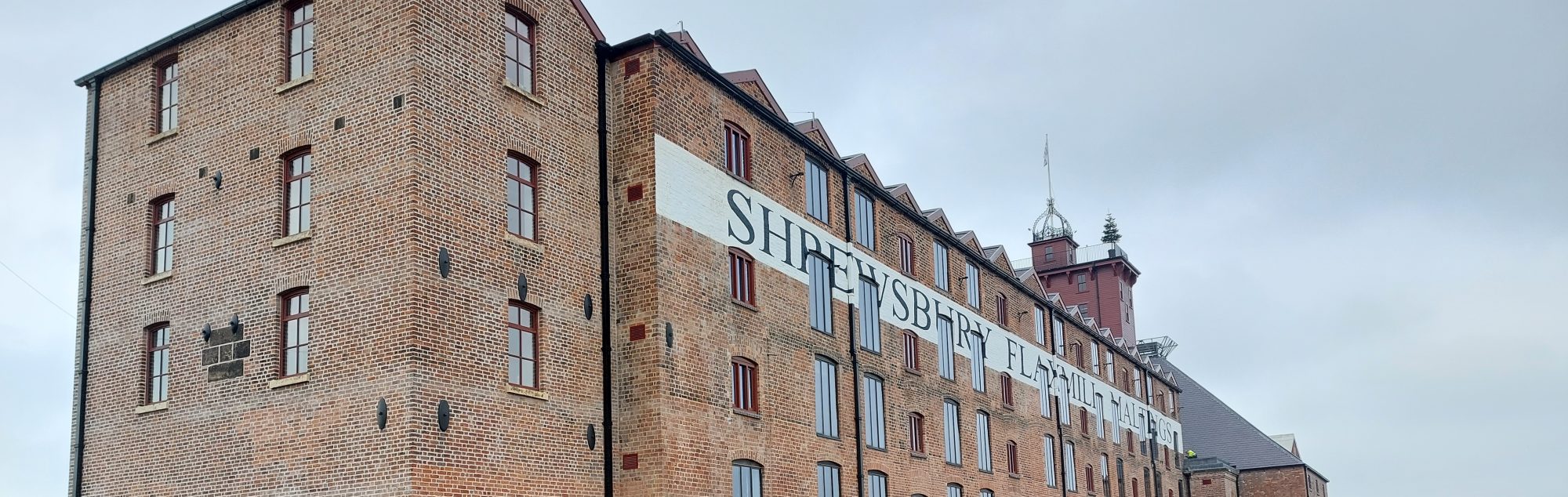
The Longwarehouse and Museum of Iron, part of the National Trust Ironbridge Gorge sites taken over in March 2026 from the Ironbridge Gorge Museum Trust. Image copyright Dr Michael Nevell
Two funds, which can help restore and re-purpose industrial heritage sites, have been announced by the UK Government.Historic England will distribute the Heritage at Risk Capital Fund as in previous years. The Architectural Heritage Fund will distribute the Heritage Revival Fund in partnership with Historic England.
The Heritage at Risk Capital Fund has opened for a second round. The fund prioritises projects that restore heritage sites serving disadvantaged communities and which demonstrate local benefits. Up to £15 million in funding is available this year (2026), as part of a total £75 million fund. Following the successful first year of the fund, which saw £15 million invested in projects across England, up to £60 million remains available for allocation over the next 4 years, to 2030. Expressions of Interest are now open for the next round of funding. This fund gives grants for the conservation, repair, and conversion of listed buildings of all grades, historic buildings in conservation areas, registered parks and gardens and scheduled monuments.
The Heritage Revival Fund has also opened for a second round. The fund, worth £45 million in total, helps communities to rescue and repurpose historic buildings and transform them to meet modern needs, focusing on regenerating historic buildings in town centre locations. Delivered in partnership with DCMS and Historic England, the AHF will provide grants to hundreds of communities across England, supporting them to take control of and find sustainable new uses for derelict or neglected historic buildings. Focusing on town centres and areas of high deprivation, the Fund will help transform these local heritage assets into vibrant new spaces – ranging from arts centres to cultural and community hubs and affordable housing.
For further details on how to apply follow these links:
The Heritage Open Days 2026 event directory is now live, with over 1,600 free events across England from 11 to 20 September already listed. Each year, millions of people take part in the nationwide celebration of local heritage, community, and history. The festival is managed by the National Trust and supported by Postcode Lottery players, and delivered locally by thousands of organisations and volunteers.
This year’s festival theme, ‘Everyday Histories’, and there is still plenty of time to register an event, with the application deadline being 13 August. The 2026 festival will feature a wide range of places that normally charge for events outside of the festival, along with free sites offering something extra special and many venues that are not usually open to the public. Organisers are invited to explore the varied and often overlooked stories of ordinary working people and their daily lives. From factory floors, workhouses and high streets to kitchens, schools, and community centres, this theme shines a light on working-class voices, local superheroes and the part-of-the-furniture places that have quietly shaped England’s heritage.
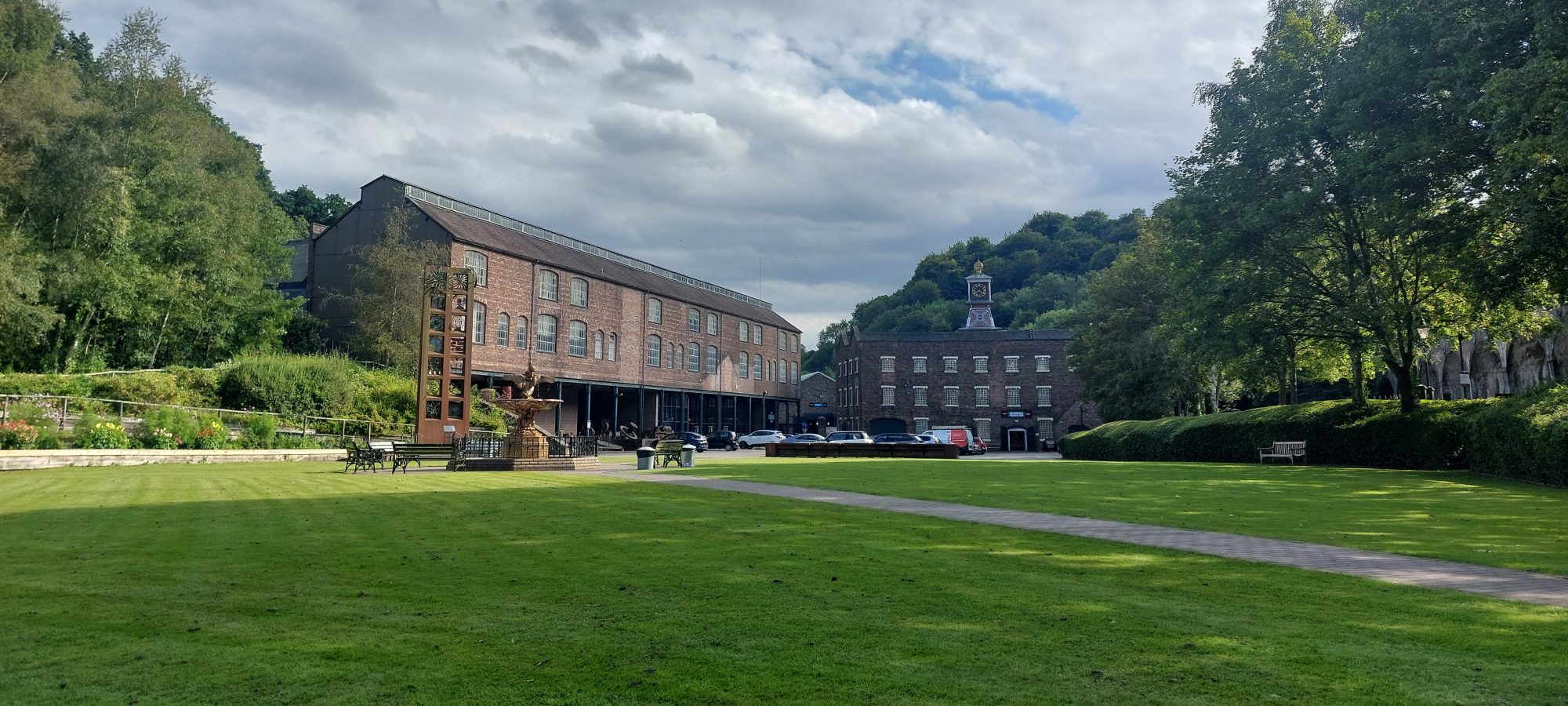
Following the National Trust’s landmark acquisition of the Ironbridge Gorge museums in March 2026, one of the largest in the Trust’s 130-year history, they are now able to start re-opening them.
Thanks to incredible hard work behind the scenes by the NT staff at Ironbridge, the Coalbrookdale Museum of Iron and the Furnace Kitchen re-opened on the 20th May. The Blists Hill open-air Victorian town re-opened the following day, just in time for the May half-term holiday. A phased re-opening for the remaining museums and sites in The Gorge will continue throughout the year.
Getting these complex World Heritage Sites ready for the May half-term has been a massive undertaking, requiring everything from deep cleans to intense operational planning. Claire Tafft, Project Manager for Visitor Engagement at Ironbridge, praised the staff’s dedication: “The Victorian shops and cottages have all had a spring clean and the costumes are all pressed ready… We appreciate everyone’s support as we begin this new chapter.”
Mark Agnew, Project Director for Ironbridge, said: “Our goal is to grow the number of people that visit these wonderful sites and tackle the barriers that often prevent people from engaging with heritage. After a huge amount of work behind the scenes…this is just the start of a long-term vision.”
Calderdale Industrial Museum, after a fundraising campaign and months of hard work and training, will be running its steam engines for the first time since the museum closed 26 years ago, on the 18 April.
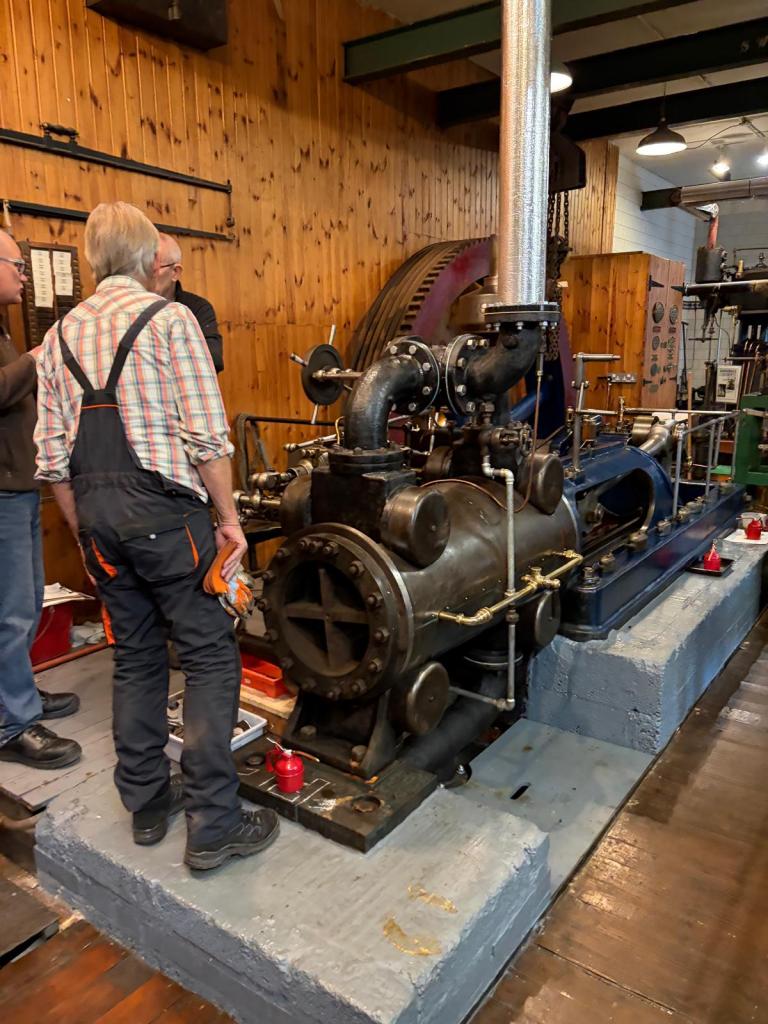
Since taking over the running of the museum in 2013, the Calderdale Museum Association (CIMA) has worked towards running the steam engines in the Power Gallery again as they had been before the closure of the museum in 2000. These are the 1926 built Newton, Bean & Mitchell horizontal ‘Corliss’ engine, the 1860s beam engine, the Fairbank Brearley vertical engine and the 1926 Bellis & Morcom inverted vertical compound engine. All are on display in the power gallery.
Once the volunteers worked out what was required, fundraising started in earnest, with money coming from members and visitors to contribute to the replacement of the old inefficient steam boiler. In August 2022, the old boiler was dismantled and removed from the basement and the area prepared for the new boiler. By 2025 enough money had been raised to cover the purchase and installation costs, and the boiler was then supplied and fitted out by H.A. McEwens – Boiler Repairs Ltd. A SolidTek STL 1000 was fitted by SolidTek MD Steve in November 2025 and they have offered to supply the necessary chemicals free of charge. The museum is very grateful for this kind gesture and look forward to working with Steve and SolidTek in the coming years. All the electrical work has been carried out by Richard Lennard, our in house electrician.
CIMA’s steam team operating the Newton Bean & Mitchell Corliss engine. Image copyright CIMA.
In the meantime, the team of museum volunteers have been working on refurbishing and recommissioning the four engines in readiness for public viewing. Training and testing have been going on over the winter, with modifications and repairs carried out as needed. A team of six volunteers were given professional training, over two sessions, by steam consultant Ian Roberts. They are now qualified with a City & Guilds ‘Industrial Boiler Duty Manager Course’. This ensures they operate the gas boiler safely. Further training to run the four engines has been given by Steve Buckley.
The museum plans to run steam fortnightly from 18th April until 28th June 2026, with further dates to follow over the summer period. Running the steam engines will add hugely to the quality of the visitor experience and is a very exciting day for the volunteers who have worked so hard to get to this point. It’s an added dimension to the tourist offering in Halifax and adds to the story told at the museum, of Calderdale’s significant contribution to the industrial revolution of the late 18th and 19th centuries. Enthusiasts from around the country will be drawn to the area to see these beautiful engines at work.
Trevor Hardaker, Operations Director for CIMA, said “Now we can confidently promote steam days where we run the engines, for the public once more. This is a crucial part of telling the story of the development of power in industrial Calderdale and will add to the exciting visitor experience at the museum.”
The museum relies on its open day takings to fund all the work done to maintain and develop the collection. You can now be a named sponsor of steam for a day, by donating £100, or make whatever contribution you can by putting money in Baby Enid or going to the museum website to the donation page. The museum is open on Saturday 10am – 4pm with last entry at 3pm. They also open, with the same hours, on Thursdays during the Calderdale School holidays. The licensed café opens when the museum is open.
The 2026 Heritage Open Days will take place from 11 to 20 September. Heritage Open Days is England’s largest community-led festival of history and culture, involving thousands of local volunteers and organisations. Every year in September it brings people together to celebrate their heritage, community, and history. Stories are told, traditions explored, and histories brought to life. All the events are free.
269 industrial heritage sites in England took part in Heritage Open Days (HoD) 2025, offering guided walks, talks, and exhibitions as well as hands on experiences. If you would like to take part then the HoD website has full details on how to list a site, event, and/or acitvity.
For further details on how to take part as an event and/or site organiser follow this link: Get involved
To celebrate Mills in 2026 the Society for the Protection of Ancient Buildings (SPAB) is producing a compilation of individual mills’ histories. The SPAB Mills Section wants to create a new and comprehensive picture of mills of all types throughout the UK, Ireland, and Europe and are calling for submissions from owners, volunteers, millwrights, or anyone interested in the history of a mill or a linked group of mills, to write about how they evolved.
SPAB would like to understand a mill’s origins and how the structure and uses have changed over its lifetime. This can be a post mill, smock or tower mill, a watermill or tide mill, or an industrial mill. The mill can be located in the UK, Ireland or Europe. The entry can be about mills stil existing, derelict, or lost.
The chosen entrants will receive a copy of the published booklet, which will be available at SPAB Mills Section events. A digital version of selected submissions will also be available.
The deadline for submissions is Friday 1 May 2026. All entries to be submitted via email to: nmwsubmissions@spab.org.uk
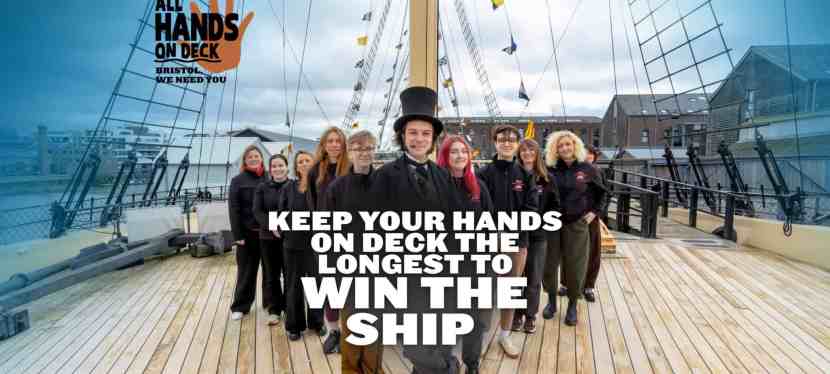
The SS Great Britain Trust is looking to raise the final £180,000 over the next six weeks to help complete the major reinvention project of the museum, which lies next to the historic ship in the Floating Harbour. On 23 February, the old Dockyard Museum closed to make way for a refreshed museum scheduled to open in July 2026. This will bring to life the remarkable stories of the passengers and crew who travelled and worked aboard the SS Great Britain. Alongside the revamped museum there will be a new community hub, a safe and accessible space for local groups to gather, research, and host workshops.
With £1.3m in investment already secured, the Trust are calling on visitors, local businesses, supporters worldwide, and the people of Bristol to get involved and help make the new museum a reality. The Dockyard Museum is being redesigned as an immersive experience focused on the “untold stories” of passengers who travelled aboard the SS Great Britain to destinations including New York, India and the Falkland Islands. The Trust has said that the “much-needed makeover” will “reveal stories from more of the passengers on board the SS Great Britain, but it will also allow today’s audiences to resonate with her history in an entirely new way”.