Updating the South West Archaeological Research Framework (SWARF) – Call to Take Part

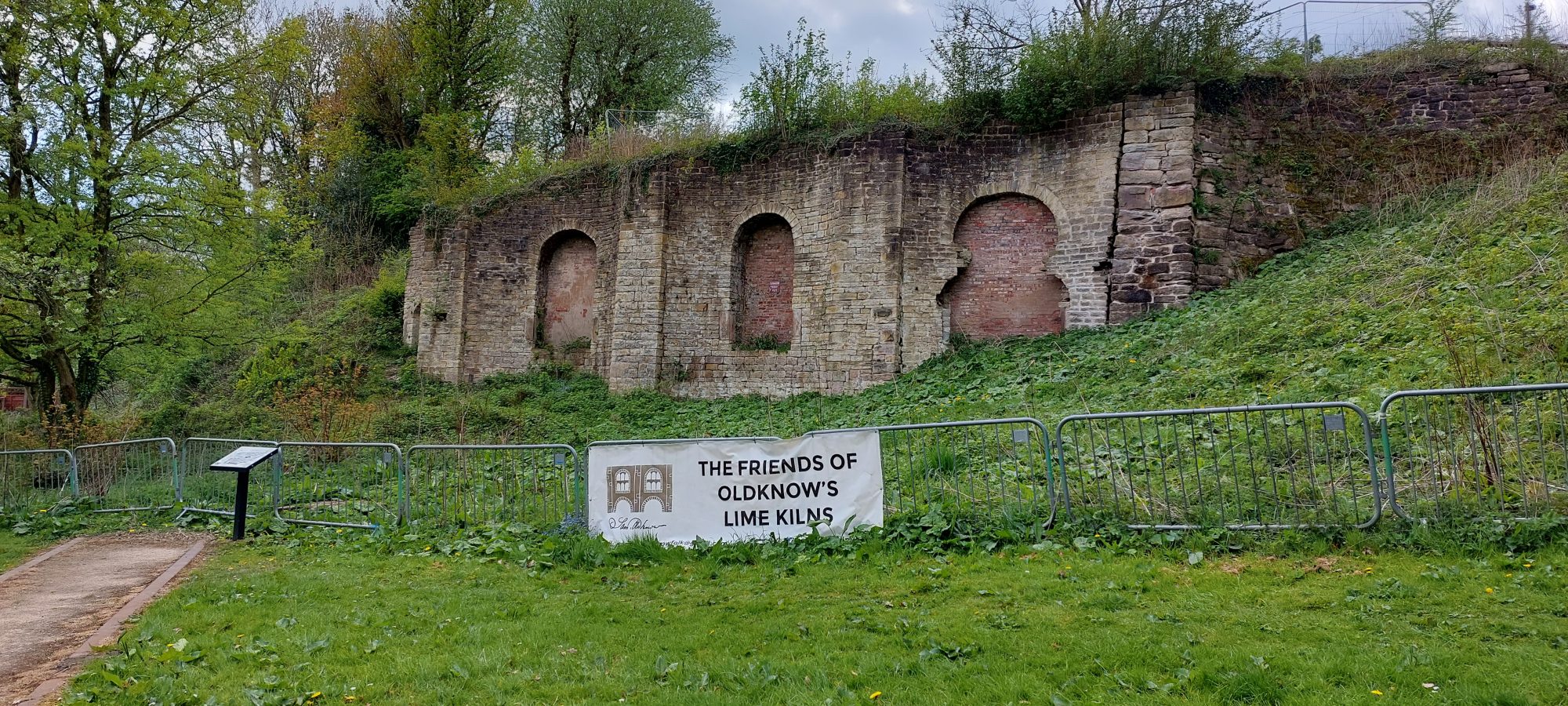
The Bureau for the Contemporary and Historic Consultancy (BUTCH) has been commissioned to support the update of the South West Archaeological Research Framework (SWARF). This is to make sure that it reflects all the research done in the last 18 years and that the priorities for future research are clear. This research framework includes a substantial post-medieval, industrial, and modern section, which will be of interest to the dozens of industrial heritage and archaeology sites, groups, and museums in the region.

The BUTCH team are looking for expressions of interest from experts in their field to fulfil two roles in this process. The roles are (1) Resource Assessment Chapter Team Lead; (2) Expert Panel Member. You may also wish to be involved in their commitment to engage the wider research community. 

The online version of the current South West Archaeological Research Framework (SWARF), including the industrial section, can be found here: Post-Medieval, Industrial and Modern Periods – South West England Research Framework

If you are interested in taking part, please register your interest by completing the form, via the link below, by 7 June 2026 for roles 1 and 2. The form will remain open for those who wish to be updated on the project or who might be interested in being involved in future discussions. The link for the form is here: SWARF Involvementhttps://lnkd.in/e-gu3exM
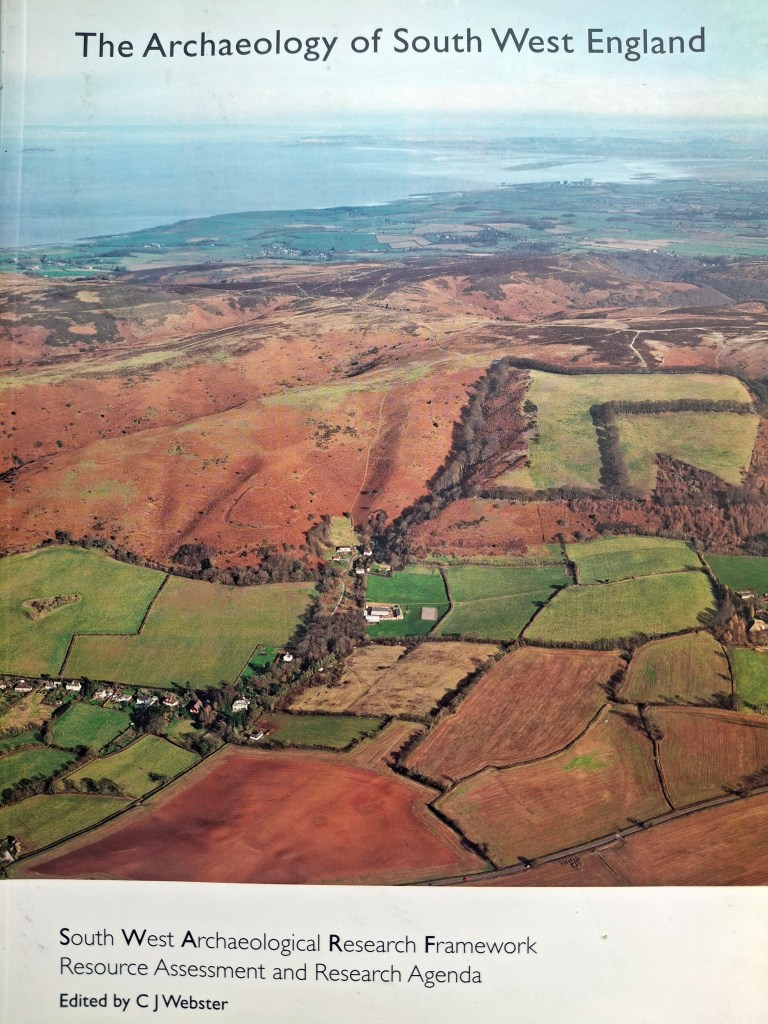
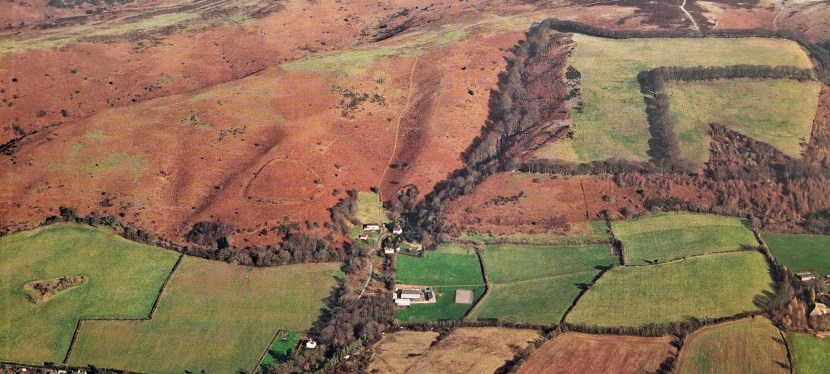
The front cover of the 2008 SWARF monograph.

Volunteer Opportunities at Severn Valley Railway & Ravenglass & Eskdale Railway

Heritage railways are always a good source of volunteer opportunities and this spring two of them are looking for volunteers to help with their running.

The Severn Valley Railway has appealed for volunteers to help when Railway 200’s Inspiration touring locomotive returns to its Kidderminster station in Shropshire at the end of May. The Railway 200 Inspiration exhibition train will arrive for half-term on 23 May and will allow visitors to “explore the railway’s 200-year story of innovation” until 31 May. Visitor engagement manager Lewis Maddox said that “This is a fantastic opportunity to volunteer and be part of something truly special, supporting visitors, bringing the exhibition to life, and helping create memorable experiences for families during the half-term holiday.” For further details follow the link here: Volunteer with us | Severn Valley Railway

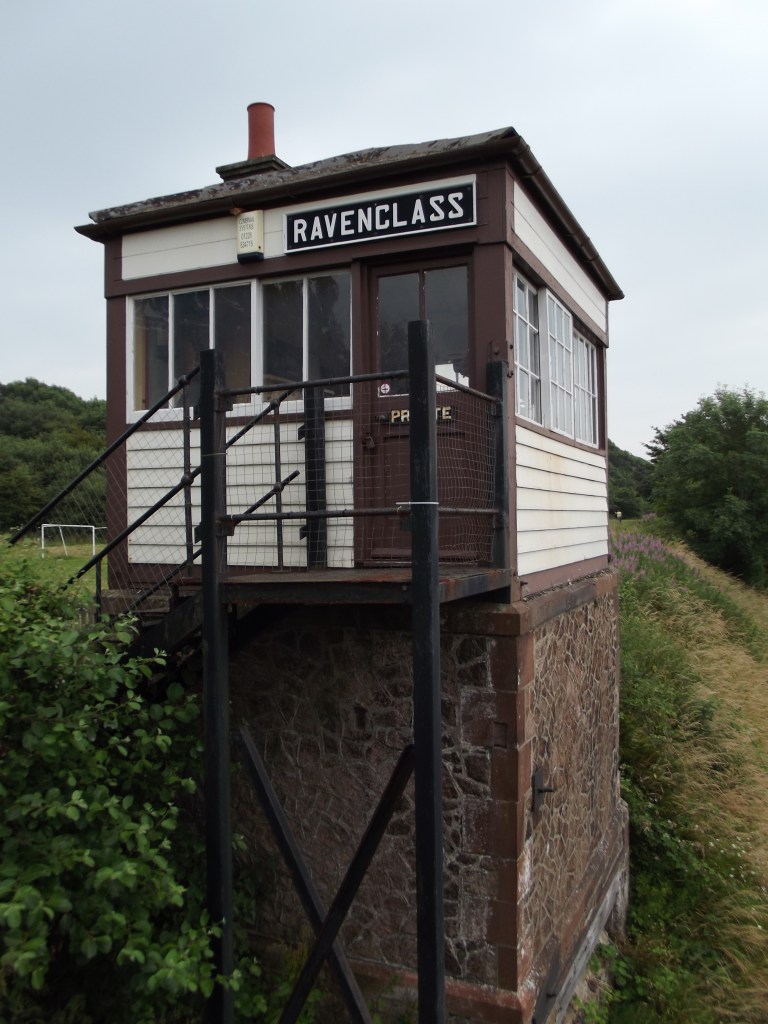
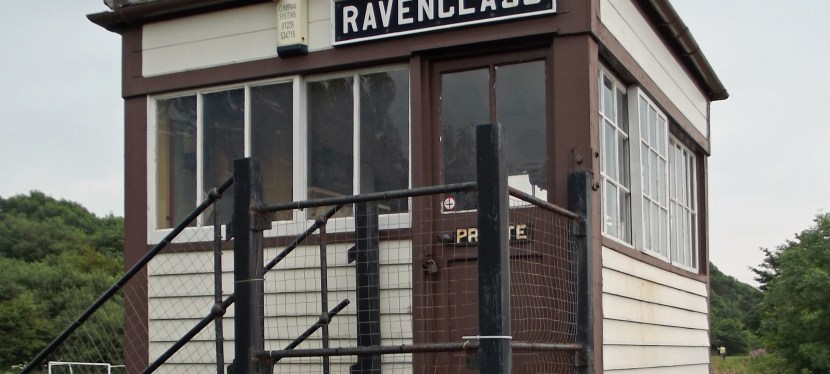
The Ravengalls & Eskdale Railway are always looking for volunteers to help restore the railway’s historic rolling stock, delve into the archive, or engage with the public in their museum and restored Signal Box. Whether you can weld or wield a paintbrush, the Ravenglass & Eskdale Railway will welcome your help and provided training. Contact the raiwlay via the link here: Ravenglass & Eskdale Railway. 

Signal box at Ravengalss Station, Cumbria. Image copyright Dr Micahel Nevell.

Friends of Bennerley Viaduct Launch Crowdfunder to Build New Footbridge

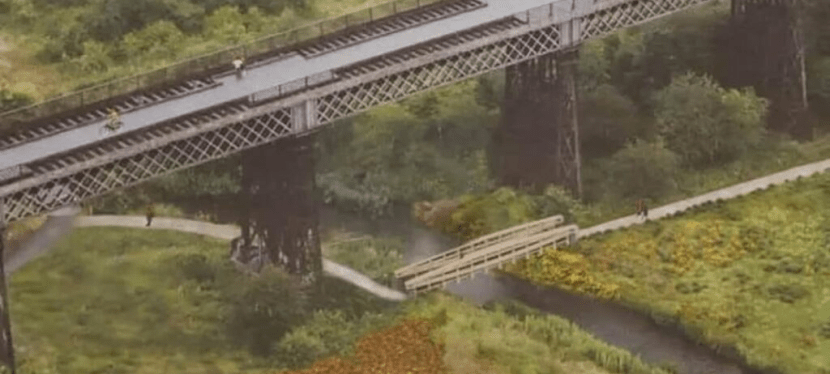
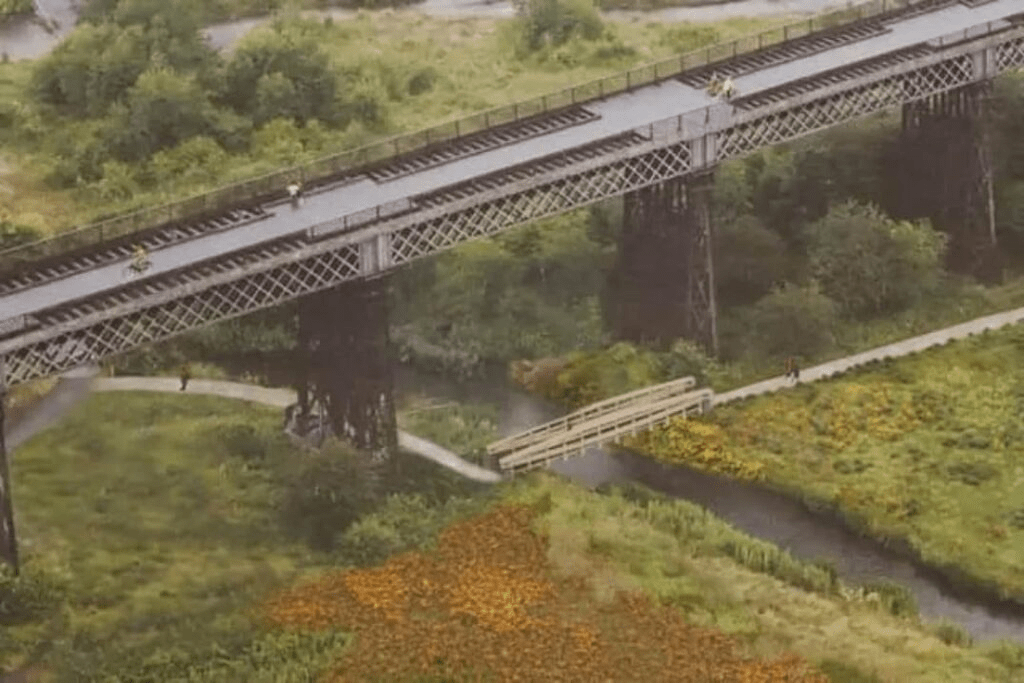
The Friends of Bennerley Viaduct were formed in 2019 as a community charity to help save and make accessible the Bennerley Viaduct and its surrounding environment. The Bennerley Viaduct is a Grade II* listed former Railway Viaduct connecting Nottinghamshire and Derbyshire through the towns of Kimberley and Ilkeston. The Friends‘ goal is to preserve the viaduct and its immediate surrounding area for future generations. As part of this aim they are looking to secure funding to create a new crossing over the River Erewash and to pay for materials that will help to secure the river bank that the bridge will cross.

Not only will the new footbridge over the River Erewash increase access to the viaduct and its surrounding environment, but it will also help to secure the riverbank to prevent its erosion, and so help to secure the future of the viaduct. The Friends target is £10,000, which will act as match-funding for a National Lottery Heritage Fund bid.

To contribute follow this link: https://www.crowdfunder.co.uk/p/new-footbridge-next-to-bennerley-viaduct-second-pledge

Image of the proposed new footbridge beneath the ‘iron giant’. Image courtesy of the Friends of Bennerley Viaduct.

Volunteering Opportunities at the Watercress Line in 2026

The Watercress heritage railway is looking for new voluneteers. They currently have about 550 volunteers who do everything from driving the trains and maintaining the rolling stock, tracks and stations to providing customer-facing retail and catering services.

Some people volunteer for one day per month, whilst others volunteer for several days per week; some people fit their volunteering around their work commitments whilst others join us when they retire. Whether you have relevant skills or you would like to do something totally different, the Watercress Line will make you welcome. The next Welcome Days are on the 8th March and 12th April. The minimum age to volunteer is 16 years old. Membership of the Trust (WCHRT) is NOT required for volunteers.

The line, which re-opened in 1977, runs for 10 miles from Alresford to Alton in Hampshire.

More details on the volunteering opportunities available here: https://watercressline.co.uk/volunteer/#welcome-days

North East Industrial Heritage Network Meeting, 9 December, Now Booking

The next in-person North East Industrial Heritage Network meeting will be held at Hopetown Museum, Darlington, on Tuesday 9th December 2025, from 11am to 1pm. This will be followed, after lunch (there is a cafe on site), by a tour of the site (2pm to 3pm). The themes for the 2025-26 IHN meetings are conservation and maintenance.

All IHN members and friends are very welcome to attend. To book a free place follow this link:

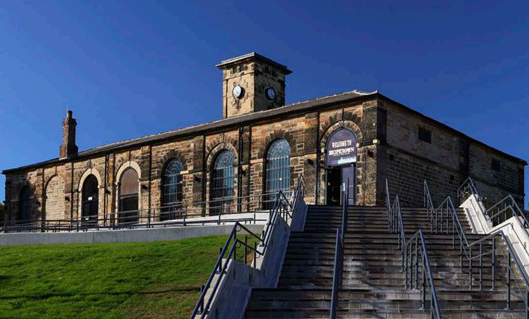
Hopetown Musuejm encompasses the original North Road Station in Darlingotn, which opened in 1842 on the route of the Stockton & Darlington Railway. The listed station was purchased in the 1970s by a consortium consisting of the local council and tourist board, Darlington museum’s service and local businesses. It was transformed into a railway museum, the North Road Station Museum, which opend in 1975. The museum was refurbished in 2007, and reopened in 2008 as the Head of Steam – Darlington Railway Museum. After securing £35 million of funding, between 2022 and 2024 the museum, and surrounding heritage buildings across 7.5 acres, were transformed into a brand new visitor attraction, Hopetown Darlington. The name takes inspiration from the old Hopetown foundry works associated with the railways.

The station at Hopetown, Darlington. Image courtesy of Historic England.

The Industrial Sites Saved as Historic England Publishes 2025 Heritage At Risk Register

Historic England has published the 2025 Heritage at Risk Register. There are 4,891 entries on the Register which covers archaeology, battlefields, buildings and structures, conservation areas, parks and gardens, places of worship, and wrecks. This year, 129 buildings and gardens were taken off the list for positive reasons such as grant funding and/or being repaired. However, 138 were added. 12 of the sites taken off the register are industrial structures.

Claudia Kenyatta CBE and Emma Squire CBE, Co-CEOs of Historic England, said: “The heritage we see all around us impacts how we feel about our local places. The annual Heritage at Risk Register gives us the opportunity to celebrate the many benefits of bringing our historic buildings back into use.”

“The best way to protect our buildings is to reuse them, turning them into places of local connection and joy. The sites that have been saved and have come off the Register this year really highlight the benefits of working together in partnership, and with communities, to create positive, sustainable change. Together we can safeguard our heritage for future generations.”

Industrial sites removed from the ‘At Risk Register’ include:

  • Augill Smelting Mill, North Pennines
  • Bower Spring cementation furnace, Sheffield
  • Etherley Incline, Stockton & Darlington Railway, County Durham 
  • No. 7 Bottle Shop, St Helens
  • Long Shop Museum, Leiston
  • John Taylor & Co Bell Foundry, Loughborough
  • Kingston Telephone Exchange, Ashdown Road, Kingston upon Thames
  • Newland Blast Furnace (Blacking Mill only) in Egton with Newland
  • Papplewick Pumping Station, Nottingham
  • Rockingham Kiln (Swinton Pottery), South Yorkshire
  • Temple Works Gatelodge, Leeds
  • The Triangular Crane and Bumble Hole Boat Yard in Netherton

Industrial sites added to the ‘At Risk Register’ include:

  • Cromford Mills Buildings 26 and 21 (cottages)
  • Teesside Transporter Bridge 

The full updated list for 2025 can be found here: https://historicengland.org.uk/listing/heritage-at-risk/findings/

Guidance on adding a site to the Herrtitage At Risk Register can be found here: https://historicengland.org.uk/listing/heritage-at-risk/suggest-addition-to-har-register/

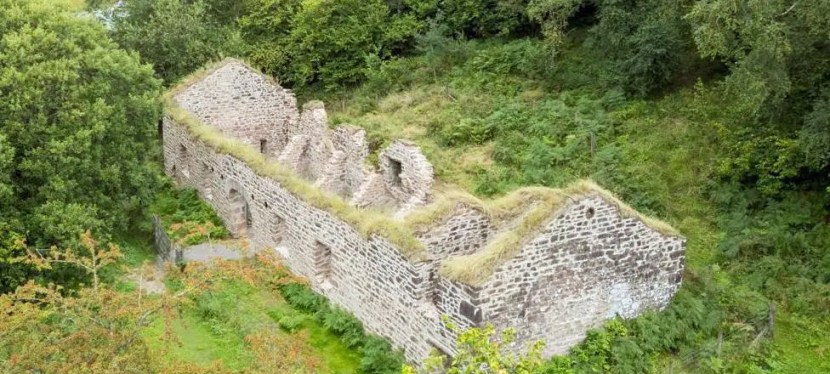
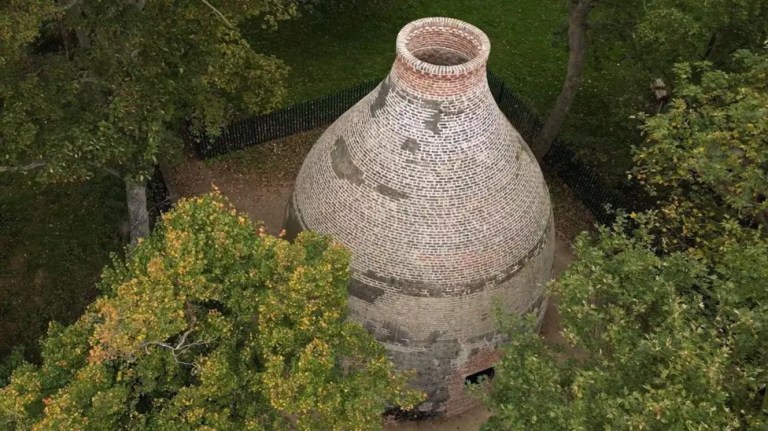
The Rockingham Kiln (Swinton Pottery), South Yorkshire, has been removed from the ‘At Risk Register’ in 2025. Image courtesy of Historic England.
The Teesside Transporter Bridge was added to the ‘At Risk Register’ in 2025. Image courtesy of Historic England.

Historic England Stockton and Darlington Railway (S&DR) Webinar Now Live

If you were unable to join Historic England’s October 2025 industrial heritage webinar looking at the impact and legacy of our Stockton and Darlington Railway (S&DR) Heritage Action Zone, the recording is now available.

The free webinar explored the successes and challenges of the different strands of work undertaken, including designation, repair, re-use and community engagement, as well as looking at the project’s legacy, and the long-term future of the line. To watch the seminar follow this link: https://vimeo.com/1131317485/29e6719e55?share=copy&fl=sv&fe=ci.

The accompanying webinar on the various associated research projects can be viewed here – https://vimeo.com/1096891129/4d60158e04.

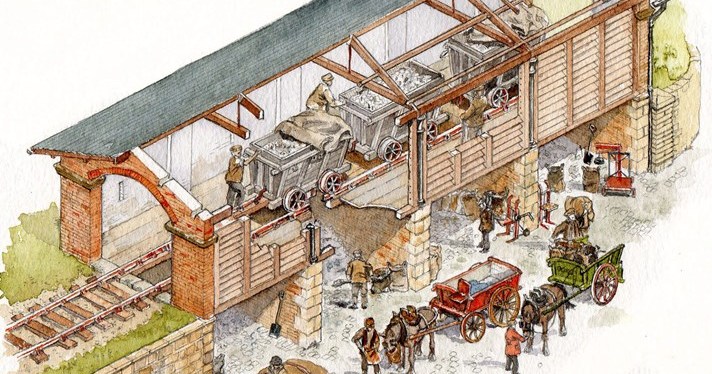
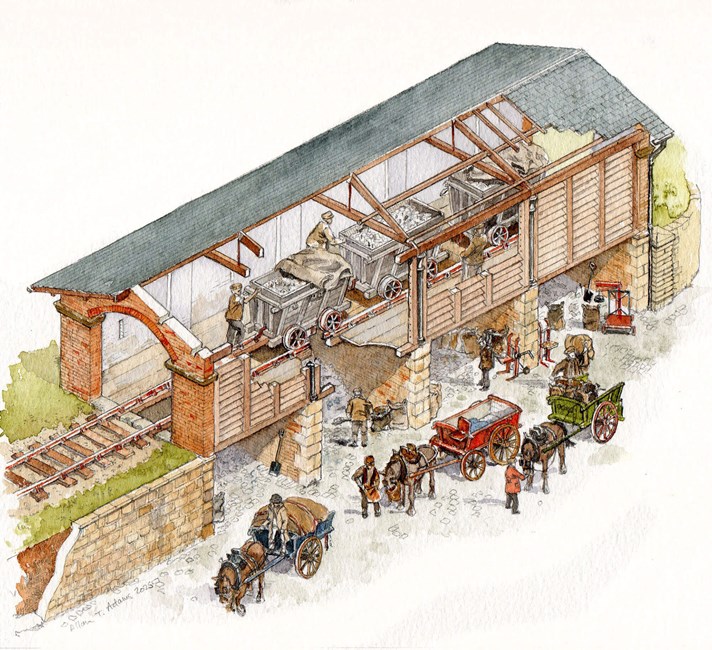
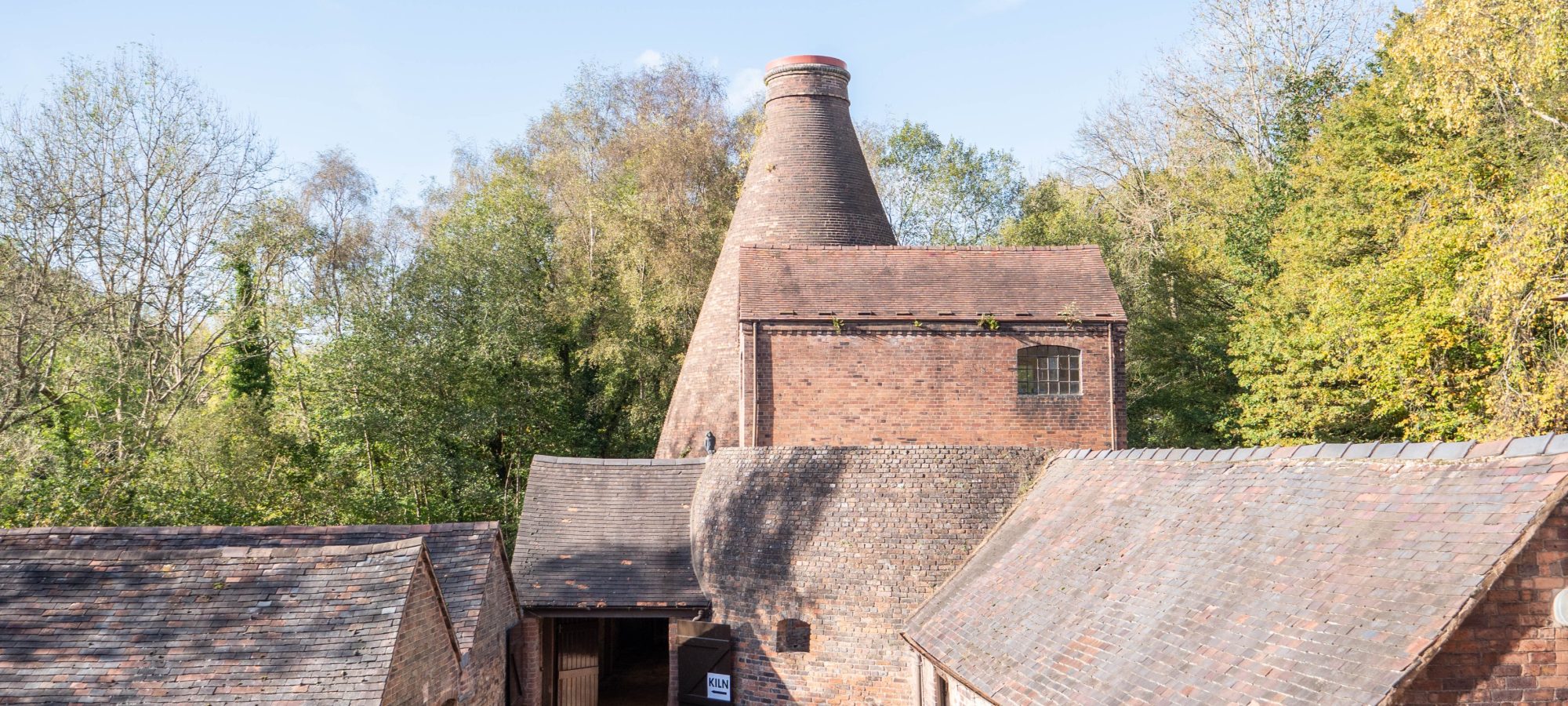
S&DR Darlington Lime Depot – cutaway reconstruction drawing showing how the Lime Depot was designed to operate. Illustration by Allan T Adams. © Historic England

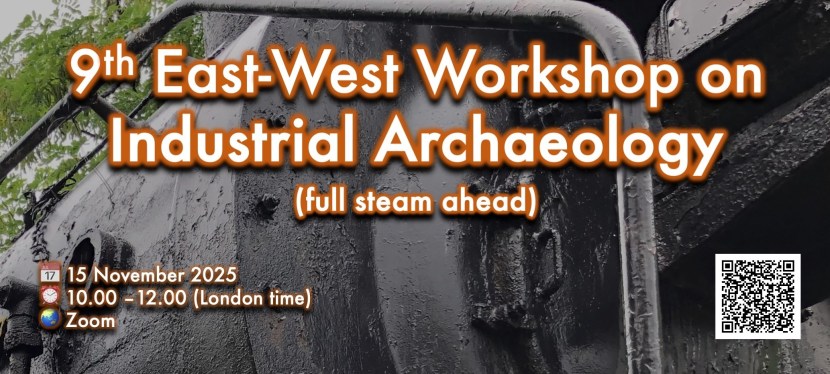
AIA 9th East-West Workshop on Industrial Archaeology: Full Steam Ahead!

The East-West series of workshops aims to exchange ideas and knowledge among Western and Eastern colleagues to build a more international and diverse industrial archaeology. The activity is organised jointly by the Institute for Cultural Heritage and History of Science & Technology (USTB, China), and the UK Association for Industrial Archaeology.

The 9th East-West Wiorkshop takes as its theme the industrial archaeology of railways. Modern railways were born in Britain 200 years ago in 1825 with the opening of the Stockton & Darlington Railway (although the concept of using rails to move bulk goods around the landscape is much older). From there, they spread to the rest of the world, reducing travel and transportation times, and fostering modernisation, industrialisation and urbanisation.

Facing both continuity and continuous change (including the expansion and contraction of networks, new traction technologies, and instances of nationalisation and privatisation), in the 21st century, the railway is the most efficient and sustainable mode of transport and, particularly in the East and Global South, is expanding its tracks into the future. To honour its 200th anniversary, the 9th East-West Workshop on Industrial Archaeology travels to the railway past to examine the international circulation of treaties, technologies, materials, and people that defined the early development of railways in Eurasia.

Speakers & Talks

  • Yibing FANG (Chinese Academy of Sciences, China): “A Review of Research on China’s Early Steel Rails Heritage”
  • Paulina ROMANOWICZ (Polish Academy of Sciences, Poland): “Rediscovery of a Brickworks Narrow-Gauge Industrial Railway Tunnel in Stołczyn, Poland”
  • Arida Fitriana YASMIN (University of Groningen, Netherlands): “Follow the Tracks: Railway Heritage Management at the Ombilin Coal Mining Heritage of Sawahlunto, Indonesia”
  • Juan Manuel CANO SANCHIZ (University of Science and Technology Beijing, China / Association for Industrial Archaeology, UK): “European Early Railway Architecture in Beijing: A Perspective from Building Archaeology”

Date & Time

15 November 2025, Saturday. 10.00-12.00 (London time)

This ia free online workshop via Zoom. For more information and to book for free follow the below link:

Hundreds of Industrial Sites to Visit for Heritage Open Days 2025

September is Heritage Open Days season in England, and hundreds of industrial heritage sites and activities are available for the 2025 event. Heritage Open Days is co-ordinated by the National Trust and for 2025 runs from 12 to 21 September.

As in previous years, several hundered industrial heritage sites will be opening their doors for free to the public, whilst dozens more events, from talks to walks will look at the stories of industrial archaeology, history, and the people involved across England. With the ‘Railway 200’ anniversay celebrations for the opening of the Stockton and Darlington Railway in 1825 culminating at the end of September, it seems appropriate that there are over a hundred railway-related sites and events available this year.

Other industrial heritage site types accessible, some only open for Heritage Open Days, include over 40 watermills and dozens of windmills, as well as ironworks, potteries, textile mills, canals, and transport museums. To explore England’s rich industrial legacy this September follow this link:

The Heritage Open Days initiative is part of the wider European Heritage Open Days events running througout September 2025. Elsewhere in the UK these include the Welsh ‘Open Doors Days’, the Scottish ‘Doors Open Days’, and Northern Ireland’s ‘European Heritage Open Days’ events (13-14 September). Further details on these UK events can be found here: https://www.heritageopendays.org.uk/resource/european-heritage-days-2025-explore-more.html

8th International Early Railways Conference, September 2025

The 8th International (Hybrid) Early Railways Conference will run from Tuesday 23rd September 2025 to Friday 26th September. 2025 is the 200th anniversary of the opening of the Stockton & Darlington Railway, and the conference is designed to lead up to the ‘Railway 200’ celebration finale on the 27th September. The conference will be held in Darlington at the Central Hall, Dolphin Centre, Horse Market. Bookings can still be made online for delegates to participate in the conference, participating either in person or via the internet.

The conference will be similar in format to the previous successful International Early Railways Conferences, with topics ranging from the earliest waggonway systems through to the earliest main line and industrial systems around the world up to the 1870s.

The event is sponsored by the National Railway Museum, the Institution of Civil Engineers, the Newcomen Society, the Railway & Canal Historical Society, and the Stephenson Locomotive Society. There will also be six poster presentations provided by the members of the Historical Metallurgy Society.

Booking details can be found here: https://rchs.org.uk/early-railways-conference-combined/

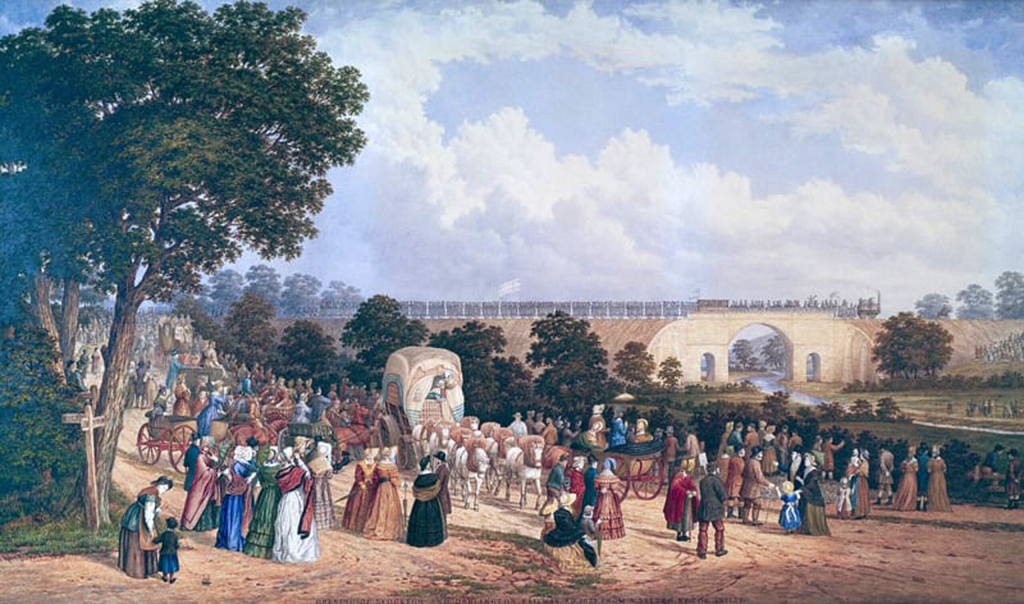
Dobbin’s painting of the opening of the Stockton and Darlington Railway in September 1825. Image courtesy Darlington Borough Council.