CBA Members Weekend 2026: Explore the Industrial East Midlands

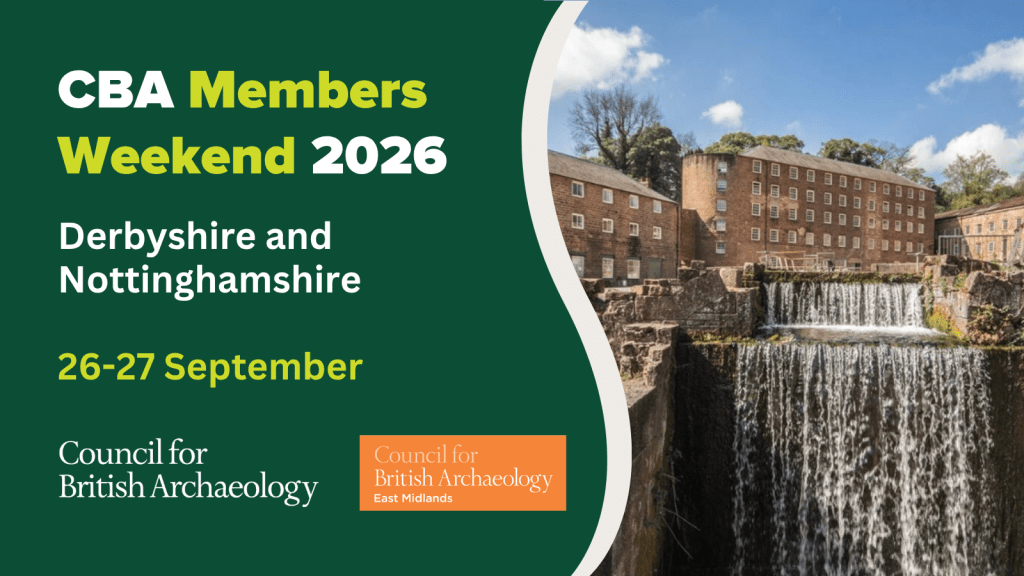
The Council for British Archaeology (CBA) and CBA East Midlands are jointly hosting a weekend of archaeology and heritage activity across Nottinghamshire and Derbyshire in the English East Midlands on 26th and 27th September.

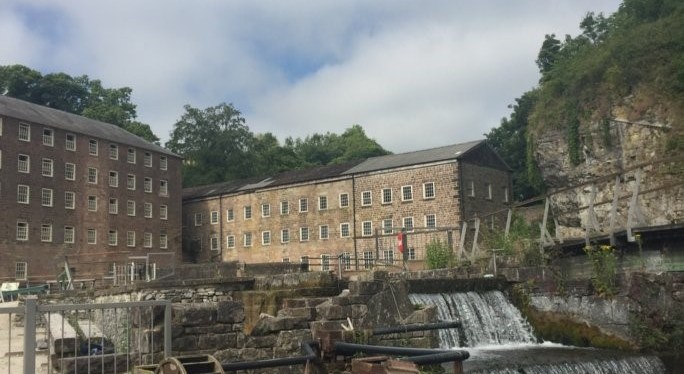
On Saturday they will be visiting Cromford Mills, a UNESCO World Heritage Site and home to the first water-powered cotton spinning mill, and Cromford Village in Derbyshire. On Sunday, in Nottingham, members will explore the UK’s largest network of caves, their changing uses, and their industrial features. There will also be a visit to Brewhouse Yard to discover the stories of Nottingham’s social history and lace making. The weekend will finish at Nottingham Castle, a Stuart Restoration-era ducal mansion, and Mortimer’s Hole, a human-made cave beneath the castle.

The cost is £90pp for the weekend (with people sorting out their own accommodation and transport, though some car-sharing might be possible for anyone arriving by public transport), with tickets limited to 30.

Further details on how to book here: CBA Members Weekend 2026 Council for British Archaeology

DCMS Launches Call for Evidence for National Lottery Future Funding Model

The UK Government has launched a call for evidence on National Lottery Good Causes funding to help shape its future investment priorities. The 12-week consultation, National Lottery Good Causes: Fund What Matters To You, is open to members of the public, organisations, and community groups across the UK. This is the first major review of National Lottery Good Causes funding in more than 20 years.

The National Lottery is a crucial source of funding for museums and heritage. Since being established in 1994 it has awarded £9.5bn to more than 53,000 projects across the UK via the National Lottery Heritage Fund. This includes hundreds of industrial heritage sites and projects in England alone.

The UK Government is asking lottery players, organisations, and communities for views on what is working and how funding could be improved in the future. The review aims to make funding more accessible and give local people a greater say in how money is used in their communities. Under legislation, heritage receives 20% of annual National Lottery Good Causes distributions.

The consultation is open until 23 September 2026. More details about the call for evidence and how to contribute here: Public to have their say on National Lottery Good Causes – GOV.UK

To respond to the call follow this link: (Call for Evidence) National Lottery Good Causes – Fund What Matters To You

UNESCO World Heritage UK Launch New Online Industrial Heritage Trail

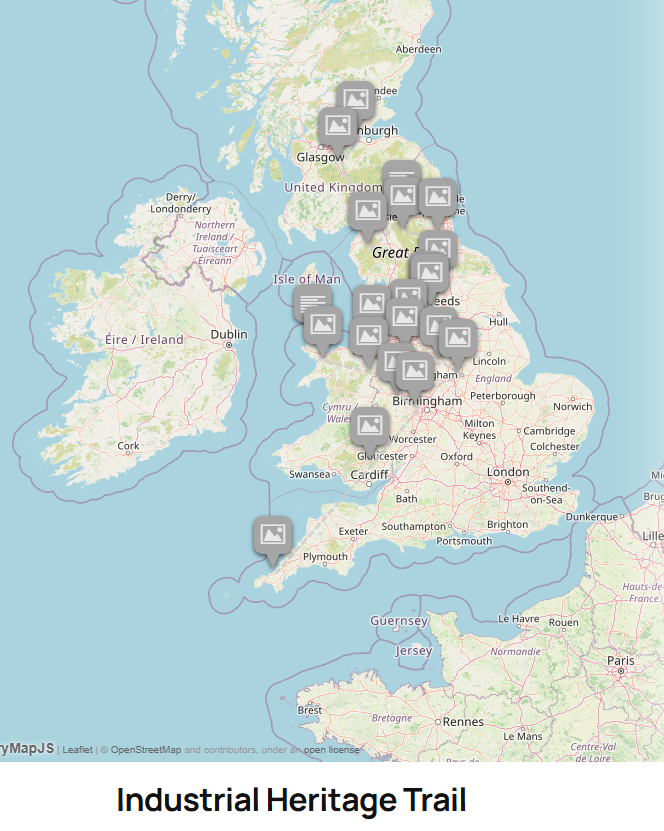
UNESCO World Heritage UK has launched a new online Industrial Heritage Trail linking industrial world heritage sites, landscapes, global geoparks, cities of literature and film, and several of the UK’s Tentative List sites. The trail covers locations in England, Scotland, and Wales in a digital journey that runs from Cornwall to the Firth of Forth.

These 20 sites tell the story of industry from the top to the bottom of Britain, ranging from mills, mines, and quarries to canals, railways, and industrial cities. The intention is to ‘connect places and landscape shaped by innovation, labour and geology, inviting visitors to explore how industry transformed everyday life and left a lasting cutlural legacy’.

To access the trail follow this link: Industrial Heritage Trail

Arts Council England: Museum Checklist Guidance for Dealing with Local Government Reorganisation

Arts Council England (ACE) has shared a checklist to support museums in preparing for the challenges and opportunities of Local Government Reorganisation (LGR) during the years 2026-28. This support is designed to help leaders in local authority-owned and operated museum services, as well as independent museums, gather critical information about their museums and services.

The checklist includes operations, risks, responsibilities and value, and will be essential for future planning within new authority structures. It will help museums’ on advocating for their sites and services by looking at: service operations; risks and responsibilities; and the value the museum delivers.

There is also a dedicated section (Action 10) for independent and local authority reliant museums, helping them to strengthen their case and advocate effectively for continued support in the new landscape.

To download the full ACE checklist follow this link: Museums readiness checklist for Local Government Reorganisation (LGR) | Arts Council England

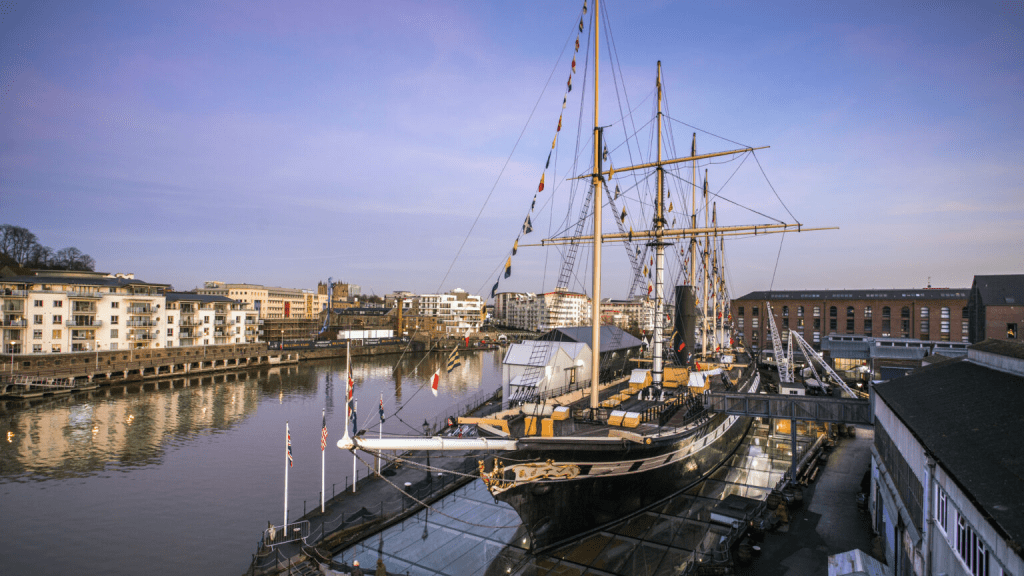
Brunel’s SS Great Britain Site to be Renamed as ‘Bristol Dockyards’ When Revamped Museum Launches in July

The Bristol site where the steamship (SS) Great Britain is docked will be changing its name to Bristol Dockyards, ahead of the re-opening of the revamped and expanded museum in July. The new name is intended to reflect the long-term ambition of the SS Great Britain Trust, the charity that runs the site, to transform the attraction into a broader cultural and learning campus encompassing the adjacent Great Western and Albion dockyards.

A statement from the organisation in early June explained that: “The steamship Great Britain remains at the heart of our charity’s purpose and all the work that we deliver. The ship’s name is not changing – instead, our organisational name is changing to Bristol Dockyards. This name change allows us to grow as a heritage site and ensures we can remain taking care of the ship for years to come.”

The revamped and expanded Bristol Dockyards museum will have interactive exhibitions, digital recreations, historic artefacts, and new community-led research that uncovers voices and stories from SS Great Britain’s 41 years of service. 

Future phases of the redevelopment will focus on conservation work, re-establishing the Albion dock as a working dockyard for maritime skills training opportunities, and broadening its programming to “reflect the interests of a modern, diverse Bristol”. The project is scheduled to be completed in time to mark the 60th anniversary of the ship’s return to Bristol from the Falkland Islands in 2030.

Further details here: Home – SS Great Britain

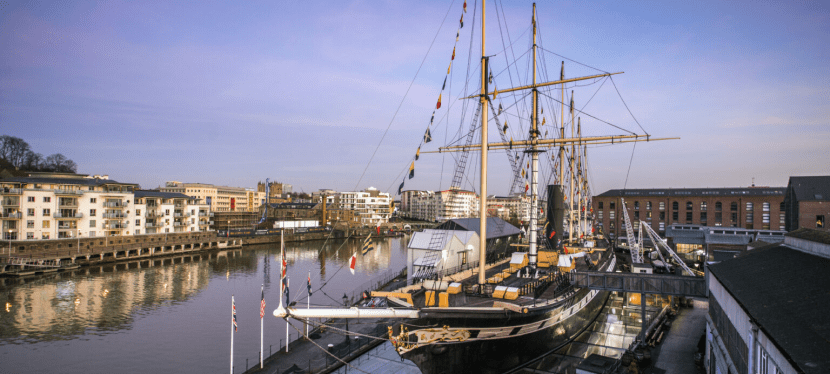
The SS Great Britain will be the centre piece of the newly re-named Bristol Dockyards Museum whichs opens in July 2026.  Image copyright Adam Gasson/SS Great Britain Trust.

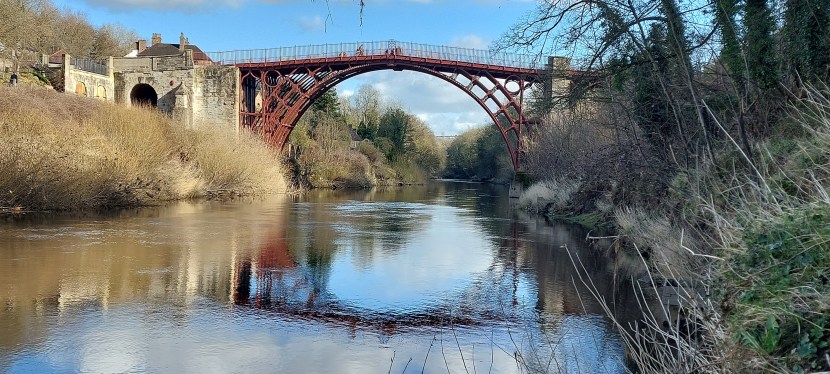
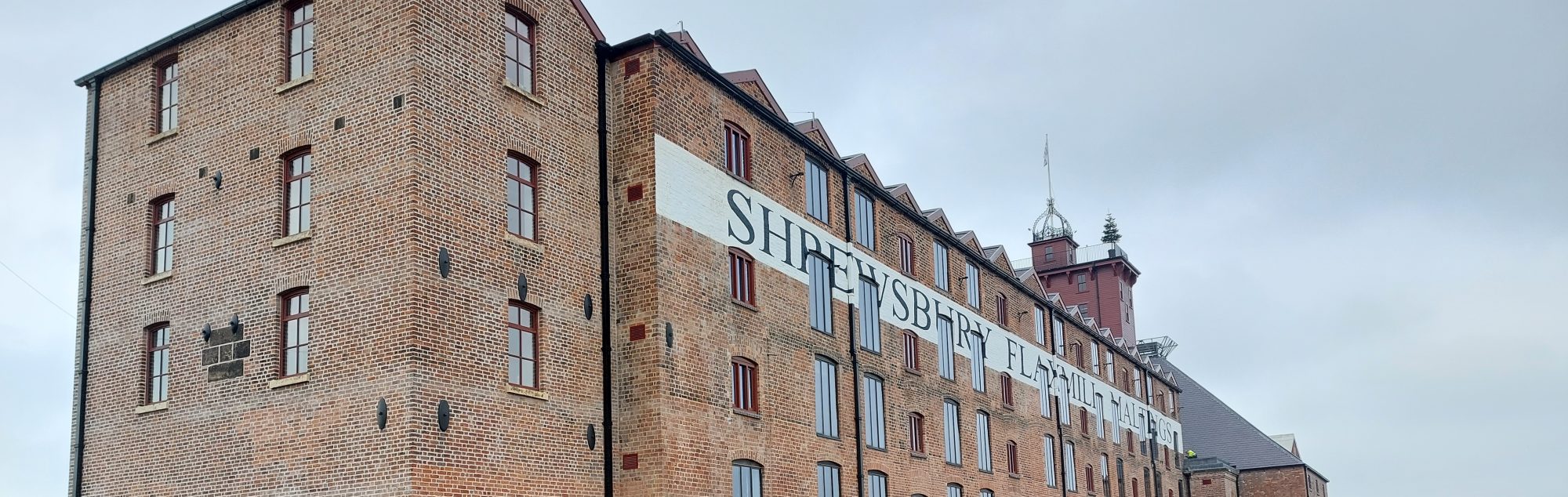
National Trust Begins Ironbridge Gorge Museums Re-opening

Following the National Trust’s landmark acquisition of the Ironbridge Gorge museums in March 2026, one of the largest in the Trust’s 130-year history, they are now able to start re-opening them.

Thanks to incredible hard work behind the scenes by the NT staff at Ironbridge, the Coalbrookdale Museum of Iron and the Furnace Kitchen re-opened on the 20th May. The Blists Hill open-air Victorian town re-opened the following day, just in time for the May half-term holiday. A phased re-opening for the remaining museums and sites in The Gorge will continue throughout the year.

Getting these complex World Heritage Sites ready for the May half-term has been a massive undertaking, requiring everything from deep cleans to intense operational planning. Claire Tafft, Project Manager for Visitor Engagement at Ironbridge, praised the staff’s dedication: “The Victorian shops and cottages have all had a spring clean and the costumes are all pressed ready… We appreciate everyone’s support as we begin this new chapter.”

Mark Agnew, Project Director for Ironbridge, said: “Our goal is to grow the number of people that visit these wonderful sites and tackle the barriers that often prevent people from engaging with heritage. After a huge amount of work behind the scenes…this is just the start of a long-term vision.”

Visits to Blists Hill must be pre-booked online during this initial phase due to IT connectivity works on site. Follow this link to book a visit through the National Trust website. 

The canal and mine at Blists Hill ahead of re-opening by the National Trust in May 2026. Image copyright Dr Michael Nevell

More Industrial Heritage Sites Receive Government Grant Support

130 cultural venues, museums, and libraries will receive a share of £127.8 million to protect them for present and future generations. This latest Government support forms part of the ‘Arts Everywhere Fund’. This is in addition to the heritage grants announced earlier in the month which were funded by the DCMS/Wolfson Museums & Galleries Improvement Fund.

These new monies form part of three funding streams administered and delivered by Arts Council England on behalf of the Department for Culture, Media, and Sport. These are:

  • The Museum Estate and Development Fund (MEND) which has allocated £25.5 million to support 28 museums to undertake vital infrastructure works, and improve the visitor experience.
  • The Creative Foundations Fund (CFF) which has allocated £96 million to 74 arts and cultural venues to help theatres, performing arts venues, galleries and grassroots music venues address urgent infrastructure needs. 
  • The Libraries Improvement Fund (LIF) which has allocated a share of £6.3 million to 28 library services to help upgrade buildings and technology to better meet the needs of the community.

The industrial heritage museums and sites receiving support are:

  • Baltic Flour Mills Visual Arts Trust, Newcastle-Upon-Tyne – £3,649,800
  • Black Country Living Museum, Dudley – £454,159
  • Greater Manchester Transport Society – £244,000
  • London Transport Museum – £999,999
  • People’s History Museum, Manchester – £2,491,670
  • Port Sunlight Village Trust – £499,999
  • The Brickworks Museum, Southampton – £280,000
  • The Mill Arts Centre, Banbury – £135,000
  • Watermill Theatre, Newbury – £300,000
  • Whitchurch Silk Mill – £210,045

For further details follow this link: Arts Everywhere Funding – GOV.UK

People’s History Museum, Manchester. Image copyright Dr Michael Nevell.

Industrial Heritage Sites to Recieve Grants From the DCMS/Wolfson Museums & Galleries Improvement Fund

24 local museums in England have been granted a share of £4 million through the DCMS/Wolfson Museums and Galleries Improvement Fund. The Fund brings together £2 million in match funding from the Department for Culture, Media and Sport (DCMS) and independent, grant making charity, the Wolfson Foundation. It supports local museums by improving displays, enhancing collection care, and making exhibitions more accessible to visitors.

The five industrial heritage museums that have recieved £1,034,200 from this year’s grant round are:

  • British Motor Museum, West Midlands – £147,700
  • Black Country Living Museum, West Midlands – £272,000
  • SS Great Britain, South West – £46,300
  • National Tramway Museum, East Midlands – £210,600
  • Food Museum, East of England – £357,600

Full details of the all the museums receiving grants here: Local museums receive £4 million to improve accessibility to arts and culture – GOV.UK

The DCMS/Wolfson Museums and Galleries Improvement Fund provides capital funding for museums and galleries across England to improve displays, protect collections and make exhibitions more accessible to visitors. For 2025-27, DCMS and the Wolfson Foundation have each contributed £2 million to the Fund, which has benefitted more than 440 projects in its more than 24-year history.

One of the trolley bused that will be renovated at the Black Country Living Museum. Image courtesy of the Black Country Living Museum.

Museum Development Grants – Next Round Opening

The next round of Museum Development grants for the English regions will be opening in the next few weeks. These include Open Grants, Small Grants, and bursaries from the five regional museum development networks in England, with grants ranging from £500 to £7000 depending on the region and type of activity. These are usually designed for accredited museums, or those sites working towards accredition.

Museum Development London are running a free online seminar detailing their grants for 2026-27 on the 23 April. To book follow this link: MDL grants programme 2026-27 coffee morning

Museum Development South East have two Open Grant streams. Round one is currently open and closes on 2 June. Round 2 opens on 21 September and closes on 4 November. For details on both follow this link: Open Grants – Museum Development South East

Applications for Museum Development Midlands Open Grants start on 30 April, with a deadline of 29 June. More details here: Open Grants · MDM

The Museum Development South West Open Grants scheme deadline is 15 April, but applications for their Capacity Grants opens on the 29 April. More details here: Capacity Builder – Museum Development South West

Museum Development North’s Continuing Professional Development Bursaries is a rolling programme, so applications can be submitted at any time from April to 3 December 2026. The scheme may close earlier if all funds have been allocated. Further details here: Continuing Professional Development (CPD) Bursaries – Museum Development North

MDM

New Industrial Heritage Exhibitions for Spring 2026

Each year there are a range of new and temporary exhibitions on industrial heritage and archaeology put on by dozens of industrial heritage sites across England. Spring 2026 sees three new industrial heritage exhibitions open to the public covering coal, salt, and textiles.

“Jason and the Coal Mining Adventure”, is on from the spring to the autumn, 27 March to 4 October, at the National Coal Mining Museum, Wakefield. It is a colourful and immersive reimagining of Britain’s mining history and the communities at its heart.

The “Untangled”, exhibition runs from 23 May to 6 June, at Leeds Industrial Museum. The new exhibition, from the International Felt Makers Association Region Ten, celebrates the connections between nature and industry through textiles.

Lastly, “The Salt of the Erthe”, exhibition runs from 26 February to 28 June 2026, at the Lion Salt Works, Northwich, and celebates Cheshire’s salt heritage.