Welcome to the Industrial Heritage Networks and Support website. This site is maintained and updated by the Ironbridge Gorge Museum Trust who run the project and the networks. We aim to support industrial heritage in England through networking, information exchange, guidance, and training. Please explore the website and please contribute! For more information you can … Read more Welcome to the IHNs website!
Historic England (HE) have launched a new grant fund – ‘Neighbourhood Heritage: Grants for Communities’. This is designed to support communities to use (industrial) heritage as a way of shaping the future of their local places.Historic England are looking to provide 21 grants of these grants worth up to £15,000.
Heritage is more than historic buildings, sites and stories; it can help communities to build confidence, strengthen local identity, create new relationships and influence decisions about the places where they live. HE are interested in funding projects that will discover what people value about their neighbourhoods while improving how heritage can help communities to participate in shaping local change.
Successful applicants will support communities to use heritage as a way of shaping the future of their local places. Projects must be co-created, within an area of IMD1-3, and working with underrepresented communities.
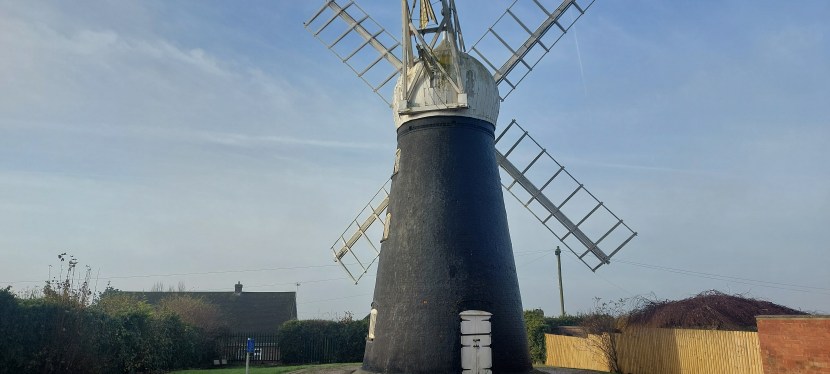
Three industrial heritage sites are facing an uncertain future this autumn. Ellis Mill in Lincoln, Whitburn Windmill in South Tyneside, and the Spa Cliff Lift furnicular in Scarborough are all facing temporary closure.
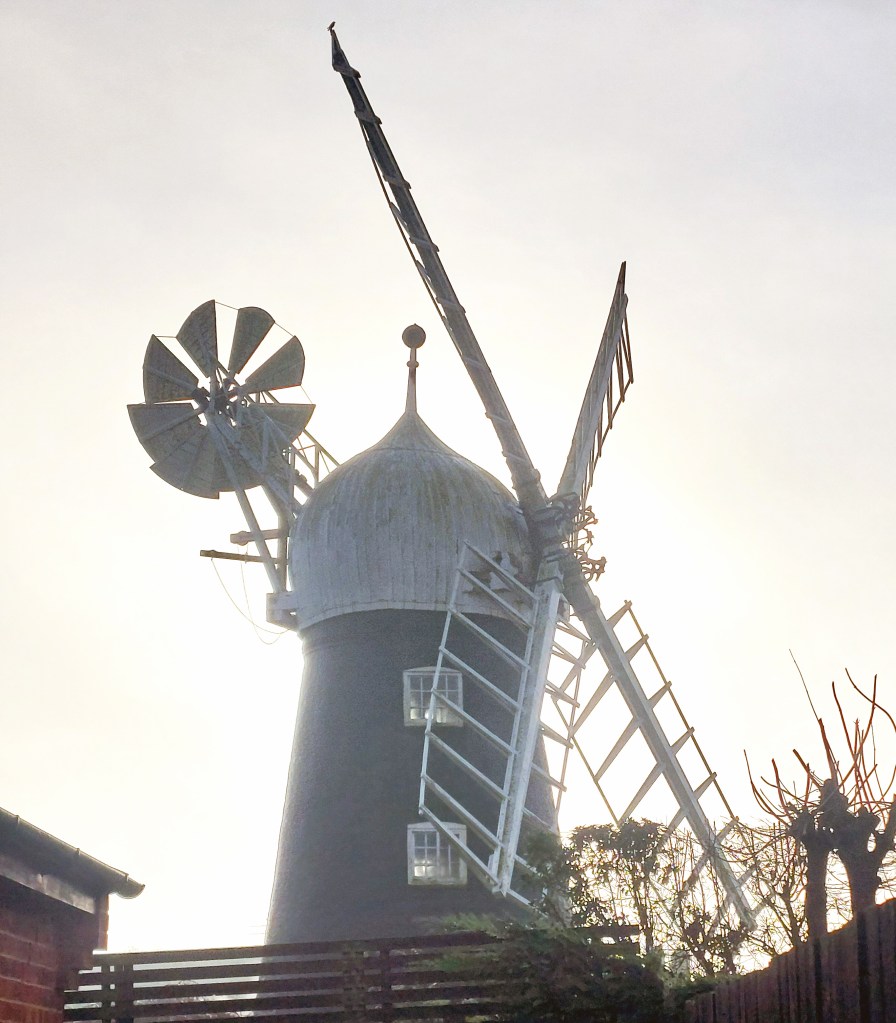
Ellis Mill, which was built in 1798, is the last of nine that once stood on Lincoln’s Yarborough hill and is currently on Historic England’s at-risk register. Lincolnshire County Council, which owns the Grade II listed building, is planning to remove the deteriorating mill cap and sails, and to install a temporary weatherproof structure to maintain its structural integrity, ahead of a decision on repairs. The windmill has only been occasionally open to the public since 2020. A local group has proposed taking over the site. More details here: Lincoln’s ‘at risk’ windmill cap and sails to be removed
The Grade II listed Whitburn Windmill, on South Tyneside, is to have its sails removed due to structural safety concerns. The windmill was damged in a storm over the winter, causing some of the wood to come loose. South Tyneside Council said the sails will be removed in October and its “immediate priority” was to “make the structure safe”. More details here: Whitburn Windmill sails to be removed due to structural concerns
The listed Spa Cliff Lift furnicular in Scarborough was closed in August due to safety fears. North Yorkshire Council, which own the site, said it has taken the difficult decision to close the lift with immediate effect. This followed an independent engineering assessment which identified a number of issues affecting the lift’s aging infrastructure. The council said it will continue to assess the findings and provide further updates in due course. Further details here: Cliff Lift
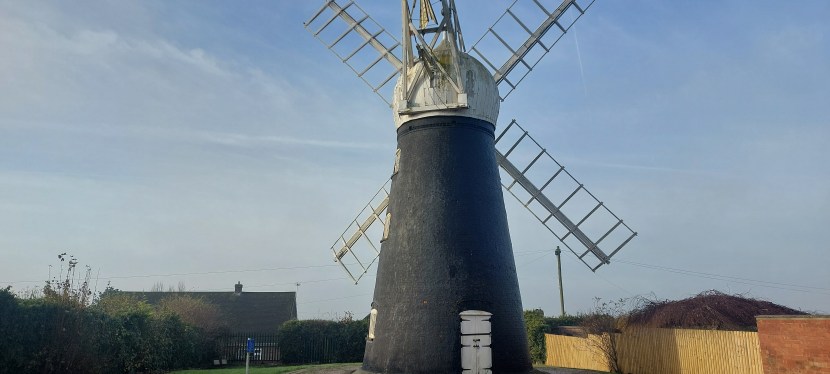
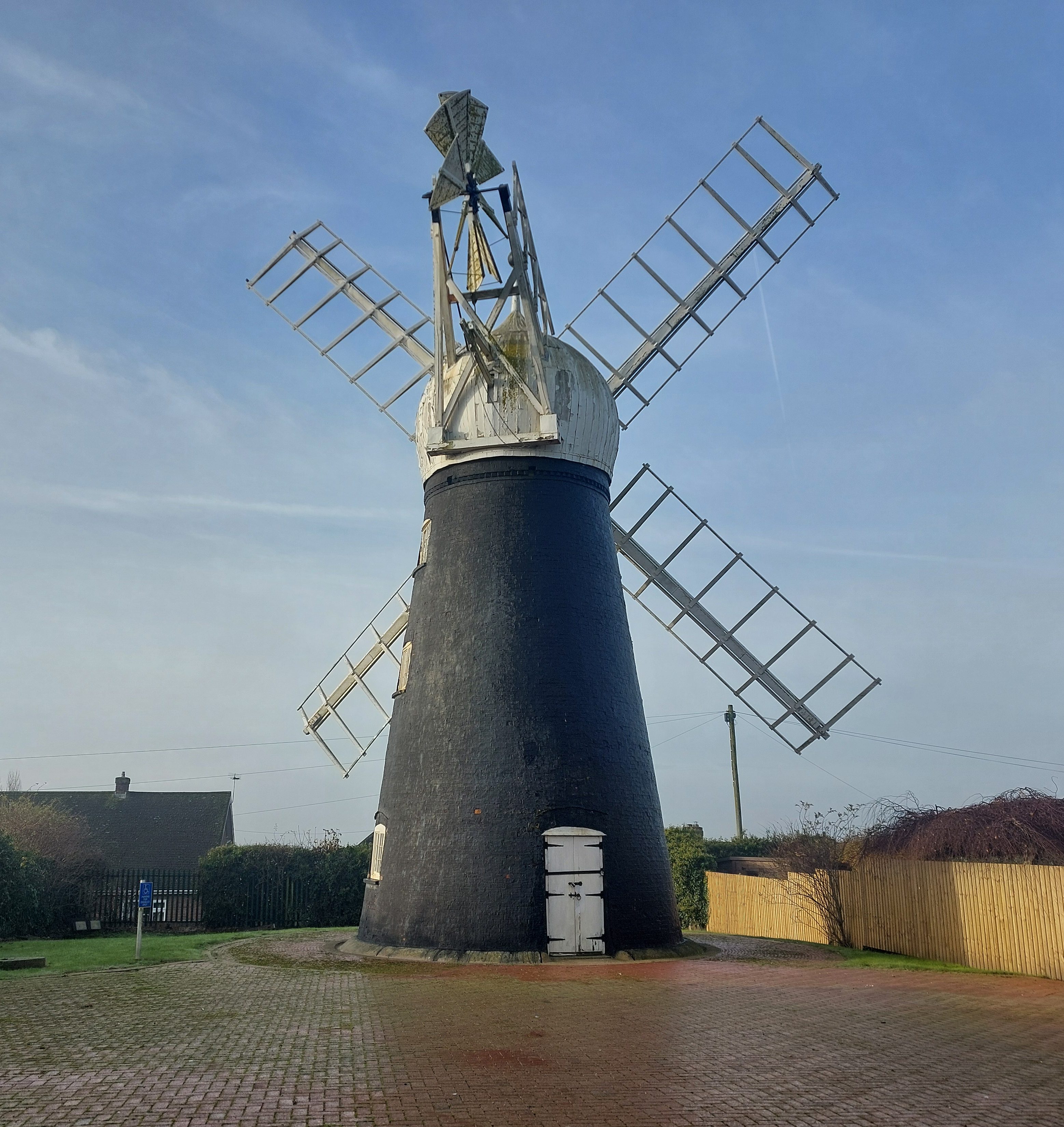
The sails and cap at Ellis Windmill, autumn 2024. Image copyright Dr Michael Nevell.
The Museums Association is running a one-day conference looking at how commercial teams can work more effectively with senior leaders and colleagues in other departments to integrate commercial thinking into core decision-making at museum sites.
Topics covered at this one-day conference, through case studies and panel discussions, include:
practical, creative and achievable ways that your museum can generate sustainable income
ways to create income while staying true to your core mission
how to overcome the challenges of recent years
future trends across retail, e-commerce, events, and corporate hire.
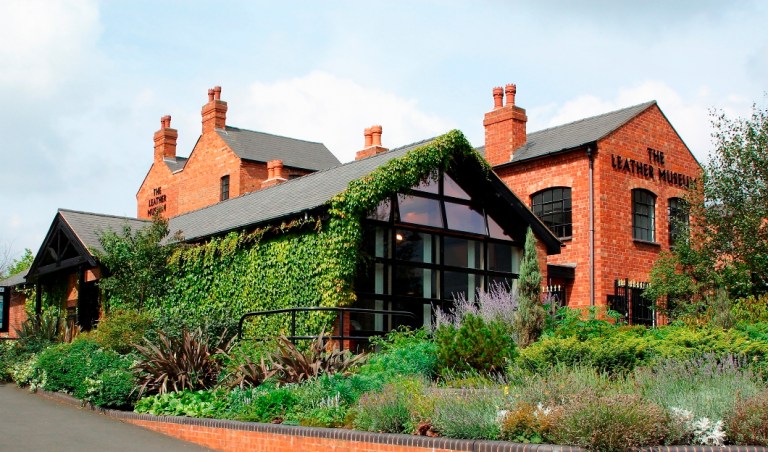
Walsall Council has abandoned plans to relocate the Walsall Leather Museum, closed in April. The new Reform council administration agreed on 24 July to reverse the previous admistration’s decision to relocate the Walsall Leather Museum to the centre of town. Instead, the new council voted to reopen the museum in its current home, a Grade II listed 19th-century leather factory.
The council said that: “The existing museum building is itself a key component of the heritage offer, providing authenticity, historical context and a visitor experience that would be difficult to replicate through relocation. Retaining the museum in its current location presents a strong opportunity to enhance Walsall’s cultural offer while maintaining a direct connection to its industrial heritage.”
One of the campaigners against the move, Lauren Broxton, is quoted by the Museum Association as saying: “After a gruelling 18 months campaigning, we are thrilled by these developments. It has been emotionally and mentally taxing on many of us and we appreciate every share, petition sign, letter, and collective support. On behalf of the campaign group, I want to thank you all for the amazing support you have given us during this time – it has been crucial to reaching this milestone. We still face challenges and obstacles ahead (we are not naive to the almost inevitable likelihood of the Conservative opposition calling this in for scrutiny) and are continuing to work hard to ensure the best outcome is secured.”
The Grade II* listed Ellis Mill, in Lincoln, has been added to Historic England’s Buildings At Risk Register. The site is owned by Lincolnshire County Council. The brick-built tower windmill was erected in 1798 (although its not the first windmill on this site), and was restored in 1977-80. It contains mill machinery assembled from various local windmills.
The windmill is the last of several windmills that once stood on the hilltop north of the city of Lincoln, and is named after the last miller. It operated as recently as 2020 during the COVID pandemic. A survey carried out in 2021 noted more than £500,000 of repair work required, mainly to the roof and sails. According to the BBC, a public meeting held by The Ellis Mill Rescue Group on Thursday 30 July attracted around 150 people. The Ellis Mill Rescue Group submitted a business case for taking over the windmill to the council in March.
Rob Gibson, deputy leader of Lincolnshire County Council, is quoted as saying: “The council owns four windmills – each one is in a different condition with different management arrangements. We are looking at what the options are for each of these sites. We’ve been pleased to have been in talks with interested groups to give the mills a sustainable future and this work is almost completed. A windmill strategy will be proposed for further engagement in the coming months and we will then be in a position to take decisions on how we progress.” The council’s three other windmills are located in Alford, Heckington, and Burgh-le-Marsh.
Arts Council England (ACE) has shared a checklist to support museums in preparing for the challenges and opportunities of Local Government Reorganisation (LGR) during the years 2026-28. This support is designed to help leaders in local authority-owned and operated museum services, as well as independent museums, gather critical information about their museums and services.
The checklist includes operations, risks, responsibilities and value, and will be essential for future planning within new authority structures. It will help museums’ on advocating for their sites and services by looking at: service operations; risks and responsibilities; and the value the museum delivers.
There is also a dedicated section (Action 10) for independent and local authority reliant museums, helping them to strengthen their case and advocate effectively for continued support in the new landscape.
Two funds, which can help restore and re-purpose industrial heritage sites, have been announced by the UK Government.Historic England will distribute the Heritage at Risk Capital Fund as in previous years. The Architectural Heritage Fund will distribute the Heritage Revival Fund in partnership with Historic England.
The Heritage at Risk Capital Fund has opened for a second round. The fund prioritises projects that restore heritage sites serving disadvantaged communities and which demonstrate local benefits. Up to £15 million in funding is available this year (2026), as part of a total £75 million fund. Following the successful first year of the fund, which saw £15 million invested in projects across England, up to £60 million remains available for allocation over the next 4 years, to 2030. Expressions of Interest are now open for the next round of funding. This fund gives grants for the conservation, repair, and conversion of listed buildings of all grades, historic buildings in conservation areas, registered parks and gardens and scheduled monuments.
The Heritage Revival Fund has also opened for a second round. The fund, worth £45 million in total, helps communities to rescue and repurpose historic buildings and transform them to meet modern needs, focusing on regenerating historic buildings in town centre locations. Delivered in partnership with DCMS and Historic England, the AHF will provide grants to hundreds of communities across England, supporting them to take control of and find sustainable new uses for derelict or neglected historic buildings. Focusing on town centres and areas of high deprivation, the Fund will help transform these local heritage assets into vibrant new spaces – ranging from arts centres to cultural and community hubs and affordable housing.
For further details on how to apply follow these links:
This spring three more Industrial Heritage sites in northern England have been awarded grants from a variety of funding sources. These are the Liverpool Martime Museum, the National Railway Museum in York, and the Oswaldtwistle Mills Heritage Centre in Lancashire.
Liverpool’s International Slavery Museum and Maritime Museum have received £19 million from the Department of Culture Media and Sport’s Public Bodies Infrastructure Fund. The Maritime Museum was opened fully to the public in 1986 as part of the regeneration of the Albert Dock. The International Slavery Museum opened in 2007. The new redevelopment of both museums is the cornerstone of National Museums Liverpool’s Waterfront Transformation Project, reimagining the area between Royal Albert Dock and Mann Island, combining storytelling, heritage, community and connectivity in the Grade I-listed buildings – Hartley Pavilion and Dr Martin Luther King Jr Building (previously the Dock Traffic Office). The Maritime Museum will see significant regeneration to enable the museum to show a more comprehensive and coherent vision of Liverpool’s maritime story, with a new entrance and new galleries. Further details here: £19 million funding boost | National Museums Liverpool
The National Railway Museum in York has been awarded an addtional £3 million form the UK Government towards the construction work on the Central Hall, a project planned to increase visitors to the museum. Providing level access throughout the site, Central Hall will unify the museum, with new gallery space highlighting innovative technologies and the impact of the railways on everyday life. Further details here: Central Hall | National Railway Museum
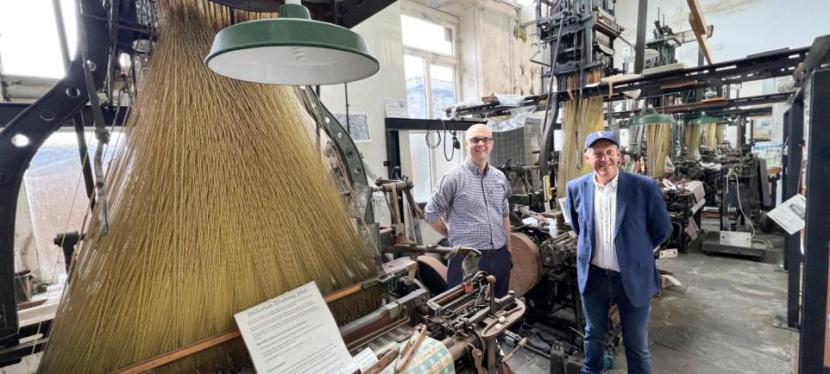
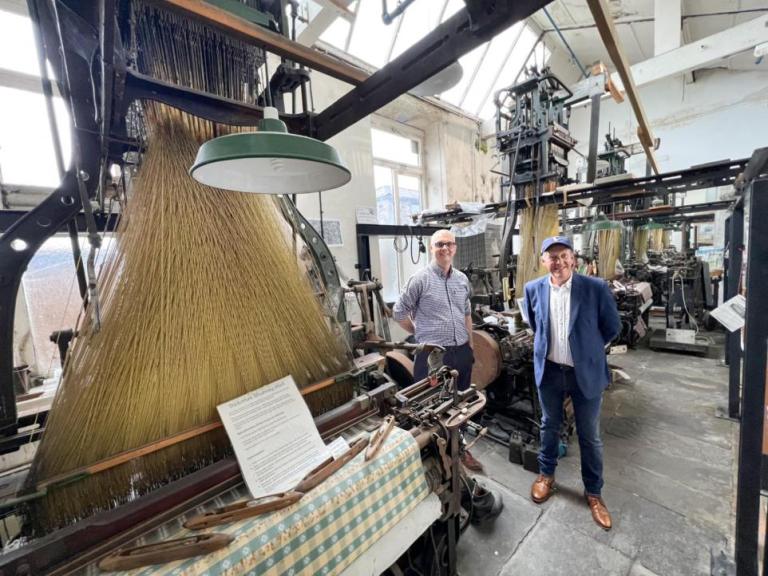
The Oswaldtwistle Mills Heritage Centre in Lancashire, has been awarded £178K from the National Lottery Heritage Fund. The money will be used to conserve, repair, and re-open the listed weaving shed that houses the Oswaldtwistle Heritage Centre, within the former Moscow Mill. Established in 1996, the heritage centre houses historic Jacquard looms, archives, and personal stories that reflect over 177 years of continuous textile production. However, due to roof damage and resulting safety concerns, the centre has been closed for several years. It will transform access to this heritage by working with nine local primary schools to co-create a modern education programme for Years 1 and 2, ensuring young people can connect with their local history. Further details here: Lottery grant to restore Oswaldtwistle Mills Heritage Centre | Lancashire Telegraph
National Heritage Lottery Funding will help to restore and re-open the Oswaldtwistle Heritage Centre in Accrington. Image courtesy of Oswaldtwistle Mills.
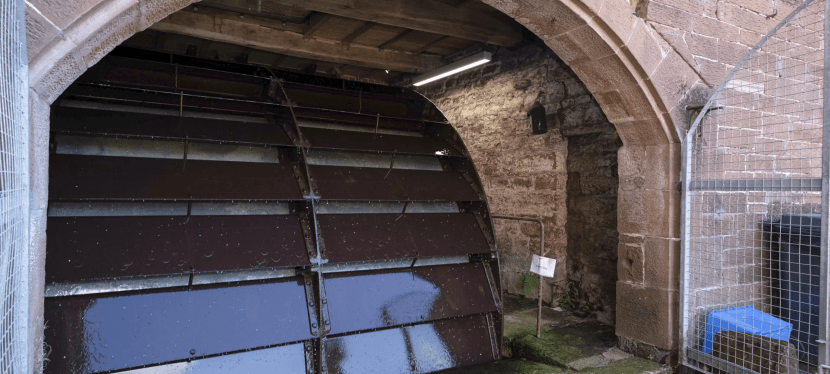
A Cumbrian corn mill is calling for volunteers to help secure its future. Warwick Bridge Corn Mill Ltd, a Community Benefit Society (CBS) which runs the mill as a bakery business, is based within the historic corn mill. It uses UK-grown grain and historic machinery to produce flour, bread, and baked goods for the local community.
Warwick Bridge Corn Mill goes back over 850 years, and the current 18th and 19th century listed mill buildings were restored several years ago. However, its current opperating model is not sustainable without more volunteers, and mill is asking for community support to secure its future through volunteering at the bakery and donations.
The Cultura Trust, formerly North of England Civic Trust, acquired the mill in 2015 and raised nearly £2m to purchase and restore the grade II* listed mill back to full operation, thanks to £1.4m from the The National Lottery Heritage Fund, £187,000 from Historic England, and other grants from Cumbria County Council and a range of charitable trusts and donors. A grant from the Architectural Heritage Fund (AHF) in 1999/2000 had helped establish that a working mill and bakery was a viable proposition, powered by its revived historic water supply. In March 2025, the Cultura Trust handed over the freehold of the historic watermill to Warwick Bridge Corn Mill Limited (WBCML), which has operated the mill as a tenant since 2020.
The Newcomen Society has introduced a Small Grants programme, aimed at organisations who are working in the field of the history of engineering and technology, and are charities, voluntary organisations, or registered archives holding relevant collections. The scheme will initially run for a year, February 2026 to February 2027, before being reviewed.
The new scheme is intended to fund projects which:
Support the collection, cataloguing and preservation of objects and archives about the history of technology.
Promote the display and interpretation of the history of technology.
Encourage and support the publication and wider dissemination of material about the history of technology in a range of formats such as articles, videos, podcasts, conferences etc.
The minimum grant will be £500 and the maximum £10,000, with applications possible throughout the 12 months of the initial scheme. To download an application follow the link below:
Expressions of interest should be made by email or post to the Hon Secretary, The Newcomen Society, P O Box 79326, London SW1P 9NP Email: cosec@newcomen.com