Windmills & Furnicular Facing Temporary Closures

Three industrial heritage sites are facing an uncertain future this autumn. Ellis Mill in Lincoln, Whitburn Windmill in South Tyneside, and the Spa Cliff Lift furnicular in Scarborough are all facing temporary closure.

Ellis Mill, which was built in 1798, is the last of nine that once stood on Lincoln’s Yarborough hill and is currently on Historic England’s at-risk register. Lincolnshire County Council, which owns the Grade II listed building, is planning to remove the deteriorating mill cap and sails, and to install a temporary weatherproof structure to maintain its structural integrity, ahead of a decision on repairs. The windmill has only been occasionally open to the public since 2020. A local group has proposed taking over the site. More details here: Lincoln’s ‘at risk’ windmill cap and sails to be removed

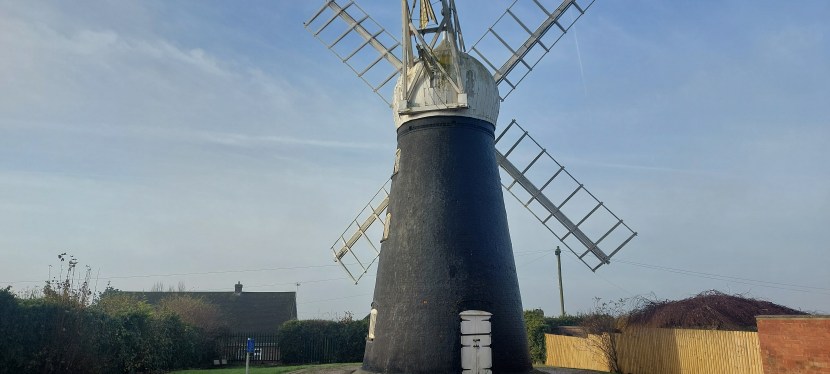
The Grade II listed Whitburn Windmill, on South Tyneside, is to have its sails removed due to structural safety concerns. The windmill was damged in a storm over the winter, causing some of the wood to come loose. South Tyneside Council said the sails will be removed in October and its “immediate priority” was to “make the structure safe”. More details here: Whitburn Windmill sails to be removed due to structural concerns

The listed Spa Cliff Lift furnicular in Scarborough was closed in August due to safety fears. North Yorkshire Council, which own the site, said it has taken the difficult decision to close the lift with immediate effect. This followed an independent engineering assessment which identified a number of issues affecting the lift’s aging infrastructure. The council said it will continue to assess the findings and provide further updates in due course. Further details here: Cliff Lift
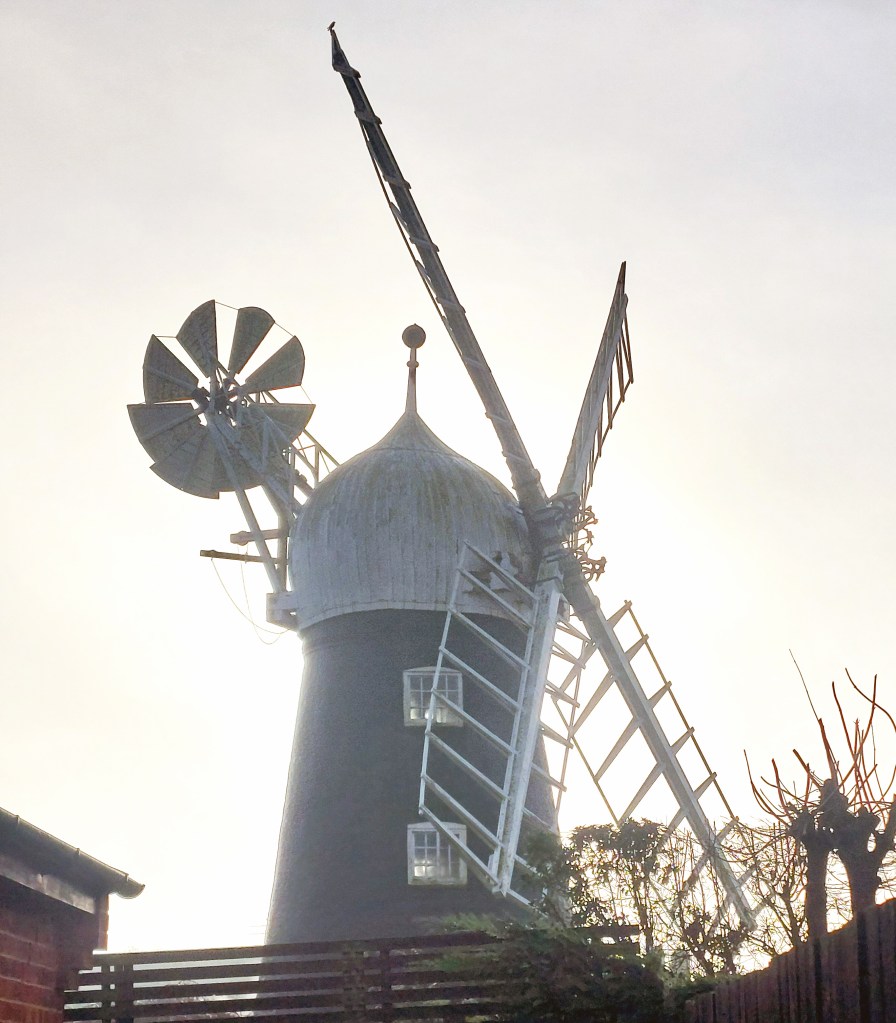
The sails and cap at Ellis Windmill, autumn 2024. Image copyright Dr Michael Nevell.

zs

Shipley Glen Tramway Launches Fundraising Appeal

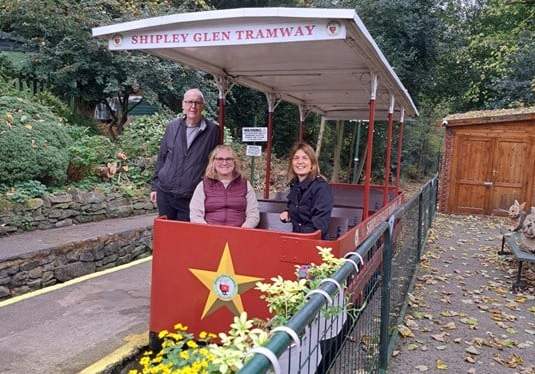
The Shipley Glen Tramway, near Saltaire in West Yorkshire, is launching a fundraising appeal for £89,000, to pay for vital repairs to the trackway after prolonged damage by the weather. It opened in 1895 linking Baildon with Saltaire and is Britain’s oldest working cable tramway. The tramway has two tracks and a pair of tram cars and runs every Sunday between midday and 16:00.

The site has been run by a charitable trust since 2002. Trustee John Pitcher, speaking to the BBC, said that the electrically-powered funicular had been assessed as safe to continue to operate. However, for the works to be carried out it would have to be temporarily closed. “What has happened, over the years, is that the damp has washed away underneath the tracks actually into the track bed, so the track bed is now a little bit unstable. Over the years we’ve maintained it, and you can stick patches on for so long, but there comes a time when you need a little bit more than an Elastoplast.”

More details on how to donate here: https://www.shipleyglentramway.co.uk/

AIM Free Training for Trustees of Volunteer Run-Museums, 2024

AIM’s latest Spark! programme is aimed at supporting trustees of volunteer-run museums to strengthen shared problem solving and build networks of support. If your trustees and Board want to improve their governance and operational activities, then this is the programme for you. Specifically, it aims to strengthen shared problem solving, building networks of support, and working together, through a series of online workshops, action learning sets and individual coaching sessions.

Participants will work through a series of online workshops, action learning sets and individual coaching sessions. This programme is designed for Trustees of volunteer-run museums, though those from museums with a small number of paid staff will also be considered. It is being developed for trustees who have spent some time in role, as opposed to new Trustees who should consider the AIM Trustee Induction workshop.

For more information on this new programme or to make an application, contact Margaret Harrison, AIM Head of Programmes on margaret@aim-museums.co.uk with the following information:

  1. Your name, role, and organisation
  2. The number of Trustees on your Board
  3. What you hope to get out of the programme with regard to your own and the Board’s governance effectiveness
  4. Describe your Board’s working relationship with your Director
  5. Outline your organisation’s key governance challenge over the last twelve months

Deadline for applications: Monday 8 January 2024.

Big Heritage Take Over the Running of the Wirral Transport Museum

The management of the Wirral Transport Museum, which is owned by Wirral Council and is based on Taylor Street in Birkenhead, is being transferred to Big Heritage, a not-for-profit Community Interest Company. It currently costs the council around £85,000 a year but the transfer to will mean that Big Heritage will take over the costs of running the museum. Big Heritage already run visitor attractions in nearby Chester and Liverpool.

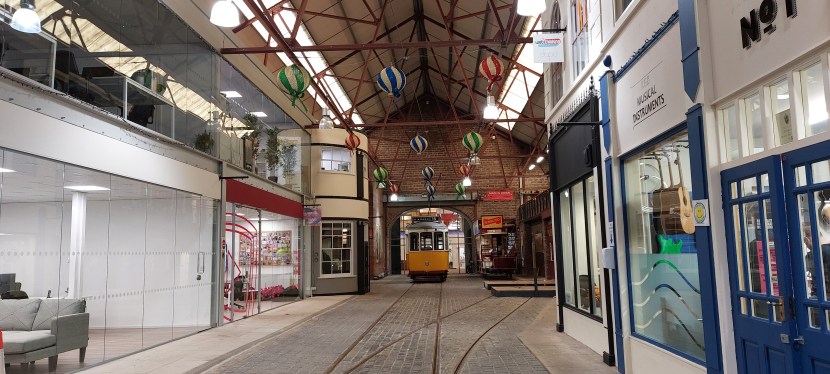
The Council has signed a 25-year lease with Big Heritage, whose intention is to create a “compelling visitor attraction” and bring in more than 40,000 visitors a year. Currently the museum only welcomes around 6,000 visitors a year. The Wirral Transport Museum was opened by the local council in 1995 and features nine historic trams, as well as buses, cars, and motorbikes. A preserved section of tram runs for 1km to the Woodside Ferry Terminal. Trams first ran in Birkenhead in 1860, making the network the first street tramway in Europe.

Rob Jones, Secretary of the Merseyside Tramway Preservation Society Limited (MTPS), who have run the site since 2014 with 50 volunteers, said: “Our main concern has been knowing what are we charging for people to come in, who are asking us questions that we really don’t know the answer to. That worries our members.

“I am all for the Big Heritage asset transfer. I’m 68 and I’m one of the younger people in the group.” The volunteers will still be involved in the running of the museum. For further details of the museum and the tramway trust follow this link: http://www.mtps.co.uk/Transportmuseum.html

Welcome to the Seaton Tramway – the Newest Addition to Our Cornwall & Devon IHN

Seaton Tramway is the trading name of Modern Electric Tramways Ltd and is a registered charity (number 1164157). Sited in the UNESCO Jurassic Coast World Heritage Site and laid on the track bed of the former British Rail Seaton Branch, the Tramway opened to the public in August 1970.

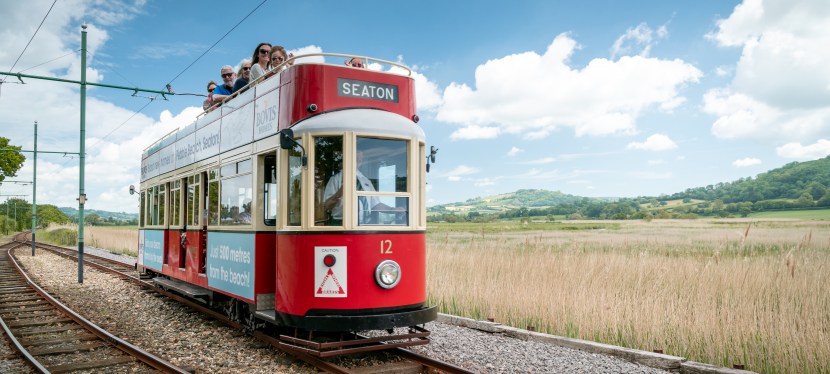
It is the only 2’9″ gauge railway/tramway in operation, with a fleet of 14 heritage trams, including unique open-top double decker trams and single deck heritage trams from the early 20th century. The trams travel a 3-mile stretch between Seaton, Colyford and Colyton in East Devon’s Axe Valley, alongside the River Axe estuary through two nature reserves and giving an unrivalled view of the abundant wading bird life.

Image courtesy of the Seaton Tramway