Petition Opened to Stop the Closure of the Walsall Leather Museum

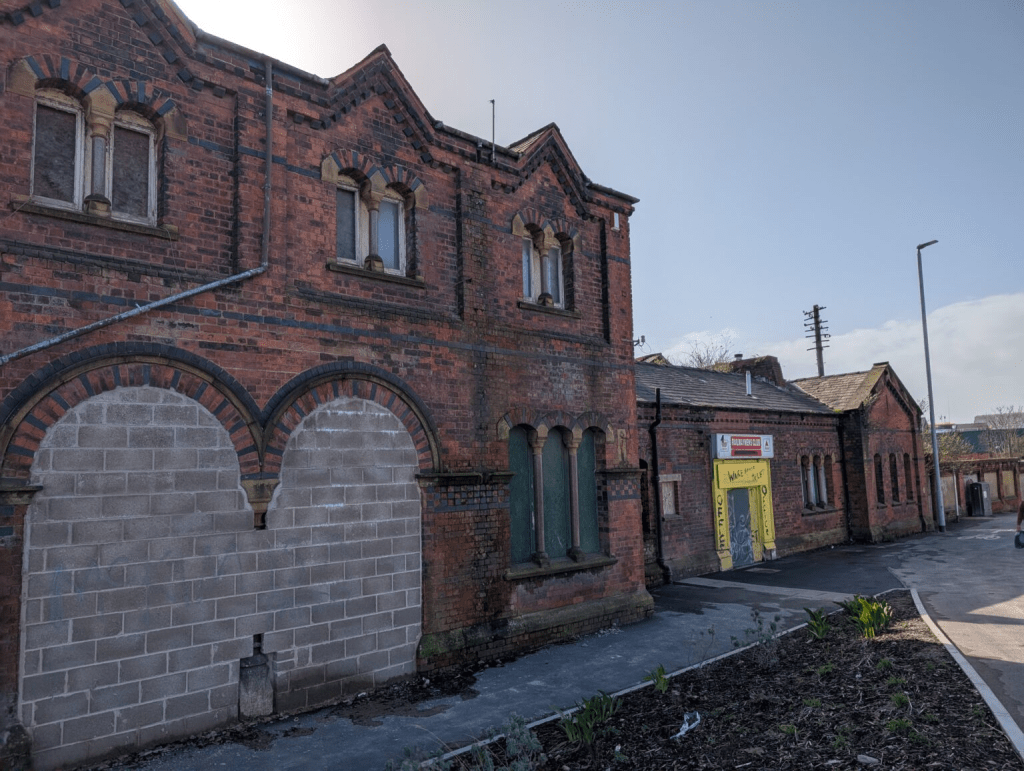
A campaign has been set up to persuade Walsall Council not to close the Walsall Leather Museum. In September Walsall Council announced that Walsall Leather Museum will close next year (2026), despite a stay of execution earlier this year. They have approved plans for finding and purchasing a new town centre building for the museum and to sell off the existing museum building, itself a former leather works in Littleton Street West, to the nearby Walsall College.

The petition, which was launched at the beginning of November, accuses the council of “silently stripping away a cherished historical community asset that belongs to all of us”, and adds that “this decision is being made behind closed doors, with no meaningful public consultation and no transparency about how or when these choices were or are made. They have no formal plans to provide an alternative building or protect the museum’s historic collections.”

You can view the petition here: https://www.change.org/p/stop-the-closure-of-walsall-leather-museum?fbclid=IwY2xjawOAFPFleHRuA2FlbQIxMQBzcnRjBmFwcF9pZBAyMjIwMzkxNzg4MjAwODkyAAEeL5Bk-Bk9UQ43lgNee6A3W3BBJV7NMeeGP2WAhyHwfvmwBIOd5gplTNj7lzA_aem_0shgQFPzBOMV9TAKuQvQ2w

DCMS Report Highlights the Impact of Local Authority Funding Cuts on Heritage Organisations in England

The Department for Culture, Media and Sport (DCMS) has released a new report that compiles evidence on the budgetary pressures facing England’s heritage sector, using a regional case study approach focussing on local and combined authority funding in West Yorkshire. The findings will be familiar to many industrial heritage sites.

The report outlines how over a decade of local authority funding cuts, alongside the loss of EU funding and the continuing effects of the pandemic, have placed significant pressure on small to medium-sized heritage organisations. While some have adapted through asset transfers, income diversification, and new governance models, others, particularly organisations in deprived regional areas, reliant on volunteers, or working with rural or intangible heritage, face an increasingly uncertain future.

The findings show, that since 2010 there has been a notable decline in local authority support for heritage, the limited long-term impact of project-based grants for smaller organisations, the essential role of support networks, and the close relationship between place and heritage. Thus, Local Authorities, the main providers of heritage services in their areas, have seen real-term cuts of up to 49% in central government grants since 2010, alongside a 35% fall in cultural service spending, and a 36% per capita reduction in planning, environmental, and cultural expenditure.

At the same time, the Department for Digital, Culture, Media and Sport (DCMS) reported real-term reductions of up to 24% durign the years 2011–2015. These cuts have led to closures, reduced opening hours, and the scaling back of public programmes, particularly in more deprived areas.

The impacts reported differ significantly by location and heritage type. Urban and asset-based heritage were found to often attract regeneration-linked investment, while rural and intangible heritage remain underserved and under-researched. The report also noted that there is evidence to show that funding cuts risk diminishing social cohesion and wellbeing, especially where heritage spaces serve critical civic and educational roles.

You can read the full report here. 

Industrial Museums Amongst Museum Renewal Fund Recipients

Seventy-five civic museums across England will share £20m through the UK Government’s Museum Renewal Fund. The monies will be distributed Arts Council England. The funding forms part of the £270 million ‘Arts Everywhere Fund’ launched in February 2025. The funding will be used by museums to support work towards stabilising their financial situation and building towards sustainable and thriving futures. It must be spent by the end of January 2026.

Local authority and other civic musuems services with industrial sites receiving more than £5 million in funding include:

  • Barnsley Museums (£266,273)
  • Birmingham Museums Trust (£994,742)
  • Bradford Museums and Galleries (£125,000)
  • Bridport Museum Trust (£29,218)
  • Bristol Museums (£495,320)
  • Chatham Historic Dockyard Trust (£533,084)
  • Dean Heritage Centre (Forest of Dean) (£58,285)
  • Derby Museums (£799,700)
  • Leeds Museums and Galleries (£952,000)
  • Museum of Royal Worcester CIO (£228,343)
  • Norfolk Museums Service (£360,000)
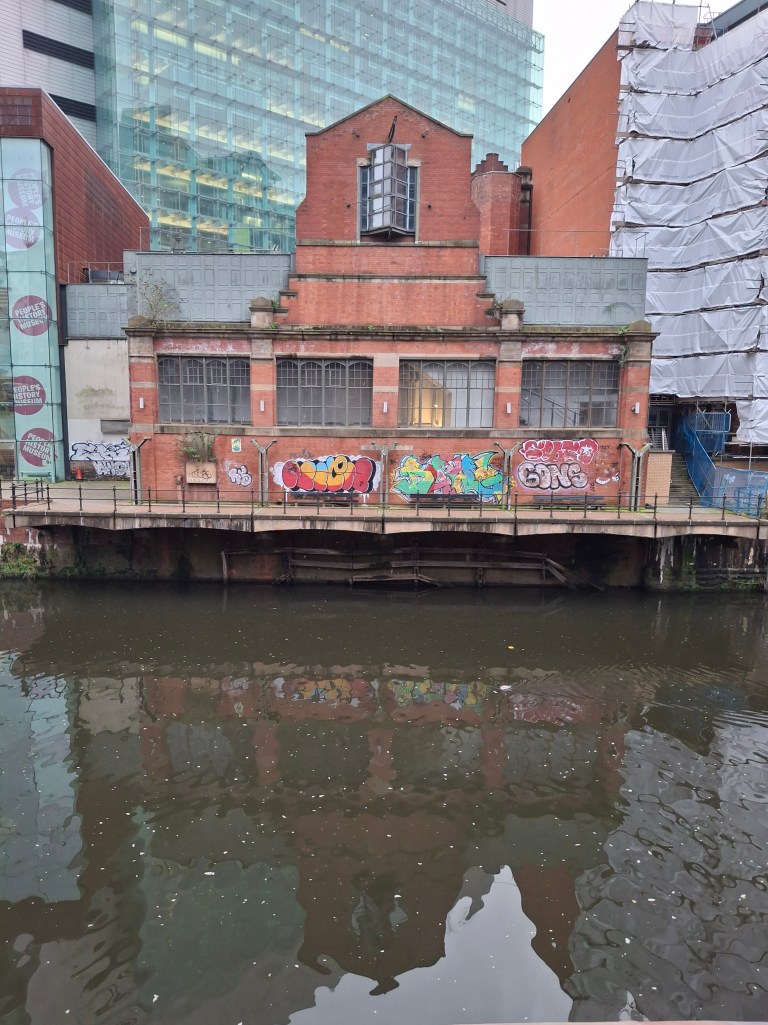
  • People’s History Museum (Manchester) (£652,157)
  • The Food Museum (£351,112)
  • The World of Glass (St Helens) (£286,000)

The full list of museums supported, and further details, can be found here: https://www.artscouncil.org.uk/creative-matters/news/museum-renewal-fund-stabilising-now-building-future

Dean Heritage Centre, Forest of Dean. Image courset of Dean Heritage Centre.

Walsall’s Leather Museum Will Close, Afterall

Walsall Council has announced that Walsall Leather Museum will close next year (2026), despite a stay of execution earlier this year. The Council met on Wednesday, September 24, to approve plans for purchasing a new town centre building for the museum and to sell off the existing museum building, it self a former leather works in Littleton Street West, to the nearby Walsall College.

In February a petition against any sale, closure, or relocation of the Museum attracted 6,491 signatures and hundreds of people attended a demonstration and march at the time to oppose the closure. The Council cabinet announced on February 12 that Walsall Leather Museum would remain open in its current location to allow them to meet with stakeholders, deferring any decision until 2026. However, this new decision means that the museum will close without any new premsies being identified and without a long term plan for the contents of the museum.

Further details here: ttps://www.expressandstar.com/entertainment/attractions/2025/09/25/youre-destroying-the-cultural-heritage-of-walsall-by-moving-the-leather-museum-says-mp/

Walsdall Leather Museum. Image courtesy of Walsall Letaher Museum.

New ‘Spaces, Places and Belonging’ Community Hub Funding to Launch

The National Archives, in partnership with Leeds Museums & Galleries, The National Library of Wales, and the Community Archives & Heritage Group, is launching a new national grant progamme for libraries and museums called the ‘Spaces, Places and Belonging’ Community Hub.

Funded by the Arts & Humanites Research Council, the Community Hub will support inclusive, community-led, research across the UK’s galleries, libraries, archives, and museums and heritage sectors,so will be of interest to industrial heritage sites. There will be three grant schemes available, totalling £550,000 (click the blue links for more detail):

A programme of training, digital skills development, and network-building will run to support these grants. The Community Hub will also create a permanent digital platform to share resources, learning, and best practice.

Applications for Seed Corn Grants and Skills Bursaries open on the Monday 15 September 2025. There will be a launch webinar on Wednesday 17 September 2025 to take you through each grant scheme in detail, covering everything from eligibility, to assessment criteria, to budgets. There will also be a Q&A at the end to enable you to ask any extra questions you may have about this programme.

To book a place on the 17 September launch webinar follow this link to Eventbrite: https://www.eventbrite.co.uk/e/spaces-places-and-belonging-community-hub-launch-webinar-tickets-1524899849499

Arts Council England National Lottery Project Grants

Arst Council England (ACE) is encouraging museums, especially museums within Priority Places, (where there are many industrial heritage sites) to apply for their National Lottery Project Grants (Project Grants) scheme. This is an open access programme for arts, libraries, and museums project funding. Grants range from £1,000 to over £100,000; they are divided into applications for under £30,000, applications for £30,001 to £100,000 and applications for £100,001 and over.

  • Unlocking Collections: This is a time limited priority, the deadline for applications has been extended until November 2025, ACE is prioritising and encouraging museums to apply for activity to develop their collections-based work and increase public engagement with, and use of, their collections. Funding could support: reinterpretation of collections; collections review; digital skills development
  • Place Partnership Fund: ACE’s Place Partnership Fund is to support partnerships that aim to make a step change in the cultural and creative opportunities in the applicants area. It’s open to everyone but may be of particular interest to organisations in ACE’s Priority Places or DCMS’s Levelling Up for Culture Places.

Further details here:

https://www.artscouncil.org.uk/ProjectGrants

Lancashire Mining Museum Secures NHLF Grant

The Lancashire Mining Museum at Astley, Wigan, had been awarded a grant of nearly £200,000 from the National Lottery Heritage Fund. The funding will be used to safeguard the ‘unique’ winding house of the former Astley Green Colliery in Wigan. The site’s 98ft high headgear is a prominent feature of the surrounding landscape.

The museum has also secured additional contributions from the Association for Industrial Archaeology, the Arts Council, Awards for All, the Pilgrim Trust, and Wigan Council, bringing the grant total to over £360,000. Sunk in 1908 to exploit coal reserves in the south Lancashire Coalfield, the colliery had a lifespan of only 62 years, finally closing in 1970. Because of its short and relatively recent history, a considerable number of written and photographic records have survived. The site includes a 98ft winding headgear, winding engine, colliery cottages, and a miner’s canteen.

Further details about the museum here: https://lancashireminingmuseum.lexington-staging-site.co.uk/visit-us

The Headgear at the Lancashire Mining Museum (Astley Pit). Image copyright Dr Michael Nevell.

Industrial Heritage Sites Benefit from New Conservation Grants

Industrial Heritage sites in England are amongst 37 heritage sites set to receive £15 million in funding as a part of the Government’s ‘Heritage At Risk’ fund. The funding will go towards repair works and the conservation of heritage buildings at risk, and is a part of the Government’s £270 million ‘Arts Everywhere Fund’. The fund has prioritised projects that will restore heritage sites serving disadvantaged communities and which demonstrate strong local benefits, from job creation to cultural events.

The industrial sites receiving funding are:

  • Woodhorn Colliery Shaft Heads, Ashington, Northumberland – £997,265 
  • National Waterways Museum, Ellesmere Port – £250,000
  • Treadgolds, Portsea, Portsmouth – £485,200
  • The Folk Pin Factory (Grade II), Gloucester Civic Trust – £142,871

Follow this link for further details: https://www.gov.uk/government/news/37-local-heritage-sites-to-benefit-from-15-million-boost-to-breathe-new-life-into-communities-across-england

National Waterways Museum, Ellesmere Port, is owned and run by the Canal & River Trust. Image copyright Dr Michael Nevell.

Energy Resilience Fund 2025

The Energy Resilience Fund (ERF) provides a blended funding package of loan (60%) and grant (40%) to bolster the energy resilience of eligible charities and social enterprises in England.   The Fund is the successor to the pilot Energy Resilience Fund managed by Key Fund and its primary purpose is to enable the supply of renewable energy to an organisation’s own building (s). Many industrial heritage sites may find that they qualify and are suitable for such a fund.

The Fund is delivered by a partnership made up of Social Investment BusinessBig Issue InvestCharity BankCo-operative and Community Finance, Groundwork UK,Key FundResonance LtdThe Architectural Heritage Fund, and The Ubele Initiative. 

Applicants must have fewer than 250 employees, £35m assets, or £40m turnover, but a turnover of more than £100,000, and be based primarily in England. For further details follow this link:

Cheddleton Flint Mill to Host ‘Flint Garretaw: Music at the Mill’ Fundraising Event

On the 28th June 2025 the Cheddleton Flint Mill Industrial Heritage Trust will be hosting a live music festival at the listed 18th century bone mill. This is a festival fundraiser to mark the centenary of the Garretaw carnival on the Caldon Canal in 1925, hence the ‘Flint Garretaw’ naming.

The festival village will be situated on the Flint Mill car park between the river and the canal with a specially built stage utilising the Mill as a uniquely lit backdrop to an afternoon and evening of music and various activities with both water wheels turning. All proceeds from this event go to the charity Cheddleton Flint Mill Industrial Heritage Trust. (Registered Charity No: 254196)

Book your place via any of the following:

Online: https://wegottickets.com/event/654925

Or in person at Cheddleton Flint Mill (open Mondays & Wednesdays).

All enquiries: flintgarretaw@gmail.com

Cheddleton Flint Mill is a fine example of a water mill that ground flint for the local Staffordshire pottery industry. The site features two listed water mills, a small museum, a period cottage, the canal, and many other exhibits. The site is open to the public and is run by The Cheddleton Flint Mill Industrial Heritage Trust which was formed in 1967.