Woodhorn Mining Museum Celebrates 20th Anniversary Whilst Looking to a Renewable Future

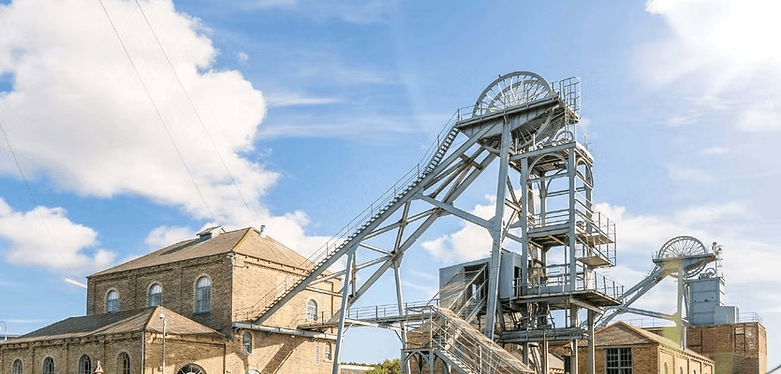
Woodhorn Museum, a mining museum in North East England, is marking 20 years this October since it re-opened, after a £16m redevelopment which created exhibition spaces, community, and learning facilities and a cafe. The renovation also restored the colliery’s two heapsteads or pit heads, which are again undergoing restoration work. Since 2025 the former colliery has been run by North East Museums, which runs 12 museums across the region.

The 2006 scheme included the opening of the Cutter Building, which became a permanent home for the Ashington Group (also known as the Pitmen Painters) collection of artworks, alongside the collections of Northumberland Archives. The Woodhorn Museum, which is located in what was once the largest pit village in the world, chronicles the life of the Ashington coalmining community. Jo Raw, Northumberland venues manager for North East Museums, said: “Completing the restoration of the heapsteads makes this anniversary particularly special, allowing us to protect an important part of our industrial heritage while reopening more of the historic site for visitors to enjoy.”

The site is also looking to develop a low carbon future. It is part of the Borderlands Energy Investment Programme (BEIP) which aims to provide a strategic opportunity to accelerate the region’s transition to net zero. Across a range of sites it will seek to reduce carbon emissions, strengthen energy resilience, and create new green jobs and skills in South Scotland and the North of England.

The ‘Powering the Past and the Future’ project at Woodhorn Museum is led by Northumberland County Council, and will install ground source heat pumps (GSHP), solar panels, LED lighting upgrades, solar carports and battery storage at the former colliery. Using the region’s industrial heritage, it will showcase the economic and environmental benefits of low-carbon technologies, reduce the museum’s carbon footprint and energy costs, enhance the visitor experience, and support local STEM education.

Further details of this new project can be found here: Borderlands Energy Investment Programme
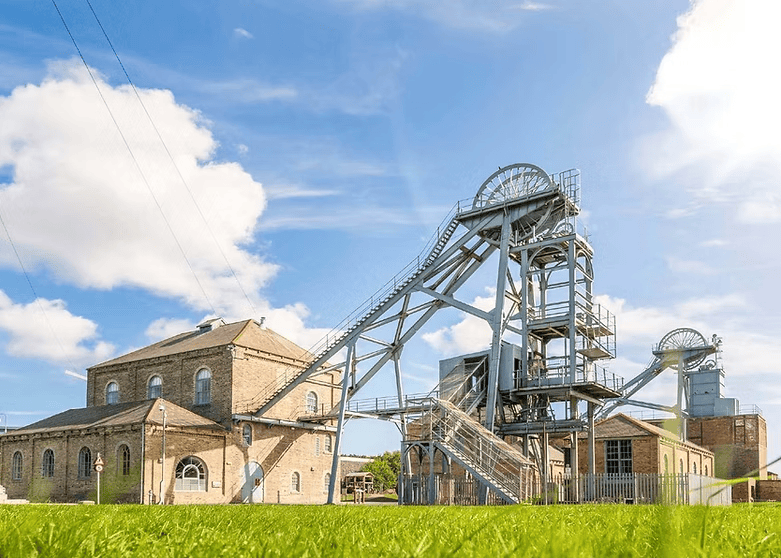
The heapsteads at Woodhorn Museum. Image courtesy of North East Museums.

New Industrial Heritage Exhibitions for Spring 2026

Each year there are a range of new and temporary exhibitions on industrial heritage and archaeology put on by dozens of industrial heritage sites across England. Spring 2026 sees three new industrial heritage exhibitions open to the public covering coal, salt, and textiles.

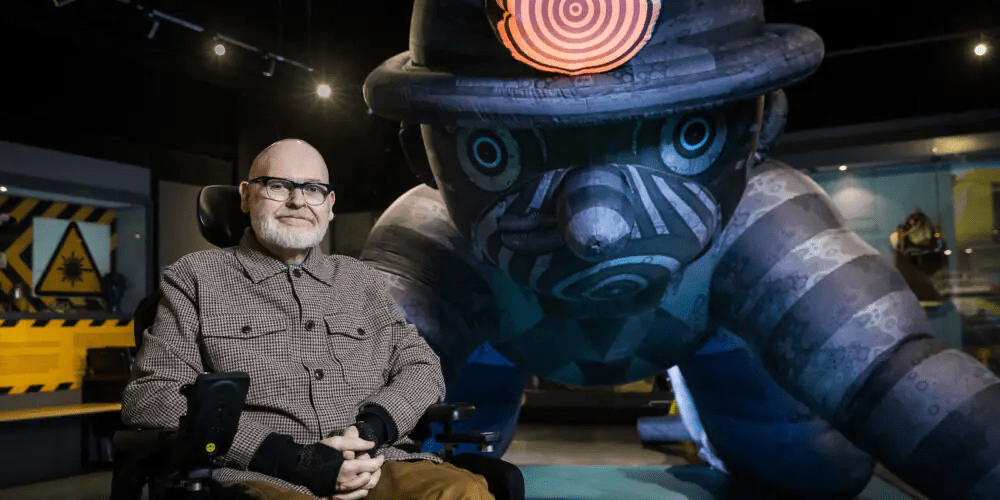
“Jason and the Coal Mining Adventure”, is on from the spring to the autumn, 27 March to 4 October, at the National Coal Mining Museum, Wakefield. It is a colourful and immersive reimagining of Britain’s mining history and the communities at its heart.

The “Untangled”, exhibition runs from 23 May to 6 June, at Leeds Industrial Museum. The new exhibition, from the International Felt Makers Association Region Ten, celebrates the connections between nature and industry through textiles.

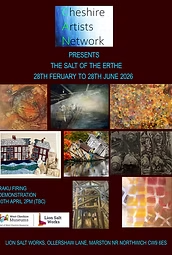
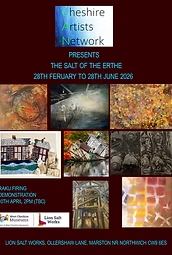
Lastly, “The Salt of the Erthe”, exhibition runs from 26 February to 28 June 2026, at the Lion Salt Works, Northwich, and celebates Cheshire’s salt heritage.

North West Industrial Heritage Network Meeting, 17 October

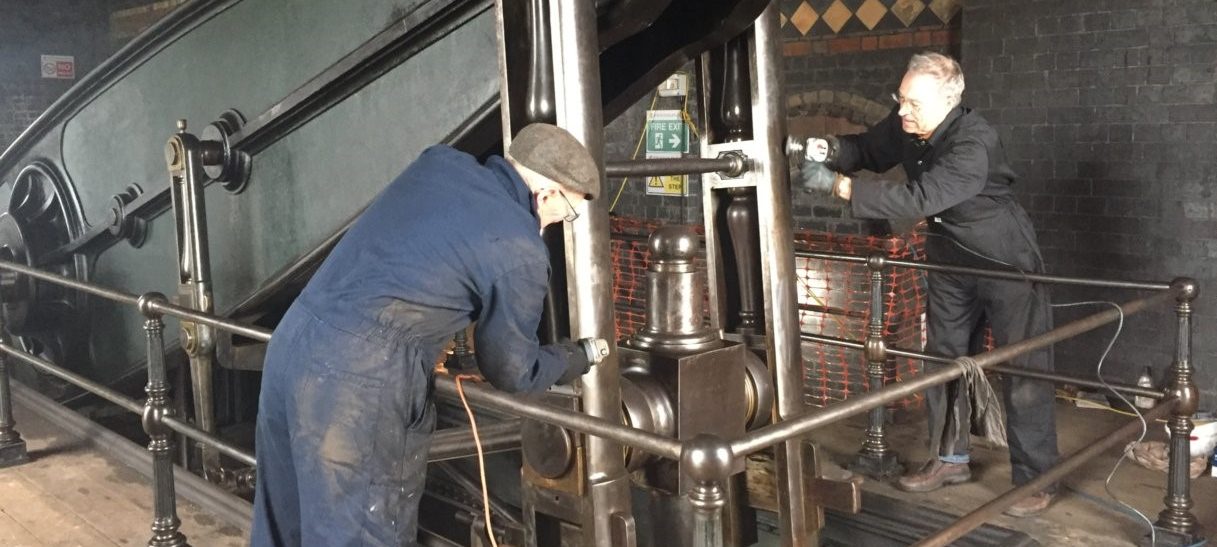
The next in-person North West Industrial Heritage Network meeting will be held at the Lancashire Mining Museum, Astley, Wigan, on the 17th October, from 11am to 1pm. This will be followed, after lunch (please bring your own), by a tour of the site (2pm to 3pm). The themes for the 2025-26 IHN meetings are conservation and maintenance.

All IHN members are very welcome to attend. To book a place follow this link:

https://www.eventbrite.co.uk/e/north-west-industrial-heritage-network-tickets-1716173072859?aff=oddtdtcreator

The Lancashire Mining Musuem, which is entirely voluntary run, has origins going back to the 1970s, and first opened to the public in 1982, re-using buildings from the former Astley Pit, which closed in 1970. The museum has the last surviving headgear and winding house in the whole Lancashire coalfield. Apart from the steam winding engine and headgear, the museum also houses many exhibits, not least of which is the collection of 28 colliery locomotives, the largest collection of its type in the United Kingdom.

More details about the museum here: https://lancashireminingmuseum.org/

Historic England Webinar on Industrial Elsecar Now Available

The recording of Historic England’s recent industrial heritage webinar on the Elsecar Heritage Action Zone is now available to view on-line. It provides an overview of the project, which ran from 2017 to 2020, including the research programme, protection and management strategies, community outreach and engagement, and how Barnsley Museums are building on this legacy with an ambitious programme and vision for the village.

Elsecar is an industrial estate village of the later 18th and 19th century near Barnsley. It retains important buildings relating to the coal and iron industries from this period, as well as extensive workers’ housing. The first major colliery, Elsecar Old, was sunk in 1750 and taken over by the Marquis of Rockingham in 1752. The small village next door was then transformed from the 1790s at the direction of the 4th Earl of Fitzwilliam of Wentworth Woodhouse, with the sinking of its first deep colliery (which retains its original Newcomen pumping engine in situ), the cutting of a canal, the building of two ironworks and associated housing designed by architect John Carr of York. Elsecar is thus one of the first model industrial villages in the UK.

Follow this link to watch the webinar: https://historicengland.org.uk/services-skills/training-skills/training/webinars/recordings/industrial-heritage-webinar-5-elsecar-barnsley-south-yorkshire/.

This is one of a series of industrial heritage themed webinars run by Historic England. The recordings of the other four industrial heritage webinars can be found here – https://historicengland.org.uk/services-skills/training-skills/training/webinars/recordings/#previoushelmwebinars.