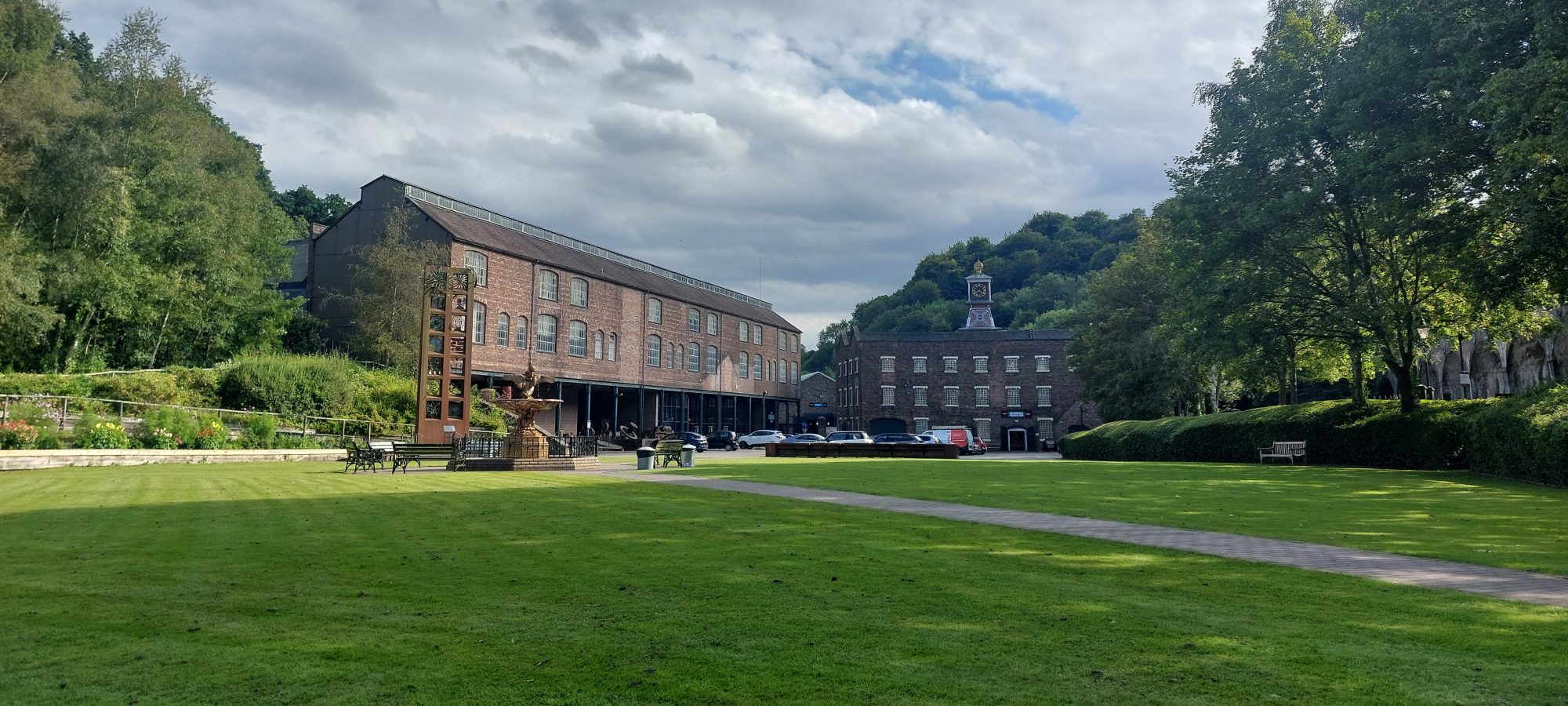


A new report on Industrial Heritage Sites in England in 2026, commissioned by Historic England and the Ironbridge Gorge Museum Trust, has been published. This report, by Heritage Innovation, examines the resilience and sustainability of designated industrial heritage sites across England.
Focussing on designated industrial heritage sites that are accessible and interpreted to the public in England, it is a major update on two previous English Heritage (now Historic England) commissioned reports, carried out in 1998 (by PLB Consulting Ltd) and 2008 (by the late Sir Neil Cossons). Drawing on desk-based research, questionnaires and interviews, its emphasis is on industrial sites open as heritage attractions, including both museums and monuments. There are sections on:
- ownership
- governance
- function
- finance
- management
- access
- conservation
- interpretation
- and marketing
Having considered the findings, it concludes with a series of ten recommendations. These include strengthening advocacy, increased support for the IHSO project, revitalising volunteering, developing technical skills, continued sector monitoring, exploring new approaches to governance and funding, and researching heritage fuels. It also calls for a strategic review to set priorities for the industrial heritage sector over the next 25 years.
The report and its findings will help take forward the work of the Historic England-funded Industrial Heritage Support Officer (IHSO) project, hosted by the Ironbridge Gorge | National Trust (further details on the project here – https://industrialheritagesupport.com/ (this current website) and https://industrialheritagenetworks.com/). The IHSO project is also supported by the The Association for Industrial Archaeology.
Dr Mike Nevell, IHSO, thanked Heritage Innovations for their hard work in pulling together data from a very varied sector, noting that ‘this is the first study of the industrial hertiage sector in a generation. Its findings and recommendations will be of considerable interest to all those involved in the care and public presentation of England’s industrial heritage, especially local authorities and other public bodies, charitable trusts, and volunteer groups’.
To download the report follow this link: https://historicengland.org.uk/research/current/discover-and-understand/industry-and-infrastructure/industrial-heritage-in-england/.
Further details about Heritage Innovation’s other work can be found here: Heritage Innovation | Cultural Heritage Consultancy UK