National Trust to Re-open Two More Ironbridge Gorge Museums for September 2026 Heritage Open Days

The National Trust will be re-opening two more Ironbridge Gorge museums in September, as part of the Heritage Open Days events. The Broseley Pipe Works and the Coalport China Museum will be free to explore everyday working lives in partnership with Findmypast as part of the Industrious Women theme. The female work force played an integral part in the ceramic industries, and this event will allow you to not only explore the lives of ordinary working women but also access the Findmypast website to begin to explore your own family history.

Broseley Pipe Works will be open on 11-13 September and 18-20 September for pre-booked guided tours. Guided tours will run on the hour from 11 – 3pm. NT Ironbridge Gorge will also have a copy of a wages ledger from the early 20th century on display along with other archive material.  Pre-booking is essential as car parking spaces are limited.

The Coalport China Museum will open 11-13 September and 18-20 of September for pre-booked visits from 10am to 4pm and there will be curator talks and demonstrations, as well as the opportunity to see archive material. Pre-booking is essential as car parking spaces are limited.

To book follow these links:

Industrious Women (Broseley Pipe Works)
Industrious Women (Coalport)

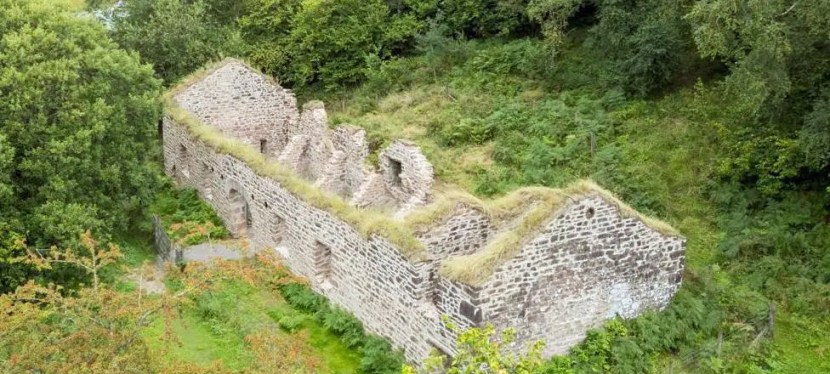
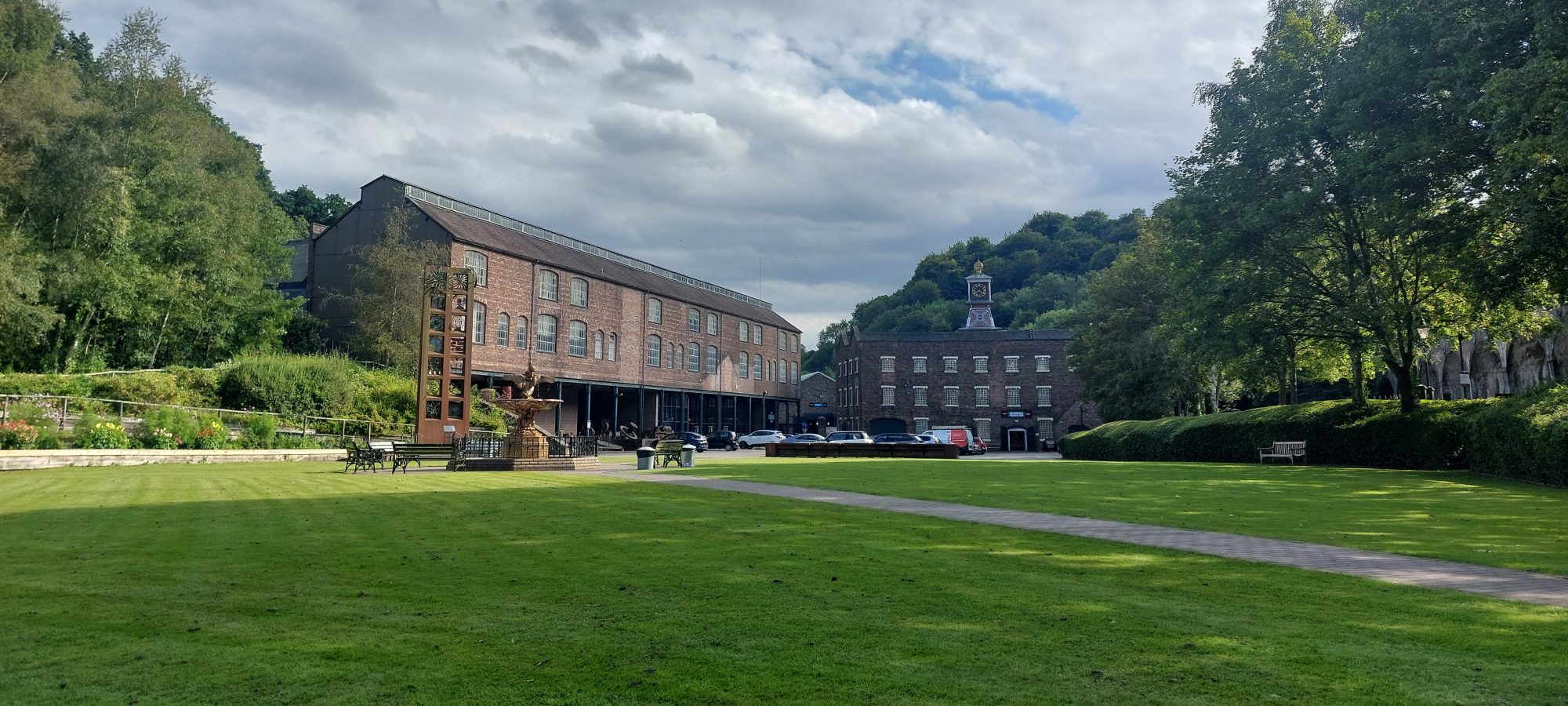
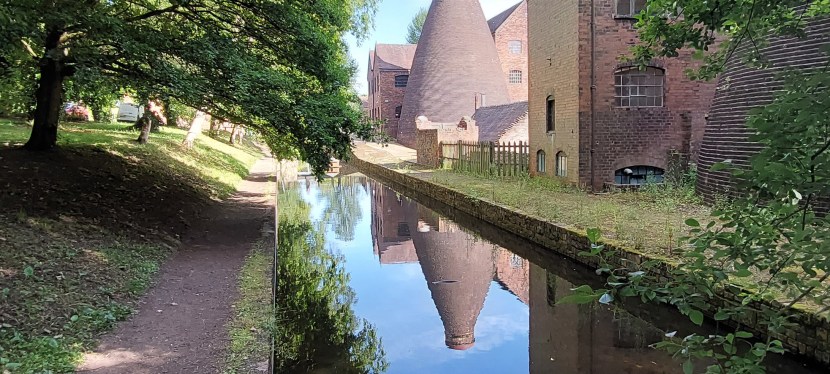
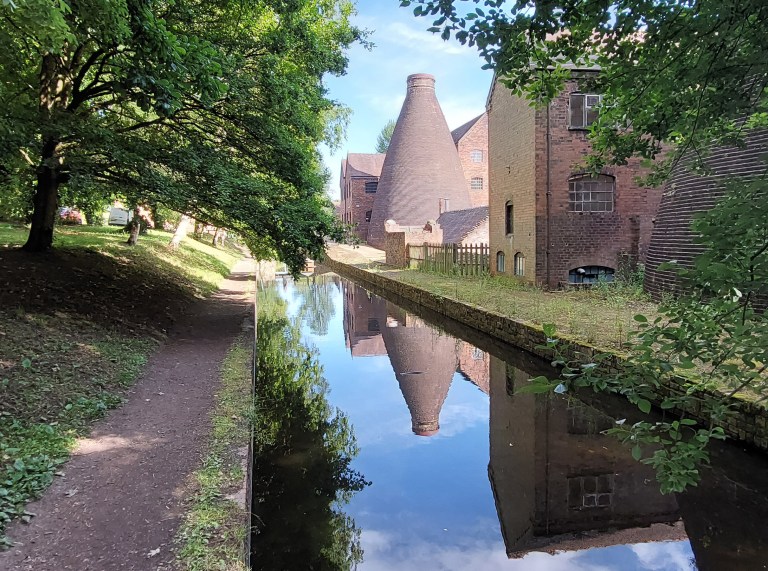
Coalport China Works by the canal. Image copyright Dr Michael Nevell.
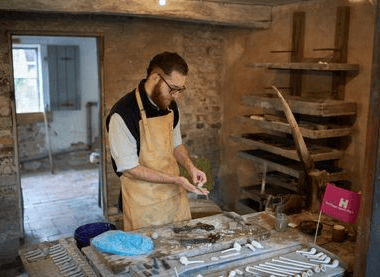
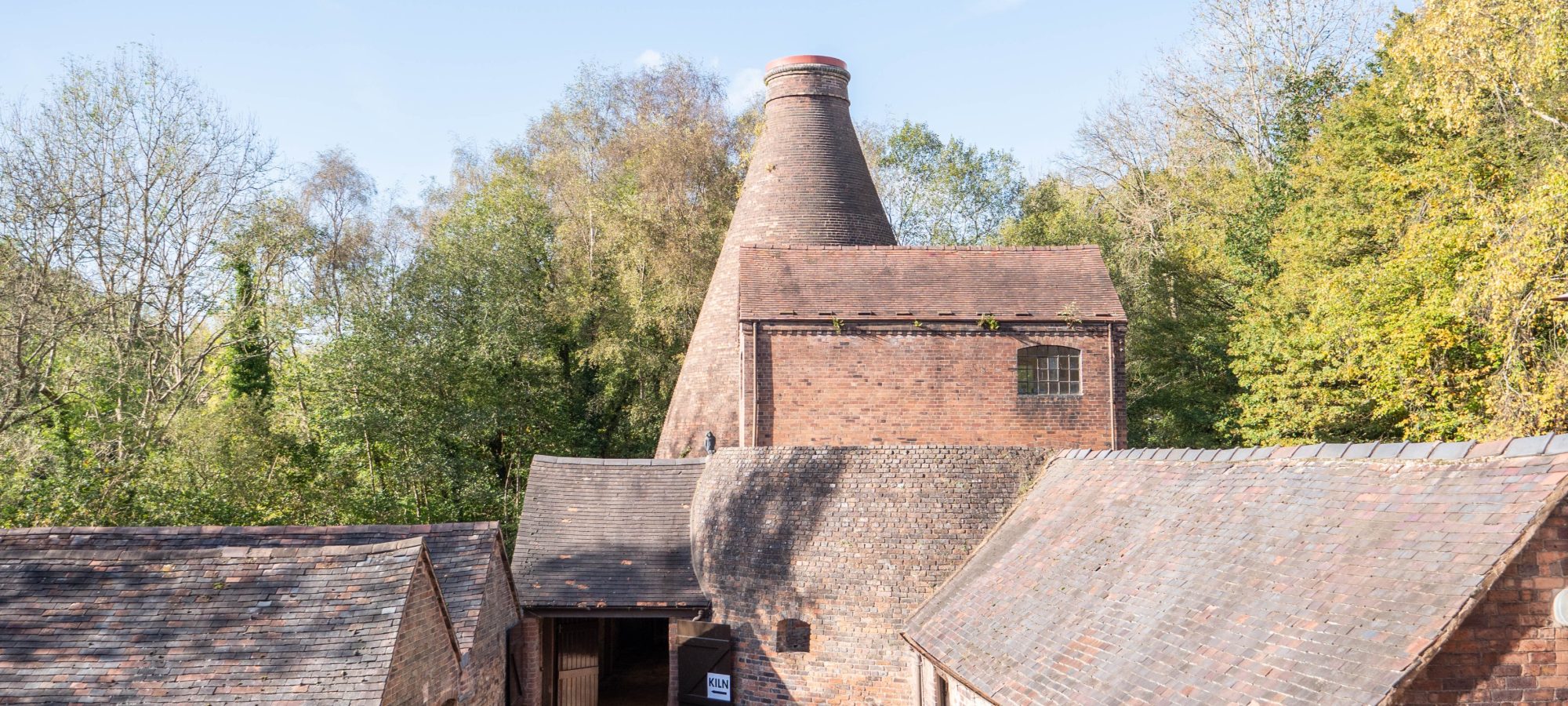
Clay pipe making demonstration at the Broseley Pipe Works. Image courtesy of National Trust Ironbridge Gorge.

The Industrial Sites Saved as Historic England Publishes 2025 Heritage At Risk Register

Historic England has published the 2025 Heritage at Risk Register. There are 4,891 entries on the Register which covers archaeology, battlefields, buildings and structures, conservation areas, parks and gardens, places of worship, and wrecks. This year, 129 buildings and gardens were taken off the list for positive reasons such as grant funding and/or being repaired. However, 138 were added. 12 of the sites taken off the register are industrial structures.

Claudia Kenyatta CBE and Emma Squire CBE, Co-CEOs of Historic England, said: “The heritage we see all around us impacts how we feel about our local places. The annual Heritage at Risk Register gives us the opportunity to celebrate the many benefits of bringing our historic buildings back into use.”

“The best way to protect our buildings is to reuse them, turning them into places of local connection and joy. The sites that have been saved and have come off the Register this year really highlight the benefits of working together in partnership, and with communities, to create positive, sustainable change. Together we can safeguard our heritage for future generations.”

Industrial sites removed from the ‘At Risk Register’ include:

  • Augill Smelting Mill, North Pennines
  • Bower Spring cementation furnace, Sheffield
  • Etherley Incline, Stockton & Darlington Railway, County Durham 
  • No. 7 Bottle Shop, St Helens
  • Long Shop Museum, Leiston
  • John Taylor & Co Bell Foundry, Loughborough
  • Kingston Telephone Exchange, Ashdown Road, Kingston upon Thames
  • Newland Blast Furnace (Blacking Mill only) in Egton with Newland
  • Papplewick Pumping Station, Nottingham
  • Rockingham Kiln (Swinton Pottery), South Yorkshire
  • Temple Works Gatelodge, Leeds
  • The Triangular Crane and Bumble Hole Boat Yard in Netherton

Industrial sites added to the ‘At Risk Register’ include:

  • Cromford Mills Buildings 26 and 21 (cottages)
  • Teesside Transporter Bridge 

The full updated list for 2025 can be found here: https://historicengland.org.uk/listing/heritage-at-risk/findings/

Guidance on adding a site to the Herrtitage At Risk Register can be found here: https://historicengland.org.uk/listing/heritage-at-risk/suggest-addition-to-har-register/

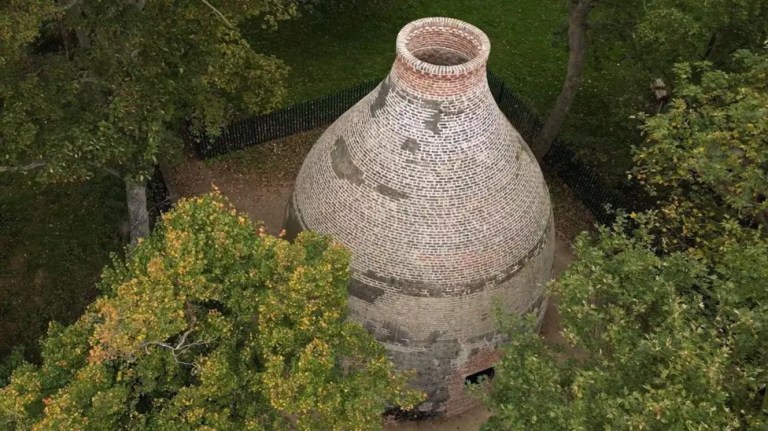
The Rockingham Kiln (Swinton Pottery), South Yorkshire, has been removed from the ‘At Risk Register’ in 2025. Image courtesy of Historic England.
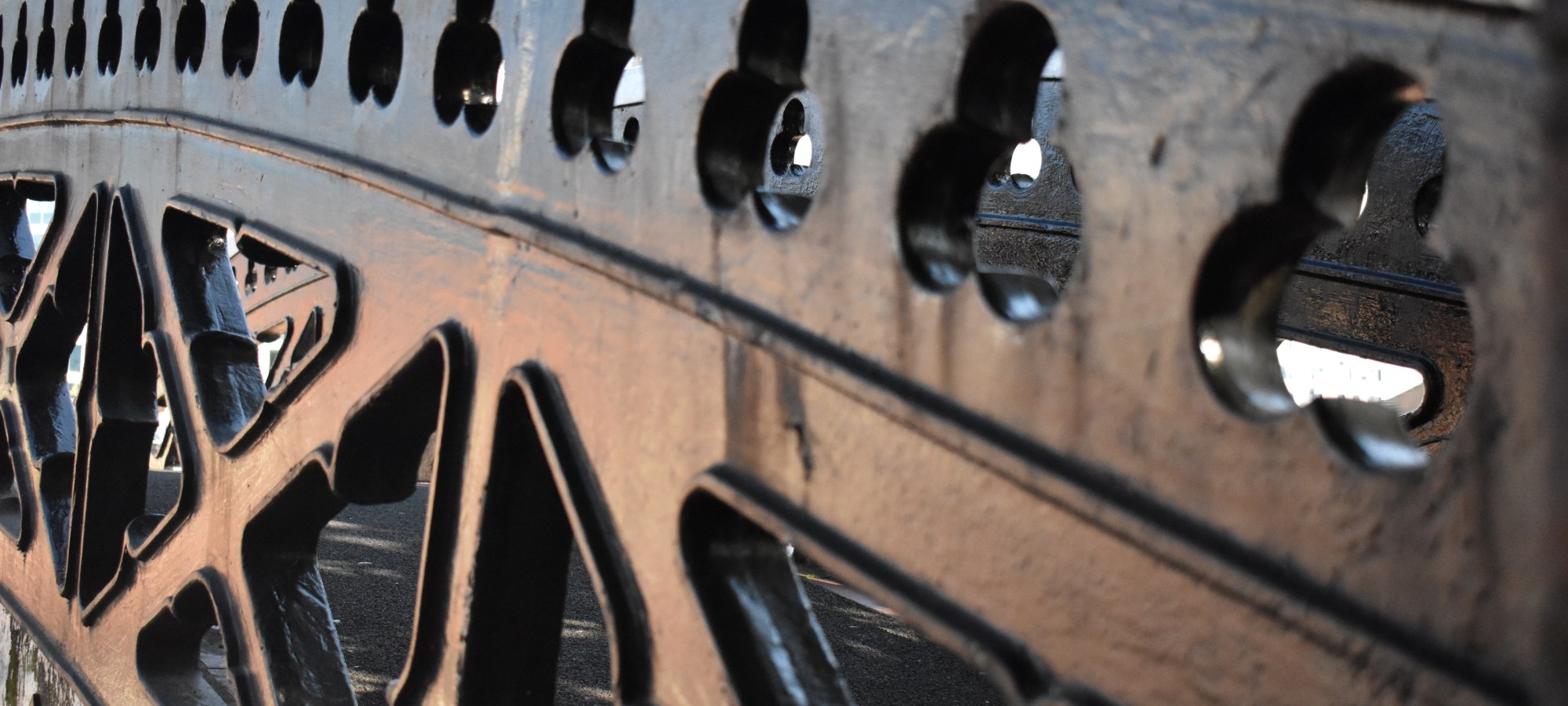
The Teesside Transporter Bridge was added to the ‘At Risk Register’ in 2025. Image courtesy of Historic England.

A History of Stoke-on-Trent in 8 Places: New Historic England Blog

The latest Historic England blog, under their ‘Heritage Calling’ banner, looks at the historic and industrial heritage of Stoke-on-Trent.

The Potteries encompassed the towns of Burslem, Fenton, Hanley, Longton, Stoke, and Tunstall. Together, these towns created the world’s leading centre for ceramics production, with famous names such as Wedgwood, Royal Doulton and Spode centring their work there.

Eight site shave been chosen to highlight this industrial history. These are: Middleport Pottery; Chatterley Whitfield Pottery; Bethesda Methodist Chapel; the Former Wedewood Institute; Trentham Mausoleum; Hanley Park; Stoke-on-Trent townhall; and Price and Kensington Teapot Works.

The full blog can be found here:

https://heritagecalling.com/2025/05/02/a-history-of-stoke-on-trent-in-8-places/?utm_medium=email&utm_source=newsletter&utm_campaign=brand&fbclid=IwY2xjawKJZa1leHRuA2FlbQIxMQABHuIOlYHFQLuCVzlN5Is74h22tI-cCFn5H-TC1A_9qsFVoil3riZG12xL_qcM_aem_IyEcaG7deiYUiV6TrbcWKA

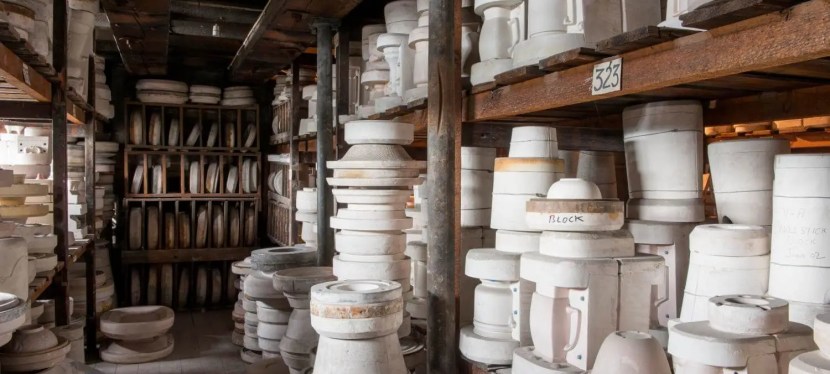
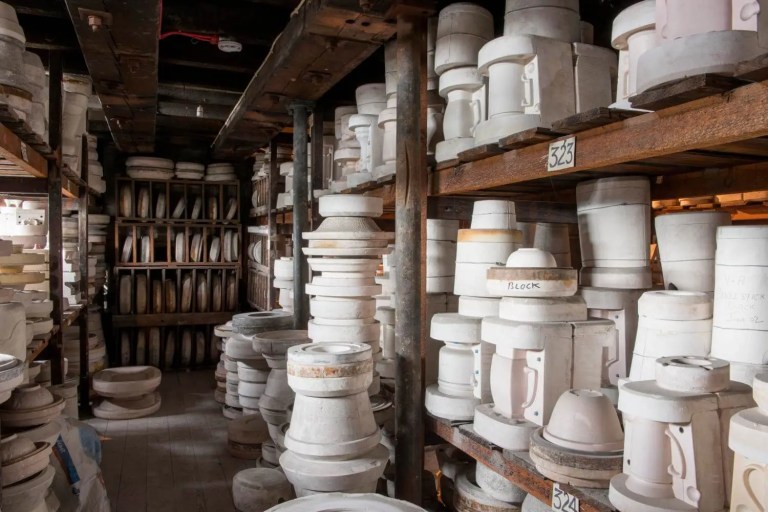
The interior of the pattern store at Middleport Pottery, Burslem, Stoke-on-Trent, Staffordshire. © Historic England Archive. View image DP157658. View List entry 1297939.
Chatterley Whitfield Colliery, Whitfield, Stoke-on-Trent, Staffordshire. © Historic England Archive. View image DP059964. View List entry 1015947.