Charting the impact of climate change on industrial heritage sites often involves recording damage from storms, floods, and prolonged dry spells. However, many industrial sites and museums have been putting plans in place to adapt to changing climatic conditions this decade, and two sites have just announced the installation of solar panels: Whitchurch Silk Mill and the Glenlee hydro-electric power station.
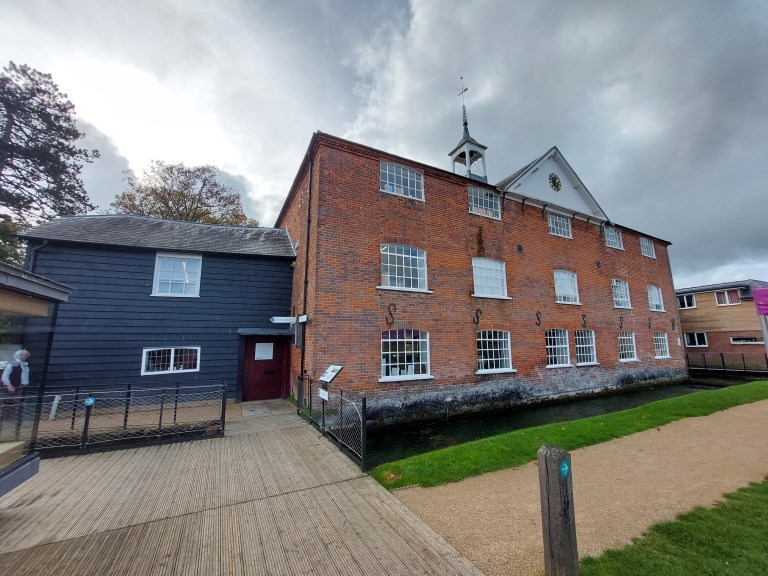
The waterpowered Grade 2* listed Whitchurch Silk Mill, in Hampshire, has installed a solar energy system, with the panels on their modern cafe and visitor entrance building, using support from Basingstoke and Deane Borough Council’s Business Investment Fund. Sue Tapliss, director of Whitchurch Silk Mill, said: “We are delighted to complete this project. The waterwheel is a powerful symbol of the mill’s past and its longstanding relationship with sustainable energy. Installing solar panels allows us to honour that heritage while taking a meaningful step forward in reducing our carbon footprint. We are extremely grateful to Basingstoke and Deane Borough Council’s Business Investment Fund for making this possible.”
This latest improvement marks a return to renewable energy for the mill, which was originally run by a waterwheel powered by the River Test. More details here: Whitchurch Silk Mill has installed new solar panel system
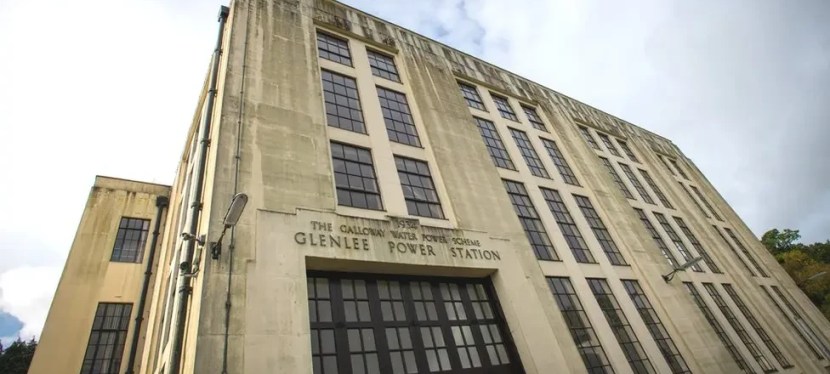
Solar panels have been fitted to the 1934, Category B, Glenlee Hydro-electric power station, near Dalry in Dumfries and Galloway, Scotland, by renewable engergy firm Drax. The power station has been running for more than a century and the new solar panels are designed to meet the sattion’s back-up power needs, which it currently pays to get from the local electricity grid. More details here: First solar panels in place at historic hydro power network