Climate Change Adaptation on Two More Industrial Heritage Sites

Charting the impact of climate change on industrial heritage sites often involves recording damage from storms, floods, and prolonged dry spells. However, many industrial sites and museums have been putting plans in place to adapt to changing climatic conditions this decade, and two sites have just announced the installation of solar panels: Whitchurch Silk Mill and the Glenlee hydro-electric power station.

The waterpowered Grade 2* listed Whitchurch Silk Mill, in Hampshire, has installed a solar energy system, with the panels on their modern cafe and visitor entrance building, using support from Basingstoke and Deane Borough Council’s Business Investment Fund. Sue Tapliss, director of Whitchurch Silk Mill, said: “We are delighted to complete this project. The waterwheel is a powerful symbol of the mill’s past and its longstanding relationship with sustainable energy. Installing solar panels allows us to honour that heritage while taking a meaningful step forward in reducing our carbon footprint. We are extremely grateful to Basingstoke and Deane Borough Council’s Business Investment Fund for making this possible.”

This latest improvement marks a return to renewable energy for the mill, which was originally run by a waterwheel powered by the River Test. More details here: Whitchurch Silk Mill has installed new solar panel system

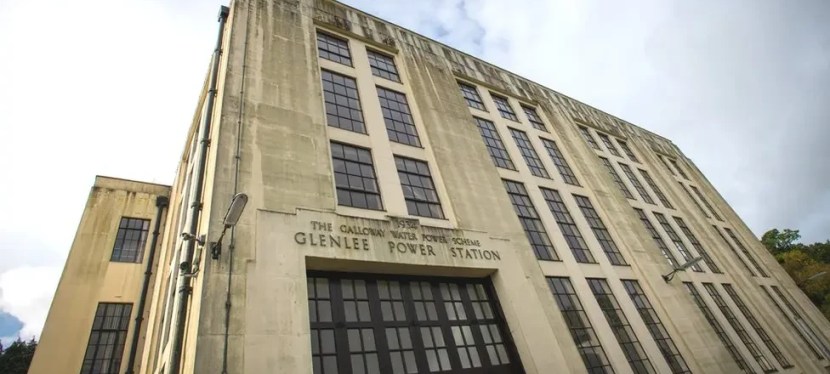
Solar panels have been fitted to the 1934, Category B, Glenlee Hydro-electric power station, near Dalry in Dumfries and Galloway, Scotland, by renewable engergy firm Drax. The power station has been running for more than a century and the new solar panels are designed to meet the sattion’s back-up power needs, which it currently pays to get from the local electricity grid. More details here: First solar panels in place at historic hydro power network
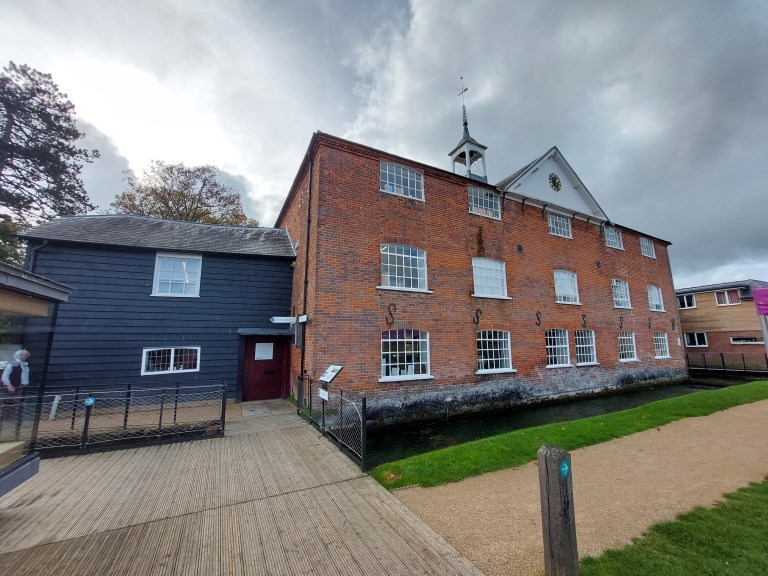
Whitchurch Silk Mill, Hampshire. Image copyright Dr Michael Nevell.

Emergency and Risk Management Network: Extreme Environments Training for Museums, 5 November 2024

Join Museum Development Midlands (MDM) and Anita Hollinshead for this session exploring extreme environments and their impact on conditions in museums, collections, visitors, and staff on 5th November. The free workshop will include a number of case studies and measures that can be put in place to minimise risks.

Delegates will be encouraged to share their own experiences of extreme weather conditions, including high temperatures, flooding, and storms and the impact of climate change on collections management, all issues familiar on for industrial heritage sites. This workshop is part of MDM’s Emergency and Risk Management Network, helping museums prepare for emergency situations and develop skills in risk management and mitigation.

Places are limited to a maximum two delegates per organisation. Priority will be given to delegates from non-NPO and non-National museums in the Midlands which are Accredited or officially Working Towards Accreditation. You’re welcome to book a place if you are not from a priority museum, including non-Accredited museums, on the understanding we may ask you to release your place if the event becomes oversubscribed. Fololow this linbk to book the free trainbign session: https://www.eventbrite.co.uk/e/emergency-and-risk-management-network-extreme-environments-tickets-1028753909637?aff=oddtdtcreator

European Fossil Fuels Needs Survey Of Industrial Heritage Sites

The Working Industrial & Mobile Heritage (WIMH) platform is being developed by umbrella organisations from throughout the industrial and mobile heritage sector in Europe. The European Route of Industrial Heritage (ERIH) is one of the partners in this project. The group is appealing to ERIH members and other industrial heritage sites in the UK for help in collecting evidence to protect a hugely important element of our industrial museums across Europe – their heritage in operation. Other partners currently include: TICCIH – The International Committee for Conservation of the Industrial Heritage; FEDECRAIL – Federation of European Museum & Tourist Railways; FIVA – Federation Internationale des Vehicules Anciens; and the Europa Nostra Industrial & Engineering Heritage Committee.

The working industrial and mobile heritage sector embraces historic machinery at industrial heritage sites and museums, railways, steam ships, road vehicles, and aviation. These all constitute a “social testimony” which ensures that the essential “know how” for the operation of steam powered machinery and combustion engines should not be lost for future generations. Cultural heritage enriches the lives of people and plays a role in enhancing Europe’s social capital. Our sector is also an important resource for economic growth, employment and social cohesion. Working industrial and mobile heritage depends on the continued and limited availability of fossil fuels, like coal and oil-based derivatives. Such fuels remain necessary for the dynamics of heritage machines and vehicles.

As set out in in the 2014 document “Towards an Integrated Approach to Cultural Heritage for Europe”, the European Union is committed to promoting industrial heritage. Our sector is currently facing certain challenges, such as reliance on a limited availability of fossil fuels. The European Union, and other national governments such as the UK throughout Europe, need to take a balanced approach to the almost negligible environmental impact of limited fossil fuel usage by the sector and the legitimate objective of preserving this heritage. For example, assisted also by retaining a continued source of suitable coal at a location within Europe.

A key task of the WIMH partnership is to try to gather as much data as possible of the current annual consumption of our sector, especially of coal but also historic oil based fuels. Considerable efforts have already been made in particular by the railway heritage sector in several countries, including the UK, and research is being undertaken by the historic road transport sector.

Who should respond?

Working from this foundation, the next steps are to build up a picture of at least approximate fossil fuel usage from the industrial heritage sector. This survey is for museums and heritage sites for whom fossil fuel power is needed for continued operation of pumps and industrial machines which form such an important part of the interpretation to the public at our sites. Not only coal-fired boilers and equipment, but also other machinery which operate with petrol, diesel, or other traditional oil based fuels. Follow this link to fill in the survey:

https://docs.google.com/forms/d/e/1FAIpQLSeFZ-1De8tw3OtpajPVj5aaGpxupHA73NSHOcHWXe3UEBmC-w/viewform?s=09

For any questions, please contact Hildebrand de Boer, ERIH Board Member + Liaison Officer ERIH + WIMH  hildebrandeboer@hotmail.com

ABTEM One Day Seminar Date Changed to 14th November 2023

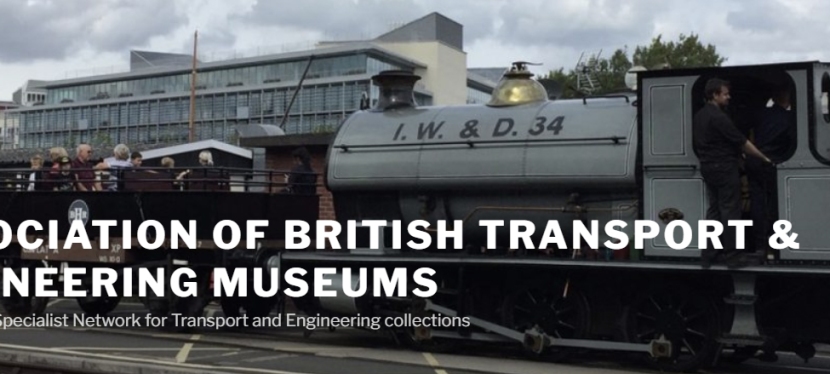
The date of the ABTEM 2023 seminar focussing on how transport collections are facing the challenge of climate change and sustainability, has been moved from October to November 14th 2023. This is to avoid any disruption from tube strikes in London.

The ‘Going Green: Carbon Reduction Challenges for Transport Museums & Collections’ seminar will run from 10:15am to 16:30pm at the London Transport Museum’s Depot at Gunnersbury Lane, London, W3 9BQ. The speakers will include Tim Bryan (Chair of ABTEM), Nicola Grahamslaw (SS Great Britian Trust), and Daniel Miles (Historic England). The emphasis of the day will be on best practice solutions that can inspire curators, volunteers and others to help address climate change and embed environmental sustainability into their operation and work.

For details on how to book this event follow this link to Eventbrite: https://www.eventbrite.com/e/going-greencarbon-reduction-challenges-for-transport-museums-collections-tickets-708550974037?aff=oddtdtcreator