




In 2019, the Ministry of Housing, Communities & Local Government (MHCLG) announced a campaign to develop or revise local heritage lists across England. Historic England’s new overview advocates for local heritage listing as a proactive, locally-led, tool that can support place-shaping and community empowerment, helping to deliver high-quality, unique places to live and work. The new report is intended to support Historic England and Central Government in developing policy and guidance to support Local Planning Authorities (LPAs), and others, in the production and revision of local heritage lists.
Historic England defines a local heritage list as ‘a list or register of assets (primarily but not exclusively historic) which are of importance to a particular place and the community who live and work there. Buildings included on local heritage lists are classified in the planning system as ‘non designated heritage assets’ (NDHAs).’ The concept of such local heritage lists goes back to the 1930s, often as a bottom-up approach to recognising heritage through the local community. They have recieved greater prominence in the last decade as one of the ways in which NDHAs can be formally identified, so that their significance can be taken into account in planning applications affecting the asset, or its setting.
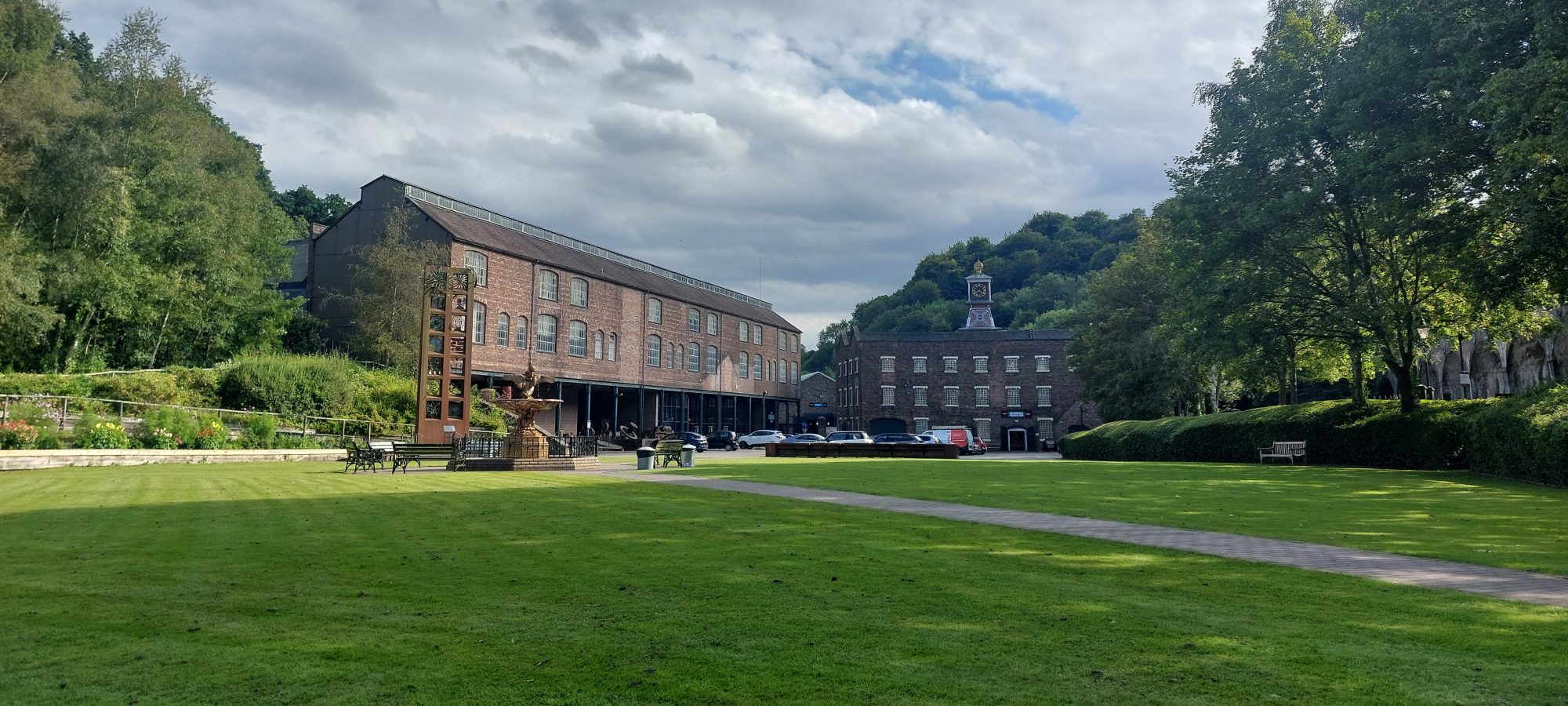
With thousands of surviving industrial buildings across England not formally protected through listed building legislation, local listing provides an effective way of recognising these buildings’ importance to their local communities.
Download the report here: https://historicengland.org.uk/research/results/reports/38-2025?local

 Industrial Heritage Networks