
Historic England Guidance on Re-Opening (Industrial) Heritage Sites

The headstocks at the Lancashire Mining Museum

On the 24th June 2020 the UK Government issued advice on re-opening the Visitor Economy from the 4th July as the COVID-19 epidemic eases. This includes advice on how safe working can be implemented whilst maintaining social distancing (https://www.gov.uk/guidance/working-safely-during-coronavirus-covid-19/the-visitor-economy).

With a few notable exceptions, such as some water-powered and wind-powered flour mills, all the 600 plus protected industrial heritage sites in England traditionally open to the public were closed on the 23rd March this year. After more than three months sites as diverse as the Amberley Museum, Blue Bell Railway, Ironbridge Gorge Museum Trust, and the Lancashire Mining Museum are preparing to re-open over the summer.

The Blue Bell Railway

If you are amongst the thousands of heritage sites in England preparing to reopen a heritage location to the public, including those with retail and wider visitor attractions, or you are preparing to go back to work at a historic site, Historic England has prepared this page which may be useful. Here you will find sections on:

  • guidance from the Government and other sector bodies;
  • pubs and restaurants within historic sites;
  • retail within historic buildings;
  • working safely as a heritage professional at heritage locations;
  • places of worship;
  • historic parks and gardens;
  • and industrial heritage sites

This advice should help owners and staff of historic sites, especially at the hundreds of volunteer-run industrial heritage sites in England, think through the considerations for reopening or returning to work. Please note that the considerations listed are not exhaustive and it should be also noted that they do NOT add additional requirements to the Government guidance or legislation.

Amberley Museum Receives Emergency Support Funding

South East Industrial Heritage Network member Amberley Museum (based in a former chalk quarry in Sussex) received some good news at the end of April with confirmation that it has received emergency funding from Arts Council England to meet its core costs for three months.

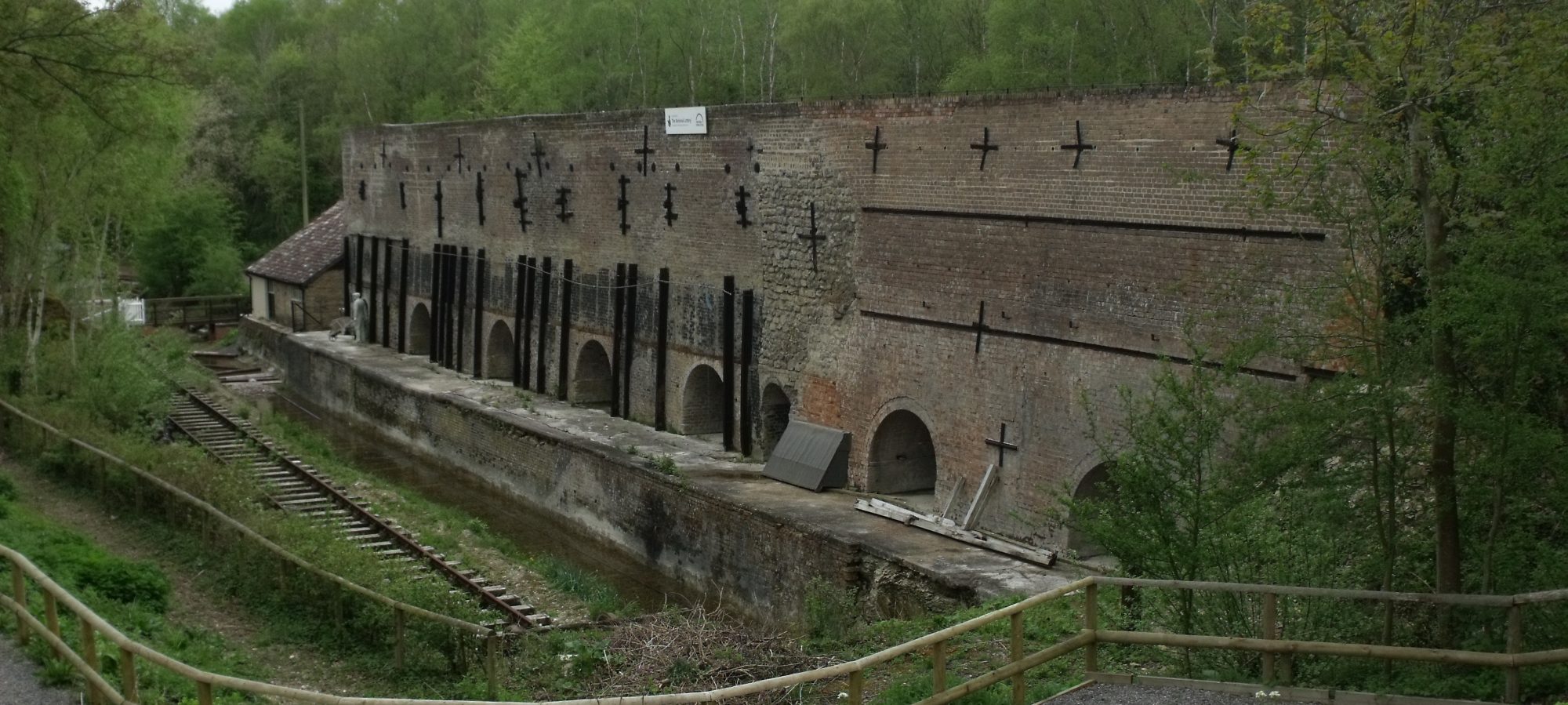
The museum was the venue of the inaugural South East Industrial Heritage Network meeting in July 2019. The site encompasses 36 acres and over 40 exhibits, including de Witt lime kilns (complete with railway and locomotives), as well as transport and craft galleries, and the ‘Connected Earth’ telecommunications exhibition gallery.

The limekilns at Amberley Museum

However, Amberley Museum still need help in securing the long-term future of the industrial museum and have a launched a fund raising campaign, like many other IHN members. Find out more below:

https://www.amberleymuseum.co.uk/news/help-amberley-museum-to-open-again-after-covid-19

AIM Guidance on Coronovirus (COVID-19)

Many industrial museums, and local and regional industrial archaeology and heritage societies are now feeling the impact of the growing Coronovius (COVID-19) crisis. The Association of Independent Museums has issued some guidance that is relevant not just for independent museums but for all those individuals and groups involved with industrial archaeology and heritage sites: https://www.aim-museums.co.uk/coronavirus-covid-19/

There are links to key websites on medical advice for individuals and workplaces; supporting your organisation; charity finances; and a business resilience check list.

As ever, the primary concern is to ensure the well-being of museum staff, local society members, volunteers, and visitors as the situation with Coronavirus or COVID-19 evolves, so for the very latest information, check the guidance available on the Public Health England and NHS websites here:

https://www.gov.uk/government/publications/guidance-to-employers-and-businesses-about-covid-19/guidance-for-employers-and-businesses-on-covid-19

https://www.nhs.uk/conditions/coronavirus-covid-19/