Help Decide Coldharbour Mill’s Sustainable Future

As Coldharbour Mill celebrates its 40th anniversary as a Museum, and approaches 225 years since the original Grist Mill and estate was bought by Thomas Fox in 1797, Coldharbour Mill Trust are consulting on the future of this nationally significant heritage site as part of its strategic review process.

The site has been described as “probably one of the best-preserved textile mill complexes in the country. It retains the full range of buildings and power system features which characterised the development of the 19th century textile mill with much of the machinery that was used at the site in the 20th century.” – English Heritage, Historic Buildings Report.

It had been increasingly difficult for heritage attractions such as Coldharbour Mill to secure resources to maintain their heritage sites pre-pandemic, a trend which had been seen all across the UK. Having been faced with the challenge of guiding the Trust through a pandemic and into a world which will be very different Coldharbour Mill’s Board feel it is important to review the direction of the Trust to develop a long-term and sustainable future whilst balancing this against the change in the heritage landscape that has been seen in the last year.

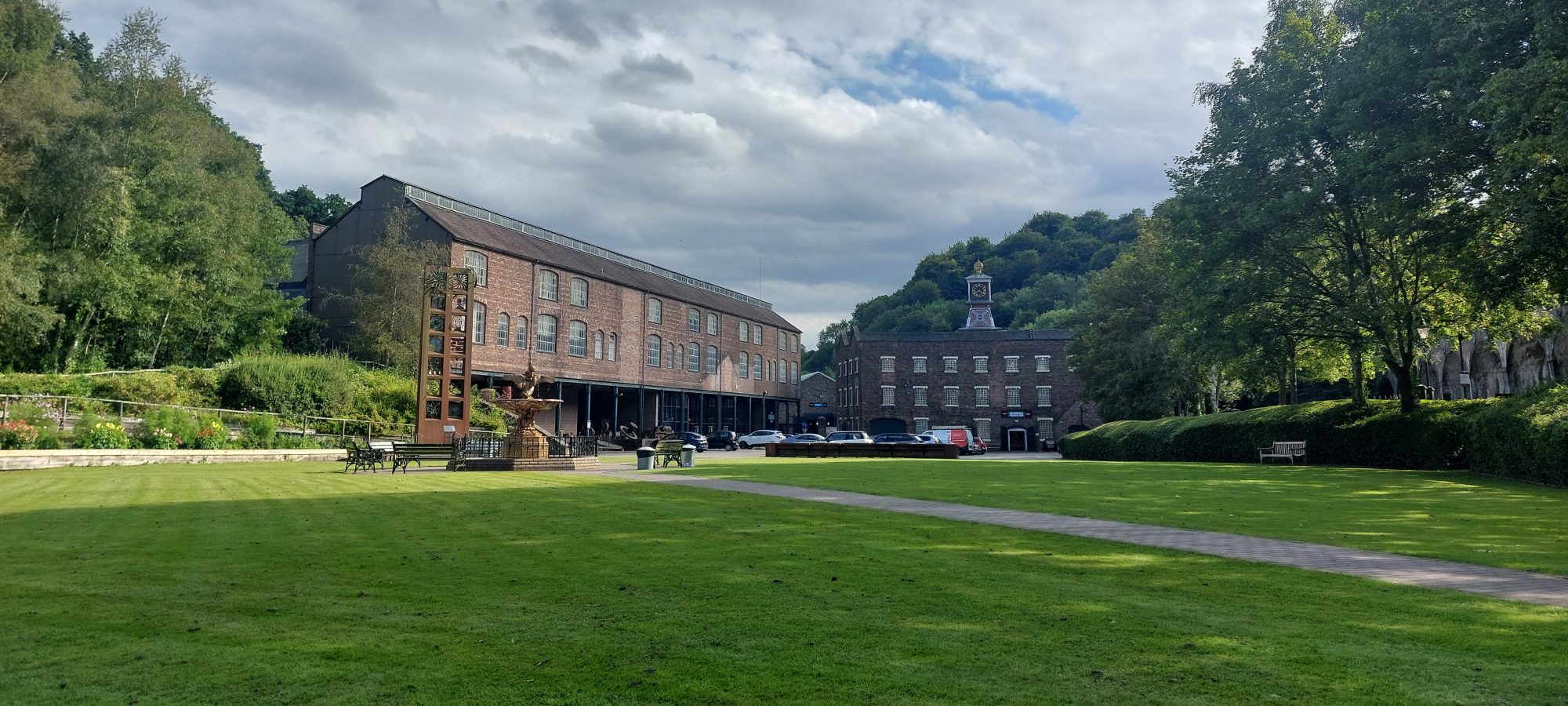
Coldharbour Mill. Image courtesy of Coldharbour Mill Trust.

The process involves a wide range of stakeholders including the general public, staff, volunteers, visitors, neighbours, community, special interest groups and any other stakeholders who are asked to take 5 minutes to complete a short questionnaire.

Jackie Dawkins, Chair of Trustees for Coldharbour Mill Trust said ‘In order for Coldharbour Mill to thrive and deliver a sustainable future, we need to diversify and find new ways of increasing participation and generating income. We want to develop the Mill with the support and involvement of the community, our supporters, our visitors and anyone who already has or could have a connection with the Mill’.

Coldharbour Mill Chief Executive Martin Halse is asking the public to give their feedback via a questionnaire on the Mill’s website by Sunday 11th April. The results will then be used to inform the Trustees decisions for Coldharbour Mill’s future direction.

You can have your say by going to www.coldharbourmill.org.uk.

Spode Museum Trust ‘From Clay to Treasure’ Project: Consultant Opportunity

Spode Museum Trust (SMT) is looking to appoint suitably qualified consultants to carry out work relating to the Spode collection and Spode Works site, as part of its project ‘Spode Museum Trust: From clay to treasure’. Spode was a world-renowned pottery that produced iconic bone china in Stoke-on-Trent from 1767 until the factory’s closure in 2008. Caring for the Spode collection – a fantastic archive of design – is the passion of SMT. However the bulk of the collection is off-site and inaccessible.

SMT, with a grant from the National Lottery Heritage Fund and in partnership with the National Trust, is hoping to identify a future for the collection within the historic factory buildings which allows better conservation and access, delivers greater public benefit, and is sustainable. The project consists of five separate, but interlinked work packages. Three of these work packages are now live:

  1. Conservation and Curatorial

Conservation and curatorial expertise will help establish the relevant significance of the collection and provide a snapshot of its needs, with a view to informing options for its future conservation and management

  • Options Appraisal

The consultant will build a picture of the current visitor profile and experience, potential audience and wants and needs; benchmark competitors and comparators; and report on spatial constraints and opportunities.

  • Evaluation

To measure the success of the project, identify lessons learnt, and improve ways of working during and beyond the project, the Evaluation consultant will be required to develop an appropriate methodology for project evaluation and gathering/sharing of learning throughout the project.

Chair of Spode Museum Trust, Richard Gray said; “The Spode Museum Trust is working with the National Trust and Sara Hilton Associates to deliver this Feasibility Study, so the world class collections once again within the historic factory site can secure new, powerful contemporary relevance and contexts.” 

Interested candidates should contact Ellie Ralphs ellie.ralphs@nationaltrust.org.uk for the full detailed briefs of the work. The deadline for submissions is 5pm on Friday 16th April 2021.

Re-Using Industrial Buildings – Two New Textile Mill Case Studies

Brierfield Mills, Pendle, Lancashire. Image courtesy of Historic England.

One of the most important building conservation principals is that to save a historic building you have to give it a use. Examples of such re-use can showcase the community and heritage value of historic structures. Thus, two new case studies on the successful reuse of historic industrial buildings added to Historic England’s ‘Mills of the North’ webpage do exactly that.

The first case study is the Grade II listed Conditioning House in Bradford. This building was built by Bradford Corporation in 1900-2. It was used to quality check and control the moisture content of textiles by means of laboratory examination and certify their true weight and length. As such it was the only property of its kind in England. This unique building is being converted into a mixed use development with apartments, a residents’ gym, and office space. Scheduled for completion later in 2021, it aims to create a thriving new neighbourhood in the heart of the city. More details here: https://historicengland.org.uk/get-involved/protect/mills-of-the-north/success-stories/#e2bc8444.

The second case study is Brierfield Mills, Pendle, Lancashire, a Grade II listed cotton spinning complex built in 1868. The mill was purchased by Pendle Council in 2012, soon after it closed, with funding from the Homes and Communities Agency. The local M.P., Andrew Stephenson, has been heavily involved in securing a £32m redevelopment programme. He gives his view on how this regeneration scheme is transforming the area, with new apartments, leisure facility, adult learning centre, creative arts studio and canal marina. More details here: Latest Success Stories | Historic England

The ‘Mills of the North’ webpage also includes details of the successful regeneration of the water-powered Queen’s Mill in Castleford Mill, an 18th to 20th century flour mill, and the Grade II and Grade II* 19th century Hunslet Flax Mill in Leeds.

Industrial Objects in Need of a New Home

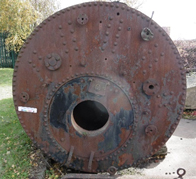
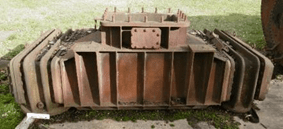
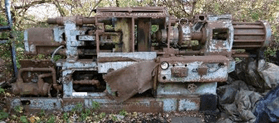
The Birmingham Museums Trust, as part of their National Portfolio Organisation-funded ‘Science Collection Research, Rationalisation and Redisplay’ project (2018-2022), have recently approved a small group of objects for disposal from their collection. These are a Cornish boiler, a steam turbine condenser, and an injection moulding machine.

The items (see below) are currently advertised on the Museums Association ‘Find an Object’ service here: Find an Object – Museums Association

Cornish boiler of 1904 made by Nu-Way Heating Plants of Droitwich
Mid-20th century condenser
Reed-Prentice 10D injection moulding machine

If any Industrial Heritage network members are interested in acquiring these items, or have any questions about any of the objects, they are very welcome to email Felicity McWilliams at BMT directly via: Felicity.McWilliams@birminghammuseums.org.uk.

Industrial Heritage Sites Receive Share of Heritage Capital Kickstart Fund

Three industrial heritage sites were amongst 22 heritage projects to receive further pandemic financial support in February 2021. The grants, awarded through the National Heritage Lottery’s Heritage Capital Kickstart Fund, will help revive heritage sites impacted by coronavirus (COVID-19). Regeneration and maintenance projects that were planned before the pandemic, and are facing delays or increased costs, can now resume for the successful organisations. The Heritage Capital Kickstart Fund is distributed by The National Lottery Heritage Fund on behalf of the Department for Digital, Culture, Media and Sport. It is part of the government’s £1.57bn Culture Recovery Fund package.

Ros Kerslake, Chief Executive of The National Lottery Heritage Fund, said: “These are all ongoing major refurbishment and restoration projects, funded by us, which have been threatened by the pandemic. From the oldest surviving outdoor swimming baths to a Victorian pier, and from a much-loved park to an historic abbey, these are all places that will enrich hundreds of lives when they reopen. We are delighted this extra funding from the Culture Recovery Fund will ensure that these exciting projects will go ahead.”

The Black Country Living Museum receives the single largest grant, of £3,740,000, towards the largest development in its 46-year history to create historical areas spanning the 1940s–1960s, as well as a new visitor centre. The museum is currently operating as a vaccination centre, but when the development starts, it will create new opportunities for work and skills development in the local area.

The North Yorkshire Moors Historic Railway Trust receives a grant of £296,000 for their for their Yorkshire’s Magnificent Journey project. The project will see major restorations of the Goathland Station bridges, expansion of the railway’s conservation and heritage apprenticeship programmes, improvement to their lineside ecological conservation work, and improved access for disabled visitors.

The third industrial heritage site to receive an award is the Beamish Museum. They receive a grant of £975,500 to be used for the restart and completion of the major Remaking Beamish project, which includes a 1950s Town, 1950s Farm, and expansion of the 1820s area. The 1950s Town includes houses, shops, a café, cinema, and playground. Aged miners’ homes will provide a centre for people living with dementia, older people, and their families and carers.

Further details of the fund’s recipients can found here: £13.5million to kickstart 22 heritage projects | The National Lottery Heritage Fund

Friends of Flaxmill Maltings Online Talks

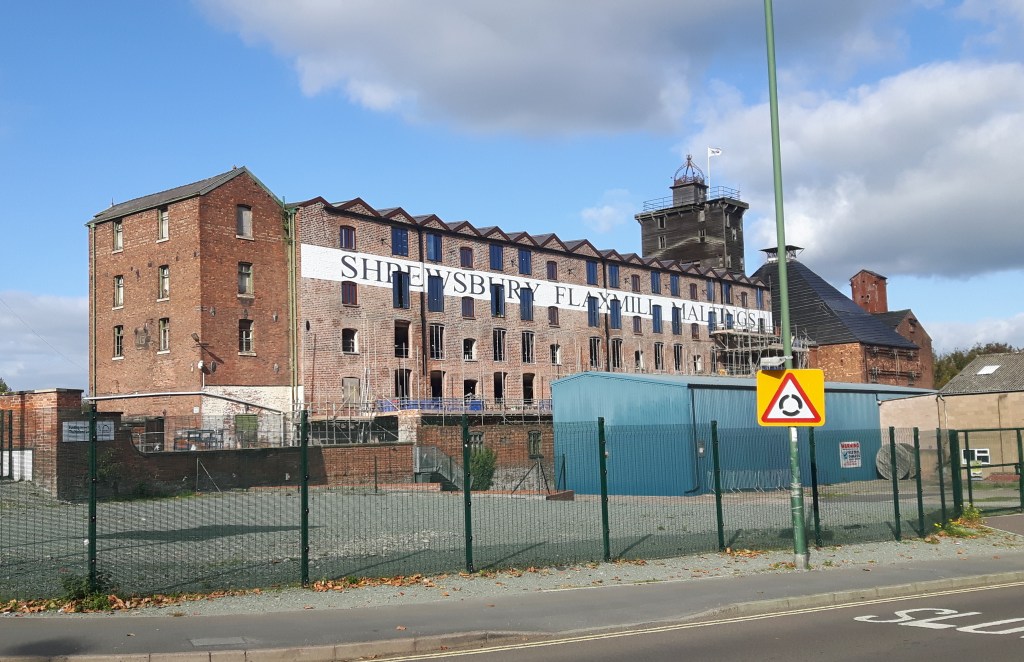
The Friends of the Flaxmill Maltings are offering online talks to interested bodies and groups. The Friends have been running tours and open days since their formation to make these internationally important historic buildings accessible so that organisations, groups, and individuals can explore, learn, participate in, and enjoy the unique and varied heritage of this site.

At the moment they are focusing on offering online talks for groups. This can be an overview talk or a suite of shorter talks about particular themes of interest to your group: architecture, social history, restoration. They take between 40 minutes to an hour, with the opportunity to ask questions.

The Friends of Flaxmill Maltings host these live via their Zoom channel, which is easily accessible to all invited by just clicking a link. So far they have given talks to Arts Societies, WI groups, U3A groups, museum volunteers, archaeological societies, and rotarians, as well as international groups.

Talks are free, but a donation is appreciated. If you are interested in a talk on Shrewsbury Flaxmill Maltings or a specific part of its history please email them on info@flaxmill-maltings.co.uk.  There are more details on their website here: https://www.flaxmill-maltings.co.uk/visit-and-talks .

Land Transport Archives Network

The Land Transport Archives Network (LTAN) was formed in 2020 as an informal mutual-support group for the creators, custodians, and users of archives relating to any aspect of any form of land transport. Historic objects relating to transport are covered by a number of Sector Support Organisations in the museums sector, but there is a noticeable gap in the support available for the related Archive collections. LTAN, alongside the Aviation, and Aerospace Archives Initiative (AAAI), aims to help address this gap.

To date, two virtual meetings have been held, with the next due in late February. The network is still in the early stages of its development, but has already decided on a series of aims moving forwards, including expanding on the work of the former TRAP project to map the location and extent of land transport collections.

A website for the network was launched in mid-January and can be viewed at https://ltan.info . This includes guidance for custodians of archives, which is aimed at non-professionals caring for the records of their own organisation and/or more general heritage material, so could be of great assistance to heritage railways, museums, and historical societies.

NHLF Re-open Grant Funds

The National Heritage Fund have re-opened their grant streams for applications between £3,000 and £5million. However, the impact of the coronavirus (COVID-19) pandemic means that the NHLF have revised their approach as to what they will fund for the period February 2021 to April 2022.

The NHLF are looking to fund projects that: boost the local economy; encourage skills development and job creation; support wellbeing; create better places to live, work and visit; and improve the resilience of organisations working in heritage. Every project will also need to achieve the NHLF inclusion outcome of ‘a wider range of people will be involved in heritage’, and each project will be expected to demonstrate that they are building long-term environmental sustainability into their plans, as appropriate. Three levels of grants are availble:

grants from £3,000 to £10,000

grants from £10,000 to £250,000

grants from £250,000 to £5 million

Details on the new funding criteria can be found here in the Priorities for National Lottery Grants for Heritage for 2021-22.

Re-Form Heritage to Regenerate Former Pottery Workers’ Houses in Stoke-on-Trent

The Harper Street: Engagement in Heritage project will renovate eleven Victorian terraced houses adjacent to Middleport Pottery. The terrace, located in the Trent and Mersey Canal Conservation Area, will be transformed into a new heritage attraction, studio & workshop space, publicly accessible archive and community centre for Middleport’s residents. The project will contribute significantly to growing Middleport Pottery and Stoke-on-Trent’s reputation as a heritage visitor destination.

Funded by the National Lottery Heritage Fund, Historic England, Stoke-on-Trent City Council and many other supporters, the Harper Street: Engagement in Heritage project has recently broken ground. In total, £2.5m will be invested into the transformation of the long-derelict terrace and a programme of activities delivered with the local community.

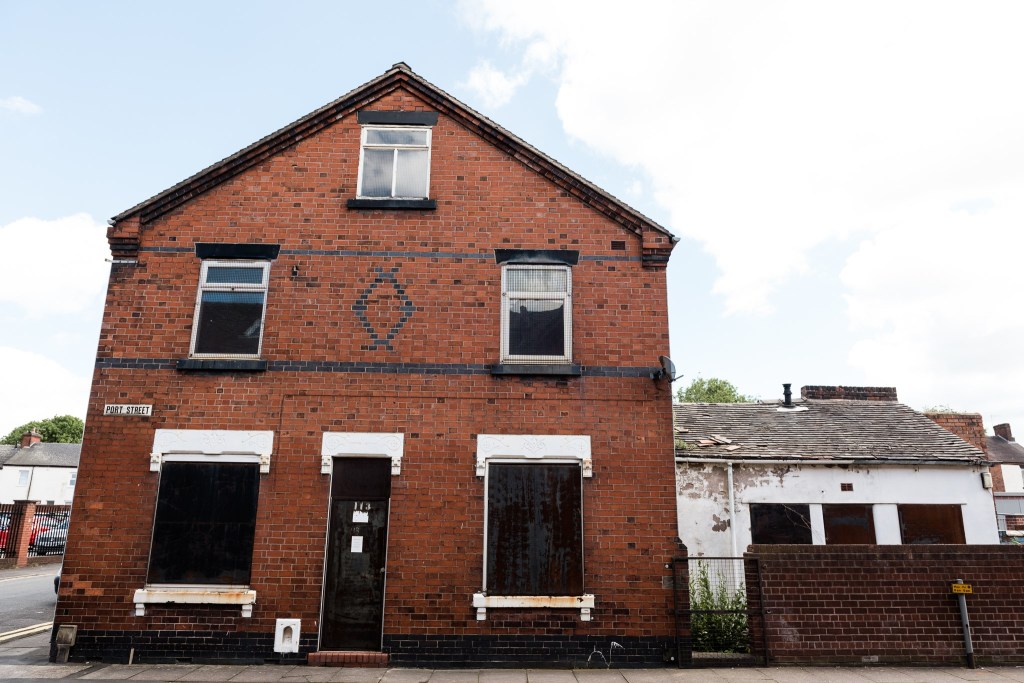
Former pottery workers’ housing on Harper Street, Stoke-on-Trent.

The project will see the eleven former pottery workers’ houses that make up Harper Street regenerated into a new heritage attraction focusing on the domestic life of the early 20th century pottery worker, alongside workshop and retail space for seven creative businesses. The terrace will also contain a dedicated store for the Middleport Pottery collection and archive, and a public research space to allow people to study archive items, many of which will be digitised for the first time. A modern community centre will also be created, offering community activities and support services via Middleport Matters Community Trust and a Changing Places toilet facility will support visitors with additional needs.

Further details can be found here: Information — Harper Street — Re-form (re-form.org)

AIA Research & Community Awards deadline 31 January 2021

The AIA’s annual round of grants are currently open – but hurry, as the first deadline is 31st January. Two that are particularly relevant in these COVID_19 socially distanced times are the Research and Community awards and grants.

Marple limekilns, Stockport

Last year the AIA funded research on salt making on the west Cumbrian coast and the development of the Marple Lime Kilns in Stockport. Although fieldwork and research are difficult in this COVID-19 restricted era, the AIA remains committed to furthering industrial archaeology research and engagement. That is why they have launched a new community fund for 2021, with grants of up to £500 available recognising projects that have successfully engaged local communities with industrial archaeology and heritage. Applications for the 2021 round of AIA conservation grants closes on the 31st March.

Follow this link for more details on how to apply: AIA Awards | Giving our past a future (industrial-archaeology.org)