New Dates Added for the Autumn 2024 Round of Industrial Heritage Network Meetings

Three new dates have been added to the next round of in-person Industrial Heritage Network (IHN) regional meetings taking place this autumn. These regional network meetings take place twice a year in the spring (online) and in the autumn (in-person). They are a chance to bring together volunteers and professionals from industrial heritage sites around England to exchange experiences, catch up with the latest news and practices, and make or renew contacts. There are ten regional networks in England run by the IHSO project at the Ironbridge Gorge Museum Trust, and funded by Historic England, with the support of the Association for Industrial Archaeology.

The first of the free autumn 2024 in-person network meetings took place for the North West IHN at The Catalyst Science Discovery Centre and Museum, Widnes, on the 25th October. After a lively disussion ranging across volunteers, maintenance costs, and visitor numbers, a group of us were given a tour of the museum finishing at the observation room at the top of the listed museum block, with its impressive views of Widnes and the Mersey estuary. Many thanks to the museum and its staff for hosting an excellent day and the chance to re-connect with colleagues from across the North West region.

The dates for the five further in-person IHN meetings to be held this autumn are as follows:

  • Cornwall & Devon, East Pool Mine, Redruth, 7th November 2024.
  • South West, Westonzoyland Pumping Station, Bridgewater, 8th November 2024.
  • West Midlands, Claymills Pumping Station, Burton-upon-Trent, 22nd November, 2024
  • East Midlands, Heckington Windmill, Lincolnshire, 3rd December, 2024
  • Yorkshire, National Mining Museum, Wakefield, 6th December 2024

Further dates for other regions will be published in the new year. Regional network members will be emailed details of the venues and how to attend. However, if you would like to join the networks and take part in any of these meetings please email the Industrial Heritage Support Officer for England: mike.nevell@ironbridge.org.uk

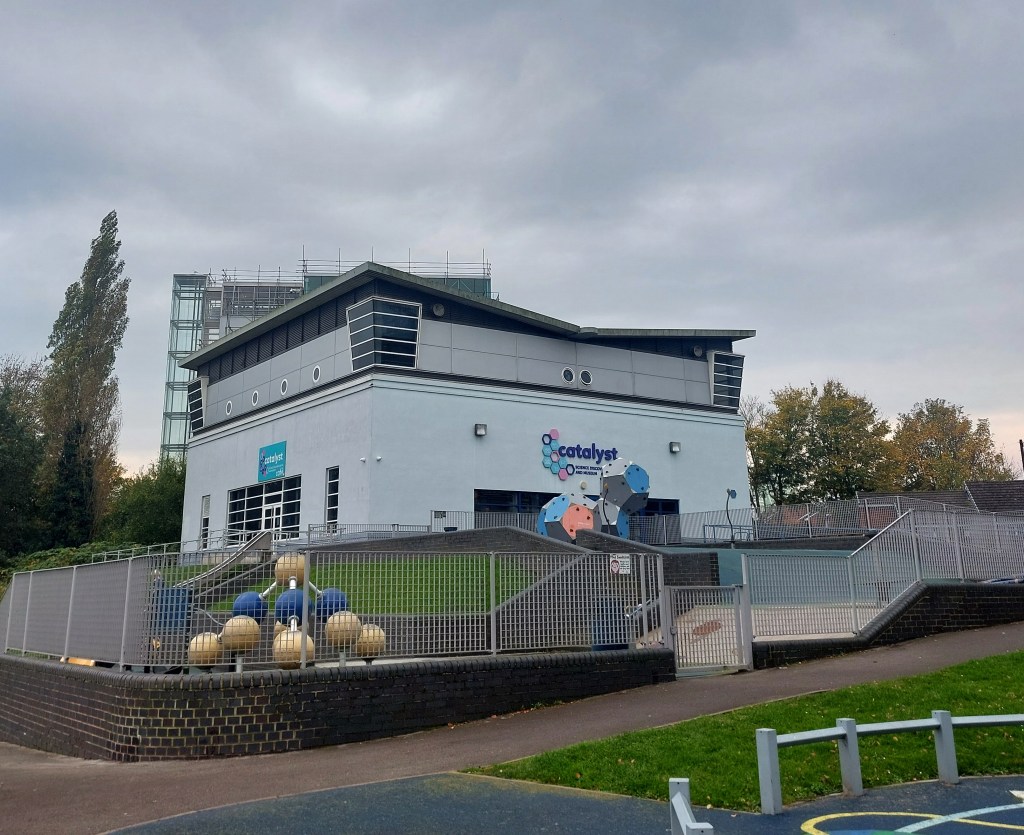
The Catalyst Science Dioscovery Centre and Museum, October 2024. Image copyright Dr Michael Nevell.

Historic England Publish New Data on Economic Value of the Heritage Sector

Each year, Historic England (HE) commissions a detailed economic study that aims to capture the economic ‘footprint’ of the heritage sector using national statistics disaggregated into subsectors, occupations, and local geographies. Using the latest available national statistics (2022), England’s heritage sector is estimated to have contributed £44.9 billion in Gross Value Added (GVA) to the UK economy in 2022 and supported the employment of over 523,000 workers (CEBR, 2024).

Like many sectors, the heritage sector has faced extraordinary challenges since 2020 due to macro-economic shocks, including the COVID-19 pandemic, growing cost-of-living costs, and escalating global energy prices. The post-pandemic evidence demonstrates a resilient and recovering heritage sector emerged in 2022.

The top three constituent sub-sectors of England’s Heritage Sector (construction; libraries, archives and museums; and architectural and engineering activities) accounted for over 80% of the total GVA of England’s heritage sector. The construction industry remained the largest constituent heritage sub-sector in 2022, generating £7.42 billion GVA. The next largest industry – Libraries, archives, museums and other cultural activities -contriubed almost £3.34 billion. Architectural and engineering activities contributed £1.86 billion. The heritage sector in the South East supported the largest number of workers in 2022, with 61,000 directly and indiretcly employed in the sector.

To read the Historic England overview of this research follo this link: https://historicengland.org.uk/research/heritage-counts/heritage-and-economy/economic-value/

Images courtesy of Historic England.

Thwaite Watermill Museum Under Threat from Local Authority Budget Cuts

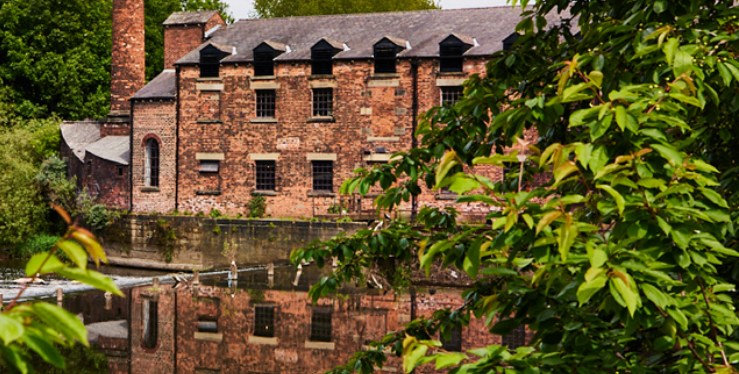
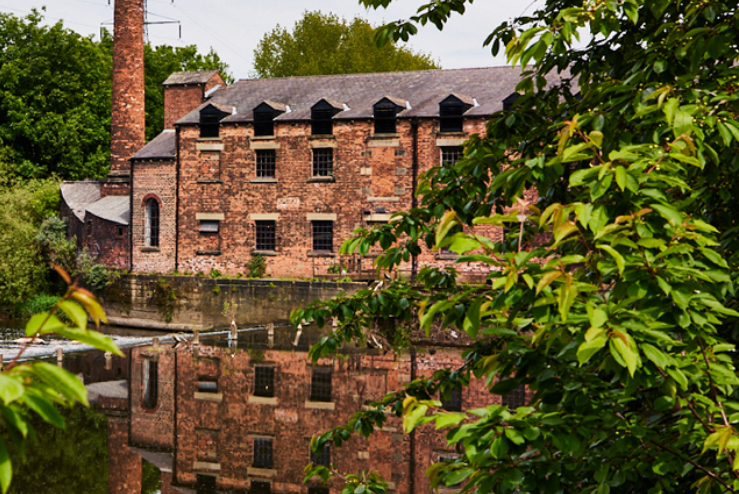
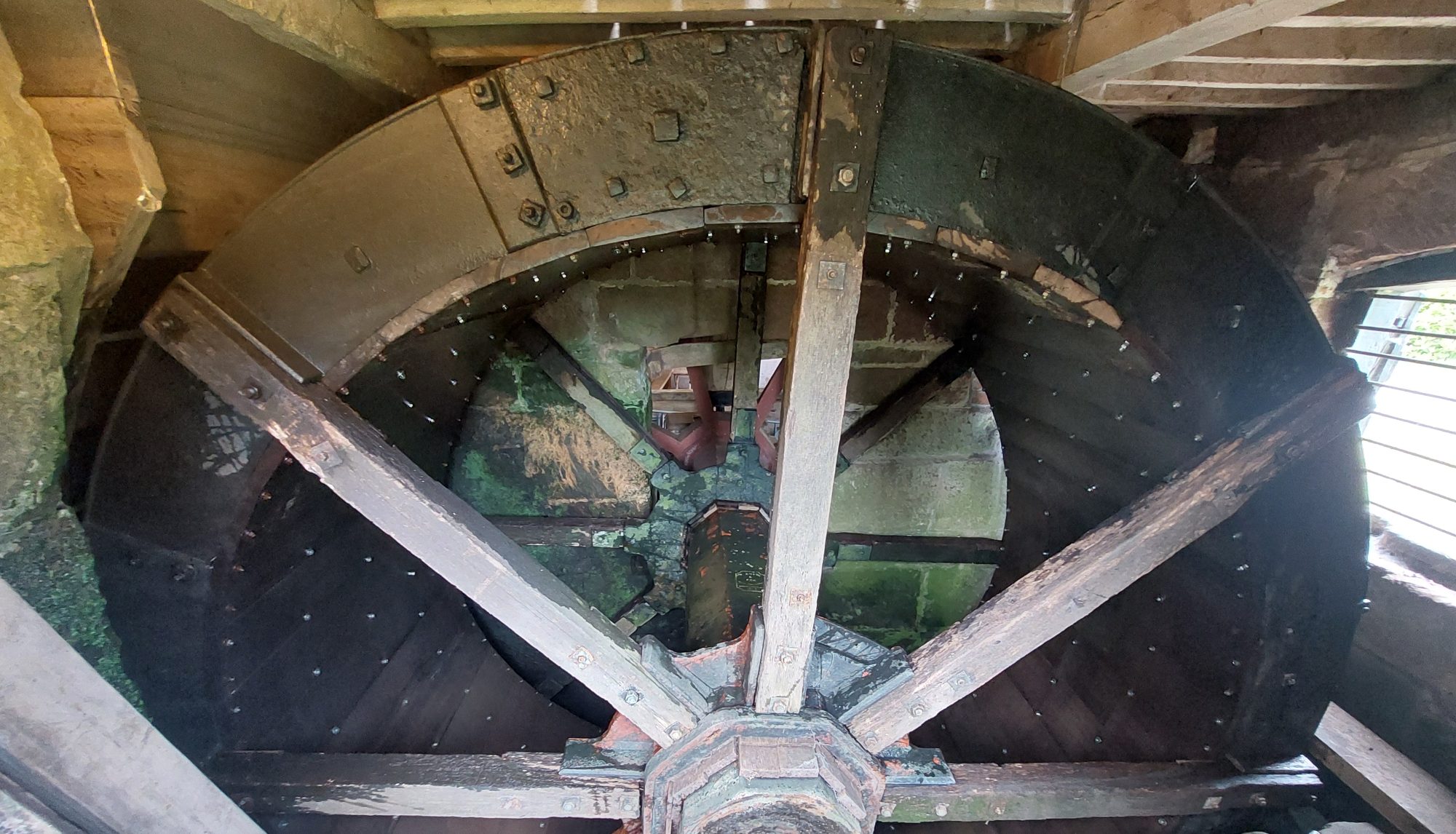
Thwaite Watermill Museum, in Leeds, may be faced with closure. The museum of Leeds’ milling industry is set in a former mill on an island in the River Aire. The site is owned by the Canal and River Trust, and run by Leeds City Council museums and galleries. The lease on the site is currently due to end in 2030, but as part of proposed budget cuts Leeds City Council is considering a proposal to end the lease in 2025.

The CRT confirmed that if the lease ends, it would not be able to afford to take over the running of the museum. A spokesperson said: “We are sorry to hear this update. If the council terminates the lease and closes their museum, we will have to look for alternative viable options for the use of the property that will help safeguard its future. In this difficult economic climate, our charity is facing the same financial challenges with the day-in day-out task of looking after and keeping open our 2,000 miles of waterways, including the hundreds of centuries-old locks, bridges, tunnels and aqueducts here in Yorkshire. Unfortunately, we do not have the funding to take on the council’s running of the Thwaite Watermill museum.”

For further details see: https://www.yorkshireeveningpost.co.uk/news/people/owner-confirms-thwaite-watermill-museum-to-permanently-close-if-lease-ended-by-leeds-city-council-4439898

Thwaite’s Watermill/ Image courtesy of Leeds City council, museums and galleries