Welcome to the Industrial Heritage Networks and Support website. This site is maintained and updated by the Ironbridge Gorge Museum Trust who run the project and the networks. We aim to support industrial heritage in England through networking, information exchange, guidance, and training. Please explore the website and please contribute! For more information you can … Read more Welcome to the IHNs website!
Combe Mill industrial heritage museum is to receive the Engineering Heritage Award of the Institution of Mechanical Engineers. The Awards recognizes pioneering engineering artefacts, locations, collections, and landmarks and celebrates the contribution of mechanical engineering to our past and present.
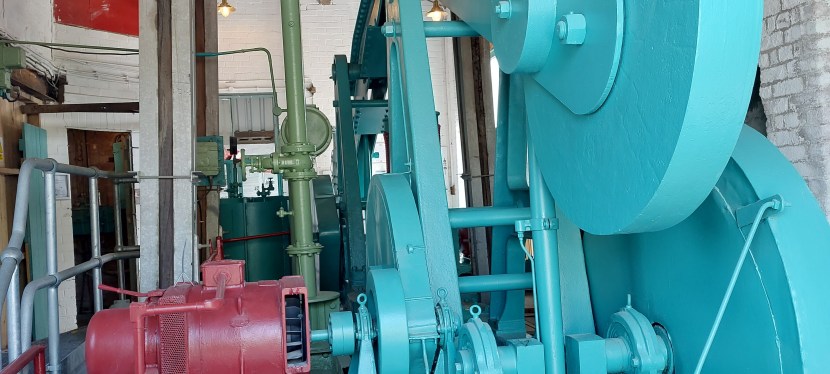
The award will be presented at Combe Mill by John Wood MBE, past President of the Institution of Mechanical Engineers and Chairman of the Engineering Heritage Committee, on Sunday 21st August 2022 at 3:00 p.m. The citation on the award plaque will read: A fine example of a Victorian English estate workshop and sawmill. Restored by the Combe Mill Society volunteers, 1969-2012, it includes a beam engine and waterwheel. Combe Mill illustrates the impact of social and technological change on this rural English landscape.
Steve Foster, chairman of Combe Mill Society said, “Combe Mill is delighted and honoured to receive the Engineering Heritage Award. A dedicated stream of volunteers has worked hard to restore, preserve and demonstrate the historic mill, its people and its place in the local community for over 50 years and this award is a tribute to all their efforts.” For further details of the award follow this link: https://www.imeche.org/engineering-heritage-awards).
Combe Mill can trace its origins back to the medieval period. The current grade II* listed buildings are a rare survival of a steam and water powered mill together with much original machinery still in operation. For further detail follow this link: https://www.combemill.co.uk/
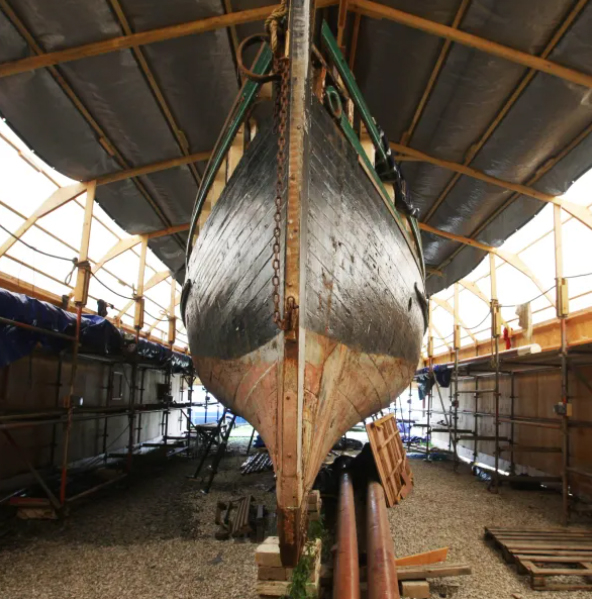
The Britannia Sail Trust have been selected for a National Transport Trust Restoration Award, and are in the running for a prestigious Founder Award, named after the founders of the National Transport Trust. This recognition of the work of the Britannia Sailing Trust, and the £1500 which comes with the Restoration Award, will go a long way to support the work of the Trust.
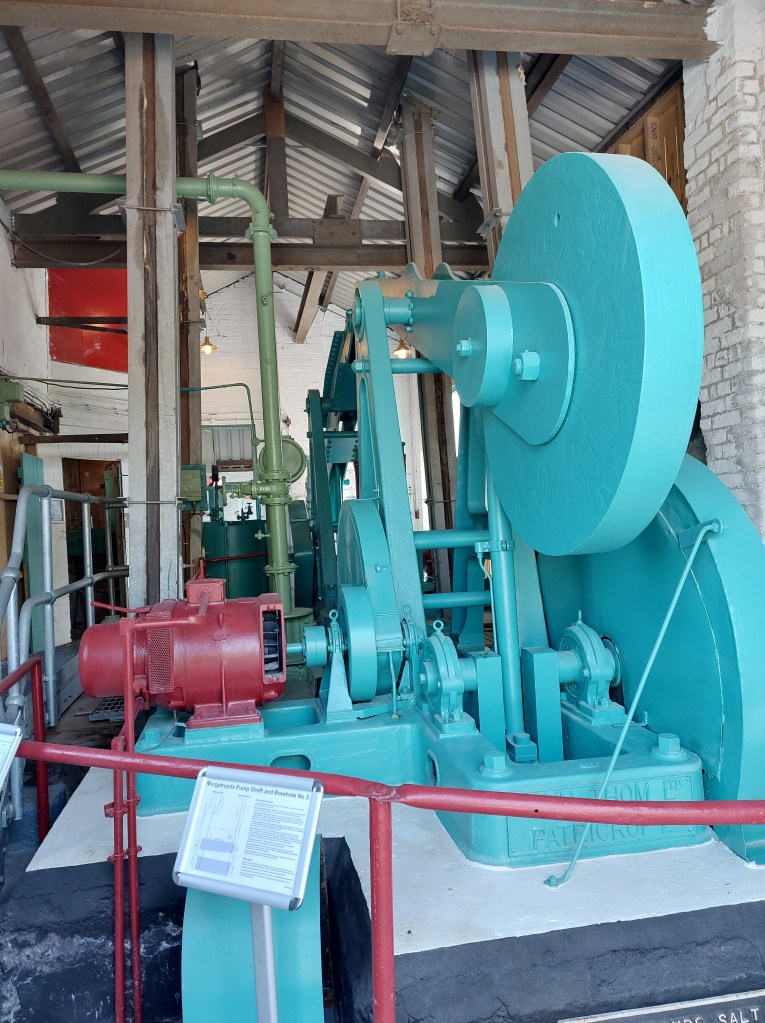
Live in the North West? Then why not visit Murgatroyd’s Brine Pumps on 30th and 31st July open 12 noon to 4pm. The site is located in Middlewich, Cheshire CW10 0JG. This a newly restored industrial heritage made possible with grant funding from the Association for industrial Archaeology and the NHLF.
The Trust that runs the site is planning guided tours at this unique site, displays, activities, films and refreshments. Learn about Cheshire Salt and Chemical industries and how they impacted on our landscape and community. Entry is free.
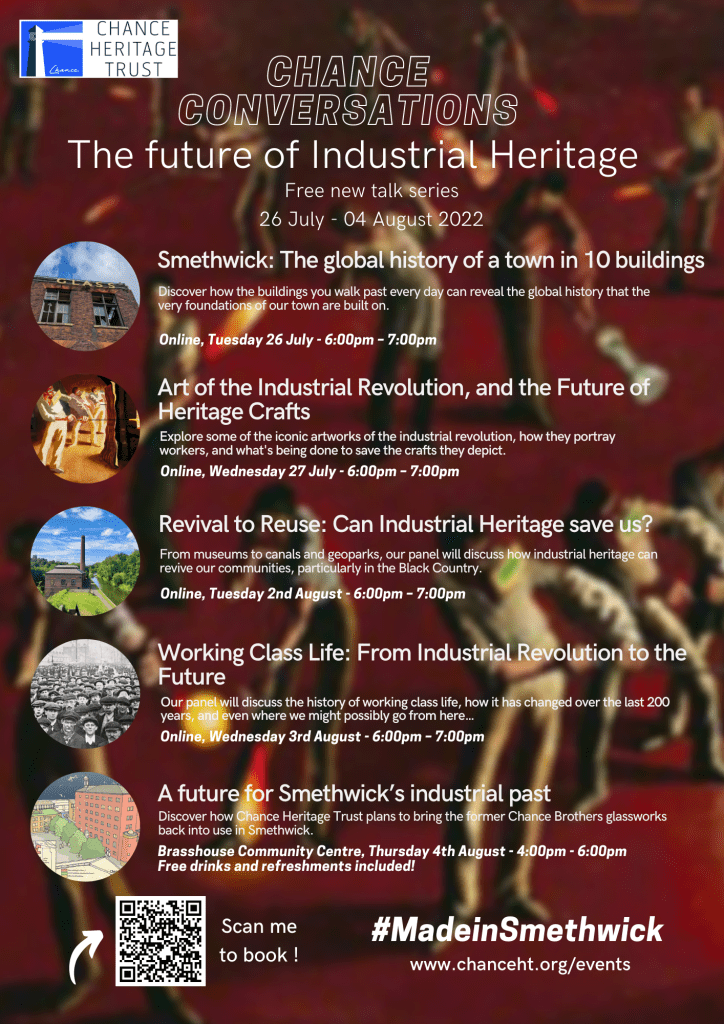
Taking place online from 26 July – 04 August 2022, Chance Conversations will explore some of the biggest current topics in industrial heritage, from the different ways it can revive communities, to how old industrial buildings can reveal the global foundations a town is built on. The talks are being hosted by Chance Heritage Trust and DigVentures as part of #MadeinSmethwick – a programme of public events inspired by stories from Chance Brothers glassworks in Smethwick, and the continuing mission to give this disused industrial building a new lease of life within its surrounding community.
Panellists include Simon Briercliffe (University of Birmingham), Lizey Thompson (Canal and River Trust), Graham Worton (Black Country UNESCO Global Geopark coordinator), Mary Lewis (Heritage Crafts Association), Malcolm Dick (University of Birmingham), Marianne Monro (Chance Heritage Trust), and many more. Each panel discussion will include a live Q&A.
You can see the whole series and join in the discussion by registering for FREE at:
Chance Conversations: The Future of Industrial Heritage Hosted by Chance Heritage Trust and DigVentures as part of #MadeinSmethwick
Global Smethwick: The history of a town in 10 buildings
Tue 26 July 2022, 6pm BST (via Zoom, recording available)
Smethwick isn’t just any old town: from the Red Cow pub to Marshall Street’s Malcolm X plaque and Guru Nanak Gurudwara, it has been built by people from all over the world. Our panel will discuss how the buildings you walk past every day can reveal the foundations of a town, and the global history it is built on.
Art of the Industrial Revolution and the Future of Heritage Crafts
Wed 27 July 2022, 6pm BST (via Zoom, recording available)
During the industrial revolution, artists created murals and paintings showing the skill and craft of its workers, like the dancer-like glassblowers painted by Mervyn Peake inside Chance Glassworks. What can we learn from images like this? And what’s being done to save the skills they depict today? Our panel will discuss the art of the industrial revolution, and introduce some of the people trying to save heritage crafts today.
Revival to Reuse: Can industrial heritage save us?
Tue 02 August 2022, 6pm BST (via Zoom, recording available)
Why is industrial heritage so popular right now? And can its ruins be used to heal some of the wounds created by the human and environmental impact of industrialisation? From museums to canals and even geoparks, our panel will discuss how industrial heritage can encourage revival, reuse, and renewal within our communities, particularly in the Black Country.
Working Class Life: From Industrial Revolution to the Future
Wed 03 August 2022, 6pm BST (via Zoom, recording available)
Working life has changed in so many ways over the last few hundred years, for men, women, children, and families – not just in the UK, but around the world. Our panel will discuss the history of work and working-class life, how it has changed (and how it hasn’t) from the industrial revolution to the present day, and even where we might possibly go from here…
Thu 04 Aug 2022, 4pm BST (Brasshouse Community Centre, Smethwick)
How do you bring an old industrial building back into use? And how do you make sure it contributes to community life? Our panel will discuss the journey, from the different options available and how to get started, to what can be learned along the way – all while hearing about Chance Heritage Trust’s ongoing plans to bring the former Chance Brothers Glassworks back into use in Smethwick.
Are you interested in interviewing people and recording their voices for posterity for industrial heritage or community projects? The Dialect and Heritage Project has a number of opportunities for volunteers to conduct interviews that could become part of the Leeds Archive of Vernacular Culture. Running on Saturday 23rd July, 10.30am to 3.30pm at the Avoncroft Museum, the training session is for anyone who might like to take part and develop valuable skills that will enhance this project and, hopefully, other projects across the West Midlands.
This self-contained course, organised jointly by the Heritage Lottery Funded Dialect and Heritage Project and Avoncroft Museum of Historic Buildings aims to be an informal and practical introduction to oral history interviewing
The use of water from abandoned coal mines to heat homes and historic sites has taken a further step forward. The Welsh government has agreed to spend £450,000 on a project which it hopes will help cut Welsh energy bills and Wales’ carbon footprint. The money will be used by the Coal Authority, who manage disused pits in Britain, to locate the best areas in Wales for such a project.
Potential sites will be tested for the effectiveness of extracting water from disused mines and putting it through a heat exchanger, where some heat is recovered, before it is amplified by a heat pump. This can then be used to heat homes and/or industrial heritage sites. Mine water heating is low-carbon, but not carbon-free because the water has to be further warmed using a heat pump, which operates like a fridge in reverse. A similar programme in Gateshead, England, developed by the Coal Authority at a cost of £9m, has become the largest mine water heat scheme in the UK.
National Historic Ships UK, Historic England, and the Maritime Heritage Trust are working together on a ‘Heritage Harbours’ initiative to promote greater awareness and support for this maritime heritage. Heritage Harbours are places of historic maritime significance that retain original features, buildings, and facilities important for supporting historic vessels and maritime skills, which help connect the public to the UK’s maritime past.
‘Heritage Harbours’ is not a form of legal designation like listing a building or registering a park. Rather, the term underlines the historic importance and potential of harbours identified by this label. The Heritage Harbours concept emerged from a desire to safeguard and restore the infrastructure and skills necessary to support maritime heritage, including historic boats and ships still in use or preserved. All three organisations are committed to exploring how the Heritage Harbour concept might be developed and promoted in practice.
First introduced to the UK in 2019 by the Maritime Heritage Trust, working in partnership with National Historic Ships UK, the Heritage Harbours idea has been embraced and built upon by communities across the UK. This has seen the establishment of local steering groups, forums, and volunteer led initiatives, as well as investigatory work into what individual Heritage Harbours could offer in the future.
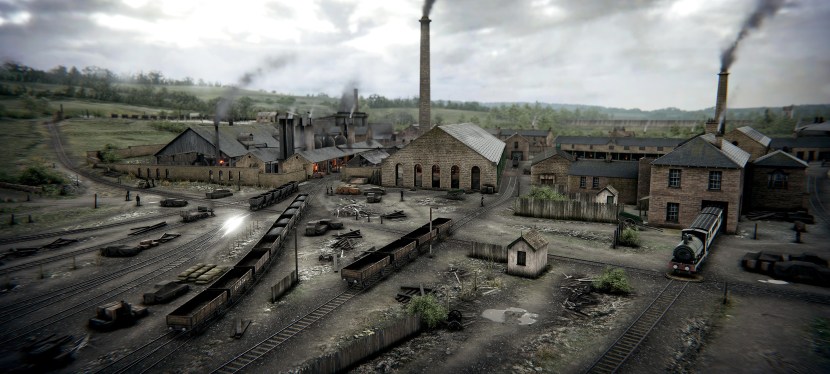
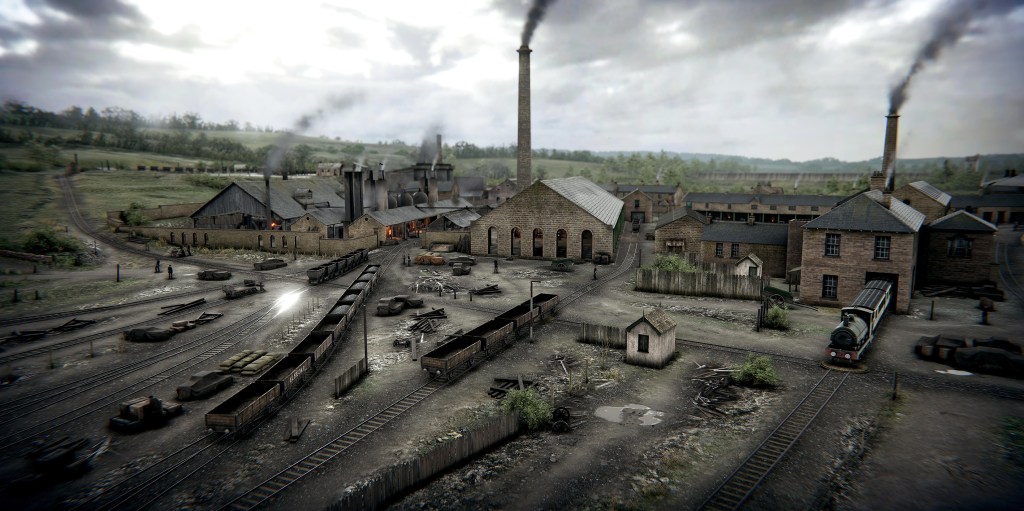
Barnsley Museum have launched a fly-through reconstruction of the 19th century Elsecar industrial village. The stunning fly-through is a digital rendering showing Elsecar and the surrounding area at its industrial peak around 1880 with ironworks, collieries, canals, railways and settlements all visible.
Prepared by Barnsley Museum and produced by digital creator Martin Moss of Dextra Digital, it is based on research carried out by Historic England as part of the Elsecar Heritage Action Zone, together with local volunteer historians and experts across the UK, which has transformed our understanding of the importance of Elsecar. It is also a legacy project of the Great Place Wentworth & Elsecar Programme, supported by Arts Council England and the National Lottery Heritage Fund.
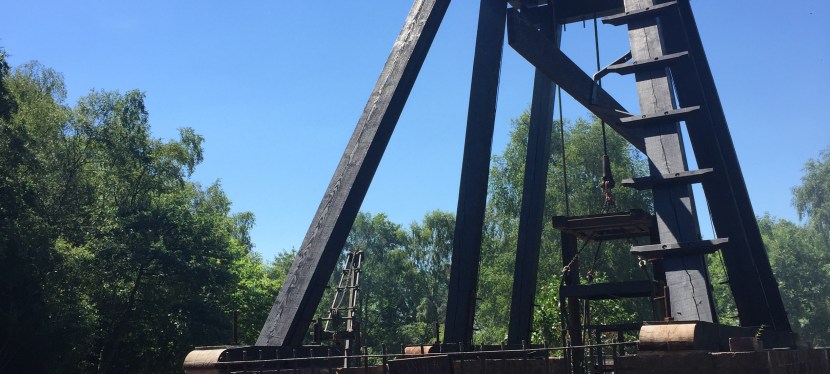
The North Pennines AONB Partnership is looking for an organised and experienced project manager with a background in management of the historic environment and in community engagement, to lead the development stage of its new lead mining heritage project – Land of Lead and Silver.
Land of Lead and Silver is funded by the National Lottery Heritage Fund and Historic England. The project focuses on lead mining heritage of the North Pennines, and on the skills required to record, conserve, maintain and interpret this heritage for future generations. It starts with the stories associated with this heritage and aims to tell these stories in ways which connect with new audiences, building support for this heritage and recruiting volunteers for the future.
Subject to successfully securing funding from NLHF for the delivery stage of the project, the contract would be extended for a further four years. Please follow this link for more information and to apply:
Charity Digital are hosting their annual conference, #BeMoreDiguital, on 30th June 2022 in London, in person. The Charity Digital Conference is created by charities, for charities. It aims to help build confidence and skills for charities across the UK, regardless of their digital maturity or digital expertise. It is an opportunity to grow together, to learn from each other, and to ensure the sector’s collective success, and copuld be useful for those running industrial heritage sites.
The topics covered include sessions that touch on the following: fundraising and marketing; strategy, tech and data; impact; small charities; keynote session.