

Historic England has published the 2025 Heritage at Risk Register. There are 4,891 entries on the Register which covers archaeology, battlefields, buildings and structures, conservation areas, parks and gardens, places of worship, and wrecks. This year, 129 buildings and gardens were taken off the list for positive reasons such as grant funding and/or being repaired. However, 138 were added. 12 of the sites taken off the register are industrial structures.

Claudia Kenyatta CBE and Emma Squire CBE, Co-CEOs of Historic England, said: “The heritage we see all around us impacts how we feel about our local places. The annual Heritage at Risk Register gives us the opportunity to celebrate the many benefits of bringing our historic buildings back into use.”
“The best way to protect our buildings is to reuse them, turning them into places of local connection and joy. The sites that have been saved and have come off the Register this year really highlight the benefits of working together in partnership, and with communities, to create positive, sustainable change. Together we can safeguard our heritage for future generations.”
Industrial sites removed from the ‘At Risk Register’ include:
- Augill Smelting Mill, North Pennines
- Bower Spring cementation furnace, Sheffield
- Etherley Incline, Stockton & Darlington Railway, County Durham
- No. 7 Bottle Shop, St Helens
- Long Shop Museum, Leiston
- John Taylor & Co Bell Foundry, Loughborough
- Kingston Telephone Exchange, Ashdown Road, Kingston upon Thames
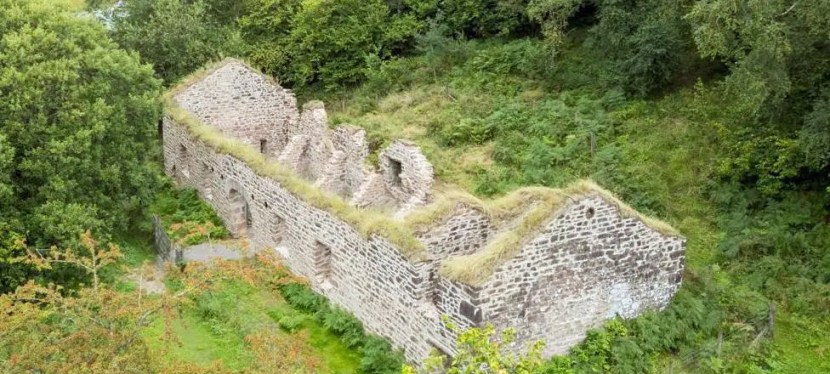
- Newland Blast Furnace (Blacking Mill only) in Egton with Newland
- Papplewick Pumping Station, Nottingham
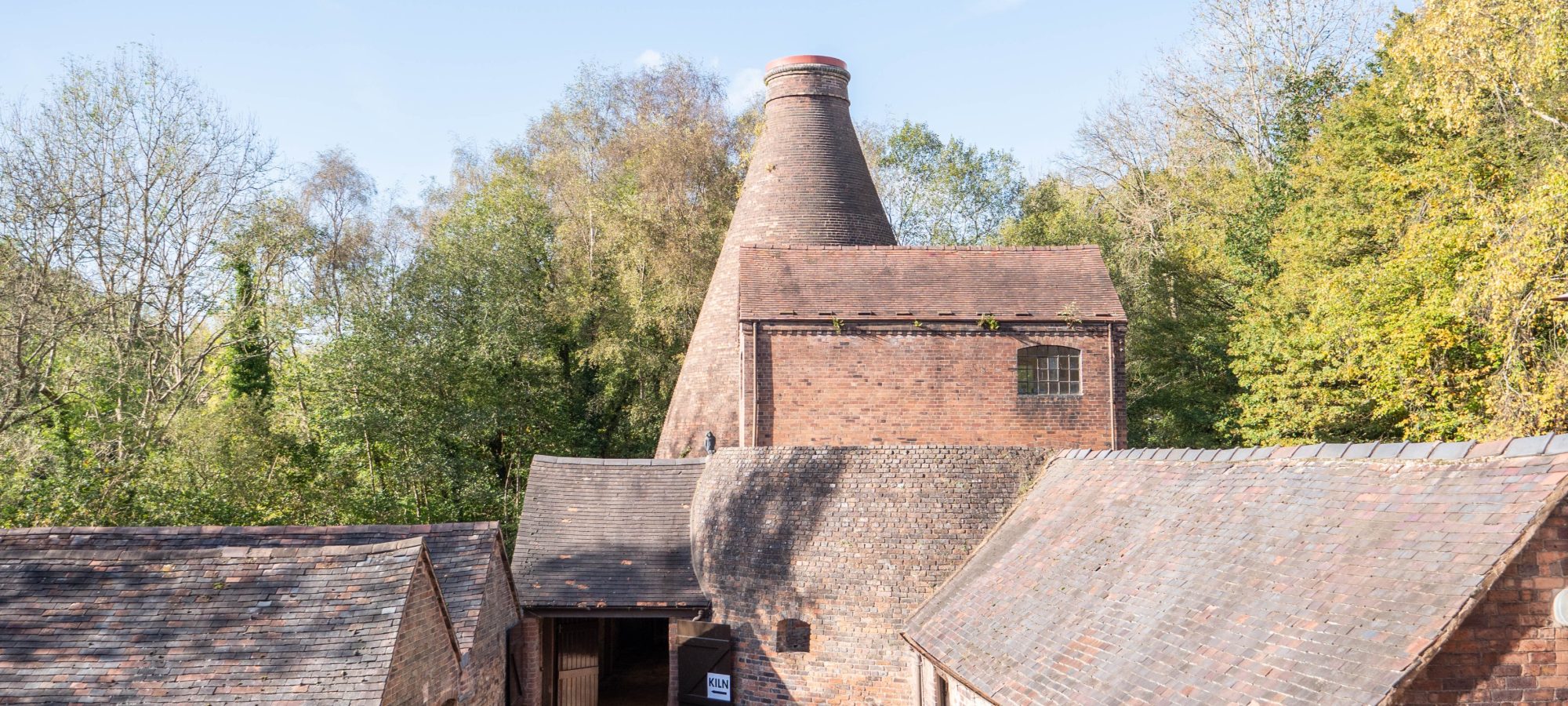
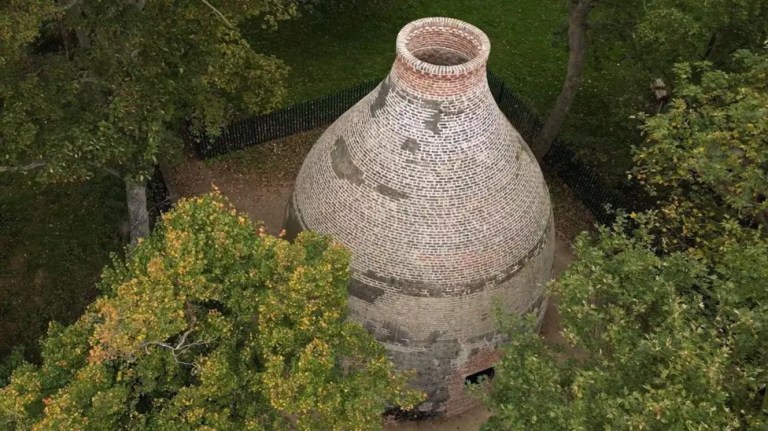
- Rockingham Kiln (Swinton Pottery), South Yorkshire
- Temple Works Gatelodge, Leeds
- The Triangular Crane and Bumble Hole Boat Yard in Netherton
Industrial sites added to the ‘At Risk Register’ include:
- Cromford Mills Buildings 26 and 21 (cottages)
- Teesside Transporter Bridge
The full updated list for 2025 can be found here: https://historicengland.org.uk/listing/heritage-at-risk/findings/
Guidance on adding a site to the Herrtitage At Risk Register can be found here: https://historicengland.org.uk/listing/heritage-at-risk/suggest-addition-to-har-register/




 Industrial Heritage Networks