National Trust Take Over Ironbridge Gorge Museum Trust in ‘Landmark Moment’ for UK Industrial Heritage

The Department for Digital, Culture, Media and Sport (DCMS) has announced (16 October 2025) that the National Trust will be taking over the Ironbridge Gorge Museums Trust in spring 2026, securing their future, with the aide of a £9 million Government grant from the ‘Plan for Change’ fund. The Museum Trust, formed in 1967 and within the Ironbridge Gorge UNESCO World Heritage Site, is one of the UK’s largest independent museums and the custodian of some of the nation’s most significant industrial heritage. Like many industrial heritage sites in England the Trust has been dealing with increased costs, climate change, and lower vistor numbers since the pandemic.
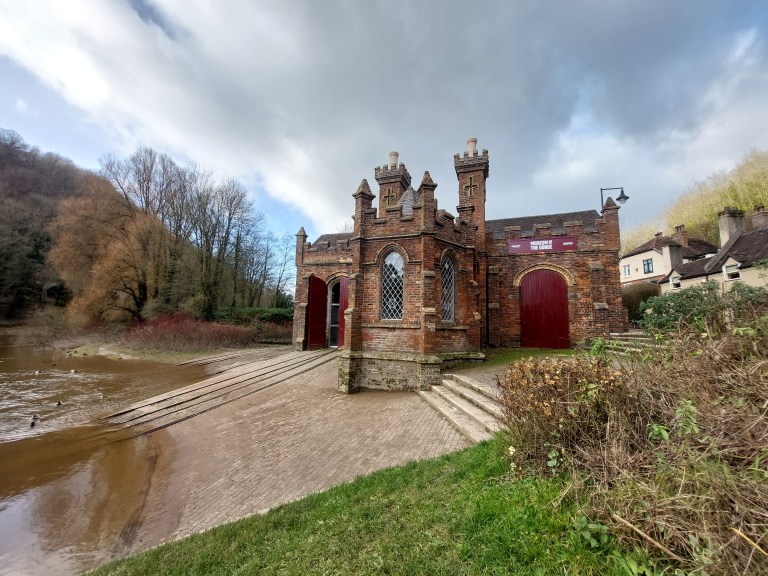
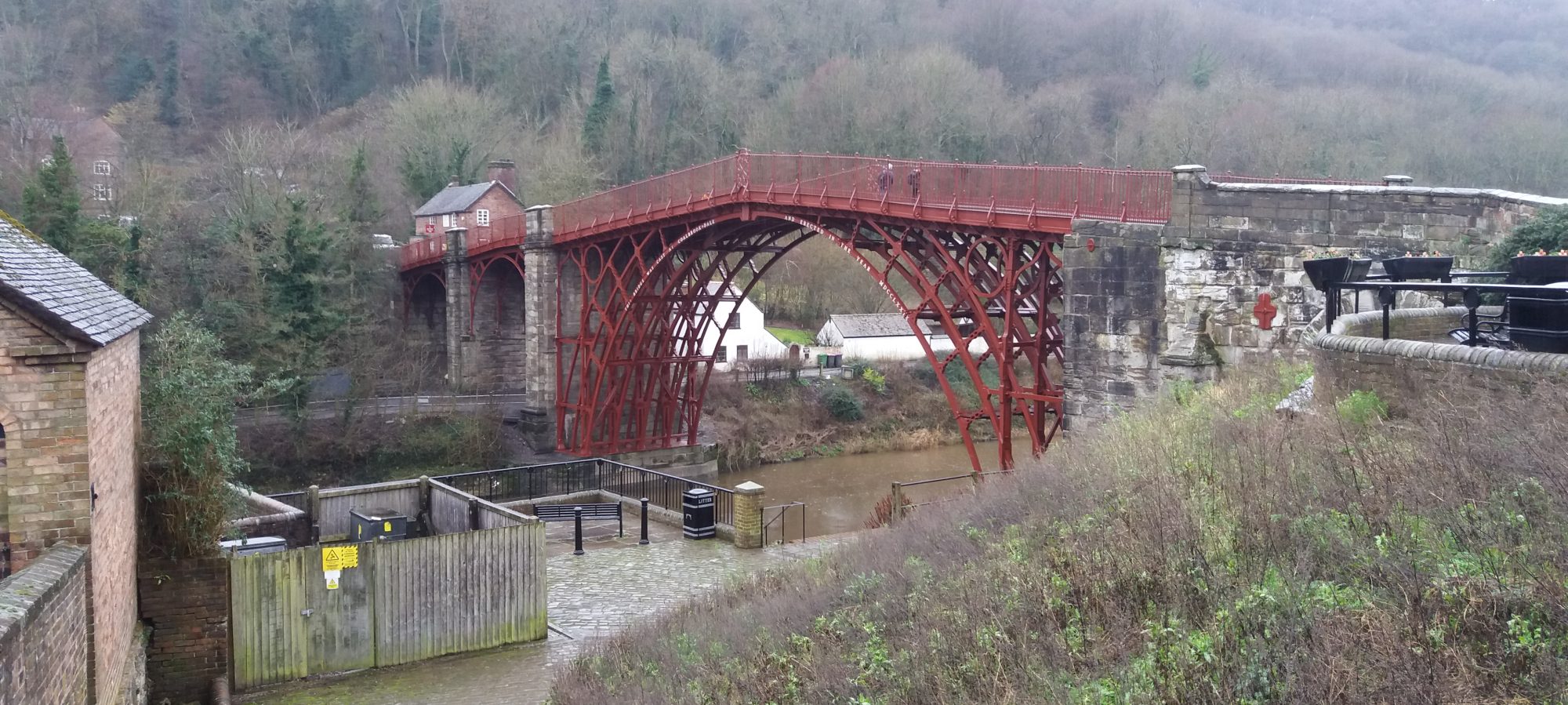
Museum of the Gorge. Image Copyright Dr Michael Nevell.

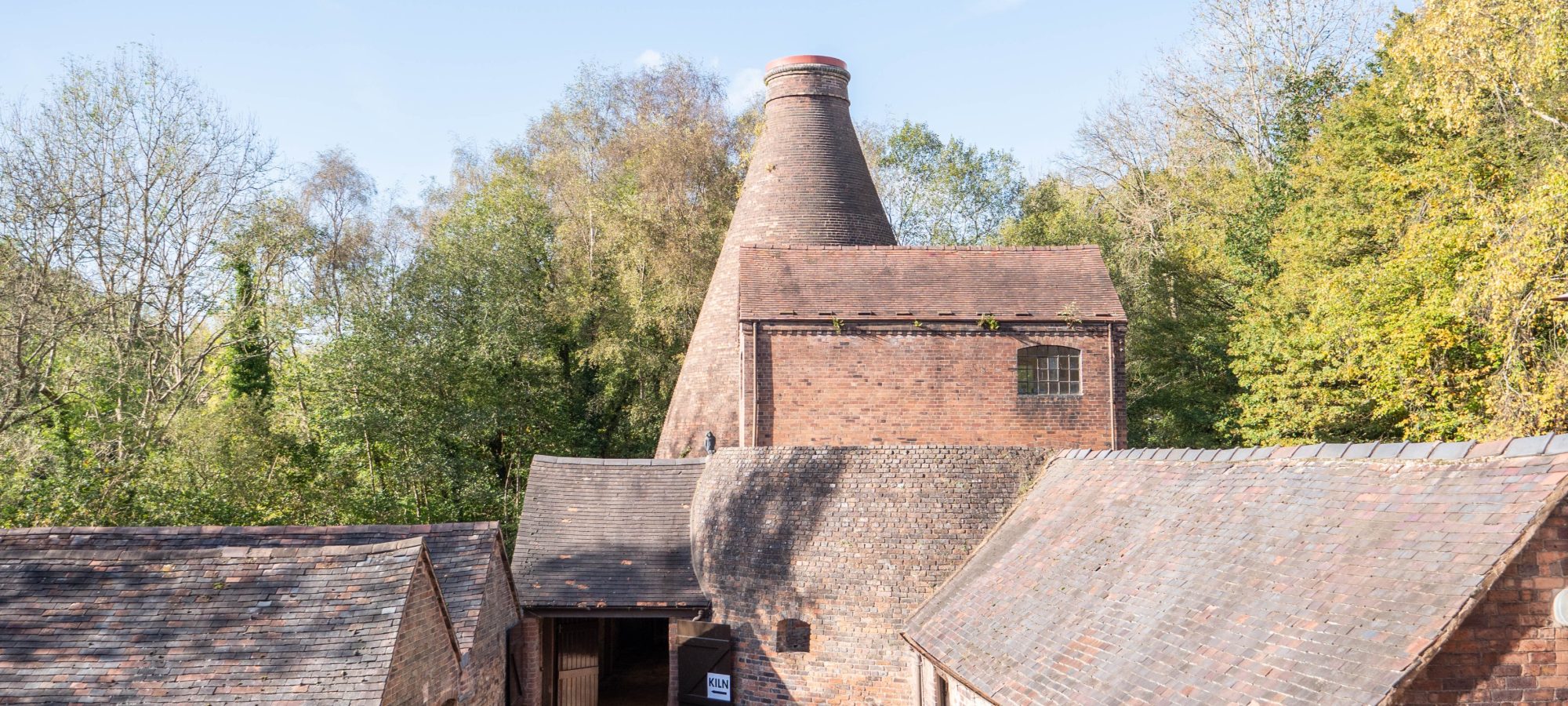
This funding will enable the transfer of the Ironbridge Gorge museums to the National Trust, securing the future of this internationally significant heritage site and ensuring continued access to Britain’s industrial heritage for hundreds of thousands of annual visitors.  The Ironbridge Gorge was designated as one of Britain’s first UNESCO World Heritage Sites in 1986, recognising its pivotal role as the epicentre of 18th century world industrialisation. The site encompasses 10 museums (Blists Hill Victorian Town, Enginuity, Coalbrookdale Museum of Iron, the Old Furnace, the Darby houses, the Museum of the Gorge, the Ironbridge Tollhouse, the Tar Tunnel, Coalport China Museum, Jackfield Tile Museum and Broseley Pipeworks), and 35 listed heritage buildings and Scheduled Monuments, and attracts 330,000 visitors annually. Its Nationally Designated collection includes more than 400,000 objects, representing a rich and unique record of Britain’s industrial past.

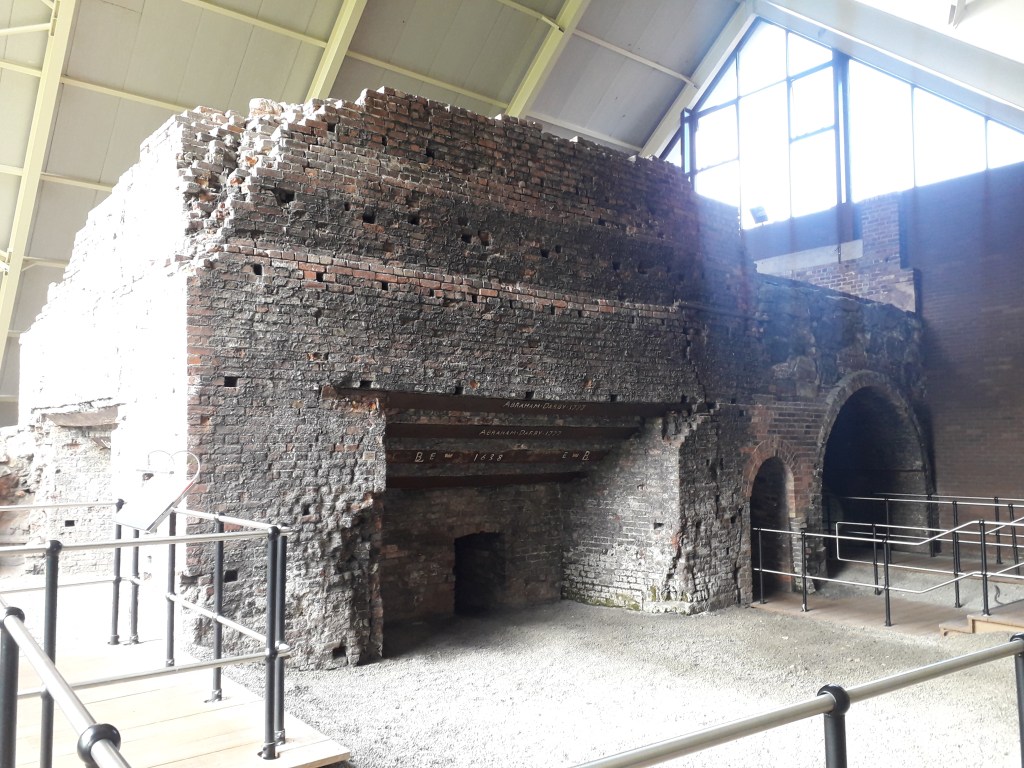
Lisa Nandy, Secretary of State for the Department of Digital, Media, Culture and Sport, visited Abraham Darby I’s furnace and Coalbrookdale Museum to make the announcement. She stated that: “As the birthplace of the Industrial Revolution, it is absolutely vital that the museums in the Ironbridge Gorge are protected as a key heritage asset in this country and a significant contributor to jobs and the economy in the Shropshire area.” Speaking to the Shropshire Star on Thursaday she also noted that: “One of the first things that came across my desk in 2024 when we were first elected was Ironbridge. It has been struggling like every heritage site in the country with visitor numbers post pandemic, but it also takes a lot of funding to continue to invest and protect the condition of this incredibly important historic site….It was urgent. If we hadn’t intervened and formed this partnership with the National trust I think it is fair to say that people who grew up coming here as children would not be bringing their children and grandchildren here in future years. So we were determined we were going to step up and support this, and to back that with a financial down-payment of £9m to demonstrate our commitment not just to Ironbridge, which is one of the most important sites in the country but to our industrial heritage, because the history of this country is not just the history of kings and queens and stately homes, it is the story of the most extraordinary people the length and breadth of Britain, people’s parents and grandparents, ordinary people who powered this country, built our wealth and influence and shaped who we are today.”

Councillor Carolyn Healy, Telford & Wrekin Council’s Cabinet Member for Neighbourhoods, Planning & Sustainability, noted that: “This is a landmark moment for our Borough and for heritage conservation nationally. The Ironbridge Gorge Museum Trust, including the many local people who have worked for the trust over the years, has been an outstanding custodian of our industrial heritage.”

Hilary McGrady, Director General of the National Trust, said “The Ironbridge Gorge is widely regarded as the birthplace of the Industrial Revolution, which paved the way for the scientific and technological innovation that defines our world today. The site is an example of British ingenuity, a source of immense national and community pride and a distinct and much-loved icon of our shared heritage. I cannot think of something more at home in the National Trust’s care – an institution built to protect and preserve the things our nation loves on behalf of everyone, everywhere.”

Mark Pemberton, Chairman of the Board of Trustees for IGMT commented that, “We are incredibly pleased to have secured the long-term future of the Museum by its transfer to the National Trust. The £9m investment by DCMS is recognition of the global significance and national importance of Ironbridge. Ironbridge was important as the birthplace of industry and as a major tourist destination it now plays a part in the success of the local economy. Ensuring a smooth transition, and in particular supporting IGMT’s staff and volunteers throughout the transition period, is now our priority.”

The full UK Government statement can be found here: https://www.gov.uk/government/news/shropshires-ironbridge-gorge-museums-saved-for-the-nation

For the full Shropshire Star interview with the DCMS Secretary of State, Lisa Nandy, follow this link: https://www.shropshirestar.com/news/local-hubs/telford/ironbridge/2025/10/16/national-trust-to-take-over-ironbridge-museums-with-9m-government-grant/
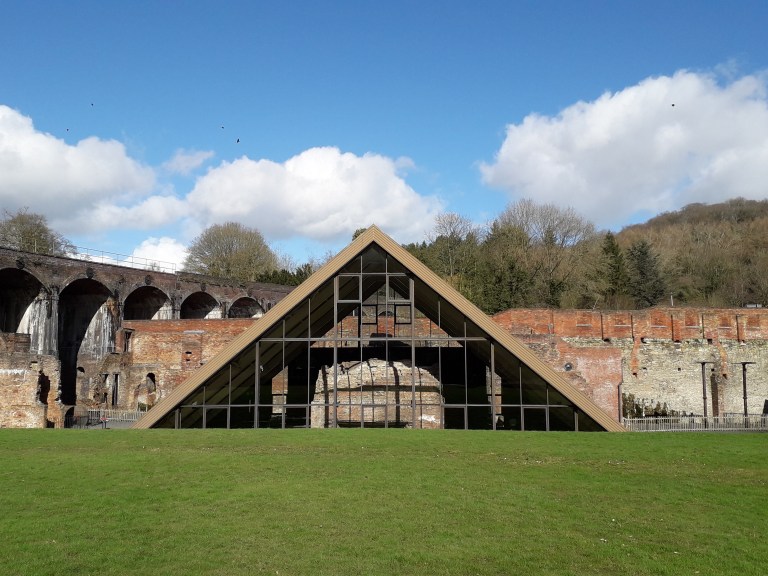
Abraham Darby’s 1709 iron furnace at Ironbridge. Image copyright Dr Michael Nevell.

Ironbridge Launches ‘Get Us Winding Again’ Appeal

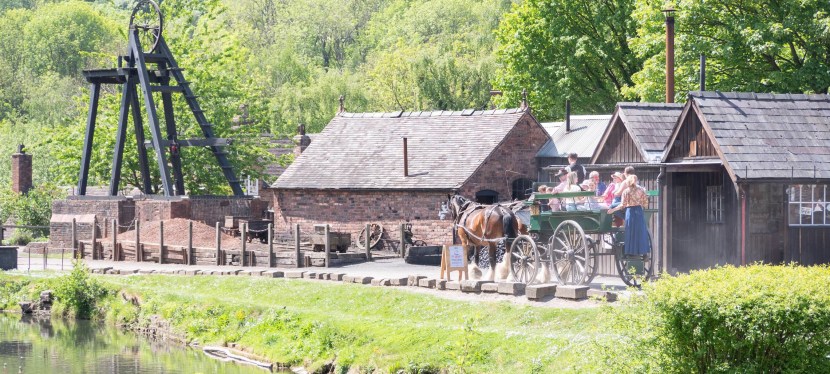
The Blists Hill winding engine

The Ironbridge Gorge Museum Trust has launched a new £100,000 fundraising appeal, Get Us Winding Again, to raise funds to repair the winding engine at Blists Hill Victorian Town. The steam-powered winding engine is one of the earliest and most significant exhibits in Blists Hill Victorian Town. 

Winding engines were used to carry people, equipment and horses up and down a mine shaft. The museum’s winding engine dates to the mid-19th century and was originally used at Milburgh Tileries, a mine in nearby Jackfield. The cage on the end of the cable would have carried one tub of coal or clay at a time or six men at winding speeds of up to 30mph (44 feet per second) without men and about half that with men on.

Today the winding engine at Blists Hill Victorian Town is capable of winding empty tubs a short distance up and down the original mine shaft. However, due to normal wear and ageing (the winding engine ran most days from its installation in 1973 to 2018) and due to an overwind incident that occurred in 2018, it has not been in operation for the last six years.

The new Get Us Winding Again campaign aims to raise £100,000 to repair and restore the winding engine so that visitors can once again see it in action. Find out more about the campaign, as well as seeing a video of the winding engine in action, on the IGMT website.  

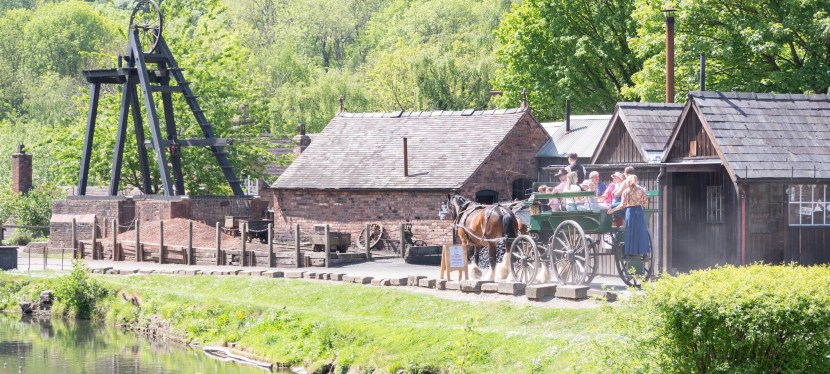
The Blists Hill mining headstocks and centrte, the winding engine house. Image Coutesy fo IGMT.

Conservation Work Begins on the Iron Bridge Tollhouse

As part of the Conserving the Historic Estate project, funded by the National Heritage Memorial Fund, the Ironbridge Gorge Museum Trust will be undertaking conservation work on the Iron Bridge Tollhouse in August 2024. The Grade II listed tollhouse, first protected in 1974, lies at the southern end of the Iron Bridge and is built against its western side.

Travellers wishing to cross the bridge would pay a toll depending upon their mode of travel. Dating from the early 19th century, the three storey brick building is now entered from the bridge level, or the upper storey of the structure. The tollhouse contains an exhibition about the Iron Bridge and its history. IGMT will be redecorating the doors and windows, replacing roof tiles, and re-pointing brick work. However, the Tollhouse will remain open to the public as usual.

The money for the restoration work is part of the funding recieved by the Museum in March 2022 for the repair and maintenance of the historical buildings and monuments across the Museum’s sites. This funding is overseen by the National Heritage Memorial Fund (NHMF) on behalf of Department for Digital, Culture, Media and Sport (DCMS).

Webinar Series on UK Industrial Heritage

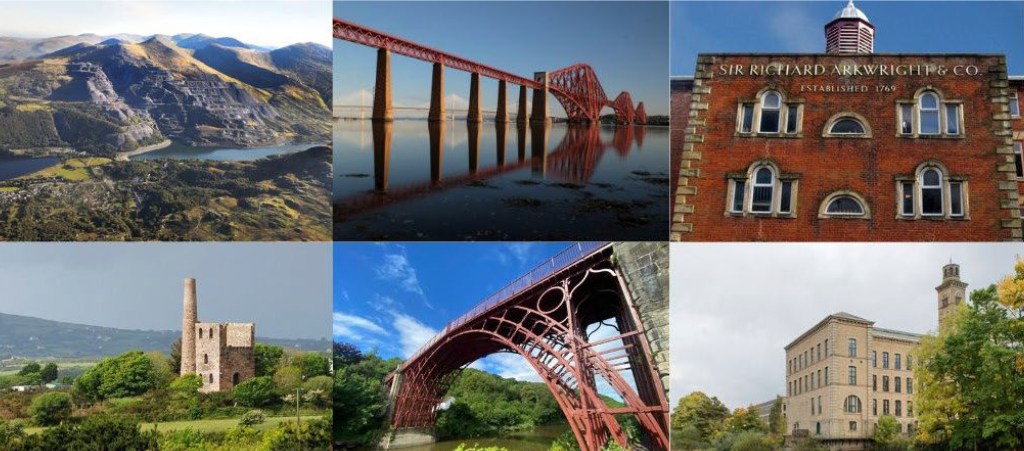
World Heritage UK is hosting a series of online talks in 2024, exploring the UK’s Industrial World Heritage. Each talk will be given by an expert closely associated with each World Heritage Site and will explore why that WHS is internationally important. Each webinar is recorded and ticket holders will be provided YouTube links for each talk, to revisit or catch-up with later.

The webinar topics, and dates, are as follows:

  • Thu 11th Jan – The Slate Landscape of NW Wales with David Gwyn, Heritage Consultant & Historian
  • Thu 8th Feb – Forth Bridge with Mark Watson from Historic Environment Scotland
  • Thu 7th Mar – Derwent Valley Mills with Adrian Farmer from Derbyshire County Council
  • Thu 4th Apr – Cornish Mining with Aynsley Cocks from Cornwall County Council
  • Thu 2nd May – Ironbridge Gorge with WHS Chair Marion Blockley
  • Thu 6th Jun – Saltaire with Sheena Campbell, Saltaire World Heritage Officer and Maggie Smith, Saltaire Collection
  • Thu 4th Jul – Reflecting on the UK’s Industrial World Heritage Sites with Ironbridge’s Brandi Hall-Crossgrove and Prof. Ian Wray from the Heseltine Institute, Liverpool University

Each webinar starts at 19.00 UK time and will run for approximately 60 minutes, including short Q&A sessions at the end. Tickets for individual webinars cost £5, or buy all seven for £25. For more details and to book, please go to https://worldheritageuk.org/events/

Image courtesy of World Heritage UK.

Ironbridge Gorge Museum Trust and Keele University Join Forces to Research Industrialisation

Keele University and Ironbridge Gorge Museum Trust have joined forces in a new partnership that will develop student opportunities and open doors for new research into 300 years of industrialisation. To find out more, go online and watch a short video, which includes a few words from Nick Booth, IGMT Collections and Learning Director, and Dr Mike Nevell, Industrial Heritage Support Officer for England.

To coincide with the launch, a roundtable discussion will take place on the evening of Monday 3 July to discuss the lessons that our industrial heritage might hold for the world’s transition to a zero-carbon economy. It will be chaired by Professor David Amigoni, Professor of Victorian Literature, Director of the Keele Institute for Social Inclusion and a member of Ironbridge Gorge Museum Trusts Collections and Learning Committee; Abbie King, IGMT’s Chief Operating Officer, will be one of the speakers.

To attend the roundtable discussion online use the link below. Please register no later than 4.00pm on the day of the event. 

Ironbridge, Innovation, and Imagination: Industrial Memory as Global Challenge
Monday 3 July 2023 6.00 – 7.00pm
Online only via Microsoft Teams

http://www.keele.ac.uk/ilas/whatson/

Darby Old Furnace