Beamish Wins Art Fund Museum of the Year 2025

Beamish, The Living Museum of the North, has won the Art Fund Museum of the Year for 2025 and has been presented with £120,000 – the largest museum prize in the world. The 350-acre site impressed the judges away with its ‘joyous, immersive, and unique’ exhibitions.

Beamish’s commitment to preserving local heritage was recognised by the Art Fund, with Rhiannon Hiles, Chief Executive of Beamish, being presented with the award during a ceremony at the Museum of Liverpool.

Jenny Waldman, Director of Art Fund and chair of the judges for Art Fund Museum of the Year, said: “Beamish is a museum brought to life by people – a joyous, immersive and unique place shaped by the stories and experiences of its community. The judges were blown away by the remarkable attention to detail of its exhibits across a 350-acre site and by the passion of its staff and volunteers.”

Beamish, which opened in 1970, is an open-air museum that brings to life the North East of England’s Georgian, Edwardian, 1940s and 1950s history, through immersive exhibits where visitors engage with costumed staff and volunteers, and experience regional stories of everyday life. In 2024, the museum welcomed over 838,630 visitors and remains the region’s most visited attraction and museum.

For more details follow this link: https://www.beamish.org.uk/news/beamish-wins-120000-art-fund-museum-of-the-year-2025-award/

Edwardian street scene at Beamish. Image courtesy of Beamish, Living Museum of the North.

Museum of Carpet New Exhibition ‘Frocks & Floors, Fibre & Fabrics’ Opens July 2024

A new exhibition of costume and carpet tracing textile sustainability throughout the 20th century opens at the Museum of Carpet, Kidderminster, in July. Running from 3 July to 31 August, this exhibition is a partnership with Kidderminster College.

This is an opportunity to see beautiful vintage dresses and stunning complimentary carpet designs spanning the last century. The exhibition will look at how fibres and materials have influenced fashion and changed the way we live.

The Museum of Carpet is an independent museum, with no regular local or central government funding, and needs help to cover rising costs. For more information, visit the Donate tab on their website here: https://museumofcarpet.org/support-us/

The museum is open Wednesdays to Saturdays and the exhibition entry is included in your museum admission. Children have free entry to the museum.

Essex Industrial Heritage Fair, 14th September 2024

The Essex Industrial Archaeology Group biennial Industrial Heritage Fair will take place on 14th September at the Grange Barn, in Coggeshall, 10am to 4pm. This event is running in partnership with the National Trust and is part of Heritage Open Days 2024.

There will be exhibits by Essex societies and industrial sites covering such industries as: agricultural engineering; public water supply; brick-making; metal windows; company villages. There will also be an exhibition of woodcarving tools used by local master carver Bryan Saunders until his death in 1975. The Saunders Collection is a fascinating goldmine of chisels, hammers, knives, measuring devices and other carving tools.

In addition, there are four short talks on local industries including the cloth trade and metal working, and attendees can take a self-guided tour of industrial sites in Coggeshall, including former maltings & breweries, textile factories, and the isinglass factory. Coggeshall Museum, Abbey Watermill, and the Village Smithy will also be open.

Admission and car parking is free.

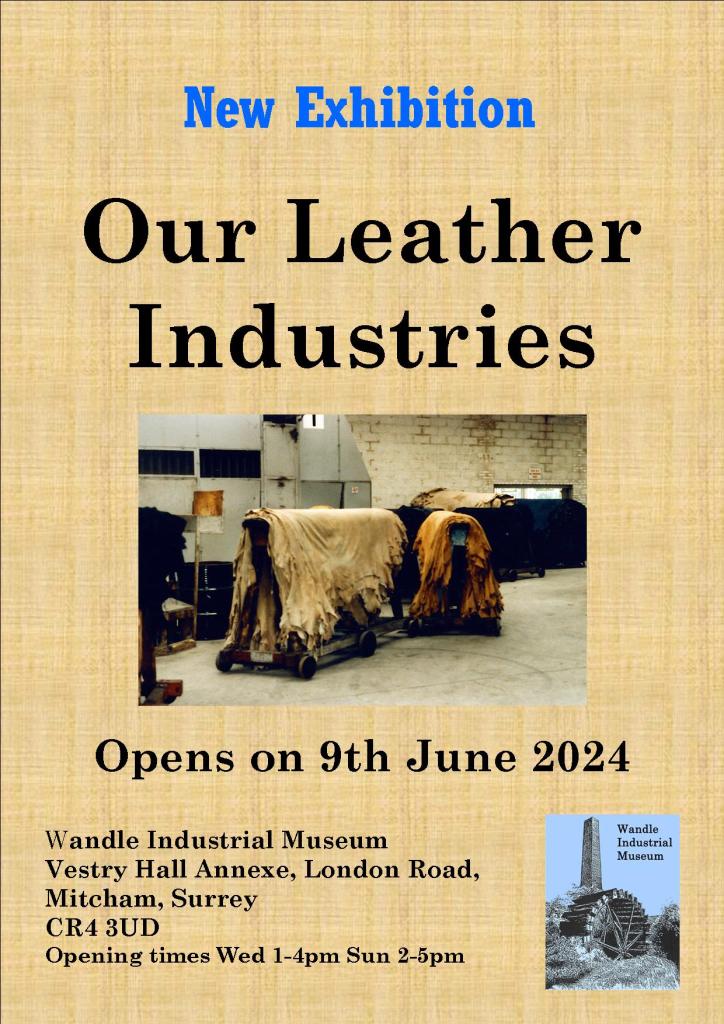
‘Our Leather industries’ New Exhibiton by the Wandle Industrial Museum

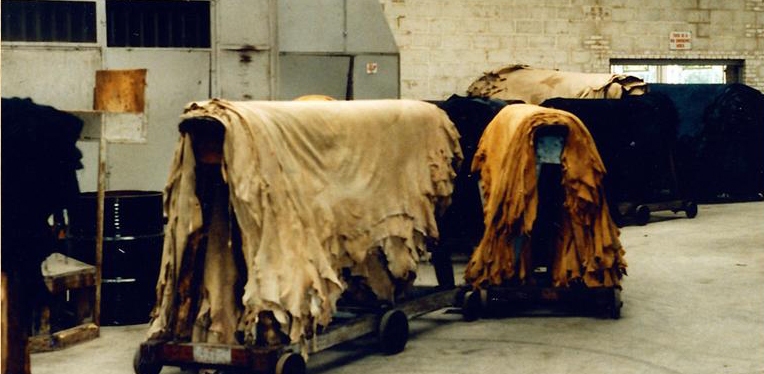
The latest exhibition by the Wandle Industrial Musuem opens on 9th June 2024. ‘Our Leather Industries’ looks at the history of leather making and some of the products produced in the Wandle Valley in the 19th and 20th centuries.

The exhibition can be found at the Vestry Hall Annexe, London Road, Mitcham, Surrey. Open on Wednesdays, 1-4pm and Sundays 2-5pm, the exhibtion is free to enter.

From Stars to Cells: The Life of Iron – New Free Ironbridge Exhibition Opens

The latest free exhibition at the Ironbridge Gorge Museum Trust (IGMT), ‘From Stars to Cells: The Life of Iron’, opened to the public on the 24 April in the Coalbrookdale Gallery. Running until December 2024, the exhibition explores the science of iron, taking you on a journey from iron’s origins in space billions of years ago through to its use by humankind and in the Ironbridge Gorge.

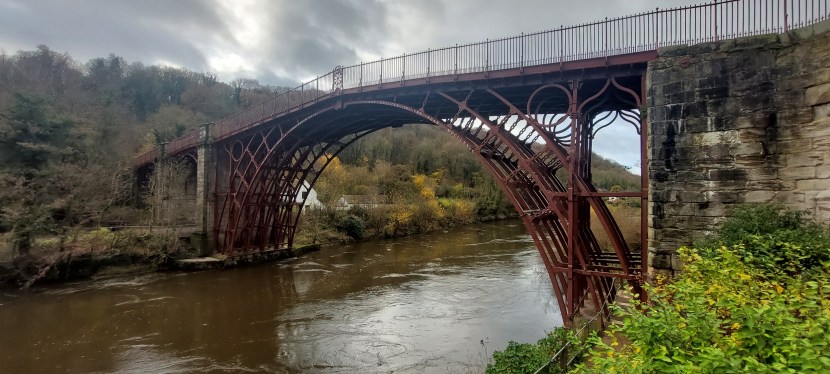
The story of iron is particularly important to the local area, where the pioneering Darby family revolutionised our lives with their innovations in the iron industry, a symbol of which is the Ironbridge. This exhibition will explore the formation of iron atoms in stars and supernovas. You will have the chance to see up close meteorites formed in space 4.5 billion years ago. Then you will be transported to the Iron Age and around 750 BCE, with a selection of objects on loan from Shropshire Museums. You will see Iron Age coins from the Claverley Hoard, unearthed in Shropshire; a gold decorative torc excavated in Telford; and a bronze sword found in the River Severn.

Months of work has gone on behind the scenes to do research, source objects from the collections of IGMT and other organisations, write the exhibition text, and doing the design. IGMT volunteers will staff the exhibition, welcoming visitors as they arrive. A highlight of the exhibition is a bead from a necklace (also on display) from ancient Egypt dating from approximately 3200 BCE, the earliest known manmade iron object in human history. It is a loan from the Petrie Museum of Egyptian and Sudanese Archaeology at University College London, and this is the first time it has been exhibited outside London.

IGMT are grateful to the Friends of Ironbridge Gorge Museum, who have paid for the case in which this bead will be displayed, and to Hiscox for insuring it. This free exhibition is curated in partnership with Keele University and supported by Arts Council England.

Newcomen and the Engines that Changed the World Exhibition

Dartmouth’s latest exhibition is all about the Newcomen steam engine. This new exhibition adds another two rooms to Dartmouth Museum and increases permanent display space by almost a third, when it opens in October 2023.  The new exhibition focuses on the evolution of atmospheric steam power at the birth of the Industrial Revolution, as experienced through the David Hulse Collection of eight atmospheric steam engine models.

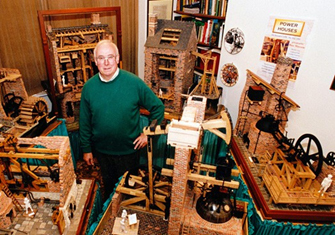
Each model has been chosen as it builds on Dartmouth engineer Thomas Newcomen’s installation of the first working “fire” engine in Dudley in 1712.  There were no significant improvements in Newcomen’s design until James Watt’s Smethwick engine in 1779 , which precipitated others in the collection, ending with Trevithick’s 1804 engine which used high-pressure expanded steam and was small and light enough to enable steam-powered transport.  David Hulse has spent 50 years bringing these engines to life in 1/16th scale models. David designed and manufactured every component in each engine, including the ceramic bricks for the buildings that housed the engines; each engine has taken about 6,000 hours of work. They are testament not only to David’s extraordinary skills as a model maker – and his inexhaustible patience – but also to his profound scholarship, as he has scrupulously researched every detail of their construction and operation in museums and archives throughout the country.  The collection is known around the world for the quality of its modelling.  David has generously donated the collection to Dartmouth Museum, where it will be on permanent display.

David Hulse and his steam model collection

This collection will be a wonderful resource and inspiration for students, specialist modellers, and those who simply want to know more about the machines that powered the industrial revolution and changed the world. The exhibition goes on to show the impact of steam power on Dartmouth and the lives of its people and opens on October 21st.

Dartmouth Museum is a community museum, committed to preserving and exhibiting the fascinating and rich history of Dartmouth and surrounding villages.  It is housed in a merchant’s house in the historic Butterwalk and was built in the 1640s. The Museum welcomes over 7,000 visitors annually from all over the world and is one of the few museums in the South Hams that is open throughout the year. A charity, it is run entirely by volunteers, including 30 stewards, who keep the Museum open 7 days a week.

For further details visit their website:

You can also see a video of David Hulse talking about his engines in the film ‘Mechanical Wonders’.

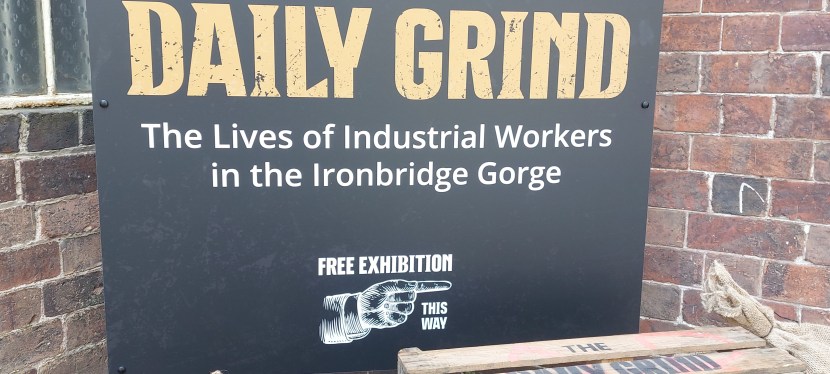
New, Free, Exhibition Opens at Ironbridge Gorge Museum Trust: ‘The Daily Grind: the Industrial Workers of the Ironbridge Gorge’

From bone washers and moulders to pit girls and painters, this exhibition shines a spotlight on the lives and voices of the people who have worked in the industries of the Ironbridge Gorge from the early days of the 18th century until the end of the First World War. 

The story of the Ironbridge Gorge and the Industrial Revolution often revolves around famous ironmasters, inventors, and entrepreneurs. While their stories are well known, less attention has been paid to the lives of the workers. Drawing on the Ironbridge Gorge Museum Trust’s extensive archive collections, including oral histories, diaries, and photographs, this exhibition will explore who they were, the work that they did, the vital contributions they made to the Gorge’s world changing history, and the hardships they faced whilst doing this. It also considers local industrial workers’ lives beyond their employment and the important role that religion, hobbies, and leisure pursuits played in their identity.

The exhibition is hosted in the Coalbrookdale Gallery, inside the offices of the Ironbridge Gorge Museum Trust, Coalbrookdale. It is free to enter and runs from the 28th April to 5th November 2023.