Greenwich Industrial History Society’s Talks on Youtube

Over the past couple of years talks on Zoom for Greenwich Industrial History Society have been recorded on Youtube.  The talks listed below are now available and more will be added soon.  They can be accessed via Youtube.  The  general link is https://www.youtube.com/@GreenwichIndustrialHistorySoc The talks available are as follows:

  • Charlton and Woolwich’s role in building the Pipeline Under The Ocean (PLUTO) of WW2. Stewart Ash. How Siemens Operation PLUTO got fuel to the Normandy beach-head in the Second World War.
  • Deptford, Greenwich and the History of Enslavement.  Judith Hibbert, and Helen Paul (Museum of Slavery and Freedom). The sad role of our part of London in the trade in enslaved people.  Deptford is the original point of departure for the first slaving ships.
  • George England and the Hatcham Locomotive Works. Kevin Robinson.Hatcham Locomotive Works New Cross was where George England (1812–1885) built six engines for the Ffestiniog Railway
  • Greenwich and Woolwich became the Birthplace of the Global Telecoms Network. Alan Burkitt-Gray.  Workplaces in Greenwich and Woolwich began what is now the global network that lets people communicate by phone, WhatsApp, Facebook and other platforms.
  • Greenwich Marsh to Greenwich Peninsula, 300 years of Regeneration. Mary Mills. The Greenwich Peninsula, now home to the O2, has been the scene of industry for a thousand years.
  • Greenwich Riverside, from Deptford to Charlton. Mary Mills. What do we really know about the Greenwich riverside? How has it evolved and been used over the centuries?
  • Keeping the World Connected, with Greenwich’s High-tech Industry. Stewart Ash. About submarine telecommunication cables and the vital role our area has played.
  • Marie Celeste de Casteras Sinibaldi, the undefeated blacksmith of Deptford. Ann Dingsdale.  The extraordinary personality of Marie Celeste de Casteras Sinibaldi, whom she calls the “undefeated blacksmith”.
  • Peter Marshall’s photographs of Greenwich and Docklands history since 1970. Peter Marshall. Photographing London since the 1970s with a particular interest in industrial and commercial buildings.  
  • Progress Estate, Eltham, Munitions Workers’ Housing. John McGuinness. The Great War created a need to house the enlarged workforce. The Progress Estate in Eltham, was built in 1915 to house Woolwich Arsenal workers.
  • Royal Greenwich: Archaeological Sites, Past, Present and Future. Mark Stevenson. The Archaeological Advisor to the Borough on sites from the recent past, current sites and as sites soon to see — archaeologists hard at work.
  • South London’s Failed Canals. Alan Burkitt-Gray. There are still remains of canals in south London if you know where to look. Built to connect to the English Channel they ultimately failed, while north London’s canals thrive.
  • Tools of Empire? The International Landscapes of the People and Materials of Submarine Telegraphs. Cassie Newland. Deconstruct the cables into their messy constituent parts, and tease out the international landscapes of people and materials linked by them – from the colonial copper-smelters in Chile to the indigenous gutta-percha collectors of Sarawak; and the peasant tar-burners of rural Sweden
  • Was There Really a Victorian internet?  Bill Burns. Over 170 years of history of communication after the laying of Greenwich made cables began in the mid-19th century
  • What about the workers? The Social History of Greenwich Hospital. Jacky Robinson. The Royal Hospital for Seamen, 1705 -1869, and the nurses and officers who lived and worked there
  • When Doctor Who and the Cybermen Came to Greenwich. Nigel Fletcher  The 25th anniversary of the TV series 1988 was marked by Silver Nemesis, part-filmed in Greenwich, on the peninsula. 

GIHS continues to lobby Greenwich Council to restore a properly functioning archive and museum service in the borough. Follow this link to sign the petition:   https://chng.it/cS7TtpzyHj

Add Your Images & Stories to Historic England’s Missing Pieces Project

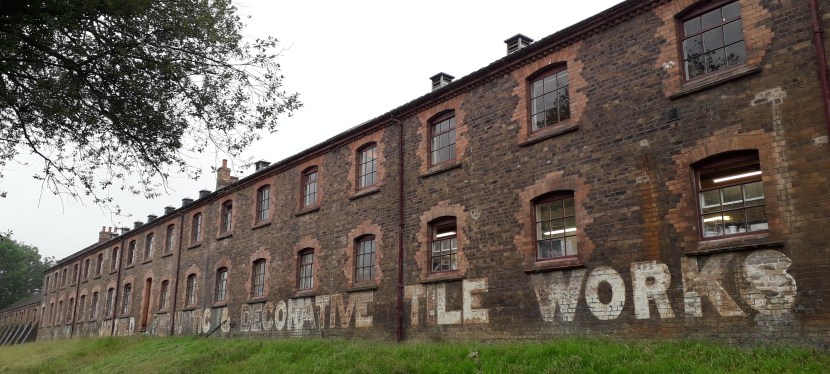
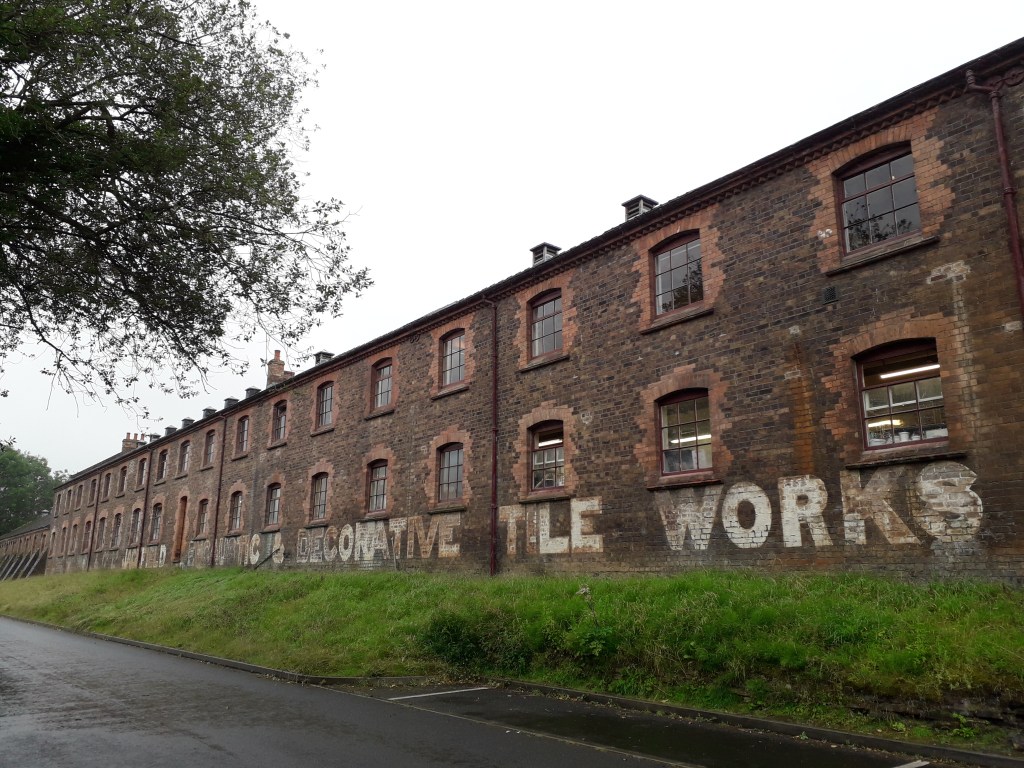
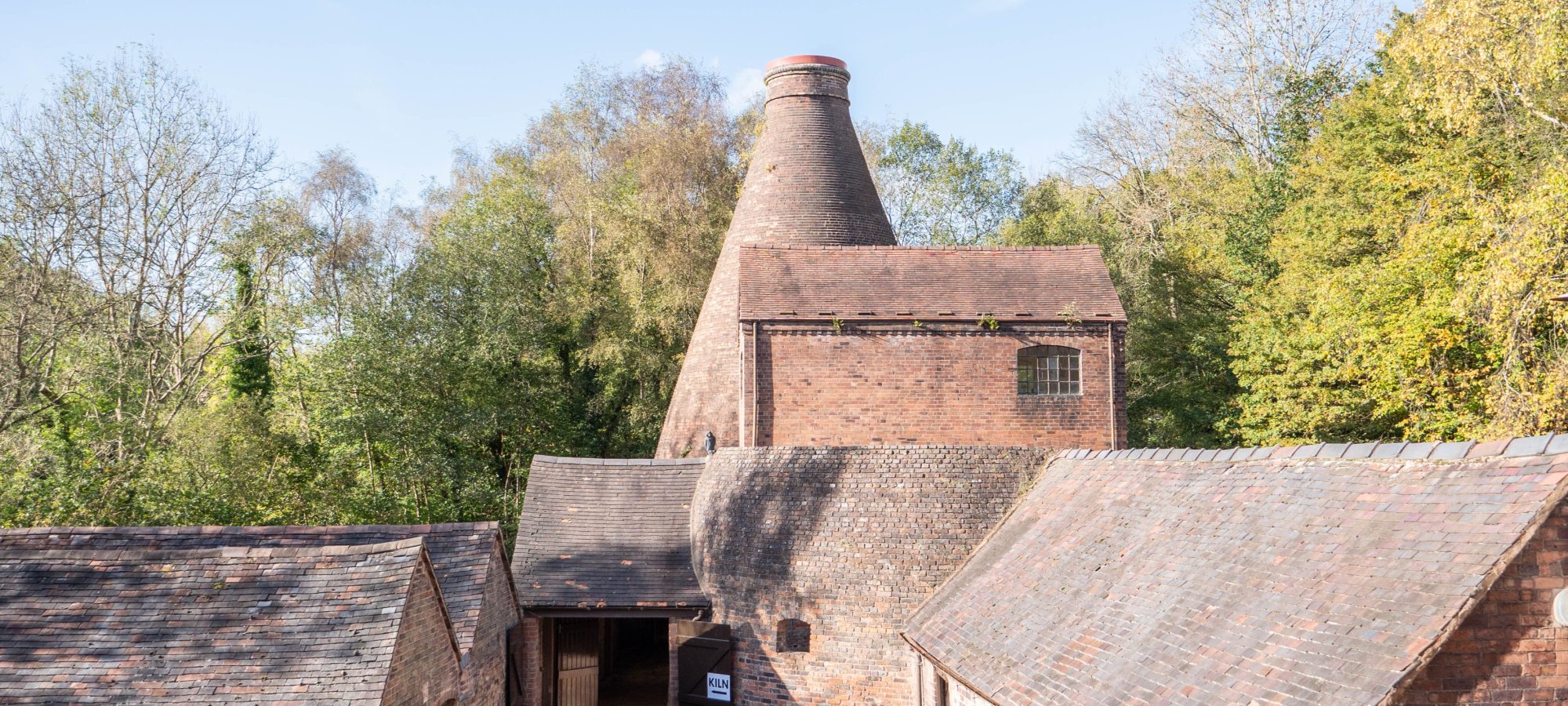
This image of the ghost sign at the Jackfield Tile Works, within the Ironbridge World Heritage Site, was recently add to the National Heritage List maintained by Historic England. Copyright Dr Michael Nevell.

Historic England is inviting the public to the share their pictures and stories of the unique, significant, and memorable places recorded on the National Heritage List for England. The List is a register of all nationally protected historic buildings and sites across England maintained by Historic England, and can be accessed via an interactive map on their website.

With thousands of industrial archaeology and heritage sites included on the List, this is a great opportunity to add material that will increase our understanding of the significance and importance of these sites to local communities and individuals. Historic England are encouraging two types of contribution:

  • Images: from phone snaps to scans of vintage photos and architects’ drawings, from wide angles to close-ups
  • Stories: from memories of holidays, school trips, and family events to information about grand openings and transformations

Any photographs included must be ones you took yourself, from public land or rights of way, or with the permission of the landowner. To add an historic image, you must have the rights to it.

For details on how to get involved and add your photograph or story of a place you know and love to England’s  the National Heritage List for England, follow this link: https://historicengland.org.uk/listing/missing-pieces/

Industrial Sites Saved & Added to Historic England’s Heritage At Risk Register for 2023

Historic England released its annual Heritage at Risk Register in November 2023, marking the 25th anniversary of publicly recording neglected or imperilled heritage sites. In total, there are 4,871 entries on the 2023 register, 44 fewer than in 2022. However, heritage sites continue to be added to the Register every year. In 2023 there were 159 new entries, made up of 44 buildings and structures, 53 places of worship, 55 archaeology entries, 3 parks and gardens and 4 conservation areas.

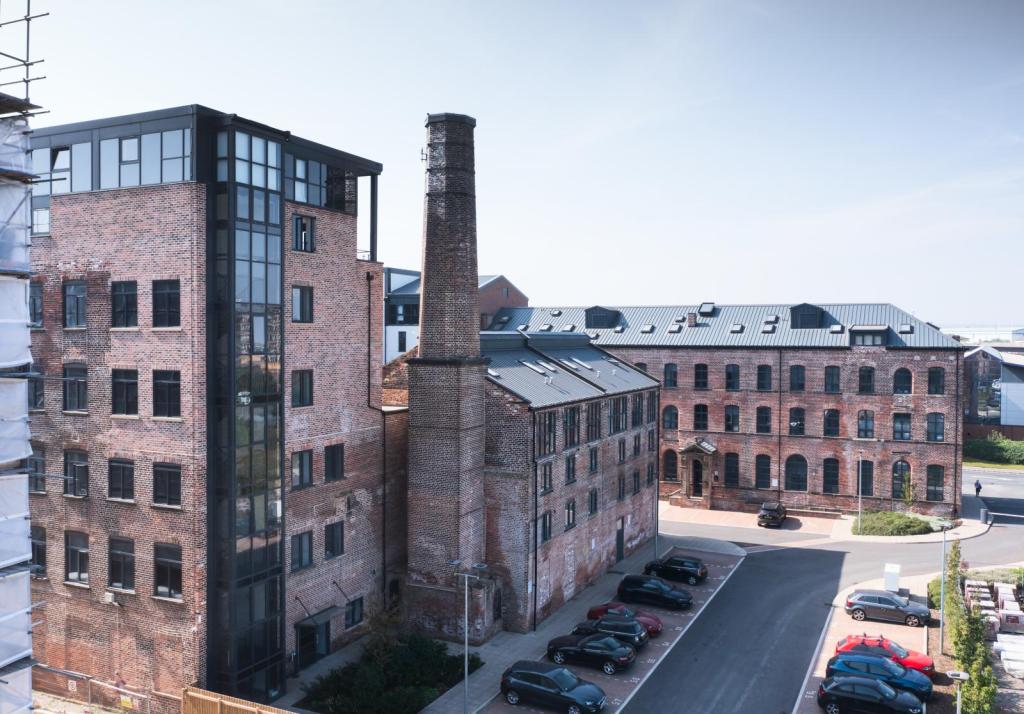
Hunslet Mill, Leeds. Image courtesy of Historic England

Amongst those heritage sites conserved and so removed from the list are 13 industrial heritage sites. These are:

  • Bourn Mill, Caxton end, Bourn, Cambridgeshire, LB I, 1162375
  • Electricity Substation at junction with Sunnyside Passage, Sunnyside SW19, LB II*, 1358028
  • Lambeth uncovered coal store including tower and attached tunnels, Portsmouth Road, Surbiton, Greater London, LB II*, 1031864
  • Remains of iron works and gun foundry at North Park Furnace, Linchmere / Fernhurst, Chichester, West Sussex, SAM, 1021403
  • Surrey Iron Railway embankment, approximately 130m south west of Lion Green Road, Coulsdon, SAM, 1021441
  • Upminster Windmill, St Mary’s Lane, Upminster, LB II*, 1079878
  • Westlink House, Great West Road, Hounslow, LB II*, 1255218
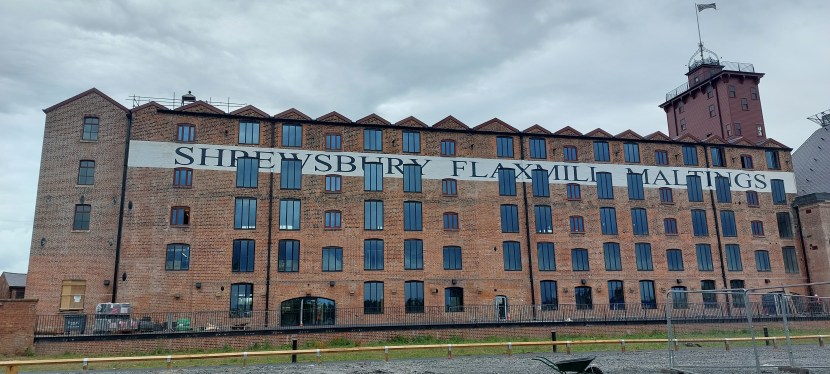
  • Ditherington Flax Mill: Spinning Mill, Shrewsbury, LB I, 1270576
  • Hunslet Mill, Goodman Street, Hunslet, Leeds, LB II*, 1256253
  • Pike Law lead hushes and mines, Newbiggin / Forest and Frith. County Durham, SAM, 1015835

Sadly, 15 industrial heritage sites were also added to the At Risk Register for the first time. These are:

  • Boardmans Mill, Ludham, North Norfolk, LB II*, 1373439
  • The Dovercourt lighthouses and causeway, Harwich, SAM, 1017200
  • Herringfleet Marsh Mill, Somerleyton, Ashby and Herringfleet, Waveney, East Suffolk, LB II*, 1183297
  • Turf Fen Windpump, Barton Turf, North Norfolk, LB II*, 1049930
  • Fan House and Chimney at the Former New Hawne Colliery, Dudley, LB II*, 1063766
  • Site of pumping engine at Muxton Bridge colliery, Donnington and Muxton, SAM, 1018468
  • Pin Dale lead side veins, Castleton, High Peak, SAM, 1017651
  • Engine house, boiler house and workshop, Papplewick Pumping Station, Longdale Lane, Ravenshead, Ravenshead / Papplewick, SAM, 1006373
  • Cliffe Explosives Works, Cliffe and Cliffe Woods, Medway,  SAM, 1428315
  • Kings Windmill, Shipley, Horsham, West Sussex, LB II*, 1180806
  • Polegate Windmill, Park Croft, Willingdon and Jevington, East Sussex, LB II*, 1043086
  • Stockton & Darlington Railway: Lower Section Of The Southern Etherley Incline, Etherley, County Durham, SAM, 1480894
  • Stockton & Darlington Railway: Route Alongside The River Gaunless, Etherley / West Auckland, County Durham, SAM, 1480897
  • Stockton & Darlington Railway: Brusselton Inclines, Shildon, County Durham, SAM, 1480914
  • Stockton & Darlington Railway: Etherley Inclines, Summit And Upper Sections, Etherley, County Durham, SAM, 1480892

A map showing the location of all at-risk heritage sites in England cab be found via this link: Historic England At Risk Register for 2023.

Historic Environment Records Made Statutory as Levelling-up Bill Gets Royal Assent

In October 2023 the UK Government secured the final changes to the Levelling-up and Regeneration Bill, after 16 months of debate and drafting in Parliament. This means that several heritage provisions have now become law. The most significant for industrial archaeology and heritage sites, and archaeology in general, is a provision that secures statutory status for Historic Environment Records (HER).

Historic England describes HERs as ‘sources of, and signposts to, information relating to landscapes, buildings, monuments, sites, places, areas and archaeological finds spanning more than 700,000 years of human endeavour. Based mainly in local authorities, they are used for planning and development control but they also fulfil an educational role.’ The Levelling-up and Regeneration Act makes it a legal requirement that each local authorities in England maintains an HER for its area. Further detail can be found here: https://historicengland.org.uk/advice/hpg/heritage-assets/hers/

The passing of the Act concludes a long advocacy campaign by many archaeological bodies, including the Chartered Institute for Archaeologists (CIfA), Association of Local Government Archaeological Officers, and the Council for British Archaeology, supported by many others, such as the Association for Industrial Archaeology, to secure statutory HERs. This provision was first proposed in the failed 2008 Heritage Protection Bill. HERs were made statutory in Wales in 2016.

Thanks must be given to Historic England, who have advised Government on the relevance of HERs to levelling-up and the establishment of a more digital planning system during the Bill’s development.

You can read more about this story on the CIfA website: here.

Lincoln’s Industrial History: Industrial Archaeology Conference 18 November 2023

The Society for Lincolnshire History and Archaeology (SLHA) is running an industrial archaeology conference on ‘Lincoln’s Engineering History’ on the 18 November at Lincoln College, Lincoln. A series of talks will celebrate Lincoln’s remarkable engineering history – and its 100-year-old Engineering Society.

The programme includes talks on: ‘Commemorating Lincoln Engineering Society’s Centenary: It’s Origins and Early Years’; ‘Lincoln Engineering – Why and How? Factors leading to the start of engineering in the City of Lincoln’; and ‘ The Engineering Heritage of Lincoln’. Tickets cost £30 for the public and £25 for SLHA members, and the day includes lunch and refreshments.

SLHA promotes an interest in all aspects of Lincolnshire’s heritage. Details about the society can be found here: https://www.slha.org.uk/index.php

Bookings need to be made before the 10th November on Eventbrite. Follow this link for the booking form: https://www.eventbrite.co.uk/e/lincolns-engineering-history-tickets-670627844937

Image from the Geoff Swain Collection

New Funding for Repairs to Gunns Mill Furnace in Mitcheldean

Historic England has awarded a grant of £31,020 to the Forest of Dean Building Preservation Trust to help repair Gunns Mill furnace in Mitcheldean. Gunns Mill is considered to be the best-preserved charcoal blast furnace in Britain.

The current furnace structure dates from the mid-17th century when the Forest of Dean was one of the most important centres for iron production in the country. It was converted to a papermill in 1743 but had fallen out of use by the 20th century.

The Forest of Dean Buildings Preservation Trust took on the ownership of Gunns Mill in 2013 and since then has undertaken a number of repairs to the structure with support from Historic England. This most recent round of funding will enable architects and engineers to design a structural solution to repair the timber frame of the roof of the bridge house and provide a usable space within.

The surviving lower tier of the building is a blast furnace built in 1625 on the site of earlier fulling and corn mills.  That furnace was destroyed in the Civil War and was rebuilt by 1682, evidenced by cast iron lintels with cast dates of 1682 and 1683. The charge house roof on the upper tier north side has been dendro-dated from this time. It continued as a blast furnace until 1738.

More details here: https://historicengland.org.uk/whats-new/in-your-area/south-west/gunns-mill-forest-of-dean-gloucestershire/

Gunns Mill Furnace. mage courtesy of Historic England

Wiltshire Industrial Archaeology Conference 2023 Now Open for Bookings

The Wiltshire Archaeological and Natural History Society are running a one day conference on Industrial Archaeology on the 21st October 2023 at the Town Hall, St John’s Street, Devizes. For those interested in industrial archaeology the Society acts as a focal point in the county. Its biennial symposium attracts leading speakers and visitors from all over the southwest and Wales.

The topics and speakers for 2023 are as follows:

  • ‘Building Georgian Chippenham – architects, builders and materials’ by Mike Stone
  • ‘Iron stone and Steam: Brunel’s Railway Kingdom’ by Tim Bryan, Director of the Brunel Institute
  • ‘Bath in the 1970s: Industrial Heritage, Environmental Conservation and Festivals’ by Stuart Burroughs, Director of the Bath at Work Museum
  • ‘Restoring the Wilts and Berks Canal’ by John Farrow
  • ‘Taking to the road in Georgian Wiltshire’ by John Chandler

To book down load the form here:

The aims of the Wiltshire Archaeological and Natural History Society are to educate the public by promoting, fostering interest in, exploration, research and publication of the archaeology, art, history and natural history of Wiltshire for the public benefit. The Society was formed in 1853. The Society has an extensive Archive and Library held at Wiltshire Museum in Devizes, which is open to visitors and researchers and holds a comprehensive collection of printed material relating to all aspects of the archaeology, topography, genealogy, history, industrial history and natural history of Wiltshire. The Wiltshire record of milestones is held here and the society are the county co-ordinators for the Milestone Society.

New Visitor Centre Opens at Masson Mills

A new visitor centre has been opened at Masson Mills. Part of the mills complex, which sits within the Derwent Valley World Heritage Site, was previously occupied by a retail village which was forced to shut at the start of the pandemic in 2020 and never recovered. However, the textile museum remained open for tour bookings. The mills were bought by the Derwent Hydro group of companies, a business owned by the Needle family which has operated hydropower stations since the 1980s, in 2022.

The new visitor centre, which was once the manager’s officers, is accessible at the front, roadside, of the building and has an array of historic mill-related artefacts, photographs, and equipment, and is open Monday to Friday, 11am to 4pm. Guided tours of the mill and its working machinery are now available every weekday at 2pm. Visitors are encouraged to book in advance to avoid missing out but walk-ins will be possible subject to space.

Jamie Needle, director at Masson Mills and Derwent Hydro, said: “It’s really exciting to be able to welcome people back through the doors to learn more about the history of industry in the World Heritage Site. There is nothing like being able to hear and touch the old machinery to illustrate the realities of early factory working. Our business started with water power and it’s hugely significant to me that factories also began with water power, this museum brings the two together in a fantastically tangible way.”

The new owners are also improving the existing hydropower scheme at the mill, which was installed in 1995. The entire site is supplied with renewable energy produced by its hydroelectric turbines with any surplus fed into the National Grid. The hydroelectricity produced emits no emissions to air, land or water, thereby minimising the carbon footprint of Masson Mills and those visiting the site.

Industrial Heritage Network Survey of Stationary Steam Engines in Museums

The Industrial Heritage Support project is conducting research on the current state of stationary steam engines on industrial heritage sites and museums in England. In partnership with Keele University we are looking to establish how many sites in England run stationary steam engines, as op[posed to just static exhibits. We are also gathering data on the costs of maintenance, the types of fuel used to run these engines, and the skills required to keep them running.

Many sites have already been contacted individually to discuss how they run their machinery and this has helped to inform a questionaire which is now being emailed (early August 2023) to more than 30 sites. This research is a follow-up to the recent ‘Industrial Heritage and Climate Change’ seminar the project ran in July, where presentations from Claymills, Crofton Beam Engines, and The Arkwright Society showed how eco-fuels and water power are being used on industrial sites. This research will be published at a later date.

If you haven’t received a questionaire but think that your site could help with this research please email: mike.nevell@ironbridge.org.uk

Horizontal steam engine at Cambridge Technology Museum

In-person IHN Meetings for Yorkshire, East Midlands & East of England Now Booking for July

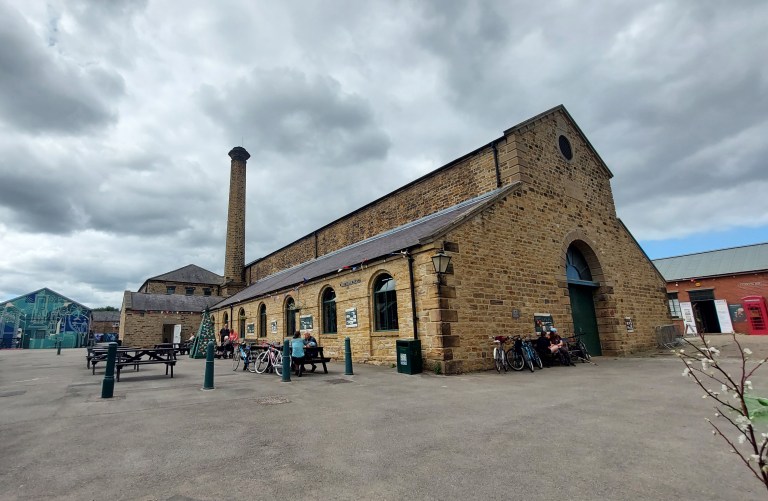
Elsecar, Barnsley

The next three in-person meetings of the Industrial Heritage Networks will be taking place on the 26, 27, & 28 July 2023. These will be for the Yorkshire, East of England, and East Midlands Networks. These free events will be the first in-person meetings for these networks, which were set up during the COVID pandemic.

Like the other seven IHN groups in England, these in-person events are designed to bring together those industrial heritage sites open to the public in each region, and local groups and individuals working or volunteering on industrial archaeology and heritage subjects and sites in the area. The format will be a round-table discussion in the morning with a tour of the site in the afternoon.

Details on how to book on Eventbrite can be found here:

Yorkshire IHN: https://www.eventbrite.co.uk/e/industrial-heritage-network-yorkshire-tickets-669399360507

East of England IHN: https://www.eventbrite.co.uk/e/industrial-heritage-network-east-of-england-tickets-669417976187

East Midlands IHN: https://www.eventbrite.co.uk/e/industrial-heritage-network-east-midlands-tickets-669430985097

Online meetings of each IHN in England will take place over the winter of 2023/4.