Free Online Course on How to Create Effective Video Content for Your Charity Using Your Phone

The Saltways are offering charities the opportunity to learn to create video content. Film and video have been used for many years to illustrate the processes and lives of industrial heritage sites and workers. Now smart phones have brought the use of video to a mass audience.

The Saltways team are offering a free 60 minute practical workshop for charities on the 10th or 31st October on how to create a video for your site using a smart phone. The training session will cover: learning how to plan your films to get the best results possible; learning technical tips on how to improve your footage and sound; and an introduction into editing and how to build a campaign around your film. There will also be a chance to ask questions and get feedback on your footage.

To book your free place follow this link: https://www.eventbrite.co.uk/e/how-to-create-effective-video-content-using-your-phone-tickets-927311663147?aff=oddtdtcreator

The Saltways are specialists in charity films. They aim to help the charity sector produce more authentic, inspiring, compelling films ethically, openly, and collaboratively. For more details about The Saltways follow this link: https://thesaltways.com/ethical-storytelling/


Heritage Open Days 2024: Hundreds of Industrial Heritage Sites Open

The 2024 edition of Heritage Open Days takes place from the 6th to the 15th September. Billed as England’s largest festival of history and culture, thousands of local volunteers and organisations are opening more than 1500 sites for free to the public. This year’s event includes more than 230 industrial heritage sites in England.

More industrial heritage sites than ever before are offering free access to their sites and professional and volunteers expertise, under this year’s theme of ‘routes, networks, and connections’. This includes over 70 transport sites, more than 50 chemical, extractive and metal working sites, over 30 water-powered corn mills, over 30 maritime and utility sites, more than 20 wind mills, and over than 20 textile sites.

Heritage Open Days are a chance for the public to explore England’s rich heritage, and the peopel involved in preserving and presenting it, with over 2,000+ organisers arranging events. To search for an industrial heritage site open during the festival, follow this link: Heritage Open Days.

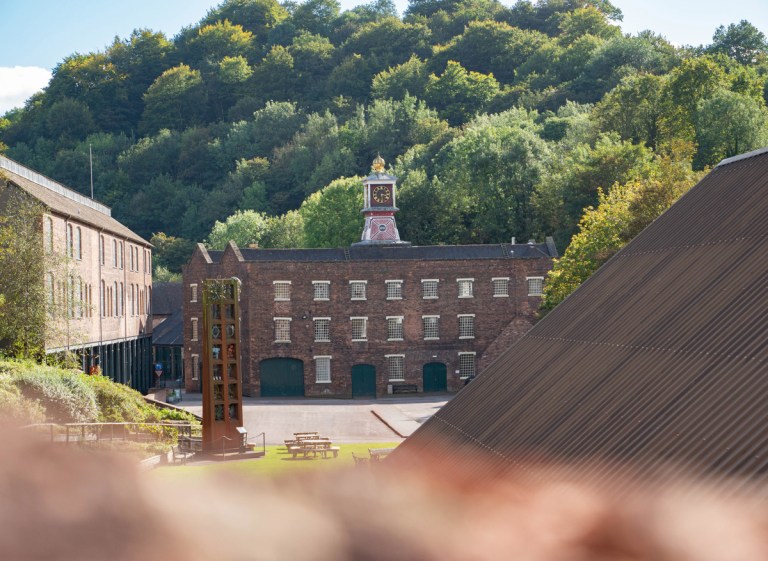
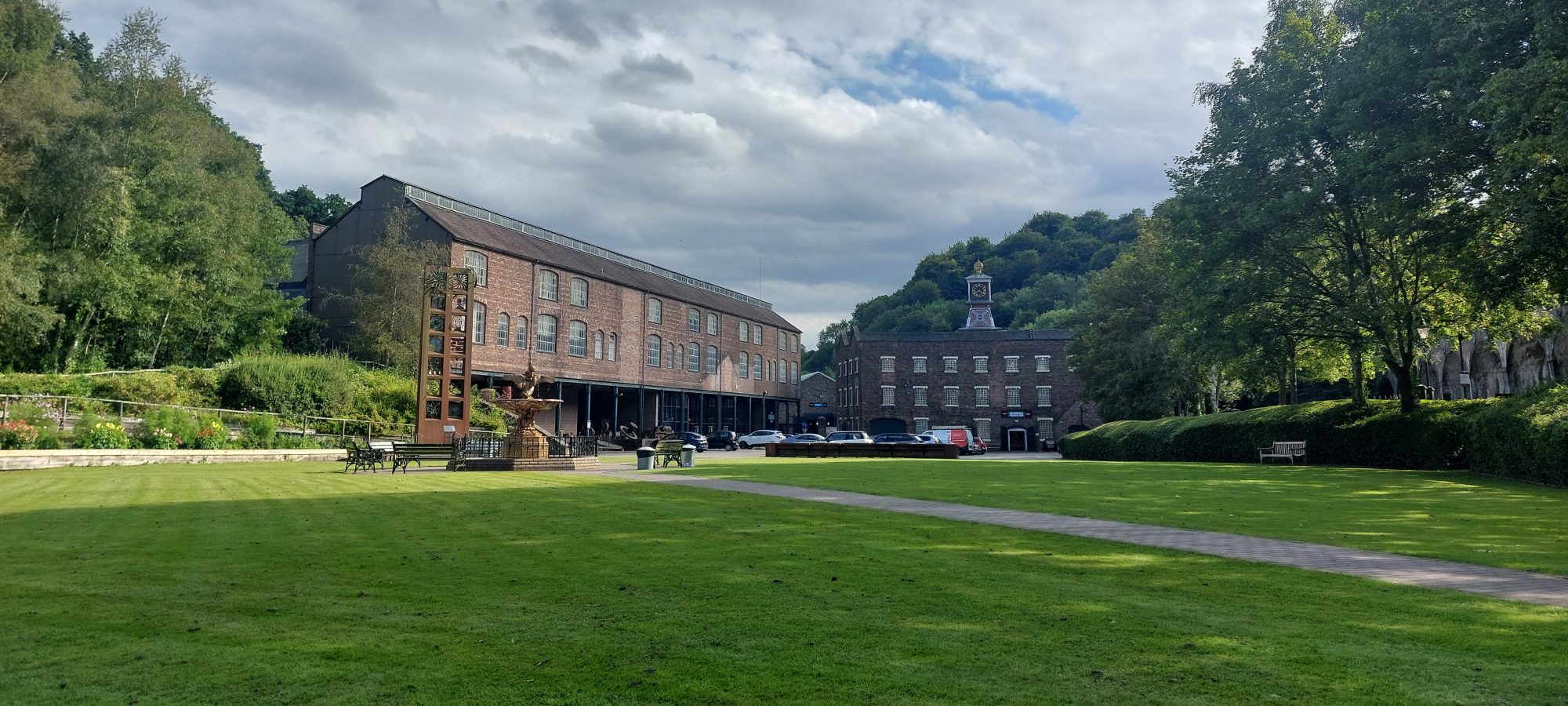
The Coalbrookdale Museum is one of the sites taking part in 2024. Access is open for free on the 7th & 8th September.

Opportunity to Get Involved with the Merseyside Industrial Heritage Society

The Merseyside Industrial Heritage Society (MIHS) is looking for new faces to help with its committee. 2024 marks its 60th year, making it one of the oldest such societies in Britain. Established as the North Western Society for Industrial Heritage Society, it changed its name to the MIHS in 1977 as part of an earlier renewal of the society.

Like all such groups the committee needs refreshing from time-to-time. MIHS now needs new faces to help it organise its winter programme of lecture meetings, some on line, as well as the running a number of field visits in the spring and summer months including the annual “Long Weekend” in May.​ This is an excellent volunteering opportunity for a new generation to help develop the society as an important part of the Liverpool city region’s heritage landscape. For details on how to get involved email the Chairman, Peter Purland, at: petepurland@btinternet.com.

The Merseyside Industrial Heritage Society has been instrumental in recording and raising awareness about the Liverpool city region’s industrial heritage. A key part of this has been the Society’s guide to the industrial heritage sites of Merseyside. This was first published in 1974, in its earlier guise as NWSIAH. This has gone through several editions over the years, in 1984, 2007, and 2011. In 2020 the guide was comprehensively revised with support from the Association for Industrial Archaeology. The new guide is much more than a listing of locations. It contains comprehensive overviews of the industrial development of both the region and of the individual Merseyside boroughs. Further features are panels on “Notable Dock Engineers” and a guided walk past places associated with “Railway Pioneers”. These guides also provide a record of the way in which Merseyside’s heritage, its preservation and presentation, has evolved since 1964.

To learn more about the Merseyside Industrial Heritage Society visit their website here: http://www.mihs.org.uk/

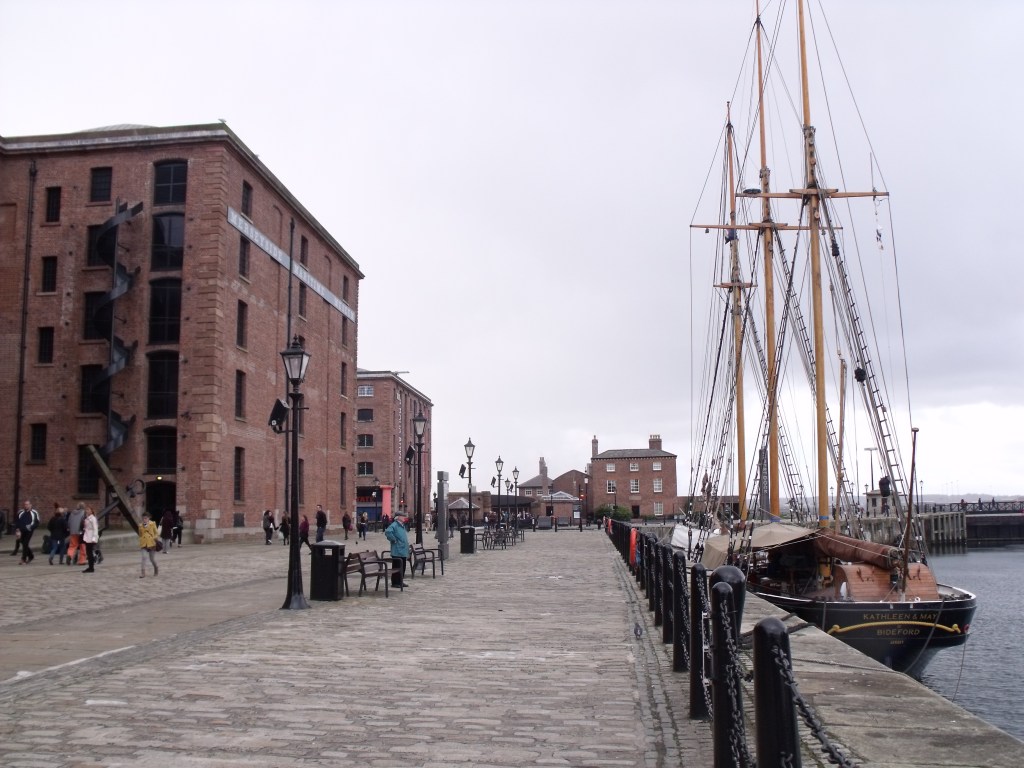
Albert Docks, Liverpool. Copyright Dr Michael Nevell.

The Canals and Waterways of Lancashire Day School, November 2024

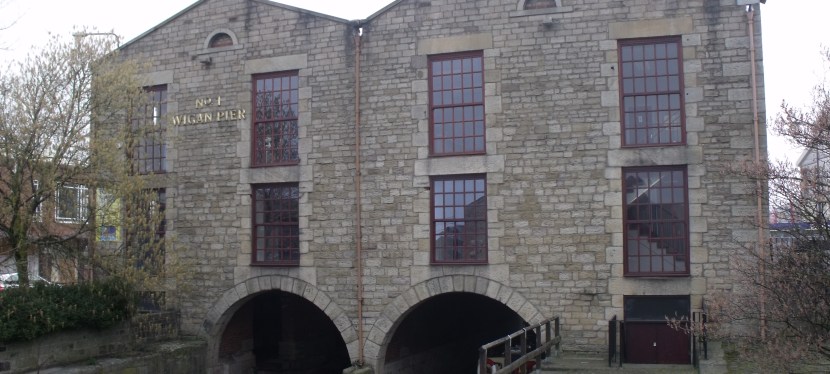
The Lancashire Local History Federation, with the Leeds & Liverpool Canal Society, are running a day school on the 2nd November on theme ‘The canals and waterways of Lancashire’. This is to celebrate the 250th anniversary of the opening of the first section of the Leeds and Liverpool Canal from Parbold to Wigan.

Talks on the day will cover the historical importance of Lancashire’s industrial waterways, the construction of the Leeds & Liverpool Canal, the Douglas Navigation, canal traffic and traders, and the Lancaster Canal. The Day School will be held at the Preston Masonic Hall in Preston, Lancashire, from 10am to 4pm.

The booking form is below, or you can email the Day School organiser here: elizoelaw@gmail.com

Conservation Work Begins on the Iron Bridge Tollhouse

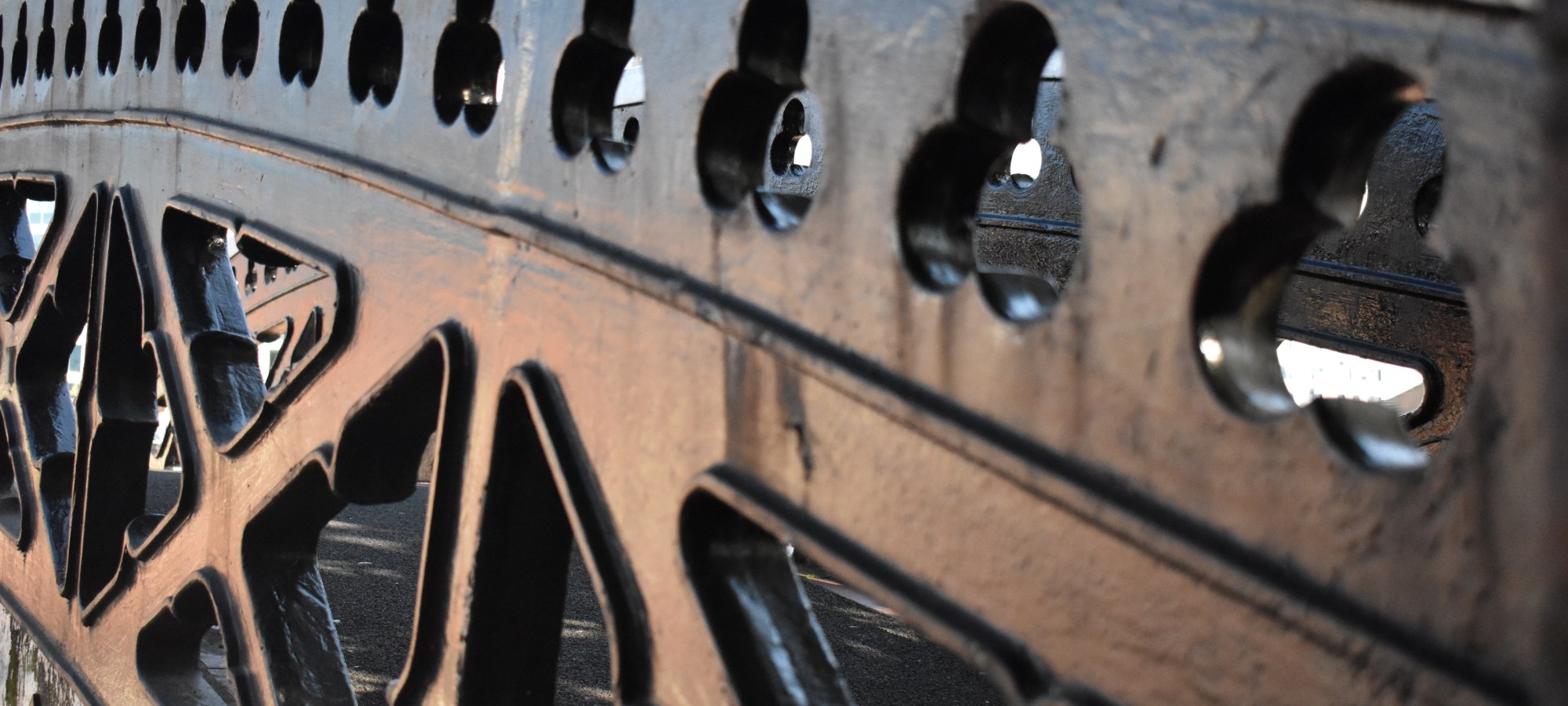
As part of the Conserving the Historic Estate project, funded by the National Heritage Memorial Fund, the Ironbridge Gorge Museum Trust will be undertaking conservation work on the Iron Bridge Tollhouse in August 2024. The Grade II listed tollhouse, first protected in 1974, lies at the southern end of the Iron Bridge and is built against its western side.

Travellers wishing to cross the bridge would pay a toll depending upon their mode of travel. Dating from the early 19th century, the three storey brick building is now entered from the bridge level, or the upper storey of the structure. The tollhouse contains an exhibition about the Iron Bridge and its history. IGMT will be redecorating the doors and windows, replacing roof tiles, and re-pointing brick work. However, the Tollhouse will remain open to the public as usual.

The money for the restoration work is part of the funding recieved by the Museum in March 2022 for the repair and maintenance of the historical buildings and monuments across the Museum’s sites. This funding is overseen by the National Heritage Memorial Fund (NHMF) on behalf of Department for Digital, Culture, Media and Sport (DCMS).

Accountability for Museum Collections – Briefing for Trustees and Senior Managers

In response to recent scrutiny of the sector’s accountability for the collections in its care, the Collections Trust through Museum Development Midlands is offering a concise briefing, aimed at trustees and senior managers who want to review the policies and procedures in place at their own institutions. This online breifing will take place on 18th September.

This workshop is open to Trustees and Senior Management of all museums, including industrial heritage sites, regardless of Accreditation status. The UK museum sector has a well-established standard for collections management, Spectrum, which is embedded into the Museum Accreditation standard. This one-hour briefing will cover the core principles of three relevant Spectrum procedures: inventory; audit; damage and loss.

To book follow this link: https://www.mdmidlands.org.uk/events/accountability-for-collections-briefing-for-trustees-and-senior-managers

London Museum of Water & Steam Need Public’s Help to Raise Final Funds for Engine Project

The London Museum of Water and Steam are running an urgent appeal to raise the final funds for ‘The Great Engine House Project’ which ains to restore the Grade 1 listed Great Engine House. This is home to the gigantic Grand Junction 100 Inch and 90 Inch engines.

They have already been promised a funding grant for the entire project of £2.8 million, but they will need to raise a percentage of the grant by crowdfunding £50,000 by mid-August. So far, the London Musum of Water and Steam have raised over £17,000 through their crowdfunder, but are struggling to raise the target by the grant deadline.

To contibute to the fund raiser follow the link here.

Unless work is undertaken in the next two years to stop the decay of the Engine House, then these historically significant engines could be be lost, and central parts of the museum building will have to be closed. The project aims to return the 90 inch engine to steam, which will make the Museum more financially resilient by vastly enhancing the Museum’s visitor experience. 

The museum is housed in a Georgian water pumping station in Brentford, West London, and was built around a collection of stationary steam engines which pumped clean water into the homes of millions of Londoners between 1838 and 1944. For more details about the museum follow this link: https://waterandsteam.org.uk/

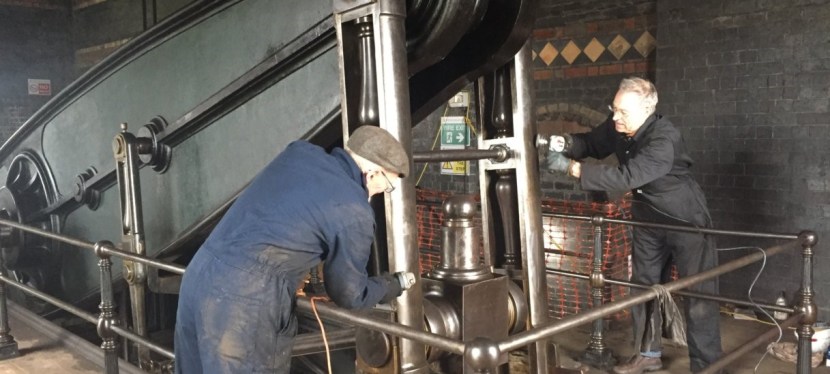
90 Inch engine levers. Image courtesy of London Museum of Steam & Water.

Historic England Publish New Guidance on Adapting Historic Buildings for Energy & Carbon Efficiency

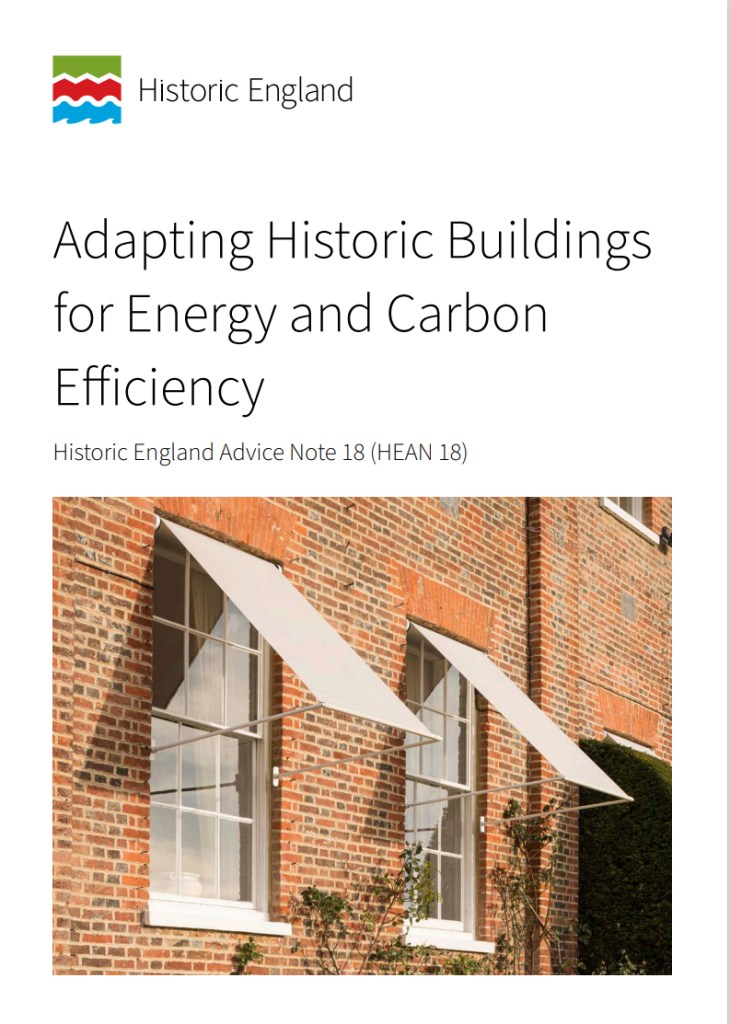
Historic England has published new advice on balancing climate action with building adaptation. The new advice note ‘Adapting Buildings for Energy and Carbon Efficiency’ is aimed primarily at local authorities, heritage consultants, and those involved in the planning process. It makes clear that historic properties can be retrofitted with energy-efficient measures such as heat pumps, solar panels, and insulation.

The guidance is intended to “provide clarity and support consistent decision-making” for proposals to reduce carbon emissions and improve the energy efficiency of historic buildings, while conserving their significance. It reflects current planning policy and covers:   

  • Advice on what permissions, such as listed building consent, are needed for some of the common changes required to decarbonise and improve the energy efficiency of historic buildings 
  • Advice to assist local planning authorities – and other parties involved in the planning process – in determining proposals to decarbonise and improve the energy efficiency of historic buildings to enable positive climate action. Some typical building adaptations in response to climate change impacts are also included 
  • Signposting to other relevant information, advice, and guidance. 

Download the Adapting Buildings for Energy and Carbon Efficiency advice note here.

Industrial Heritage Themed HE Research Magazine Published

The latest online issue of Historic England’s Research Magazine contains a number of articles on industrial heritage. Shane Gould, Historic England’s Head of Industrial Heritage Strategy, introduces Issue 26 of Historic England Research Magazine, which explores aspects of industrial heritage, as well as Palaeolithic landscapes, and the relationship between intertidal heritage and biodiversity.

The industrial heritage and archaeology articles are by authors who have recently had titles published by Historic England and Liverpool University. These are papers on the Soho Manufactory, Mint and Foundry in the West Midlands by George Demidowicz; steam-powered water and sewage works by James Douet; the built environment in Lancashire’s historic textile areas by Geoff Timmins; and oasts kilns, hop kilns, and maltings by Amber Patrick. They showcase Historic England’s strong and continuing record in undertaking research, and preparing advice, guidance and publications on England’s industrial heritage.

To read this latest issue follow this link: https://historicengland.org.uk/whats-new/research/introduction-to-issue-26/ Earlier issues can also be downloaded from the HE website.

Sandfields Pumping Station Engine Appeal

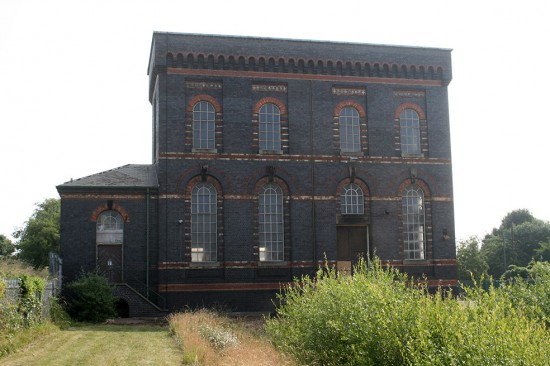
The Lichfield Waterworks Trust has launched an online appeal to restore the magnificent Cornish Pumping Engine at Sandfields Pumping Station. The engine is currently seized solid after not moving for many decades. However, whilst the Lichfield Waterworks Trust have the expertice to to repair the engine they need money for materials and a means to move the engine.

Lichfield Waterworks Trust is a group of volunteers dedicated to preserving Sandfields Pumping Station with its fascinating history and unique Victorian Pumping Engine. The Trust aims to open access to the Sandfields Pumping Station for public use, including education, arts performance, and community development. At the heart of this public access will be the pumping engine. This engine is one of only four left in the entire country. Built by Jonah & George Davies in Tipton and installed in 1873, it worked for 50 years, pumping clean water to the Black Country during the Industrial Revolution to help eradicate Cholera. The engine was taken out of service in 1927 and has not moved for almost 100 years. 

You can help them restore the engine by donating through their Crowdfunder page by following this link:

https://www.crowdfunder.co.uk/p/lichfield-waterworks-trust-1160876