Two iconic industrial heritage structures have been given listed building status by the Department for Digital, Culture, Media, and Sport, on the advice of Historic England: the Hillesley Bus Shelter and the Dunlop Bridge KX100 telephone kiosk.
The Hillesley Bus Shelter
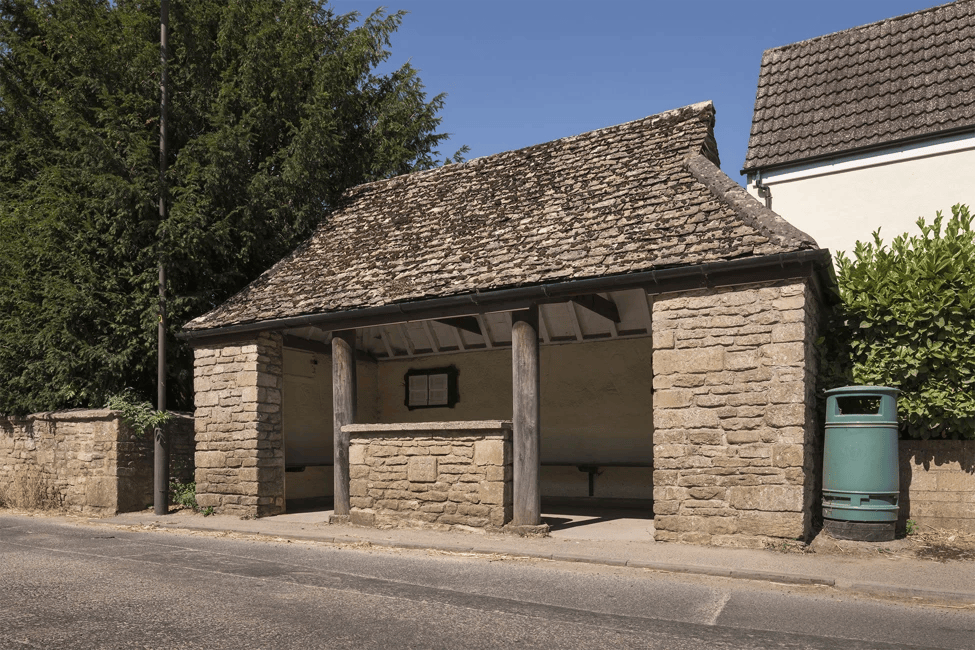
The Hillesley bus shelter in Gloucestershire has been listed at Grade II. Designed by the world-renowned Modernist architect Berthold Lubetkin (1901-1990), the Hillesley Bus Shelter, was built in 1952 as part of the Festival of Britain celebrations. Parishes across Britain were encouraged to mark the Festival with lasting improvements in their local area. In 1950, the Festival Office ran a competition to design new rural bus shelters, stipulating that proposals should be based ‘on the use of local materials, so that the structures will fit harmoniously into the surrounding landscape’.
Catherine Croft, Director of Twentieth Century Society, said ‘Modest but definitely not Modernist, this traditional Cotswold vernacular bus shelter demonstrates the remarkable versatility of its famous architect, Berthold Lubetkin.’
Only four Festival of Britain bus shelters are thought to exist in England in the 2020s – Hillesley; Stone Street, Kent; Bramfield, Suffolk; and Farmington, Gloucestershire, which was listed at Grade II in 2008.
Further details here: Hillesley Bus Shelter is Now Listed at Grade II | Historic England
The Dunlop Bridge KX100 Telephone Kiosk
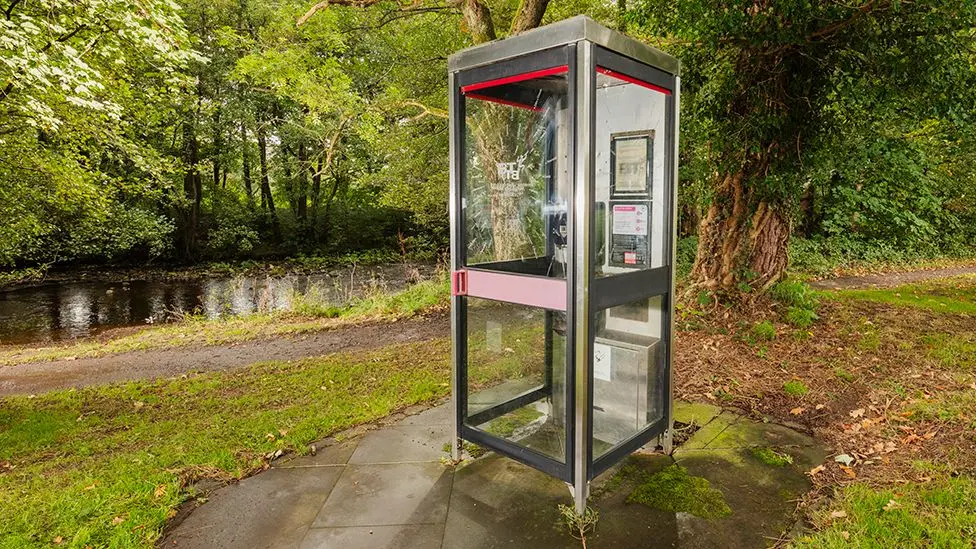
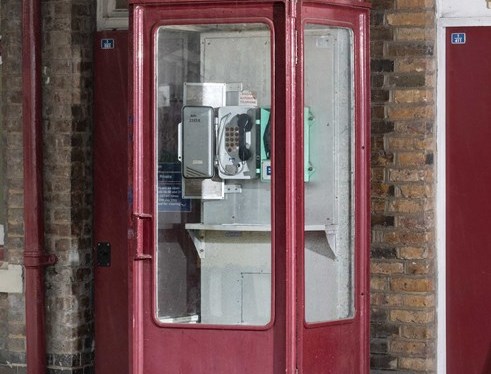
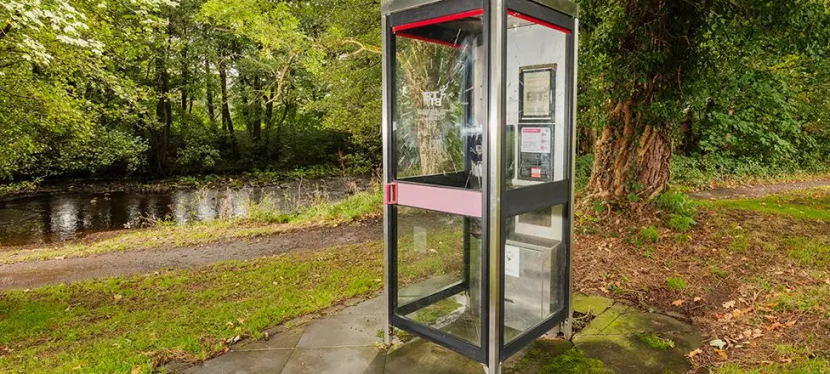
The Dunlop Bridge KX100 telephone kiosk in Ribble Valley, Lancashire, has been given Grade II Listed status. The KX100 kiosk was the 100,000th telephone kiosk to be installed in the country, and was officially opened in June 1992 by explorer Sir Ranulph Fiennes, who was joined by children from nearby Thornleyholme RC Primary School as he made the first call from the kiosk. Historic England’s Jayne Rimmer said as part of “the last generation of the public telephone box”, it was a “nationally significant kiosk”. The Twentieth Century Society (TCS), which champions outstanding examples of modern design, had applied for it to be listed.
TCS campaigns director Oli Marshall said he was “absolutely delighted” by their success. “There’s no small irony that it was the arrival of the KX100 that first spurred the Society into action back in 1985 – once the slayer of traditional red telephone boxes, that we fought vigorously to repel, now itself being given heritage protection,” he said. “While widely unloved and underappreciated in comparison to the classic red telephone boxes, the ugly duckling KX100 model has developed a cult following in recent years.”
First introduced in 1985, the KX100 has large glass panels and was designed to be easier to clean and more accessible than the previous red model. To view the listign follow this link: KX100 Kiosk, Bowland Forest High – 1492920 | Historic England