‘Our Leather industries’ New Exhibiton by the Wandle Industrial Museum

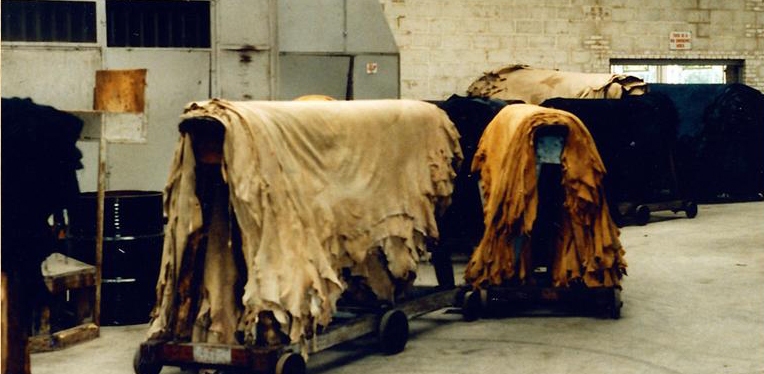
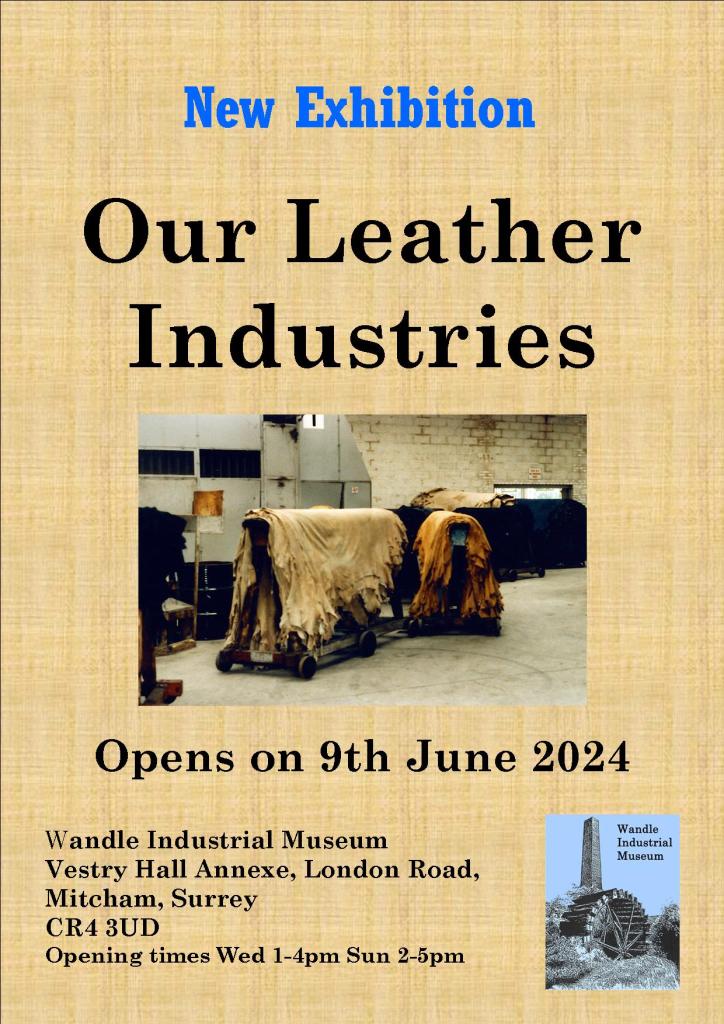
The latest exhibition by the Wandle Industrial Musuem opens on 9th June 2024. ‘Our Leather Industries’ looks at the history of leather making and some of the products produced in the Wandle Valley in the 19th and 20th centuries.

The exhibition can be found at the Vestry Hall Annexe, London Road, Mitcham, Surrey. Open on Wednesdays, 1-4pm and Sundays 2-5pm, the exhibtion is free to enter.

Nene Valley Railway Launch ‘Back on Track’ Fund Raising Appeal to Secure Future

Image courtesy of the Nene Valley Railway.

The Nene Valley Railway has launched a fundraising campaign aimed at securing £300,000 to keep the railway running as a result of significant financial challenges. The current economic climate has placed immense strain on the railway’s finances, with reduced visitor numbers across the heritage sector and mounting running and maintenance costs. This has left the Nene Valley Railway facing unprecedented financial pressure.

Without immediate financial support there is a real risk that this popular heritage railway and working museum could face closure. Originally built by the London and Birmingham Railway in 1847, between 1900 and 1966 the line formed an important connection between Norwich, Cambridge and the Midlands. It closed to passengers in 1966 and to freight in 1972. This section was bought by Peterborough Development Corporation in 1974, and in 1977 the Nene Valley Railway was opened, and now runs for 7.5 miles through the north Cambridgeshire countryside. The heritage railway owns a variety of steam and diesel locomotives, historic carriages, and wagons. For more details visit their website: https://nvr.org.uk/

Follow this link to the fund raising page: https://www.gofundme.com/f/nene-valley-railway-raise-ps300000-to-keep-them-on-track

Historic England Latest Research on Wellbeing and Heritage

New research from Historic England shows that the average individual benefit of cultural heritage near individual residences to be £515, with a collective WELLBY (Wellbeing Adjusted Life Year) value of £29 billion across England. This research demonstrates that the very presence of nearby historic places benefits residents’ quality of life, whether or not they participate in heritage activities.

The research investigated the impacts of different types of heritage, including listed buildings (Grade I, Grade II* and Grade II buildings), scheduled monuments, protected wrecks, registered parks and gardens, battlefields and world heritage sites. The findings reveal a statistically significant, positive, relationship between the density of local heritage assets and self-reported life satisfaction, after adjusting for various socio-economic, neighbourhood and regional effects. The analysis also demonstrates that Grade II listed buildings, which represent 92% of England’s historic places on the National Heritage List for England, are the main drivers of life satisfaction increases.

The report concludes that these findings highlight the intrinsic value of cultural heritage in contributing to societal wellbeing, and provide a compelling argument for its preservation and integration into society development and wellbeing strategies.

To read more about this research follow this link: Heritage Capital and Wellbeing: Examining the Relationship Between Heritage Density and Life Satisfaction

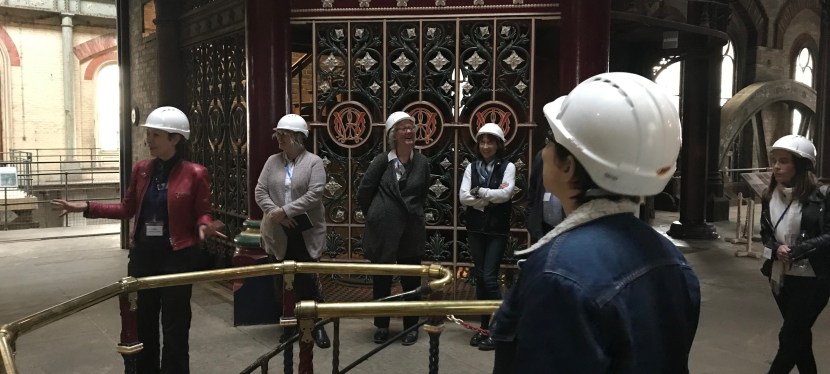
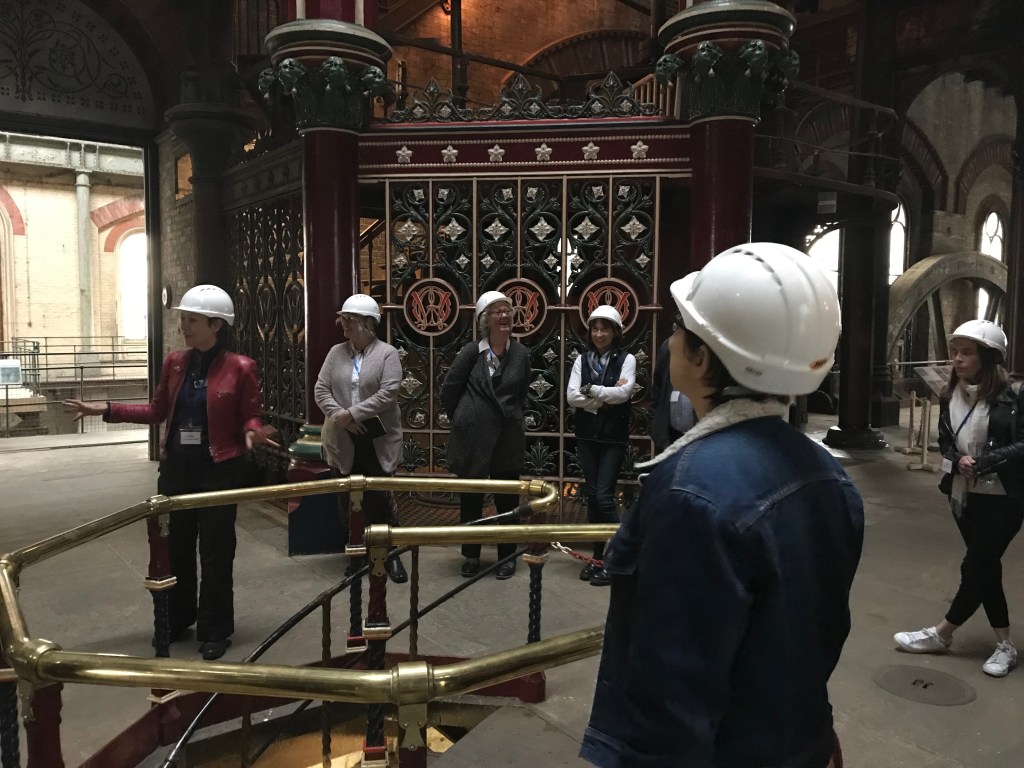
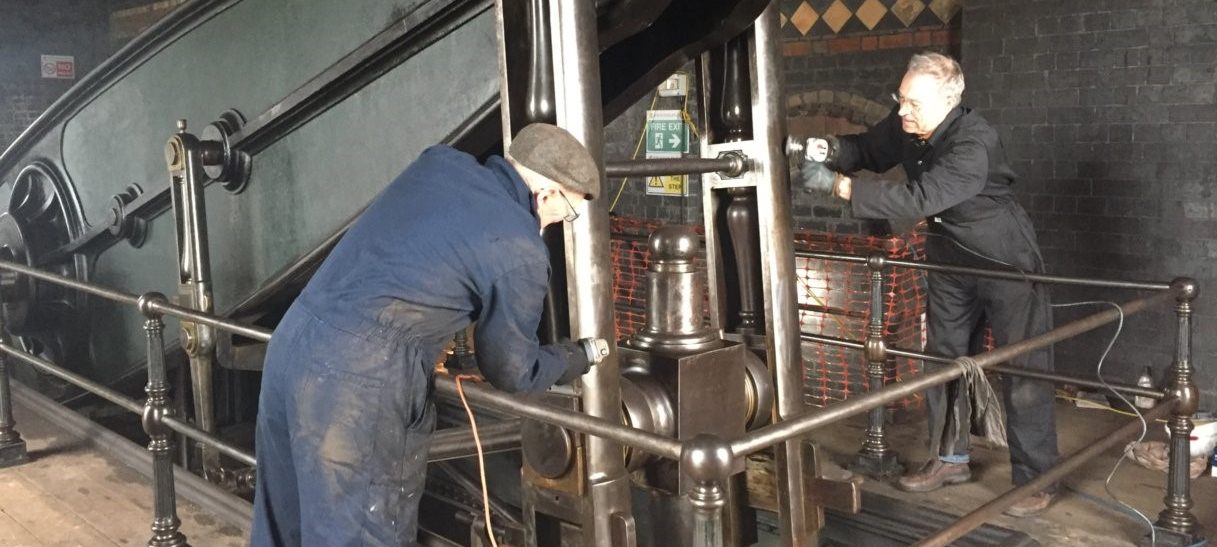
IHN London visit to Crossness Pumping Station.

Museum Development English Regional Grants Now Open for Applications

In April 2024 the new Museum Development regions in England came into being, along with a new set of regional grants. The five English MD regions are now up and running delivering support to museums and heritage groups, including industrial heritage sites, though a variety of training, capacity building, networking, and grant support initiatives.

Details of the first round of grants for museums and heritage groups are as follows:

MD North Opern Grants: 1st round deadline, 7th June, with grants avalable up to £5,000 https://www.museumdevelopmentnorth.org.uk/find-funding/md-north-grants/open-grants/

MD South East: Collectiosn Care Grants (deadline 24th June) and Collections Review and Rationalisation Grants (deadline 1st July): https://mdse.org.uk/grants/mdse-grants/mdse-grants-collections/

MD Midlands: Open Grants and Workforce Development Grants will be open for applications from late May 2024 https://www.mdmidlands.org.uk/

MD South West: Talking Nature and Capacity Builder grants close on 17th June. https://southwestmuseums.org.uk/what-we-do/grants/

MD London grant schemes continue as before. https://www.museumoflondon.org.uk/supporting-london-museums/development-grant-programmes

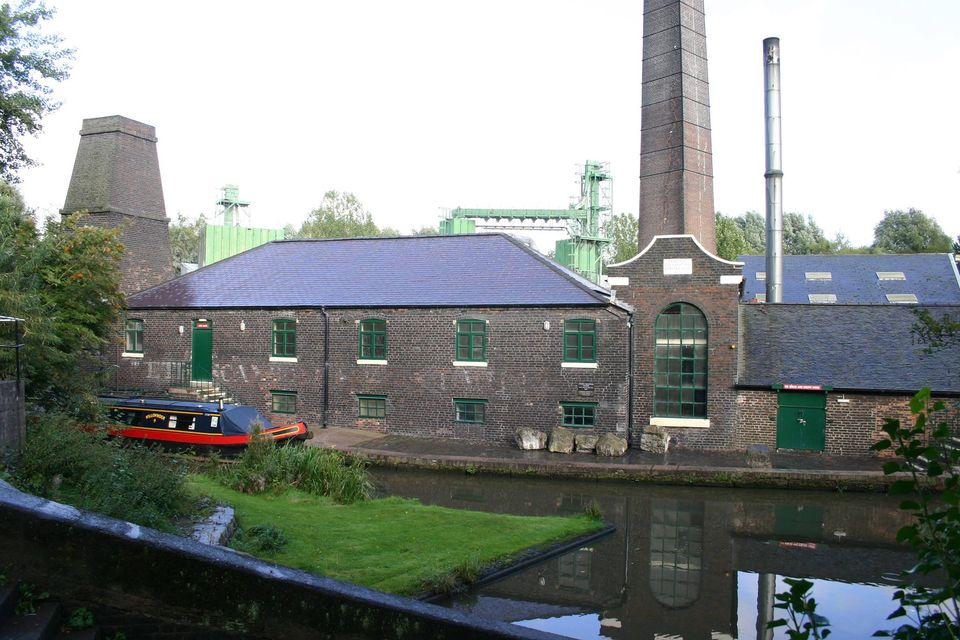
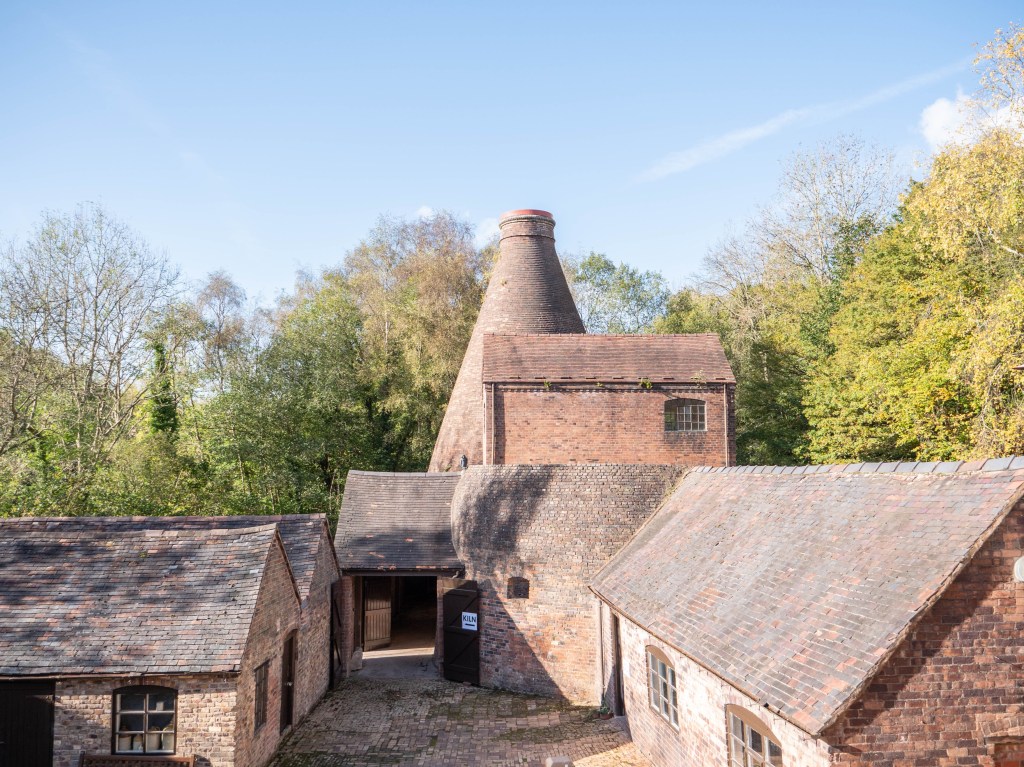
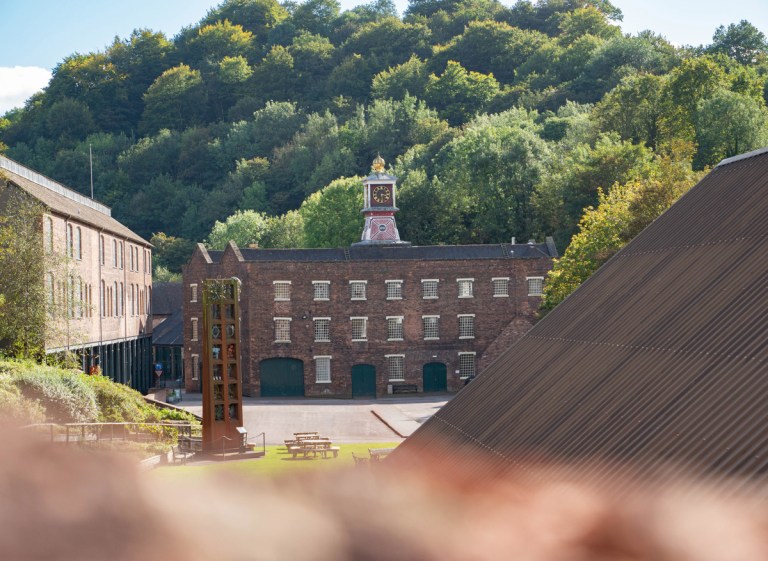
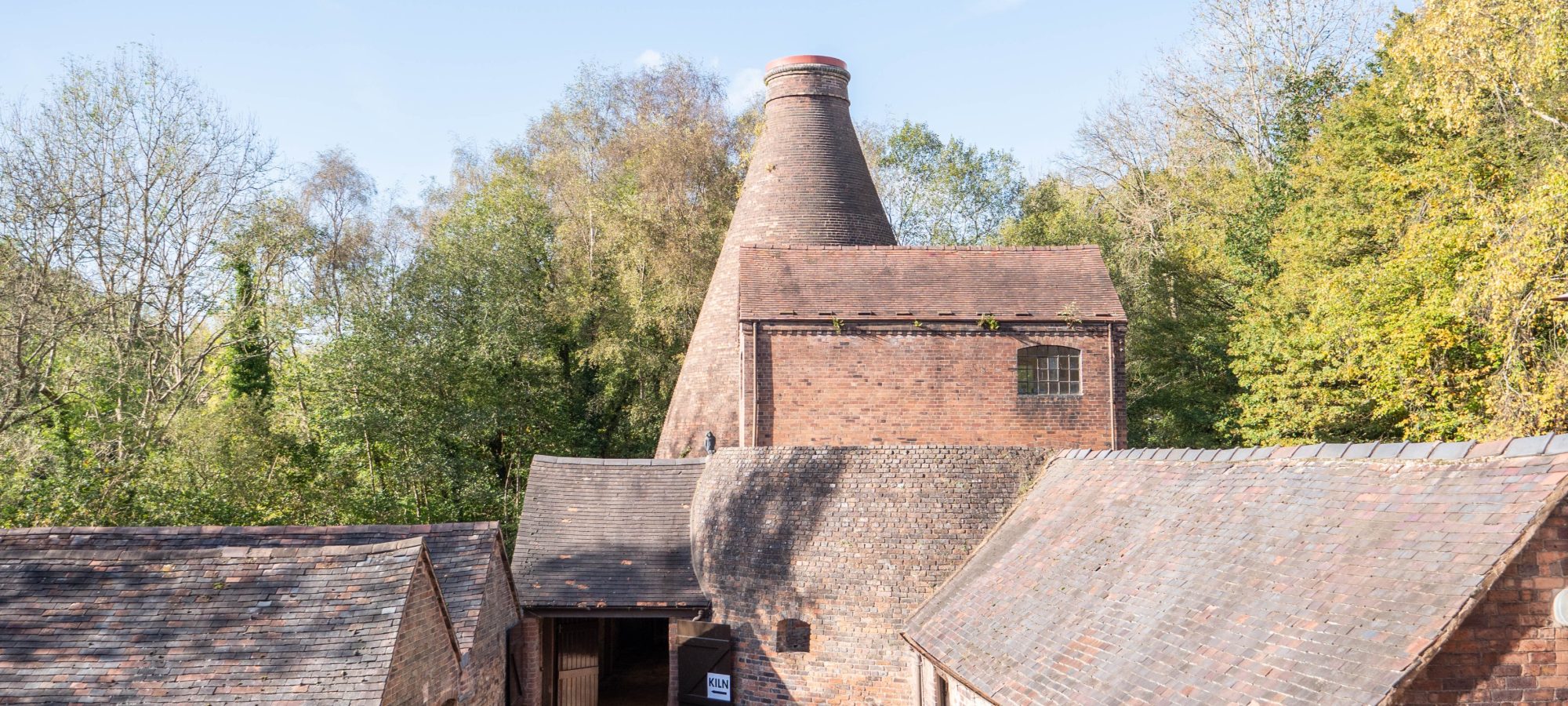
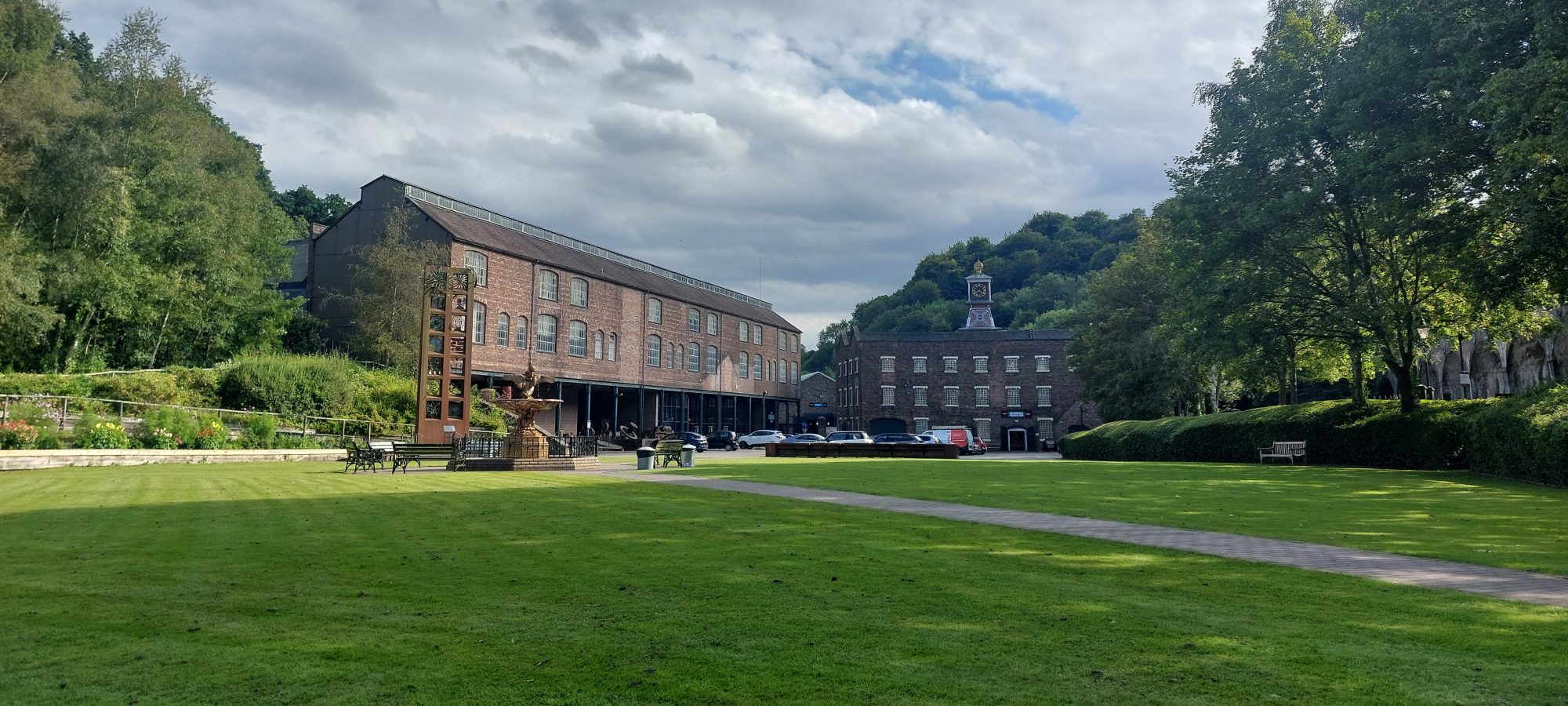
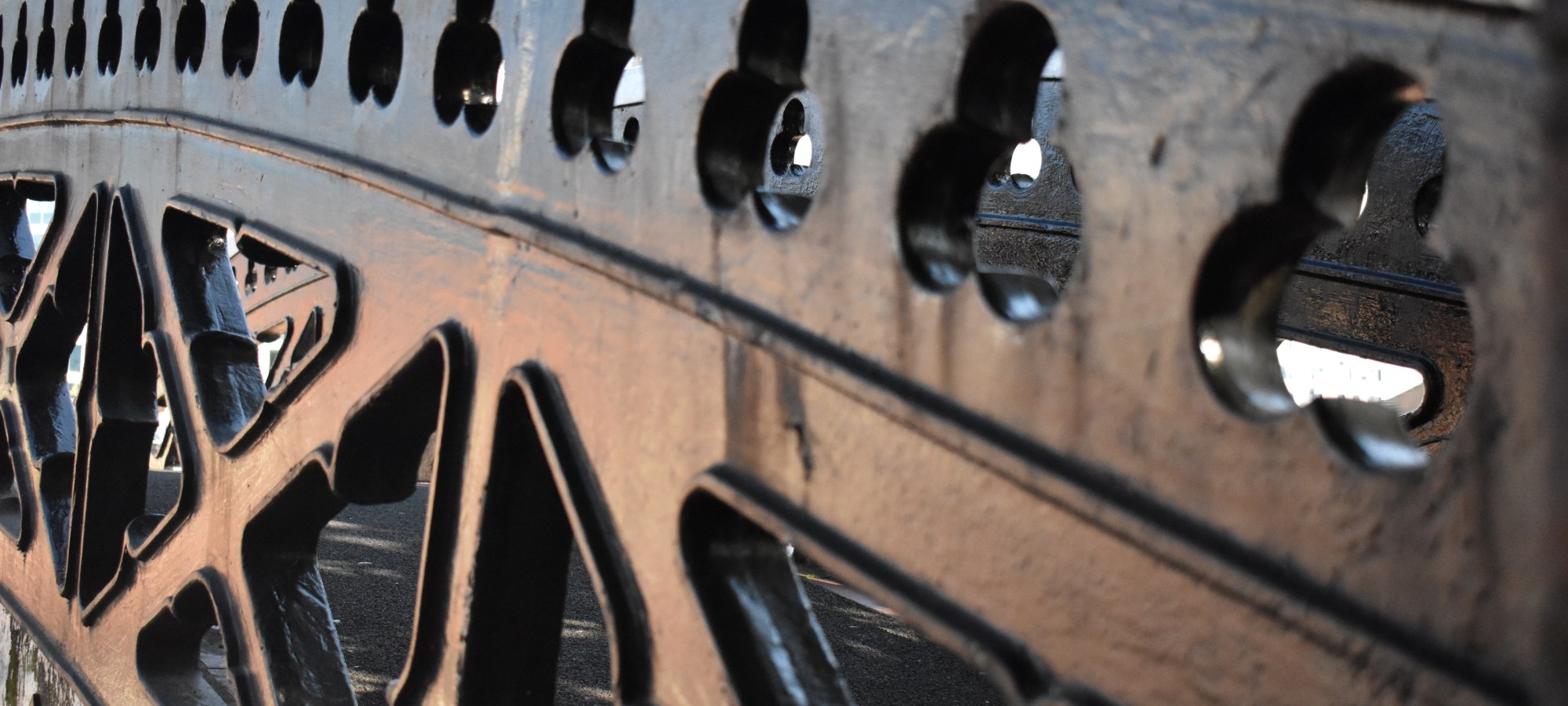
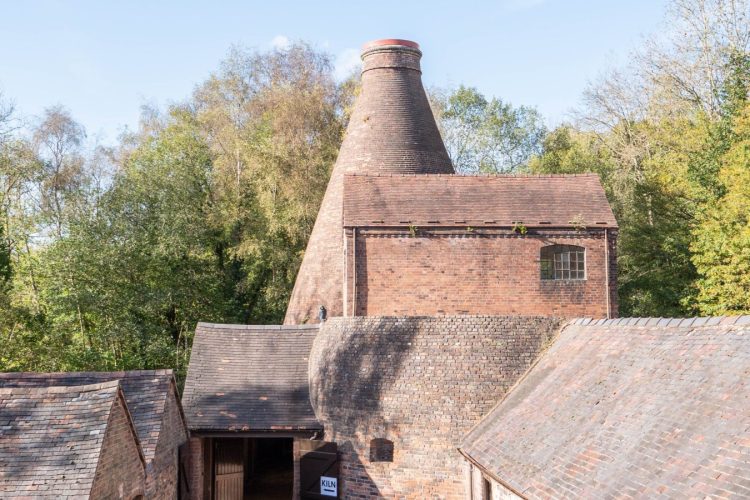
Coalport China Works, Ironbridge Gorge Museum Trust.

Deadline for Industrial Heritage Sites in England Survey Extended to 14 June

The deadline for the Industrial Heritage Sites in England Survey 2024 has been extended to the 14th June. The Ironbridge Gorge Museum Trust and Heritage Innovation are undertaking this survey of the c.600 publicly accessible and protected industrial heritage sites in England. Funded by Historic England, the 2024 survey is gathering data on these sites which will be compared with similar reports undertaken in 2008 and 1998.

The original deadline for response was the 10th May, but in order to capture as many replies as possible we have decided to extend the deadline and will continue to accept responses until 14th June. We hope this will allow as many sites as possible to take part in the once-in-a- generation survey. This work is being carried out by Heritage Innovation, https://heritageinnovation.org/, and can be accessed here:

https://docs.google.com/forms/d/e/1FAIpQLSc9qr7qNrAF630__UlRR_Pdb7LqJD69aHVNktS9kysmduzQVw/viewform?usp=sf_link 

The questionnaire will take around 15-30 minutes to complete. Please do drop the project a line if you need any support to complete the survey. If you require this questionnaire in an alternative format or have any questions about the survey please let us know at IHSO@ironbridge.org.uk. For general queries contact Zoe Arthurs via email on zoearthursheritage@gmail.com or call 07581 405835. 

Walking the Wandle Textile Trail Sunday 12th May 2024

Join textile artist and London National Park City Ranger Elly for a walk along South London’s River Wandle. The Wandle was a heavily industrialised river in the 18th and 19th centuries and was declared “dead” in the 1960s. It has been restored to life over the last 50 years and is now a beautiful chalk stream habitat and home to a wide variety of wildlife. 

Travel back in time as you travel along the Wandle Trail and find out about the Wandle’s rich history as a site of textile production, and how this history is a microcosm of the global textile industry today. Learn about the challenges that the Wandle faces from single use plastic pollution and wastewater discharges, and how local activists have been working to improve this environment for years. The walk will take you from restored chalk stream to culverted urban river, from new housing developments to National Trust gardens, from modern industry to the repurposed buildings of the Liberty Print Works.

Start at 11am at Hackbridge Community Gardens, Nightingale Road, Carshalton SM5 2EN. Nearest station: Hackbridge (Southern, Thameslink)

Finish 1pm at Merton Abbey Mills, Watermill Way, London SM19 2RD. Nearest Station: Colliers Wood (Northern Line)

Access: this walk is over flat terrain, and most of the footpaths have hard surfaces. There are some sections that haven’t been surfaced and these can become muddy in wet weather so please wear appropriate footwear. There are toilets at the LIDL opposite Hackbridge station, at Morden Hall Park and Merton Abbey Mills.

Historic England & Civic Voice Launch Survey on Blue Plaques

Historic England and Civic Voice are collaborating in the launch of a survey to understand the impact of different local plaque schemes across England and the organisations behind them. As Historic England receives nominations from the public as a part of a new blue plaque scheme, they are seeking views from civic organisations on how to set up and develop them. You can fill out the Blue Plaques survey here

This survey comes as Historic England (HE) runs a new national blue plaque scheme on behalf of the Department for Culture, Media and Sport (DCMS). This summer, from mid-May to mid-July, you can submit your own nominations for a blue plaque. There will be advice on what HE are looking for in the nomination process, an online application form, and details on how it will be decided who gets a plaque. The unveiling of Historic England’s latest blue plaque, in April, to Clarice Cliff celebrated her enduring influence on the world of pottery. Born 125 years ago, Cliff’s journey from a young apprentice to a globally renowned ceramic artist is a testament to her talent and innovation. Her vibrant and unconventional “Bizarre-ware” designs captured the imagination of buyers worldwide, earning her a place among the most influential ceramic artists of the 20th century.

Further details on how to nominate here: https://historicengland.org.uk/listing/blue-plaque-scheme/

Greenwich Industrial History Society Online Talk on Steam Pumping Stations in the Victorian Sanitary Crisis, May 2024

The May talk from the Greenwich Industrial History Society covers how Victorian engineers helped to solve the sanitary crisis in the nineteenth century, with a special focus on south-east London – the picture shows Charlton pumping station. The speaker is James Douet, an industrial archaeologist who was once with English Heritage listing division. Since 1996 he has been an exhibition curator based in Barcelona. He will he talking to GIHS via Zoom from Barcelona on Tuesday 14 May, starting at 19:15 for 19:30 UK time.

For details of how to register for your free place to see and hear James follow the instructions below. The free talk is open to members of Greenwich Industrial History Society and anyone else who is interested in the industrial history of our area. For this talk James will draw on his recent Historic England publication, The Architecture of Steam, published by Liverpool University Press, to reveal how sanitary engineers and steam engine builders worked out the technical and architectural solutions to the Victorian sanitary crisis. He shows how steam pumping stations were critical to pulling British cities back from the devastating living conditions caused by industrialisation, with pioneering developments in water supply and sewage disposal made in south London.

How to reserve your FREE place

·   This free talk will be by Zoom only in the evening of Tuesday 14 May, starting at 19:15 for 19:30 UK time.

·   You must book your free slot by sending an email to greenwichindustrial@gmail.com with the subject line “GIHS talk on 14 May” before 19:00 UK time on Tuesday 14 May.

·   GIHS will send you Zoom log-in details before the talk starts. (Don’t chase us; we have to wait until we have all the registrations.)

GIHS will record the meeting and plan to put the recording on their YouTube channel (https://www.youtube.com/@GreenwichIndustrialHistorySoc) – though this might take a few weeks. You can already see some of their other talks here, dating back to 2020.

Charlton Pumping Station

AIA 6th East-West Seminar 11 May 2024

The 6th East-West Workshop on Industrial Archaeology, sponsored by the Association for Industrial Archaeology, brings together historians and archaeologists from the UK, China, and Brazil to examine the ruins of industry as sources of information (archaeological evidence), inspiration and aesthetic experiences. The workshop delves into the ancient and modern ruins of industry as particular archaeological sites that allow, and demand, different explorations. It will take place online on 11 May 2024, 10.00-12.00 GMT.

The East-West series of workshops aims to exchange ideas and knowledge among Western and Eastern colleagues to build a more international and diverse industrial archaeology. The activity is organised jointly by the Institute for Cultural Heritage and History of Science & Technology (USTB, China), the UK Association for Industrial Archaeology, and its Young Members Board. The speakers will be:

  • Hilary ORANGE (Swansea University, Wales): “Stuff Kicked Underfoot – The Surfaces of Industrial Ruination”
  • Xianping GAO (University of Science and Technology Beijing, China): “Excavating the Ruins of the Chinese Porcelain Industry: The Luomachiao Kiln Site in Jingdezhen”
  • Guilherme POZZER (University of Sheffield, England): “Words in Ruins: Sensorial, Affective and Creative Approaches to the Ruins of Industry”

More info & free registration here: https://www.eventbrite.co.uk/e/6th-east-west-workshop-on-industrial-archaeology-industrial-ruins-tickets-888220470337?aff=oddtdtcreator

From Stars to Cells: The Life of Iron – New Free Ironbridge Exhibition Opens

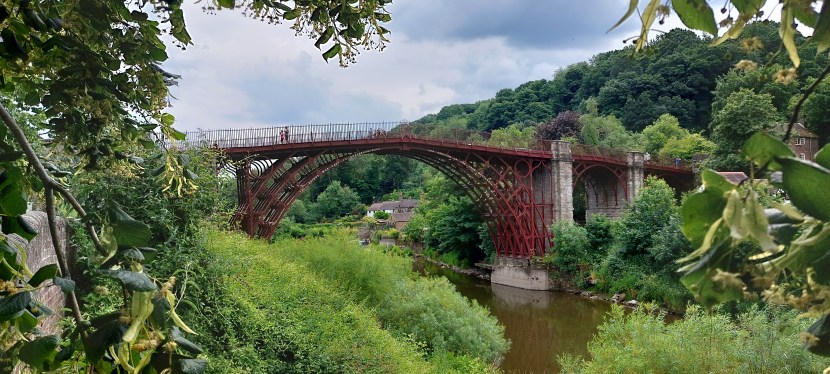
The latest free exhibition at the Ironbridge Gorge Museum Trust (IGMT), ‘From Stars to Cells: The Life of Iron’, opened to the public on the 24 April in the Coalbrookdale Gallery. Running until December 2024, the exhibition explores the science of iron, taking you on a journey from iron’s origins in space billions of years ago through to its use by humankind and in the Ironbridge Gorge.

The story of iron is particularly important to the local area, where the pioneering Darby family revolutionised our lives with their innovations in the iron industry, a symbol of which is the Ironbridge. This exhibition will explore the formation of iron atoms in stars and supernovas. You will have the chance to see up close meteorites formed in space 4.5 billion years ago. Then you will be transported to the Iron Age and around 750 BCE, with a selection of objects on loan from Shropshire Museums. You will see Iron Age coins from the Claverley Hoard, unearthed in Shropshire; a gold decorative torc excavated in Telford; and a bronze sword found in the River Severn.

Months of work has gone on behind the scenes to do research, source objects from the collections of IGMT and other organisations, write the exhibition text, and doing the design. IGMT volunteers will staff the exhibition, welcoming visitors as they arrive. A highlight of the exhibition is a bead from a necklace (also on display) from ancient Egypt dating from approximately 3200 BCE, the earliest known manmade iron object in human history. It is a loan from the Petrie Museum of Egyptian and Sudanese Archaeology at University College London, and this is the first time it has been exhibited outside London.

IGMT are grateful to the Friends of Ironbridge Gorge Museum, who have paid for the case in which this bead will be displayed, and to Hiscox for insuring it. This free exhibition is curated in partnership with Keele University and supported by Arts Council England.