AIA 2026 Norwich Conference Booking Now Open

Booking for the Association for Industrial Archaeology’s Annual Conference is now open via the AIA website:  https://industrial-archaeology.org/Conference. This year’s Conference is to be held at the Mercure Hotel, Norwich, East of England, from the 4th to the 9th September.
The AIA Annual Conference was first established in the 1970s and you can book for in-person or online attendence for the weekend programme. This year’s event follows its traditional format, starting on Saturday with a day of talks on the Industrial Heritage of the area followed by the presentation of this year’s awards and the Conference Dinner. On Sunday morning there will be the AIA AGM followed by the Rolt Lecture. Who was Tom Rolt ?

On Sunday afternoon, Monday, Tuesday, and Wednesday morning there will be a series of tours and evening talks. The full itinerary, costs, and accommodation details can be found on the website here: Annual Conference – The Association for Industrial Archaeology

Thanks to the Patrick Nott bursary, there will be five free places for the entire event from Friday to Wednesday, including accommodation, and up to £100 for travel expenses. The places are intended for those who feel they would otherwise be unable to attend. Please send details to the Conference Secretary at conference@industrial-archaeology.org at least 30 days in advance.
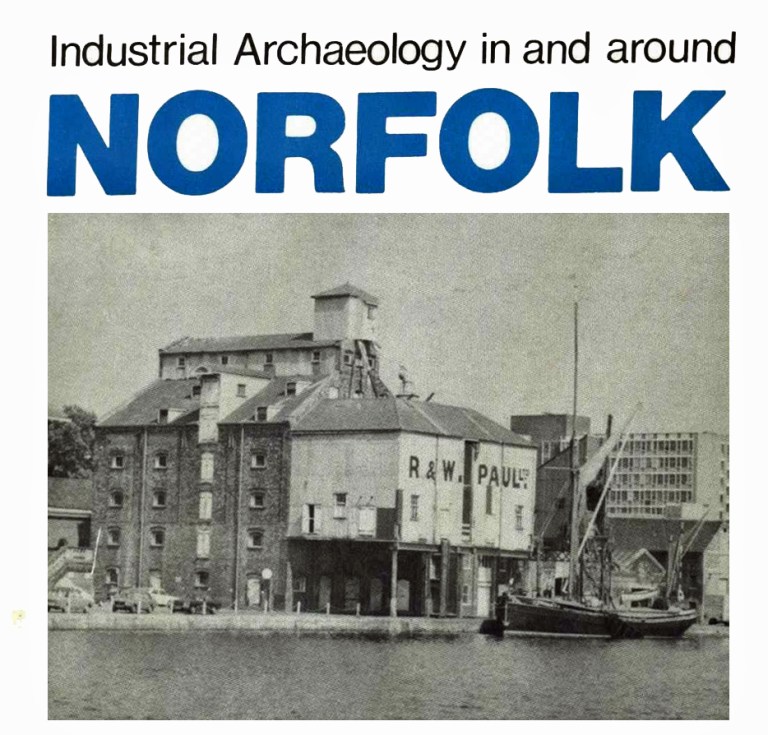
Front Cover of the IA Gazetteer from the 1981 AIA Norfolk Conference. Image copyright Association for Industrial Archaeology.

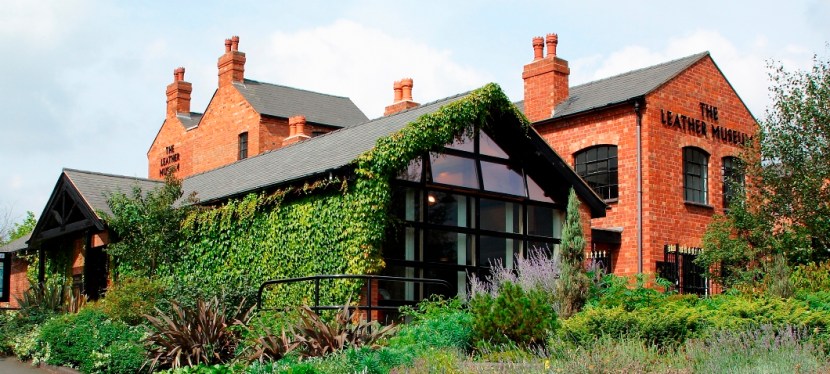
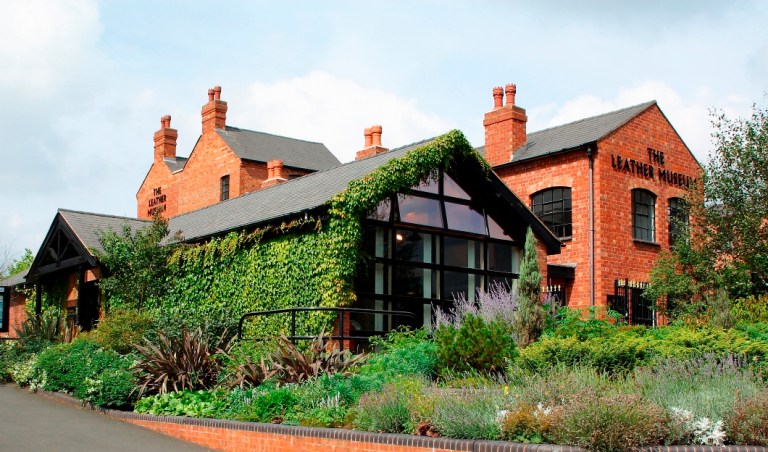
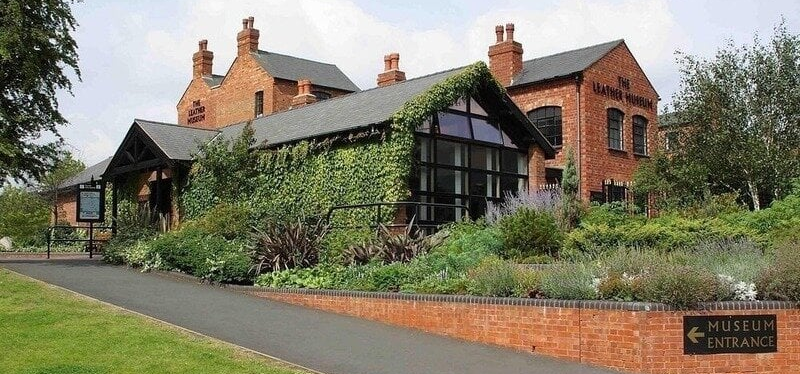
Walsall Leather Museum Given Listed Status

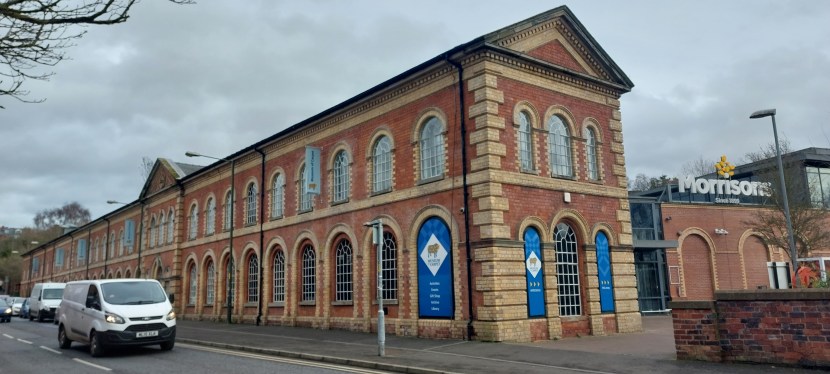
The Walsall Leather Museum in the Midlands, which is housed in the 19th century brick-built, multi-storey, buildings of the former Withers and Son and Samuel Llewellen leather works buildings, was given Grade II listed status earlier this month. The museum is facing closure on the 11 April, although Walsall Council has purchased new premises in the centre of the town for the proposed site of the re-located museum. A time-frame for the re-opening is yet to be announced.

In announcing the listing, Historic England noted that “We recommended listing the buildings at Grade II due to their historic and architectural interest. Leather working is strongly associated with Walsall, and the town is still a major centre for the industry. The workshops on Wisemore are among a very small group of such buildings of this date surviving in Walsall, and so are of particular significance for the town as they embody the industry that played a major part in the lives of many local people.”

In response to the listing, Walsall Council’s leader Mike Bird was quoted in the local press as saying: ‘It might be heritage to them but at the end of the day it’s an old factory, simple as that.’

More details about the listing, proposed closure, and move of the museum can be found here: Walsall Leather Museum’s listed status ‘won’t affect move’

The listing details can be found here: Two former leather goods works, Wisemore, Non Civil Parish – 1495986 | Historic England

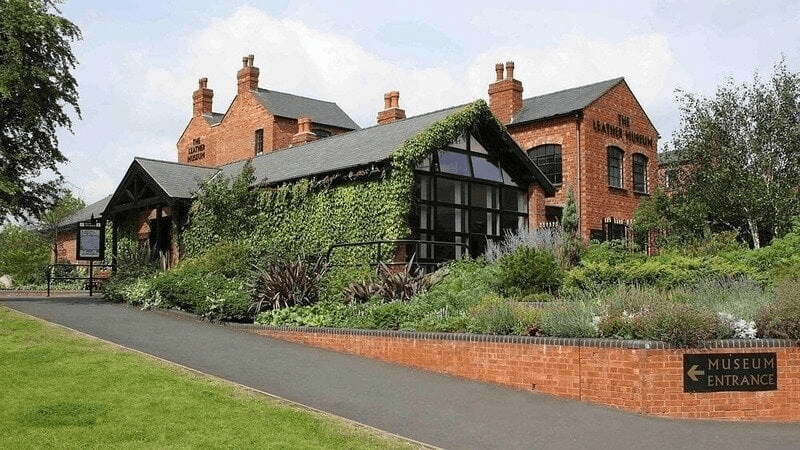
The Walsall Leather Museum. Image courtesy of the museum.

Mills Now & Then – SPAB Call for Your Mill Histories

To celebrate Mills in 2026 the Society for the Protection of Ancient Buildings (SPAB) is producing a compilation of individual mills’ histories. The SPAB Mills Section wants to create a new and comprehensive picture of mills of all types throughout the UK, Ireland, and Europe and are calling for submissions from owners, volunteers, millwrights, or anyone interested in the history of a mill or a linked group of mills, to write about how they evolved.

SPAB would like to understand a mill’s origins and how the structure and uses have changed over its lifetime. This can be a post mill, smock or tower mill, a watermill or tide mill, or an industrial mill. The mill can be located in the UK, Ireland or Europe. The entry can be about mills stil existing, derelict, or lost.

The chosen entrants will receive a copy of the published booklet, which will be available at SPAB Mills Section events. A digital version of selected submissions will also be available.

The deadline for submissions is Friday 1 May 2026. All entries to be submitted via email to: nmwsubmissions@spab.org.uk

Further details can be found by following this link: Mills Now & Then – Call for your histories | The SPAB

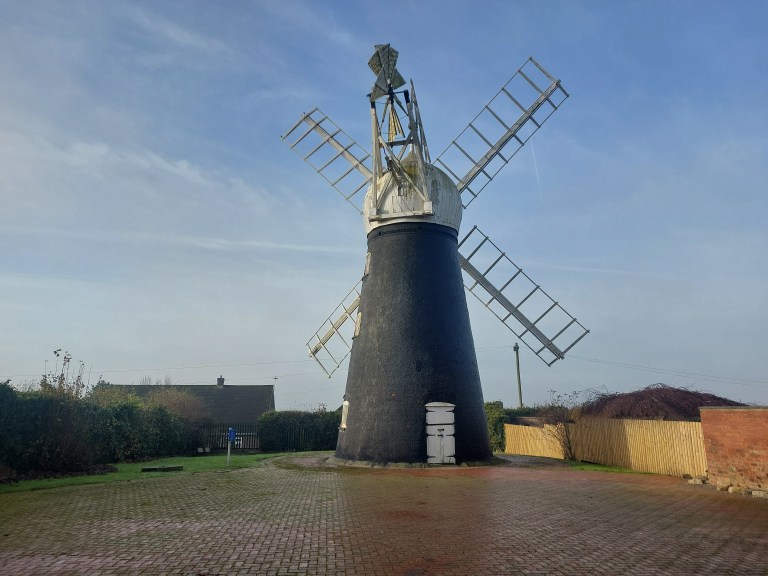
Windmill in Lincoln. Image copyright Dr Michael Nevell.

Historic Grimsby Maltings Conservation & Conversion Complete

The transformation of the derelict Grade II-listed West Haven Maltings and Migar House in Grimsby into the Horizon Youth Zone has been completed. The conversion provides children and young people across North East Lincolnshire with access to sports, arts, music, and maker facilities. The multi-million-pound project officially opened on 14 February, blending heritage preservation with community use. Read more here.  

Once abandoned and fire-damaged, the 19th-century site has been restored and repurposed thanks to support from the Architectural Heritage Fund via its ‘Transforming Places through Heritage’ programme. Other funders of the Horizon Youth Zone site included Historic England, National Lottery Heritage Fund, The Youth Investment Fund, Evergreen Life, St. James’s Place Charitable Foundation, Ørsted and Greencoats Wind UK.

Horizon Youth Zone is an independent charity and is part of the OnSide network of 15 Youth Zones nationwide, which support over 50,000 young people annually. 

Thelisted West Haven Maltings was constructed as a granary and office between 1821 and 1838. It was later converted for use as a maltings, with the addition of a kiln to the north elevation. Migar House was built as a grain warehouse with grain crushing capabilities between 1879 and 1887. The building remained in use as a maltings until the 1920s. After a period of abandonment and negelect the site was listed in 1975, although conservation works did not start until the 21st century.

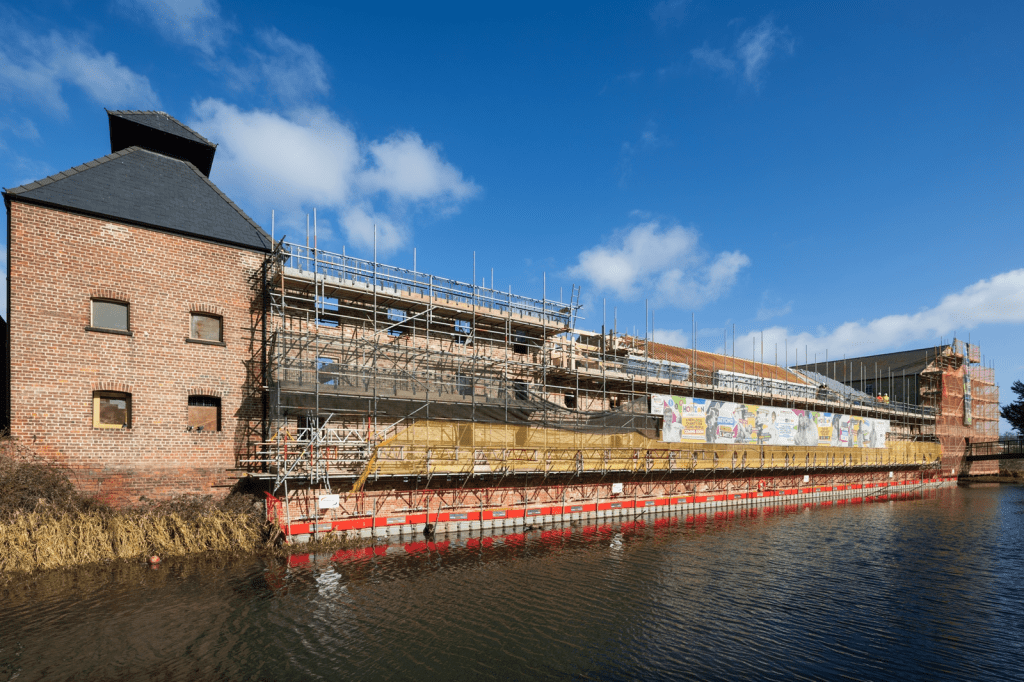
The Grimsby Maltings during restroation and conversion. Image copyright Historic England.

Land of Iron Museum Looking to Recruit a New Museum Manager

The Land of Iron is currently looking to recruit a new Museum Manager. They are seeking someone with a heritage background and an entrepreneurial mindset to lead their vision of being an asset to both the nation and the region.

Over the last 12 months, with support of the National Lottery Heritage Fund, the Museum has created new jobs, strengthened its community outreach, and expanded lifelong learning initiatives. As a result of this investment, this is an exciting time to join the charity as Museum Manager.

Land of Iron is a visitor attraction and museum on the site of the first ironstone mine in East Cleveland, in the coastal village of Skinningrove. Visitors can experience the rich and fascinating history of the area, taking them back 150 years to the Industrial Revolution, when the area and its people supplied over a third of the world’s iron and steel.

Deatils on how to apply are here: https://landofiron.org.uk/opportunities/museum-manager

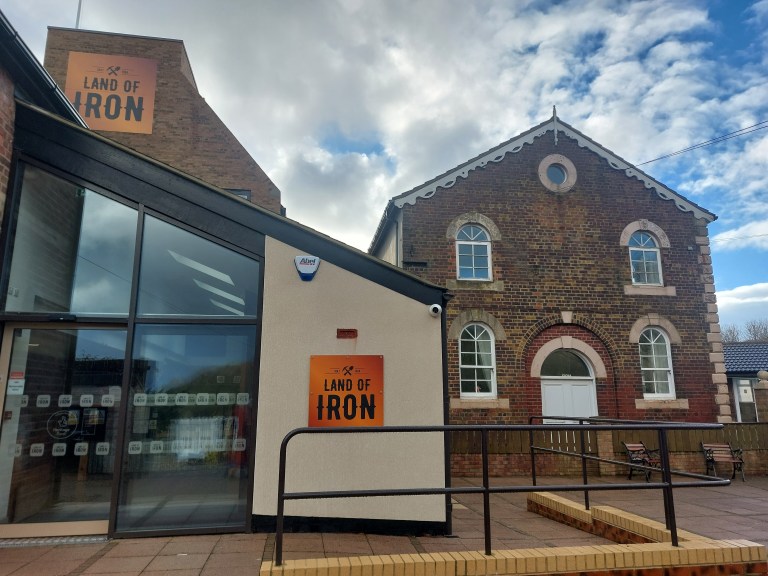
Land of Iron Musuem, Cleveland. Image copyright Dr Michael Nevell.

South East Regional Industrial Archaeology Conference 2026 Open for Booking

The 2026 South East Regional Industrial Archaeology Conference (SERIAC) will take place on 25 April at Stanley Arts, South Norwood, London, from 10.30 to 16.45.

The day will consist of papers from members of the constituent societies in the region, including topcis such as Brunel’s Viaducts and Reading’s Other Industries. Display Space will be available for those Societies who wish. An optional box lunch will also be available. Further details here:

Book your tickets online via this link: https://tinyurl.com/SERIAC-2026

Industrial Heritage Sites in England Continued to Struggle with Visitor Numbers and Finance in 2025

A survey of industrial heritage organisations in England during the second half of 2025 has indicated that a majority of sites have still not seen visitor numbers return to pre-pandemic 2019 levels, that volunteer recruitment remains difficult, and that a record number of sites have closed. The survey of industrial heritage organisations was carried out by the industrial Heritage Survey project during the regional industrial heritage network meetings run as part of the project.

71 industrial heritage organisations attended 10 in-person regional network meetings between June and December 2025. All the organisations reported an increase in visitor numbers, but a majority reported that these numbers had not returned to pre-pandemic 2019 levels. This trend was noted in the wider museum sector in England, in the Annual Museum Survey undertaken by Museum Development England with support from Arts Council England. Worryingly, 2025 saw a rise in industrial museum closures to eight sites, compared to 2024, a record number of closures since the project started tracking these in 2020, with industrial sites being particularly vulnerable to closure compared to the wider museum sector.

Furthermore, industrial heritage sites reported that the recruitment of volunteers remained difficult for many sites, although numbers a majority of sites have recovered to pre-pandemic levels, a trend in line with the Annual Museum Survey. All the industrial heritage organisations attending the regional network meetings noted that the continuing rise in the costs of fuel, heating, and maintenance was putting a strain on day-to-day finances and reserves.

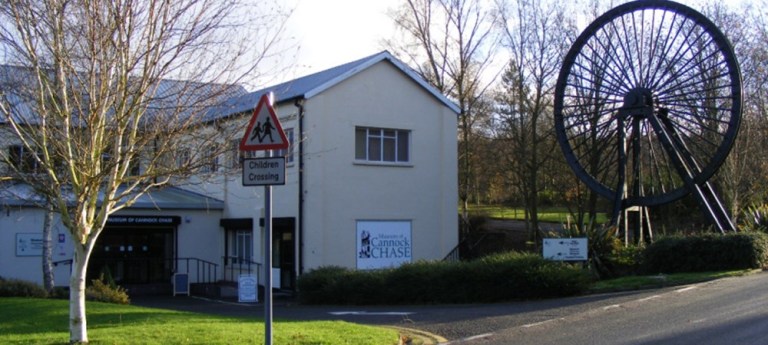
The Museum of Cannock Chase, which closed in April 2025. Image copyright Dr Michael Nevell.

Volunteering Opportunties at Northampton Transport Heritage

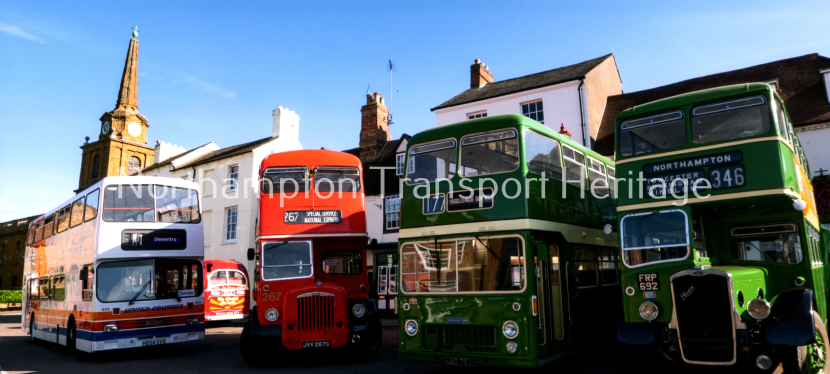
Northampton Transport Heritage is looking for volunteers to help keep their historic buses on the road, with increasing demand for its heritage vehicles at a variety of events running from April to November. However, they are constrained by a lack of volunteers – whether that’s helping to maintain the vehicles or assisting during events.

If you’re interested in old buses and want to help keep them on the road, or if you’d enjoy supporting Northampton Transport Heritage at the half dozen or so events they attend around Northamptonshire, please follow this link below:

https://ntheritage.org/

Historic buses at Northamptonshire Transport Heritage. Image courtesy of Northamptoshire Transport Heritage.

Petition Opened to Stop the Closure of the Walsall Leather Museum

A campaign has been set up to persuade Walsall Council not to close the Walsall Leather Museum. In September Walsall Council announced that Walsall Leather Museum will close next year (2026), despite a stay of execution earlier this year. They have approved plans for finding and purchasing a new town centre building for the museum and to sell off the existing museum building, itself a former leather works in Littleton Street West, to the nearby Walsall College.

The petition, which was launched at the beginning of November, accuses the council of “silently stripping away a cherished historical community asset that belongs to all of us”, and adds that “this decision is being made behind closed doors, with no meaningful public consultation and no transparency about how or when these choices were or are made. They have no formal plans to provide an alternative building or protect the museum’s historic collections.”

You can view the petition here: https://www.change.org/p/stop-the-closure-of-walsall-leather-museum?fbclid=IwY2xjawOAFPFleHRuA2FlbQIxMQBzcnRjBmFwcF9pZBAyMjIwMzkxNzg4MjAwODkyAAEeL5Bk-Bk9UQ43lgNee6A3W3BBJV7NMeeGP2WAhyHwfvmwBIOd5gplTNj7lzA_aem_0shgQFPzBOMV9TAKuQvQ2w

South West Industrial Heritage Network Meeting, 7 November

The next in-person South West Industrial Heritage Network meeting will be held at Crofton Beam Engines on Friday 7th November, from 11am to 1pm. This will be followed, after lunch (please bring your own), by a tour of the site (2pm to 3pm). The themes for the 2025-26 IHN meetings are conservation and maintenance.

All IHN members and friends are very welcome to attend. To book a free place follow this link:

Crofton Beam Engines was built in 1807-9 to supply water to the highest point of the Kennet & Avon Canal which links London and Bristol. It is a rare survivor of the technology which enabled British engineers to drain mines and supply towns and cities with water throughout the world. For more details about the site follow this link: https://www.croftonbeamengines.org/about/