Festival of Archaeology Event at Ironbridge: Bedlam Furnaces Tour

The 2025 Festival of Archaeology runs from the 19th July to the 3rd August and this year’s theme is archaeology and wellbeing. Amongst the hundreds of events on offer are several industrial archaeology and heritage activities, including free tours of one of the most important sites within the Ironbridge Gorge World Heritage Site: the Bedlam Furnaces.

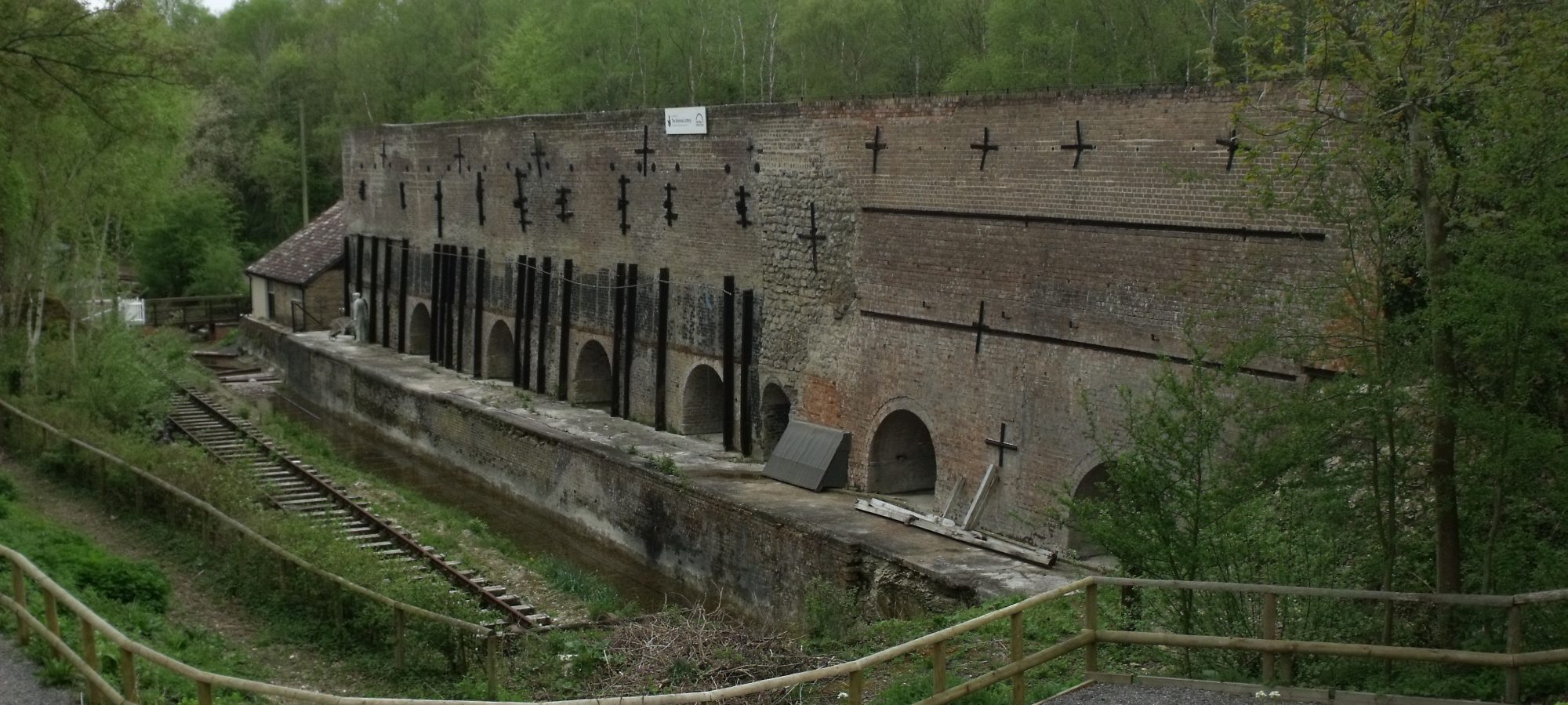
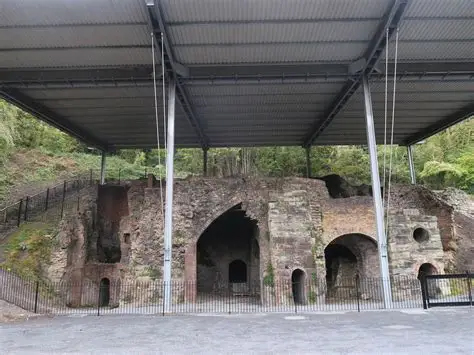
The Ironbridge Gorge Museum Trust is offering the opportunity to go behind the fence to explore one of the oldest blast iron furnaces in the World Heritage Site: the 18th century Bedlam Furnaces. Three, one-hour, guided tours are available at 11am, 12.30pm & 2pm. Numbers are limited due to the nature of the site.

To book a tour of the furnaces follow this link: https://www.eventbrite.co.uk/e/festival-of-archaeology-bedlam-furnaces-tours-tickets-1490905391159?aff=oddtdtcreator

You’ll find listings on Council for British Archaeology’s website for all the Festival events happening across the UK and online. There are also a range of resources that you can access all year round including lectures, trails and guides to crafting ideas for all ages. You can also find out about different aspects of archaeology in our catalogue of ‘A Day in Archaeology’ blogs and videos.

Follow this link to explore Festival of Archaeology Events near you: https://www.archaeologyuk.org/festival.html

The 18th century Bedlam Furnaces, at Ironbridge. Image copyright Ironbridge Gorge Museum Trust.

Festival of Archaeology 2025

The Festival of Archaeology is back this summer (19th July to the 3rd August 2025), and the Council for British Archaeology (CBA) want you to be part of it! Whether you’re a local society, heritage organisation, youth group, community project, or passionate individual, your event can help open up archaeology to new audiences. This year’s Festival theme is Archaeology and Wellbeing.

Archaeology is a wonderful way to make a positive impact on people’s well-being. During this year’s Festival, CBA will be incorporating the five ways to wellbeing into the events and activities, creating opportunities for people to give, be active, learn, take notice and connect. The Festival of Archaeology brings history to life, inspiring curiosity, learning, and engagement with the past. Each year, CBA connect thousands of people across the UK with archaeology through events, activities, and digital content.

Access to the organiser materials now requires an individual to log in to have access and permission to use the Festival of Archaeology branding materials and ulitise the amazing FREE guidance and training CBA provide to help you with your events. To submit your event follow this link:

https://www.archaeologyuk.org/festival/organiser-area.html

Discover some of the 2025 Festival events already planned here: https://www.archaeologyuk.org/festival/festival-event-listing.html

Festival of Archaeology Summer 2025 Officially Launched by CBA

The Festival of Archaeology, run by the Council for British Archaeology (CBA), is back for summer 2025. This year’s theme, ‘Archaeology and Wellbeing’, celebrates the ways archaeology can inspire, connect, and enrich our lives. Whether it’s exploring historic landscapes, taking part in hands-on activities, or engaging in mindful moments with the past, there’s something for everyone.

Running from the 19 July to the 3 August, the CBA has announced some key festival events, including the opening in Northern Ireland at Divis and the Black Mountain, and the festival finale in Bradford, the UK City of Culture for 2025. During this year’s Festival, the CBA will be incorporating the five ways to wellbeing into the events and activities, creating opportunities for people to give, be active, learn, take notice, and connect. 

In 2024 there were dozens of industrial archaeology events across the country, so if you are an Industrial Heritage site or group lookign to get /involved as an organiser now’s the time to submit your event. Or, if you’re looking for some great events this July, you can start exploring what’s coming up now. In both cases follow this link to the Festival website for how to get involved: https://www.archaeologyuk.org/festival.html

Historic England Consultation on Draft ‘Tool Kit for Managing the Ownship of Archaeological Finds’

Historic England has developed a draft Toolkit for Managing the Ownership of Archaeological Finds in England, as part of the Future for Archaeological Archives Programme. It has benefitted from initial advice from members of the programme’s Advisory Panel and from Queens Counsel legal advice.

The new toolkit is designed as a resource for individuals involved in the management, recovery, and archiving of archaeological materials. It offers guidelines to ensure the secure and legal transfer of ownership of archaeological material, thereby supporting effective archival practices and planning policy. The toolkit consists of a model deed of transfer and guidance covering principles of ownership, advice on transferring ownership of the material archive, procedures for arranging transfer of ownership, guidance for planners, landowners and planning applicants/developers and guidance where landowner consent cannot be obtained.

The Toolkit includes sections on:

  • Ownership – the principles of ownership of archaeological finds
  • Advice on transferring ownership of the material archive from an archaeological project
  • Procedures for arranging transfer of ownership
    • for a development project
    • for a research or community project
  • Guidance for planners, landowners and planning applicants/developers
  • Guidance where landowner consent cannot be obtained
  • Objects already in museum/repository collections
  • Material assemblages stored by archaeological contractors

The draft toolkit is subject to a consultation period of nine months between January and September 2025. Historic England very much welcomes all feedback, which can be submitted via this short form https://forms.office.com/pages/responsepage.aspx?id=RG4RMHlNwESowevAcH2jyWGl58Stc09CpJPQVx986upURTJWV0hYSEZURzFQMFFEQTJCNE5TMEpSVy4u&route=shorturl

or by emailing FAAP@historicengland.org.uk.

Results of the survey will be analysed in Autumn 2025 and will inform the toolkit’s further development.

Small Grants Available in 2025 for Industrial Heritage Museums & Sites

The dealines for several grant streams suitable for Industrial Heritage museums and sites occur in early 2025. To catch up with what is available for industrial heritage sites and museums explore the following websites.

Foyle Foundation Small Grants The Small Grants Scheme is provided by the Foyle Foundation to support smaller, grass-roots, and local charities in the UK with projects that have the potential to make a significant difference to their work. Grants range from £2k to £10k and the closing date for applications is 31 January. Find outr mor eby followign this link: https://foylefoundation.org.uk/how-to-apply/small-grants-scheme-guidelines/

The Heritage Alliance, whilst not a funding body in itself, co-manages the Heritage Funding Directory  with the Architectural Heritage Fund. This free resource for the sector includes a directory listing funding sources for heritage projects across the UK (and internationally), and includes some helpful guidance on fundraising.  It is regularly updated, so its worth visiting regularly.

Finally, the Association for Industrial Archaeology runs several annual grant and award schemes specifically for industrial archaeology and heritage, with closing dates at the end of January and the end of March. Follow this link for further details: https://industrial-archaeology.org/aia-awards/

Festival of Archaeology – 5 Year Impact Report From the CBA

The Councicl for British Archaeology (CBA), who have run the Festival of Archaeology for many years, have published an overview of results and impact for the years covering 2020 to 2024. The Impact Study represents five years of data collection and analysis drawn in large part from those who responded to the evaluation surveys over the years. It was undertaken by Resources for Change.

Over the last five years, the Festival saw over a million engagements (people directly engaging with CBA content) with a reach of 359 million (number of people exposed to a social media post). There were nearly 2,000 activities, some delivered more than once, which resulted in 3,401 individual sessions. The Feitval was also able to adapt to the impact of the COVID-19 pandemic.

To download the executive summary follow this link:

Festival of Archaeology 2020-2024 Impact – Executive Summary

2024 Archaeological Achievement Awards Nominations Open

Nominations are now open for the 2024 Archaeological Achievement Awards. They celebrate excellence in archaeology by awarding a project or individual for the following categories:

  •  Archaeology and Sustainability
  • Early Career Archaeologist
  •  Engagement and Participation
  •  Learning, Training and Skills
  •  Public dissemination or Presentation

You can nominate through the Council for British Archaeology’s webiste via the link here. Past winners have included industrial archaoelogy and heritage sites, and volunteers. The deadline for nominations is 12.00pm, Wednesday 25 September 2024.    

The Council for British Archaeology (CBA) is a leading educational charity dedicated to championing and promoting engagement in archaeology and supporting grassroots archaeologists across the UK. Established in 1944, they have a long history of championing public participation in archaeology (including industrial archaeology), aiming to connect diverse communities with the heritage of our shared past. To find out more follow this link: https://www.archaeologyuk.org/about-us.html

CIfA Community Archaeology Toolkit – Survey

CIfA is working with DigVentures to develop guidance which supports and enables public benefit from archaeological projects, as part of a project funded by Historic England. This project aims to embed public participation and engagement firmly into sector practice, with an initial emphasis on archaeology projects delivered within the context of the planning system. The main target audience for the guidance is those who commission, facilitate, or deliver archaeology projects primarily driven by development led activities, but this also includes industrial archaeology and heritage sites.

This short survey forms part of a sector-wide consultation undertaken collaboratively with CIfA. Our aim is to understand the opportunities and challenges in implementing public benefit within development-led archaeology. The two surveys are aimed at two different audience groups; one for those who commission archaeology, including those who prepare project briefs, and the other directed towards project delivery teams.

If you a commissioner or if you facilitate archaeological projects, please take this survey.

If you are a practitioner involved in the delivery of archaeological projects, please take this survey.

The survey will be live until the end of January 2023. In the meantime, get in touch with the project team directly if you are interested in hearing more about the project.

Please get in touch with Harriet Tatton (DigVentures – harriet@digventures.com) if you have questions about the survey or have any technical difficulties. Please get in touch with Cara Jones (CIfA – cara.jones@archaeologists.net) if you have questions about the scope of the project

Historic England Announce £1.8 million in Coronavirus Grants

Historic England have announced £1.8 million in grants for 70 projects to help tackle the impact of Coronavirus on the heritage sector. The grants range from social distancing guidance for archaeologists during digs, to supporting voluntary organisations and craft workers such as stonemasons, to emergency funding for King Henry VIII’s flagship the Mary Rose.

The Covid-19 Emergency Response Fund was set up in April in response to Historic England’s survey of heritage organisations which revealed the adverse impact of Coronavirus on the sector. The grants will help organisations, voluntary groups and self-employed contractors survive the immediate challenges posed by the pandemic, and to prepare for recovery.

Applicants were invited to apply for grants of up to £25,000 to address financial difficulties arising from Coronavirus and for grants of up to £50,000 for projects and activities that reduce risks to heritage by providing information, resources and skills. The fund was over-subscribed, attracting around 300 applications. Applications included innovative ways of engaging visitors and volunteers while historic places are closed and online training for conservation skills. Industrial sites supported include the Grade II listed Old Low Light building on North Shield’s Fish Quay now in use as a heritage and community Centre.

The next strand of Historic England’s Covid-19 grants response is Heritage at Risk emergency funding, in mid-June. This will make use of the important, highly skilled businesses that form a key part of the heritage sector to address the most urgent needs of our historic environment (when current restrictions have been sufficiently relaxed).

Further details here:

https://historicengland.org.uk/…/covid-19-emergency-grants…/

Applicants were invited to apply for grants of up to £25,000 to address financial difficulties arising from Coronavirus and for grants of up to £50,000 for projects and activities that reduce risks to heritage by providing information, resources and skills. The fund was over-subscribed, attracting around 300 applications. Applications included innovative ways of engaging visitors and volunteers while historic places are closed and online training for conservation skills. Industrial sites supported include the Grade II listed Old Low Light building on North Shield’s Fish Quay now in use as a heritage and community Centre.

The next strand of Historic England’s Covid-19 grants response is Heritage at Risk emergency funding, in mid-June. This will make use of the important, highly skilled businesses that form a key part of the heritage sector to address the most urgent needs of our historic environment (when current restrictions have been sufficiently relaxed).

Further details here:

https://historicengland.org.uk/…/covid-19-emergency-grants…/