Derby Museums Launch Flood Damage Appeal After Storm Babet

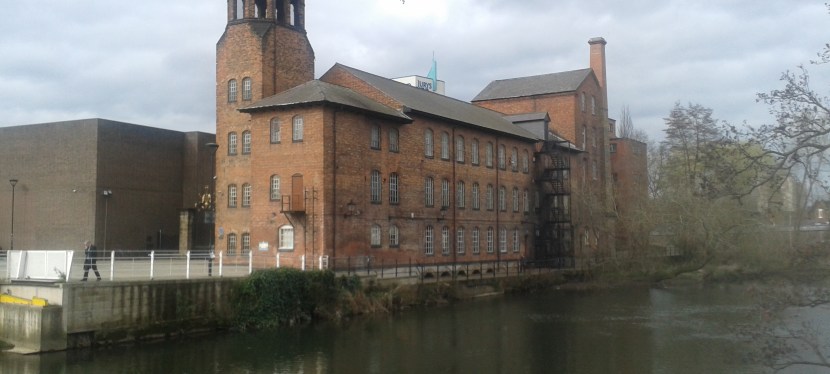
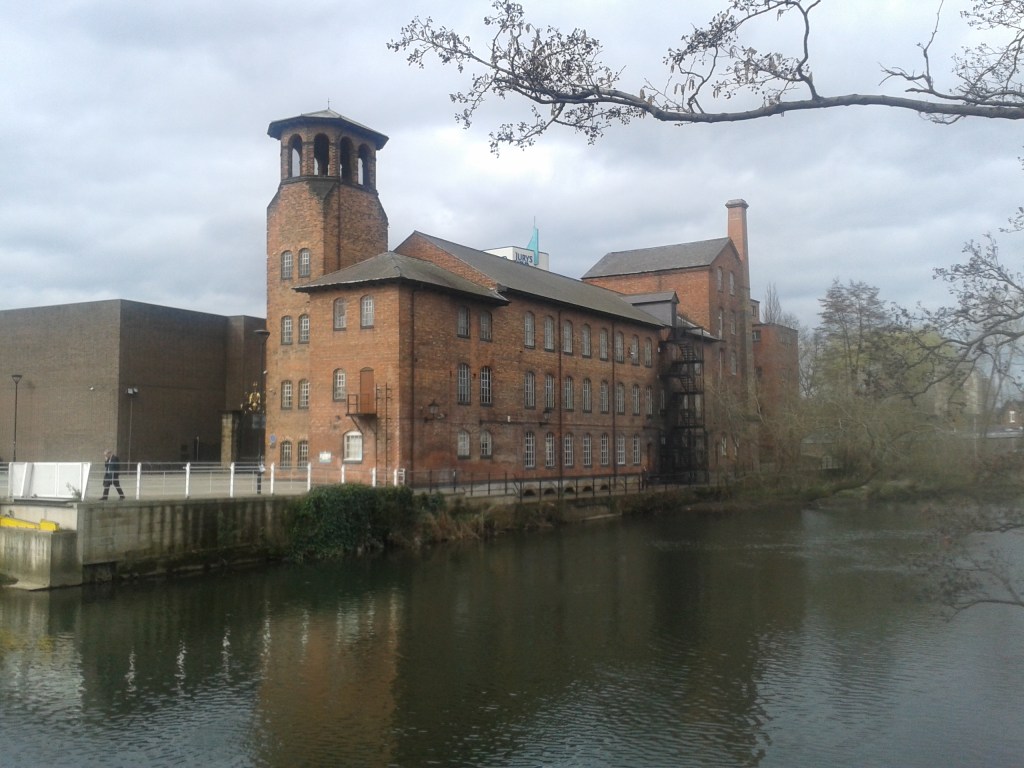
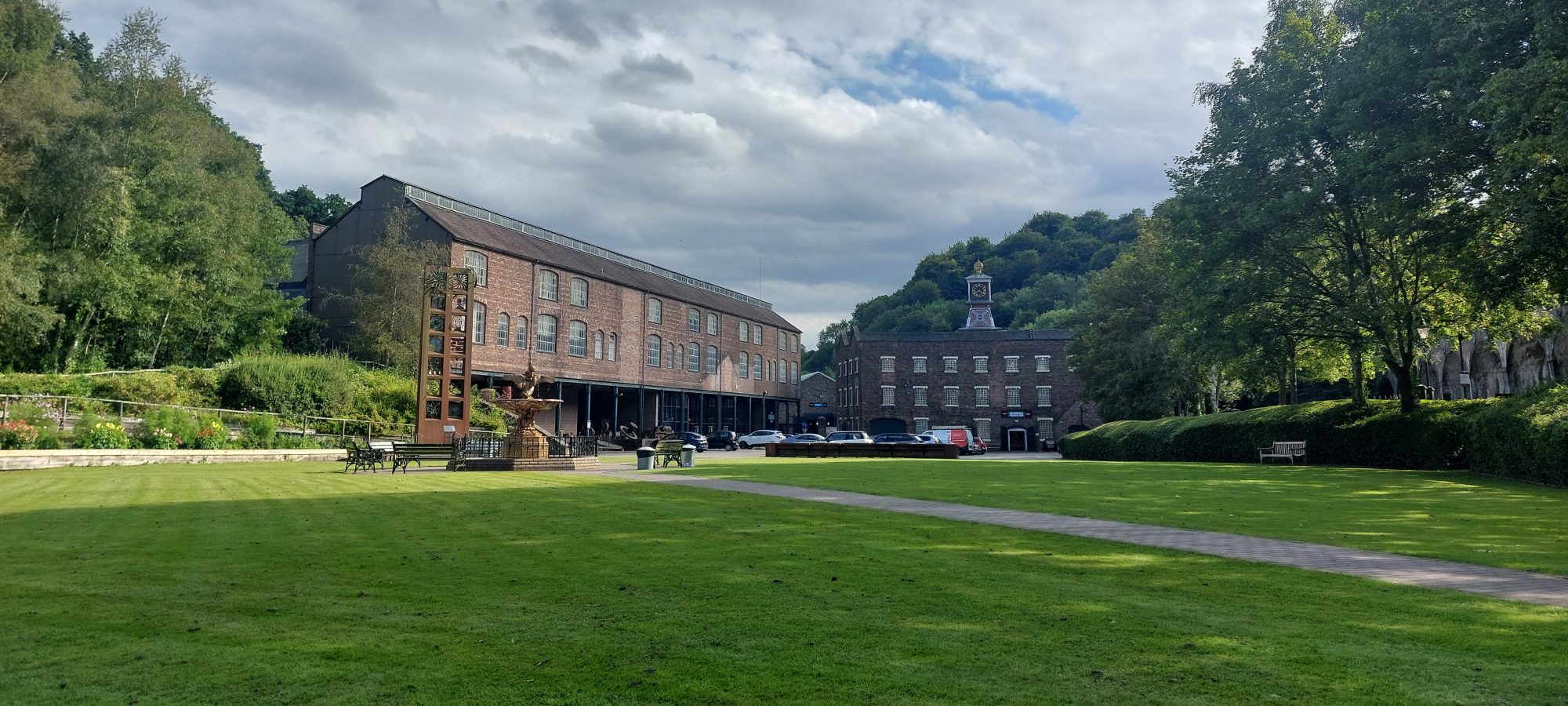
The Old Silk Mill, Derby, in 2014 before conversion to the Museum of Making

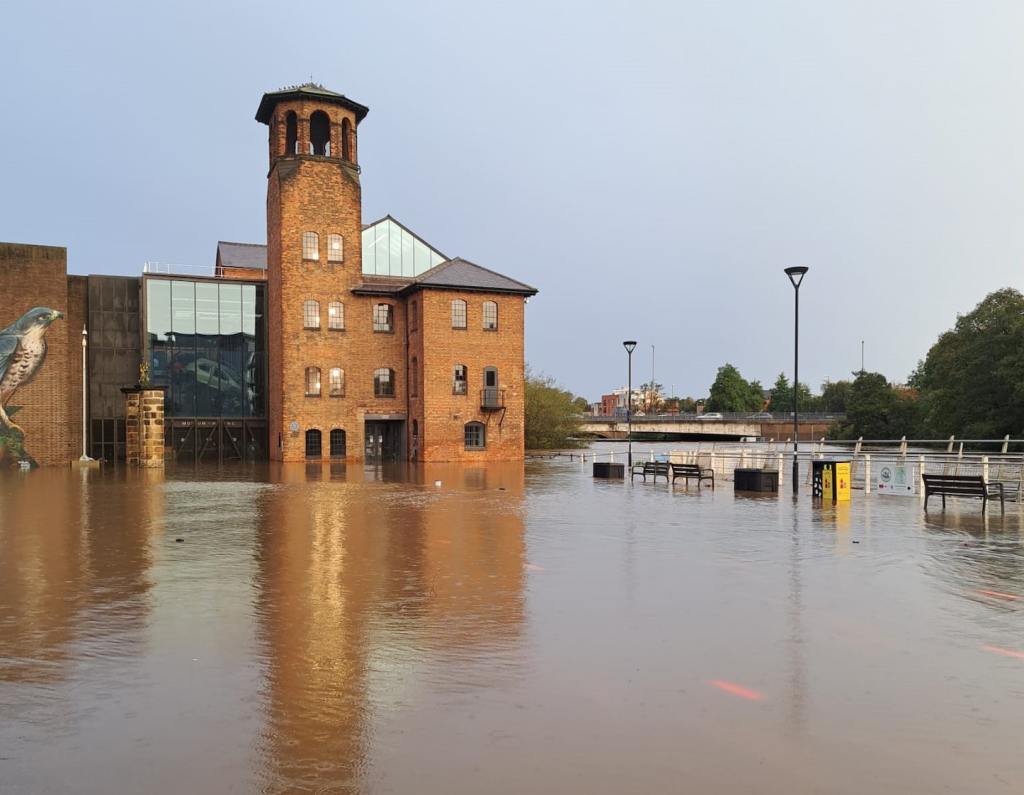
Flooding as a result of Storm Babet has caused significant damaged to the Museum of Making in Derby, housed in the former Old Silk Mill. The Grade II Listed pioneering mill includes remains from the original water-powered silk mill built in 1717-21 by Thomas and John Lombe. The current form of the building dates from a major rebuild in 1910 after a fire destroyed much of the early 18th century building, with additional elements added in the recent conversion to the Museum of Making.

The mill building was designed to withstand some flooding and the recently refurbished museum increased this resilience. However, the water levels in October 2023 reached far higher than predicted during the redesign of the museum structure. The museum’s staff worked tirelessly to move as much as possible off the ground floor before the flood hit, but the damage appears to be substantial. As a charity, Derby Museums relies heavily on donations and earned income through events and catering, which is currently affected by the flooding and its aftermath.

Derby Museums have said that they will be doing a full assessment of the damage as soon as the water has receded and it is safe to enter the building. However, they note that their museums are already in a precarious financial position. As a result, they have launched a public appeal to help raise funds for the restoration and repair of the Museum of Making.

Donations, big or small, can be made through the Derby Museums website here: Derby Museums Donation Page – please select ‘Museum of Making’ as the reason for your gift.

Flooding around the Museum of the Making, October 2023. Image Courtesy of Derby Museums.

IGMT Joins Forces with Leicestershire County Council on New Museum Development Midlands Partnership

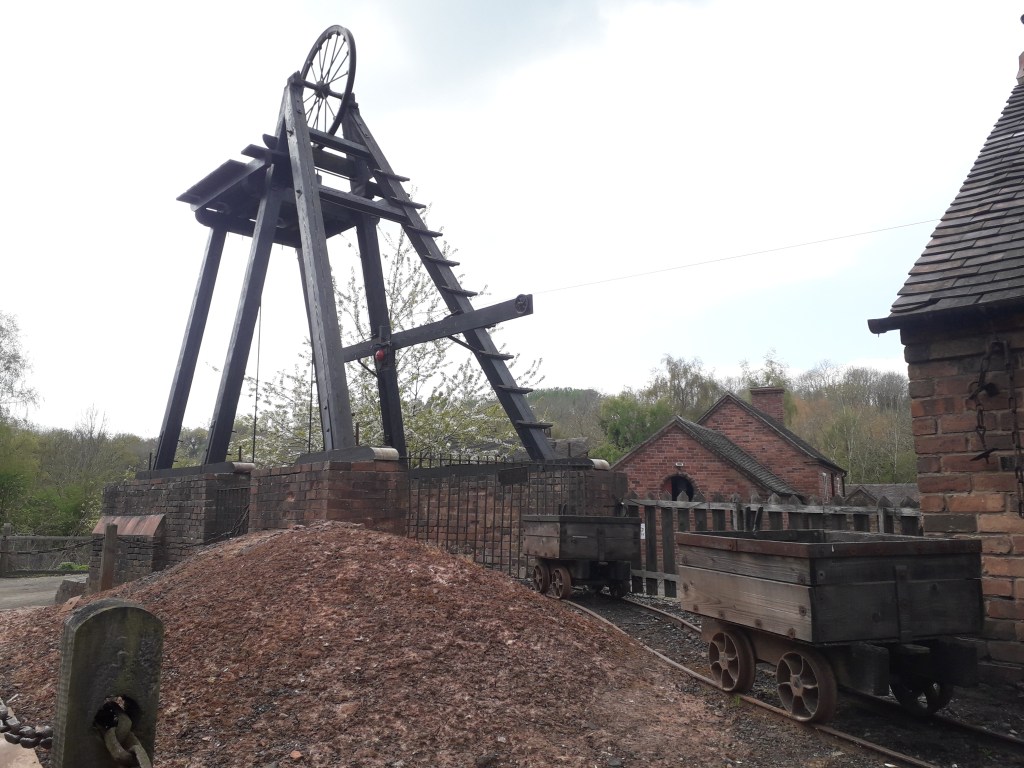
The mine headstocks at Blists Hill, Ironbridge. Copyright Dr Michael Nevell

The Ironbridge Gorge Museum Trust has announce that IGMT, in partnership with Leicestershire County Council, has been awarded the Arts Council England (ACE) contract to deliver the new region-wide Museum Development Midlands programme from 1 April 2024 to 31 March 2026. 

Museum Development UK (MDUK) is a network of all national Museum Development providers and practitioners in England, Scotland, Wales, and Northern Ireland. MDUK’s overarching goal is to support diverse, inclusive, and innovative museums that welcome people from all backgrounds. The networks are an important resource for industrial heritage museums and sites.

IGMT are currently the providers of the West Midlands Museum Development programme. From April 2024 their team will join with the team at the East Midlands programme to create a new Midlands team, to provide continuity to the sector.

Arts Council England has said that it will give this new Midlands programme a grant of £571,420 per year for two years (2024-26)to fund its work providing business development support to museums and their workforces across the Midlands.

This is part of a wider re-organisation of the UK Museum Development Network that will see mergers of the existing services across England. The new Area programmes will be known as:

  • Museum Development London
  • Museum Development Midlands
  • Museum Development North
  • Museum Development South East
  • Museum Development South West

It will bring the various partner organisations together to share insights and learning through a national programme, known as Museum Development England.

Further details about the new structures can be found via this link: https://www.artscouncil.org.uk/supporting-arts-museums-and-libraries/supporting-museums/museum-development-programme/museum-development-2024-26

Proposed Funding Cut to Royal Cornwall Museum: A Sign of Things to Come in the Industrial Heritage Museum Sector?

The proposed withdrawal of core funding from Cornwall Council, announced in the summer of 2022, could threaten the future of the Royal Cornwall Museum. The museum, founded in 1818, holds a wide range of collections spanning 4,000 years of Cornwall’s history, including material and displays relating to the area’s rich mining heritage. Such a proposed cut from a key funder may be a sign of the potential impact of local authority cuts within the industrial heritage museum sector (and beyond), as councils battle rising inflation against tight budgets and legal requirements to support key services.

However, in an encouraging statement on the RCM’s website their Chief Executive Jonathan Morton stated that: “We are grateful to the delegation of senior officers from Cornwall Council for coming to the museum and allowing us to outline our situation, and to put forward our proposals for both a short term fix and a longer term solution. This meeting also allowed us to highlight the progress the museum has made over recent years and to reinforce the importance of the museum and its collections to the people of Cornwall.

We’ve been really encouraged by the response from Cornwall Council following the meeting, and both RCM and Cornwall Council have committed to continue to explore options, along with other partner organisations, to address the short and long term future of the museum, and will be undertaking further discussions in the coming days.”

You can help the museum by visiting, or making a donation and joining as a member by following this link: https://www.royalcornwallmuseum.org.uk/

National Brewery Centre, Burton, Threatened with Closure

The National Brewery Centre in Burton-upon-Trent is being threatened with closure. The Grade II Listed brewery building is owned by Molson Coors, which is proposing to re-use the museum building as the new headquarters for its 500 staff in Burton. The intention is to switch from their current HQ in High Street to the brewery centre site. The museum is housed in the former Joiner’s shop of Bass’s Middle Brewery, which was built in 1866. The three-storey, brick-built structure, is 12 bays long.

Molson Coors’ High Street building will be demolished to make way for a new waterside development in the town centre. The waterside development is being led by the Burton Town Deal Board, which will spend £5 million in Government grants to create the development fronting the River Trent as part of the regeneration of the town centre. Molson Coors commented that ‘We’re committed to working with Planning Solutions Limited, the National Brewing Heritage Trust and the council to manage the closure of the site as sensitively as possible and finding the right new home for our industry’s important heritage.’

The Heritage Brewery Trust, which runs the centre, has said that a “selection” of its half-a-million brewing artefacts housed at the museum will be moved to Bass House, on the High Street. Currently 5,000 items including machinery are on display at the centre.

Further details can be found here: https://www.staffordshire-live.co.uk/news/burton-news/campaign-launched-save-burtons-national-7579458?utm_source=sharebar&utm_medium=email&utm_campaign=sharebar

The National Brewery Centre’s website site can be found here: https://nationalbrewerycentre.co.uk/

A campaign has been launched to save the Brewery Centre on its current site. The petition can be found here: https://www.change.org/p/save-burton-s-national-brewery-centre?recruiter=161984374&recruited_by_id=1f2fbeae-b677-488b-9e39-654f3351841a&utm_source=share_petition&utm_campaign=share_petition&utm_medium=copylink&utm_content=cl_sharecopy_34423556_en-GB%3A6


Digital Development Training Seminars for Autumn 2022

Booking is now open for new dates for these popular development sessions with Culture24. All courses are delivered online via Zoom in 3 x 2hr sessions – one session per week for three weeks. 

There are 18 places on each course – 2 places for each of 9 museums. All sessions are being delivered for museums across the Museum Development North East, North West, and Yorkshire regions. 

For more information about booking a place please contact: alexander.bird@manchester.ac.uk / bria.cotton@manchester.ac.uk

Funding Opportunity: Esmee Fairbairn Collections Fund

The Esmée Fairbairn Collections Fund supports a range of projects that bring collections closer to people. They award the fund on behalf of the Esmée Fairbairn Foundation to projects that demonstrate the significance, distinctiveness, and power of collections to people. The fund has awarded over £11m to 170 projects since it launched in 2011.

The Esmée Fairbairn Collections Fund supports museums to use their collections to become relevant and sustainable organisations that are connected to, and valued by, their communities. All applications to the fund must focus on existing collections, typically held by an Accredited museum or partnership of museums and other organisations. The funded work must engage and involve audiences to achieve public benefit. In 2022 they have simplified the grants offered, recognising the challenge of the pandemic and seeking ways to build on the great work undertaken in the last two years. This year they are offering grants of up to £90k over two years for museums to test new, ambitious, creative collections engagement that has a social impact. These grants are for museums to innovate, kick-start, or develop their collections engagement practice where there is a strong link between a relevant collection and audience.

The last expression of interest deadline this year is 14 September 2022 for awards in December, following a two-stage process. In total £1.3m will be awarded in 2022 across an anticipated seven to ten projects in each funding round. All applicants will meet a set of essential requirements relating to using existing collections to engage, involve and inspire audiences. You can find out more about what they want to see in their guidance for applicants.

For more information and download applicant information packs, please click here to visit their website.

Ironbridge to Receive £9.9 Million for Urgent Conservation & Repair Work

The Ironbridge Gorge Museum Trust has been awarded £9.9 million by the National Heritage Memorial Fund (NHMF) from the Cultural Assets Fund (CAF), a £20 million government funding stream to protect treasured heritage assets in England from the impact of the coronavirus pandemic. This funding will allow the museum to carry out a backlog of urgent conservation and repair work to 49 historic buildings and structures across the UNESCO World Heritage Site. This includes five scheduled monuments and 30 listed buildings which are recognised individually and collectively for their architectural and historic significance.

The Cultural Assets Fund is funding specifically for conservation work identified as part of the IGMT Quinquennial Review, carried out in 2021. £5.5m of the fund has been allocated specifically for the repair and maintenance of the historical buildings and monuments. The grant also includes £4.5m endowment funding which will be invested to ensure income generation for continuing conservation maintenance and to help safeguard the future of the heritage assets.

Visitor figures to Ironbridge, which has recently experienced devastating floods, dropped by almost 75% in 2020 due to the pandemic, compared to 2019. With less visitor income, the organisation’s funds for vital conservation repair work have been significantly reduced. The pandemic also meant that volunteers were unable to offer their usual help with site maintenance, including flooding repair work. In contrast, 2019 saw over 400 individuals volunteering almost 25,000 hours of their time to support the site.

The funding will support vital repairs to some of Ironbridge’s most important structures, which reveal how its rural landscape was transformed and optimised in the 18th century to provide the transport links, raw materials, and natural resources required for industrial processes such as iron, brick making, and ceramics. The survival of this heritage in its original context is crucial for maintaining the integrity and authenticity of Ironbridge as a designated World Heritage Site, attracting visitors from across the world.

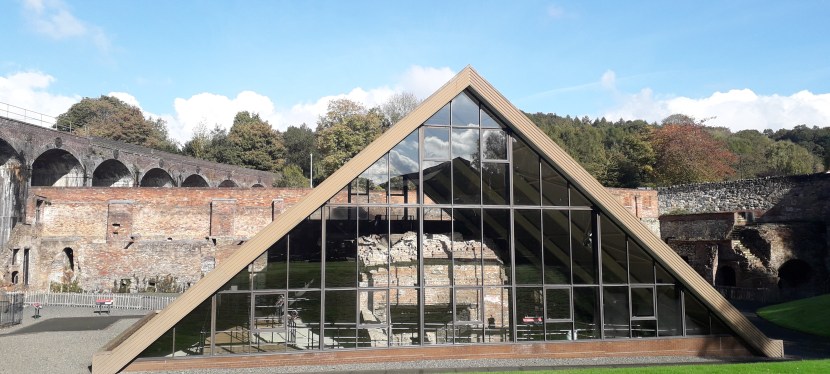
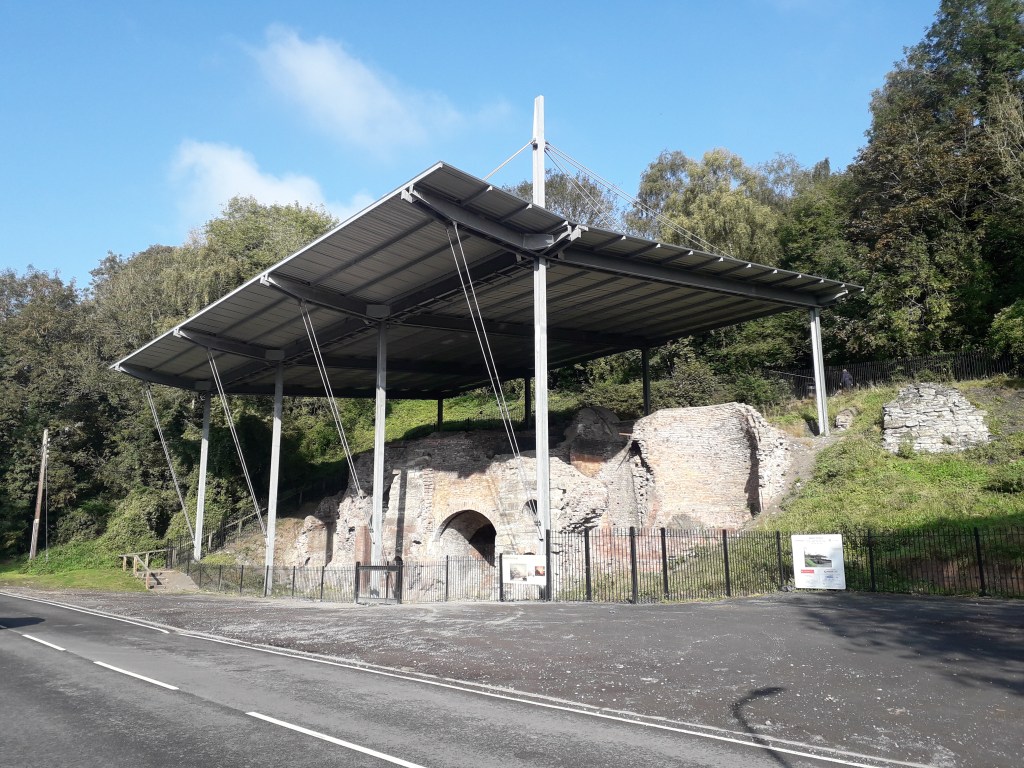
Bedlam Furnaces

Forncett Steam Museum Pipe Appeal

The Forncett Industrial Steam Museum, established in 1981 by Dr Rowan Francis, tells the story of the development of steam power in Great Britain from 1698 to the present day. 18 full-sized engines spanning the industrial revolution have been rescued and restored to working order on the site. They are demonstrated to the public on steam days including one of the steam engines that was used to open Tower Bridge in London. Based in southern Norfolk, this small, independent, volunteer-run museum became a Charitable Incorporated Organisation in 2018.

A boiler inspection in June 2021 concluded that the whole pipeline system would have to be replaced with mill certified seamless steam pipe and certified wrought iron fittings and valves, in order to obtain renewed public liability insurance. Consequently, the museum volunteers have had to strip out the entire pipe system from boiler to each engine for replacement with new piping.

Not only does this mean that the museum will not be in full steam until May 2022, but the museum also needs to raise the £14,000 it will cost to replace the old pipework with the new material. The museum has set up on online appeal, with the aim of getting the engines back in steam for next spring. To donate follow this link: https://www.forncettsteammuseum.co.uk/

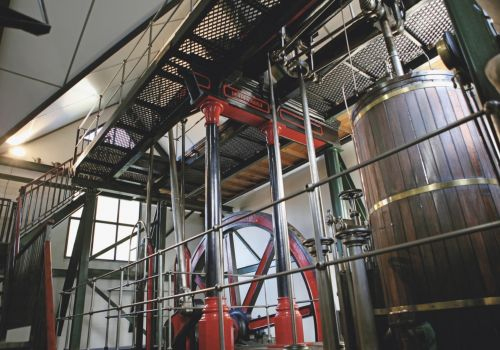
The Hopwas Beam Engine ‘Spruce’, installed at the Tamworth Pumping Station in 1879

Supporting, Sharing, Strengthening: AIM’s Annual Conference & AGM, 16-18 June 2021

What hard lessons are we learning in the face of the pandemic? Have our reflections resulted in changes for good? What skills or new ways of working have we developed – and might they help us prepare for an uncertain future? The Association of Independent Museums’ (AIM) virtual Conference faces these questions head on, helping delegates build on their organisational and personal strengths to meet the challenges of the future with confidence and creativity.

The annual conference will look at the importance of leadership and good governance during hard times, sharing the new ways of working we adopted and forecasting what next for the sector. From practical sessions to personal reflections, expert plenaries to virtual networking, the conference brings together delegates from across the UK for engaging sessions led by practitioners, professionals, experts, and policymakers. It will cover the latest insights and advice and encourage you to make new contacts, catch-up and share best practice, too. Conference programme details can be found here: AIM National Conference 2021 – AIM – Association of Independent Museums (aim-museums.co.uk). Booking here: Supporting, Sharing, Strengthening: AIM Conference 2021

AIM’s 2021  Annual General Meeting will also take place online at 13.30 on the first day of the the AIM Annual Conference, Wednesday 16th June.

For any queries do contact us on info@aim-museums.co.uk 

Spode Museum Trust ‘From Clay to Treasure’ Project: Consultant Opportunity

Spode Museum Trust (SMT) is looking to appoint suitably qualified consultants to carry out work relating to the Spode collection and Spode Works site, as part of its project ‘Spode Museum Trust: From clay to treasure’. Spode was a world-renowned pottery that produced iconic bone china in Stoke-on-Trent from 1767 until the factory’s closure in 2008. Caring for the Spode collection – a fantastic archive of design – is the passion of SMT. However the bulk of the collection is off-site and inaccessible.

SMT, with a grant from the National Lottery Heritage Fund and in partnership with the National Trust, is hoping to identify a future for the collection within the historic factory buildings which allows better conservation and access, delivers greater public benefit, and is sustainable. The project consists of five separate, but interlinked work packages. Three of these work packages are now live:

  1. Conservation and Curatorial

Conservation and curatorial expertise will help establish the relevant significance of the collection and provide a snapshot of its needs, with a view to informing options for its future conservation and management

  • Options Appraisal

The consultant will build a picture of the current visitor profile and experience, potential audience and wants and needs; benchmark competitors and comparators; and report on spatial constraints and opportunities.

  • Evaluation

To measure the success of the project, identify lessons learnt, and improve ways of working during and beyond the project, the Evaluation consultant will be required to develop an appropriate methodology for project evaluation and gathering/sharing of learning throughout the project.

Chair of Spode Museum Trust, Richard Gray said; “The Spode Museum Trust is working with the National Trust and Sara Hilton Associates to deliver this Feasibility Study, so the world class collections once again within the historic factory site can secure new, powerful contemporary relevance and contexts.” 

Interested candidates should contact Ellie Ralphs ellie.ralphs@nationaltrust.org.uk for the full detailed briefs of the work. The deadline for submissions is 5pm on Friday 16th April 2021.