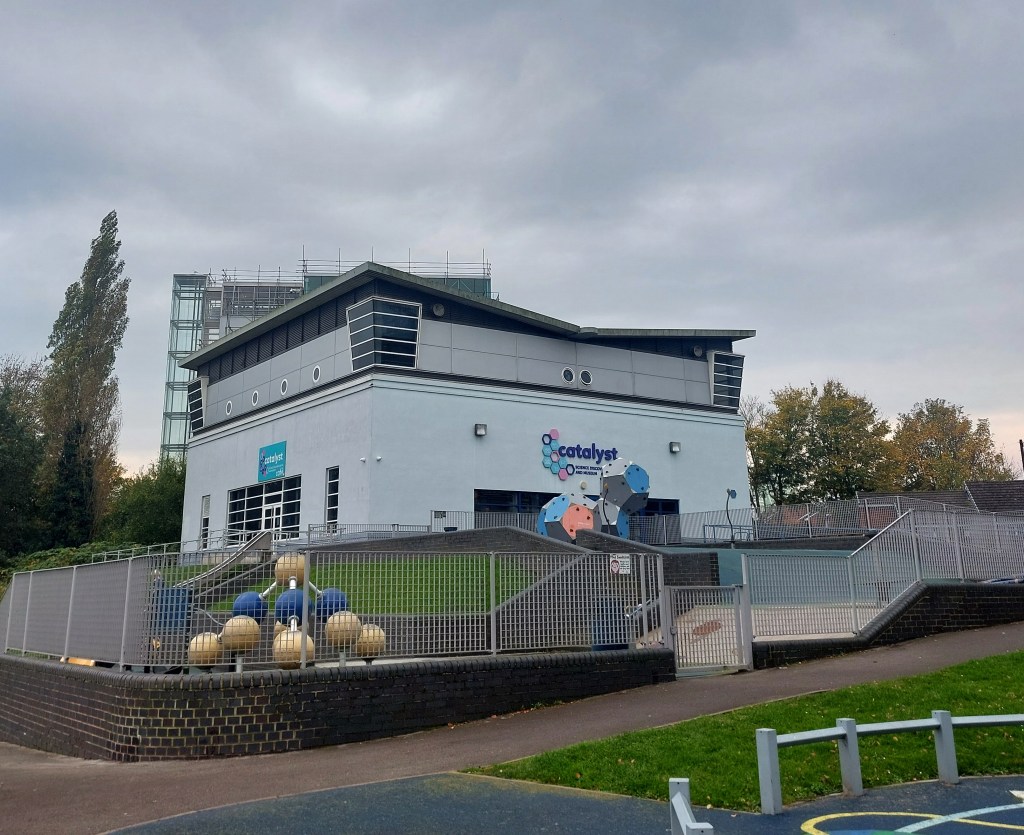
Tees Valley Museums Consortium Win ‘Best Museum Youth Group’ in Kids Family Friendly Museum Awards 2024

Tees Valley Museums Consortium has won one of this year’s ‘Kids in Museums’ awards for Best Museum Youth Group. The consortium’s Young People initiatives include their Young Producers strand. These are a group of 16-25 year olds who have a say and plan events and exhibitions at their museums. They currently have two active Young Producers groups – based at Hartlepool Art Gallery and Preston Park Museum. Further Young Producers are planned for the Stockton and Darlington Railway route and in Middlesbrough.

The Tees Valley Museums Consortium consists of the museum services of Stockton-on-Tees, Darlington, Hartlepool, Middlesbrough and Redcar & Cleveland. It was formed in 2017 to develop collaborative working for the purpose of delivering better services to the public. The five museum services of Tees Valley Museums Consortium hold extensive collections of art, archaeology, social, industrial and maritime history, as well as a wide array of world cultures. The museums work together to promote pride in the history of the Tees Valley.

Kids in Museums is an award-winning charity dedicated to making museums open and welcoming to all children, young people, and families. They support and champion family friendly organisations through wide-ranging initiatives, including the Family Friendly Museum Awards and Takeover Day. They invite heritage organisations to sign up to their Manifesto, which sets out simple guidelines for making museums easy to reach for all ages. For further details visit their website: www.kidsinmuseums.org.uk

For more details about the Tees Valley Museums Consortium and their Young People initiatives follow this link: https://teesvalleymuseums.org/young-people/

London Museum of Water & Steam Need Public’s Help to Raise Final Funds for Engine Project

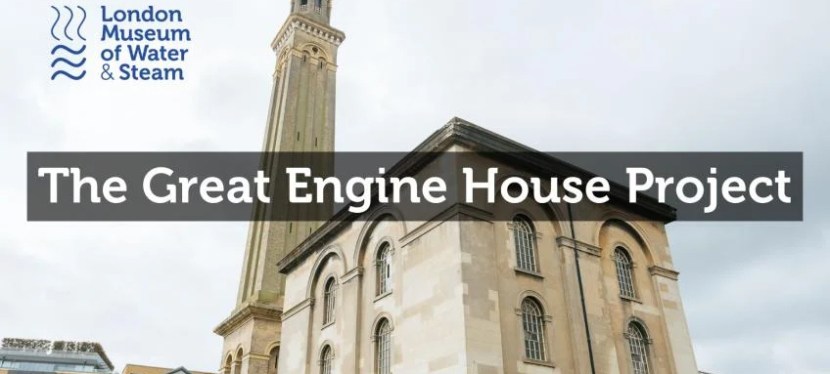
The London Museum of Water and Steam are running an urgent appeal to raise the final funds for ‘The Great Engine House Project’ which ains to restore the Grade 1 listed Great Engine House. This is home to the gigantic Grand Junction 100 Inch and 90 Inch engines.

They have already been promised a funding grant for the entire project of £2.8 million, but they will need to raise a percentage of the grant by crowdfunding £50,000 by mid-August. So far, the London Musum of Water and Steam have raised over £17,000 through their crowdfunder, but are struggling to raise the target by the grant deadline.

To contibute to the fund raiser follow the link here.

Unless work is undertaken in the next two years to stop the decay of the Engine House, then these historically significant engines could be be lost, and central parts of the museum building will have to be closed. The project aims to return the 90 inch engine to steam, which will make the Museum more financially resilient by vastly enhancing the Museum’s visitor experience. 

The museum is housed in a Georgian water pumping station in Brentford, West London, and was built around a collection of stationary steam engines which pumped clean water into the homes of millions of Londoners between 1838 and 1944. For more details about the museum follow this link: https://waterandsteam.org.uk/

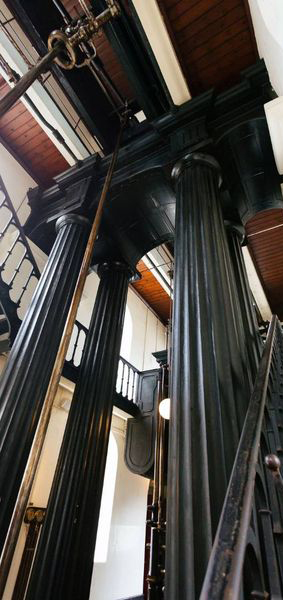
90 Inch engine levers. Image courtesy of London Museum of Steam & Water.

Festival of Archaeology 2024 Comes to Ironbridge

Next Saturday , 27th July, the Ironbridge Gorge Museum Trust (IGMT) will be joining museums, archaeology, and heritage organisations across the country to host a special day-long event as part of the national Festival of Archaeology. The festival is run by the Council for British Archaeology (CBA), the leading UK charity for archaeology, one of the first promotors of industrial archaoelogy. To find out more about the CBA and the festival, who celebrate their 80th birthday this year, follow this link https://www.archaeologyuk.org/festival.html

As in 2023, the IGMT day is sponsored by the Association for Industrial Archaoelogy. If you fancy joining IGMT staff and volunteers on the 27th July, here’s what’s happening:

  • The Coalbrookdale Museum of Iron will be free for all visitors for the entire day, thanks to sponsorship from the Association for Industrial Archaeology (AIA).
  • Fourteen local historical and archaeological societies and groups will be in the museum talking to the public about their work. There will also be a series of free one-hour walks and tours around Coalbrookdale and the local area.
  • The Association for Industrial Archaeology (AIA) will host a mini archaeological dig where visitors will be able to sift through spoils left over from recent conservation work at Broseley Pipeworks, funded by the National Heritage Memorial Fund, to level out the floor. While practising their archaeological skills they might find parts of pipes, other clay items, or pieces of bone.

Find out more: https://bit.ly/3L6QHes

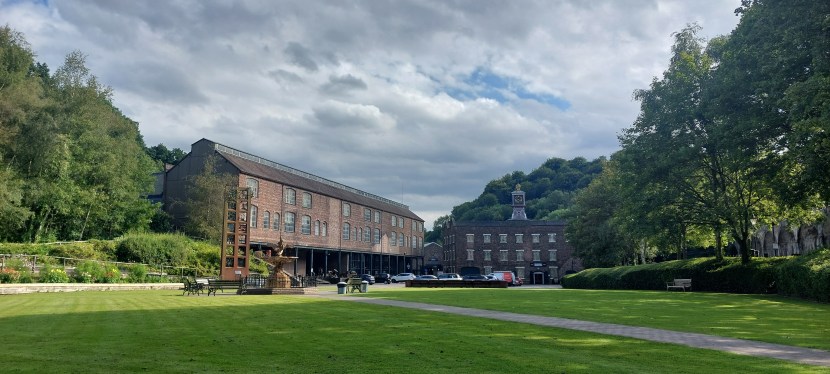
Museum of Iron, IGMT, Coalbrookdale. Image copyright Dr Michael Nevell.

Industrial Heritage in England Survey Stage 1 Update

The Ironbridge Gorge Museum Trust and Heritage Innovation are undertaking a survey of the c.600 publicly accessible and protected industrial heritage sites in England. Funded by Historic England, the 2024 survey is gathering data on these sites which will be compared with similar reports undertaken in 2008 and 1998, and will inform Historic England’s draft Industrial Heritage Strategy and future strategy for the Industrial Heritage Support Officer (IHSO). Stage 1 of the Industrial Heritage Sites in England Survey 2024 the online survey, has been been completed. Stage 2, targetted interviews with selected sites, is now underway.

The survey is being undertaken by Heritage Innovation, who ran the online survey was in April and May. Some of the initial findings gathered by Heritage Innovation show that:

  • 48.3% of Industrial Heritage sites were owned by a preservation trust or society.
  • 83.6% of preservation trusts or societies had charitable status.
  • 44.8% of sites were accredited museums.
  • 52.6% of sites had found it ‘quite difficult’ to secure public sector funding in the last three years.
  • 73.7% of sites said they found it ‘fairly difficult’ or ‘very difficult’ to attract new volunteers.
  • 72.4% of sites had original plant and machinery in situ.

Stage 2 of the survey, which is running across July, is a series of up to 12 interviews of those running industrial heritage sites across England, from entitely volunteer run sites, to the largest industrial heriage trusts. The results of the project will be published later in the year, including a free online seminar in the autumn.

Graph courtesy fo Heritage Innovation

The Great Engine House Project: London Museum of Water & Steam

The London Museum of Water and Steam (LMWS) has launched a funding appeal for its ‘Great Engine House Project’. The Great Engine House is home to the Grand Junction 100 Inch and the 90 Inch beam engines which pumped clean water into the homes of millions of Londoners between 1838 and 1944. 

The Museum is based in a Georgian water pumping station in Brentford, West London, and is home to a large collection of steam engines. Described by DCMS as “the most important historic site of the water supply industry in Britain” the LMWS shares the history, science, and the stories behind London’s public water supply.

Now it needs public help to preserve this internationally important collection. The Museum has a funding and maintenance backlog due to the COVID lockdowns and lack of funds for expensive scaffolding. The Grade I listed Engine House and the two huge beam engines it contains have all suffered significant degredation over the last few years.

The ‘Great Engine House Project’ aims to return the engine house to a watertight state, remove damaging past repairs, conserve the engines and improve their environmental conditions, improve accessibility, remove any materials containing asbestos, and reduce carbon emissions from running the engines.

To donate follow this link: https://www.crowdfunder.co.uk/p/great-engine-house

Museum of Carpet New Exhibition ‘Frocks & Floors, Fibre & Fabrics’ Opens July 2024

A new exhibition of costume and carpet tracing textile sustainability throughout the 20th century opens at the Museum of Carpet, Kidderminster, in July. Running from 3 July to 31 August, this exhibition is a partnership with Kidderminster College.

This is an opportunity to see beautiful vintage dresses and stunning complimentary carpet designs spanning the last century. The exhibition will look at how fibres and materials have influenced fashion and changed the way we live.

The Museum of Carpet is an independent museum, with no regular local or central government funding, and needs help to cover rising costs. For more information, visit the Donate tab on their website here: https://museumofcarpet.org/support-us/

The museum is open Wednesdays to Saturdays and the exhibition entry is included in your museum admission. Children have free entry to the museum.

Paradise Silk Mill Guided Tours & Increased Accessibility

The grade II listed Paradise Silk Mill, Macclesfield, Cheshire, is now open following a programme of restoration. This means that the guided tours around the historic 19th century silk mill are also back up and running. Each tour is led by one of the museum’s expert guides sharing their own individual take on aspects of Mill life. Pre-booking is reommended but but you can get tickets on arrival.

The Silk Museum will also be developing and expanding its resources for creative engagement over the coming months, thanks to an award of £165k from the Arts Council England’s Capital Investment programme. The Museum will be able to transform the building’s accessibility, increase sustainability and lessen its overall environmental impact. A Jacquard Studio will be created, improving storage facilities, and creating better access to the remarkable collection of Pattern Books. The award will also increase creative opportunities for artists by supporting co-curated displays inspired by the museum’s collections, as well as allowing more work with community groups with special needs, visual impairment, and low cultural engagement.

Guided Tour Details:

When:
Wednesdays to Saturdays at 11am, 12.30pm and 2.30pm BOOK HERE
Where: Come to the Silk Museum, Park Lane, Macclesfield, SK11 6TJ.
Cost: £11.50 per adult and £10.50 concessions

Museum Development English Regional Grants Now Open for Applications

In April 2024 the new Museum Development regions in England came into being, along with a new set of regional grants. The five English MD regions are now up and running delivering support to museums and heritage groups, including industrial heritage sites, though a variety of training, capacity building, networking, and grant support initiatives.

Details of the first round of grants for museums and heritage groups are as follows:

MD North Opern Grants: 1st round deadline, 7th June, with grants avalable up to £5,000 https://www.museumdevelopmentnorth.org.uk/find-funding/md-north-grants/open-grants/

MD South East: Collectiosn Care Grants (deadline 24th June) and Collections Review and Rationalisation Grants (deadline 1st July): https://mdse.org.uk/grants/mdse-grants/mdse-grants-collections/

MD Midlands: Open Grants and Workforce Development Grants will be open for applications from late May 2024 https://www.mdmidlands.org.uk/

MD South West: Talking Nature and Capacity Builder grants close on 17th June. https://southwestmuseums.org.uk/what-we-do/grants/

MD London grant schemes continue as before. https://www.museumoflondon.org.uk/supporting-london-museums/development-grant-programmes

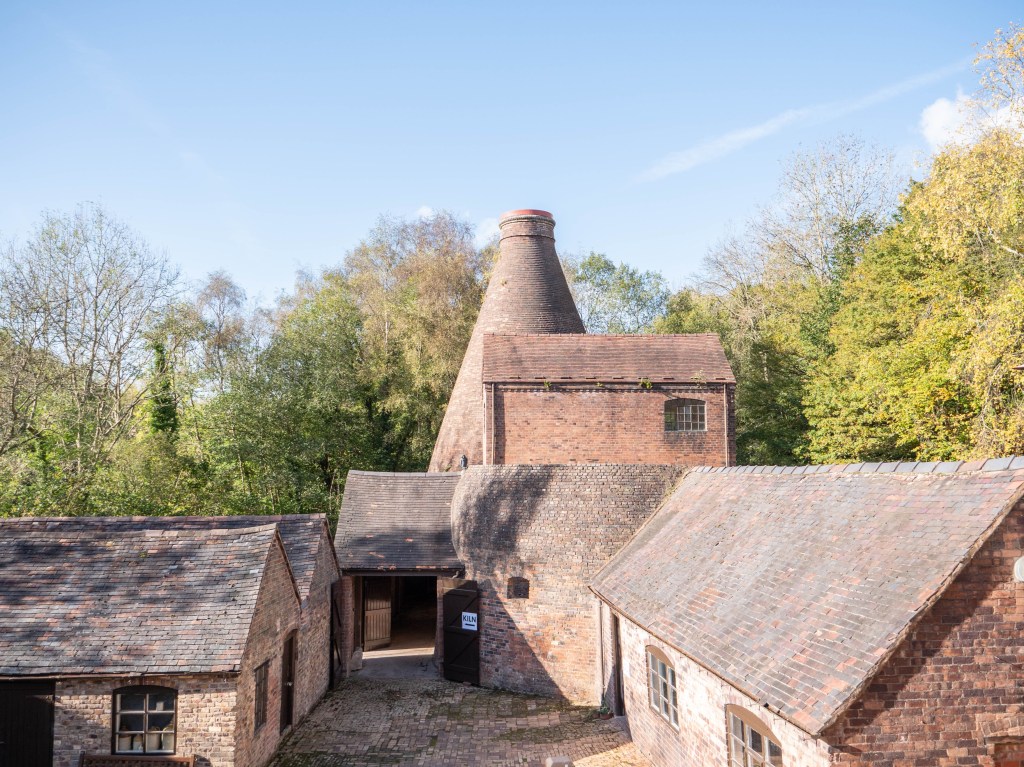
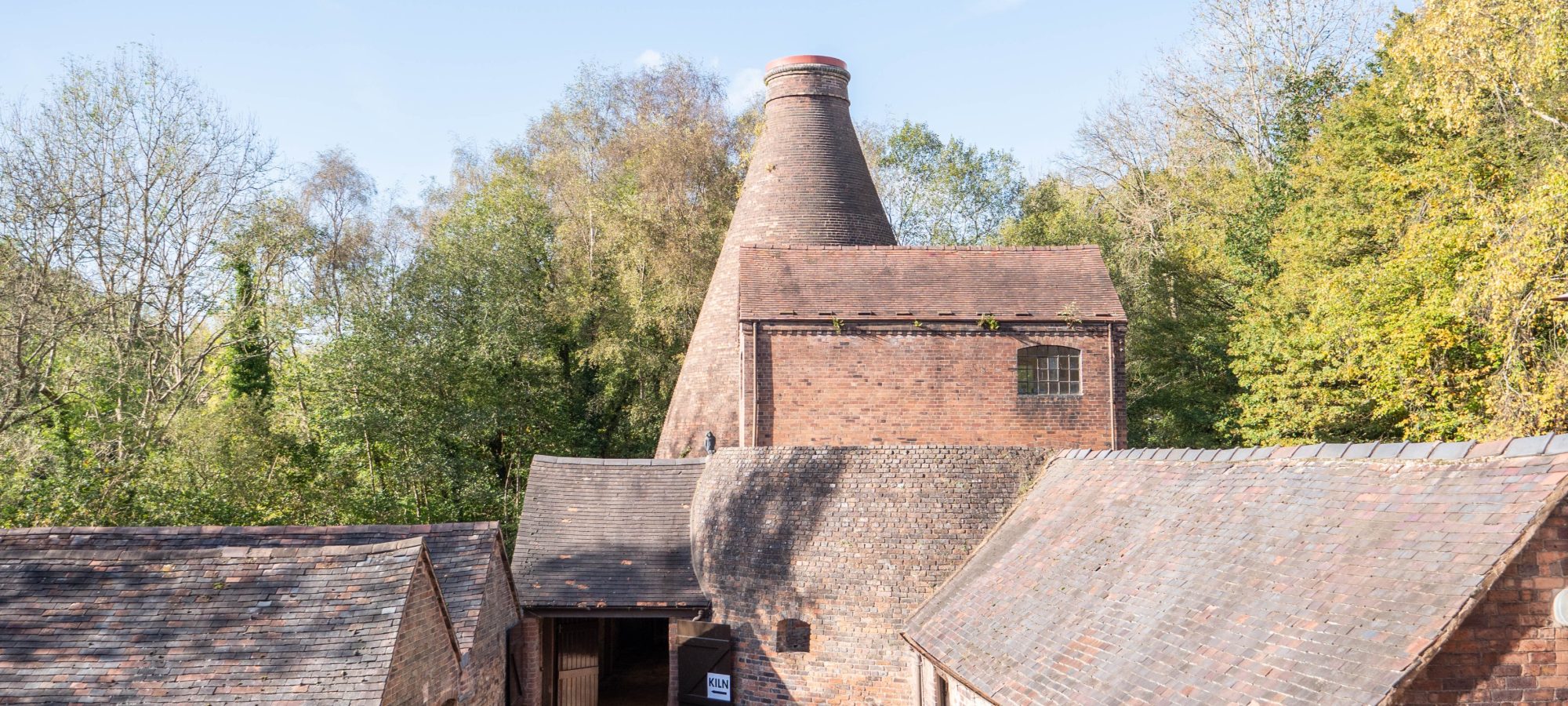
Coalport China Works, Ironbridge Gorge Museum Trust.

Thwaite Watermill Museum Under Threat from Local Authority Budget Cuts

Thwaite Watermill Museum, in Leeds, may be faced with closure. The museum of Leeds’ milling industry is set in a former mill on an island in the River Aire. The site is owned by the Canal and River Trust, and run by Leeds City Council museums and galleries. The lease on the site is currently due to end in 2030, but as part of proposed budget cuts Leeds City Council is considering a proposal to end the lease in 2025.

The CRT confirmed that if the lease ends, it would not be able to afford to take over the running of the museum. A spokesperson said: “We are sorry to hear this update. If the council terminates the lease and closes their museum, we will have to look for alternative viable options for the use of the property that will help safeguard its future. In this difficult economic climate, our charity is facing the same financial challenges with the day-in day-out task of looking after and keeping open our 2,000 miles of waterways, including the hundreds of centuries-old locks, bridges, tunnels and aqueducts here in Yorkshire. Unfortunately, we do not have the funding to take on the council’s running of the Thwaite Watermill museum.”

For further details see: https://www.yorkshireeveningpost.co.uk/news/people/owner-confirms-thwaite-watermill-museum-to-permanently-close-if-lease-ended-by-leeds-city-council-4439898

Thwaite’s Watermill/ Image courtesy of Leeds City council, museums and galleries

AIM Free Training for Trustees of Volunteer Run-Museums, 2024

AIM’s latest Spark! programme is aimed at supporting trustees of volunteer-run museums to strengthen shared problem solving and build networks of support. If your trustees and Board want to improve their governance and operational activities, then this is the programme for you. Specifically, it aims to strengthen shared problem solving, building networks of support, and working together, through a series of online workshops, action learning sets and individual coaching sessions.

Participants will work through a series of online workshops, action learning sets and individual coaching sessions. This programme is designed for Trustees of volunteer-run museums, though those from museums with a small number of paid staff will also be considered. It is being developed for trustees who have spent some time in role, as opposed to new Trustees who should consider the AIM Trustee Induction workshop.

For more information on this new programme or to make an application, contact Margaret Harrison, AIM Head of Programmes on margaret@aim-museums.co.uk with the following information:

  1. Your name, role, and organisation
  2. The number of Trustees on your Board
  3. What you hope to get out of the programme with regard to your own and the Board’s governance effectiveness
  4. Describe your Board’s working relationship with your Director
  5. Outline your organisation’s key governance challenge over the last twelve months

Deadline for applications: Monday 8 January 2024.