Welcome to the Industrial Heritage Networks and Support website. This site is maintained and updated by the Ironbridge Gorge Museum Trust who run the project and the networks. We aim to support industrial heritage in England through networking, information exchange, guidance, and training. Please explore the website and please contribute! For more information you can … Read more Welcome to the IHNs website!
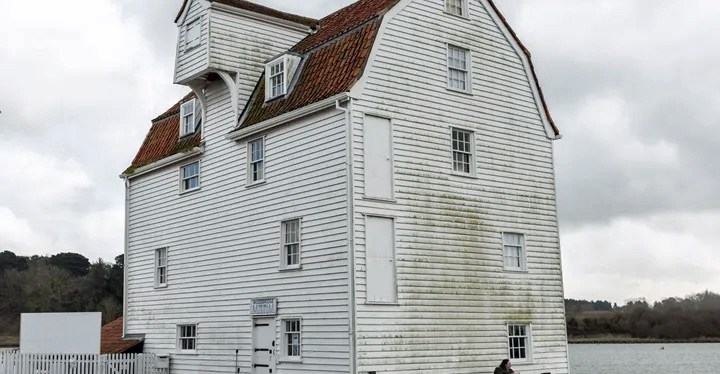
Woodbridge Tide Mill Museum, in Suffolk, is appealling for online donations to raise money for major restoration of the exterior of the listed mill. The museum, in Suffolk, has said the effects of being on the riverfront has meant weatherproof paint needs applying. Museum trustees are hoping that online donations will help them reach a £60,000 fundraising target for the restoration project by September.
John Carrington, Tide Mill Charitable Trust Chairman, said: “Visitor income is insufficient to maintain the Mill and so the trustees must use grant applications and fundraising.” The tide mill, built in 1793, is the fourth to be located on the site. The earliest date for a mill building is from 1170. The structure is one of only a handful of working tide mills left in Britain.
Land of Iron, North Yorkshire. Image copyright Dr Michael Nevell
Museums, arts venues, libraries, and heritage attractions in urgent need of financial are to recieve significant Government funding. The ‘Arts Everywhere Fund’ totals £270m, and is to be shared between organisations the UK Government deems in most urgent need of financial support. It consists of both new and renewed funds for the sector.
As part of this package of support, five Industrial Heritage museums and sites will share grants from the 5th round of MEND support worth £7,253,849. These sites are:
Bletchley Park – £2,451,350
Land of Iron – £655,907
London Museum of Water & Steam – £2,626,277
Queen Street Mill – £813,115
Wheal Martyn Clay Works – £707,200
The £270m package of support will be targeted at organisations in urgent need of financial support to keep them up and running, carry out vital infrastructure work, and improve long term financial resilience. The support includes:
A fifth round of the Museum Estate and Development (MEND) Fund worth £25 million
A new £20 million Museum Renewal Fund offering much-needed support to 29 civic museums
An additional £120 million to continue the Public Bodies Infrastructure Fund
An additional £15 million for Heritage at Risk through Historic England
A new £4.85 million Heritage Revival Fund
A 5% increase to national museums and galleries budgets
Confirmation that DCMS will be providing £3.2 million in funding through the Museums and Schools Programme, the Heritage Schools Programme, the Art & Design National Saturday Club and the BFI Film Academy.
The Association for Independent Museums (AIM) Director Lisa Ollerhead said, “We very much welcome this significant investment. It is fantastic news for the sector, not least given the pressure the public purse is under. It also underlines the important role museums and heritage organisations play in strengthening our communities, boosting our economy and providing strong foundations for our creative industries.”
The deadline for the Society Post-Medieval Archaeology‘s 2024 Post-Medieval Archaeology Research Grant application is Friday, 1 March. The Society makes small research grants, twice a year.
SPMA grants enable research projects and publications to be undertaken on the post-medieval archaeology of Britain, Europe, and the wider world, from c.1500 to the present day. Deadlines are 1 March and 1 September each year and the total fund available in each round is £2000.
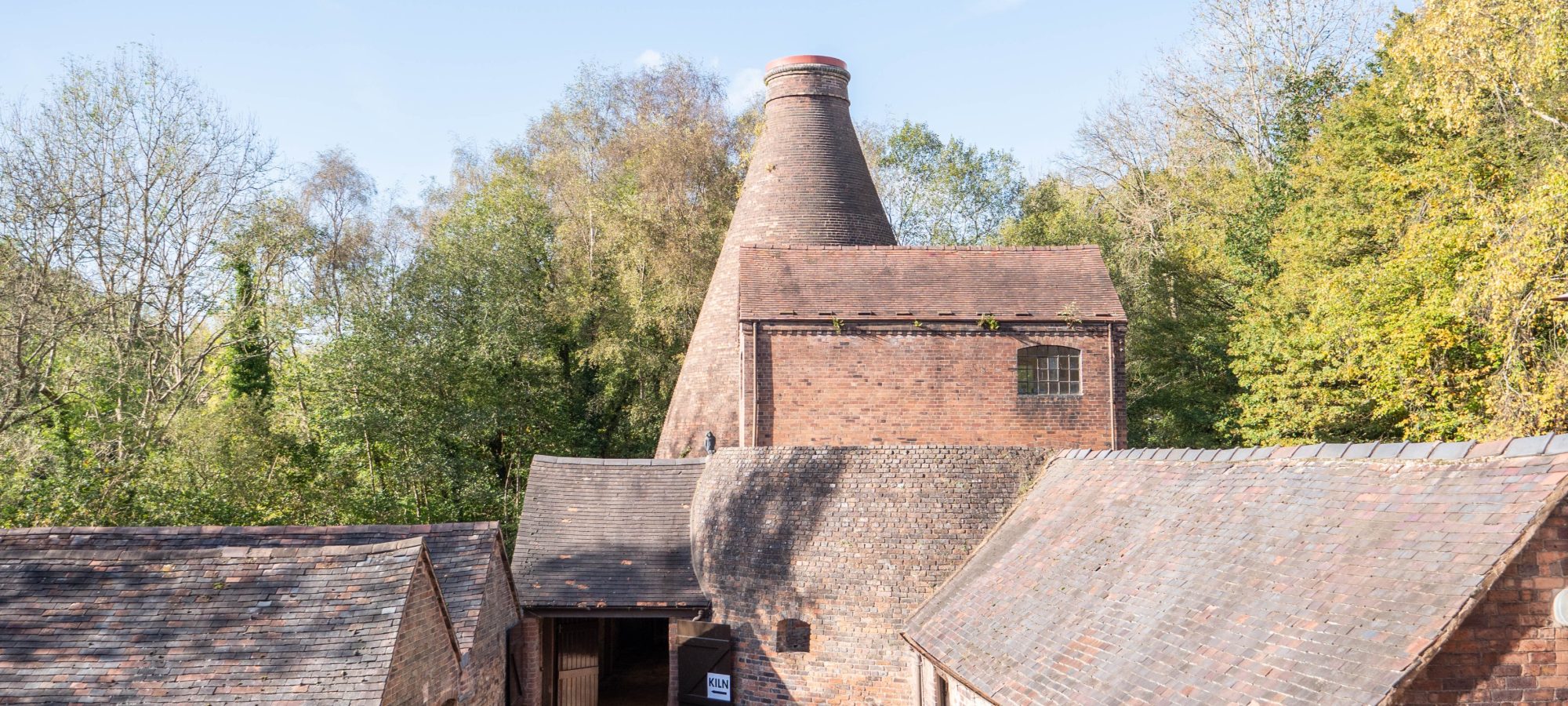
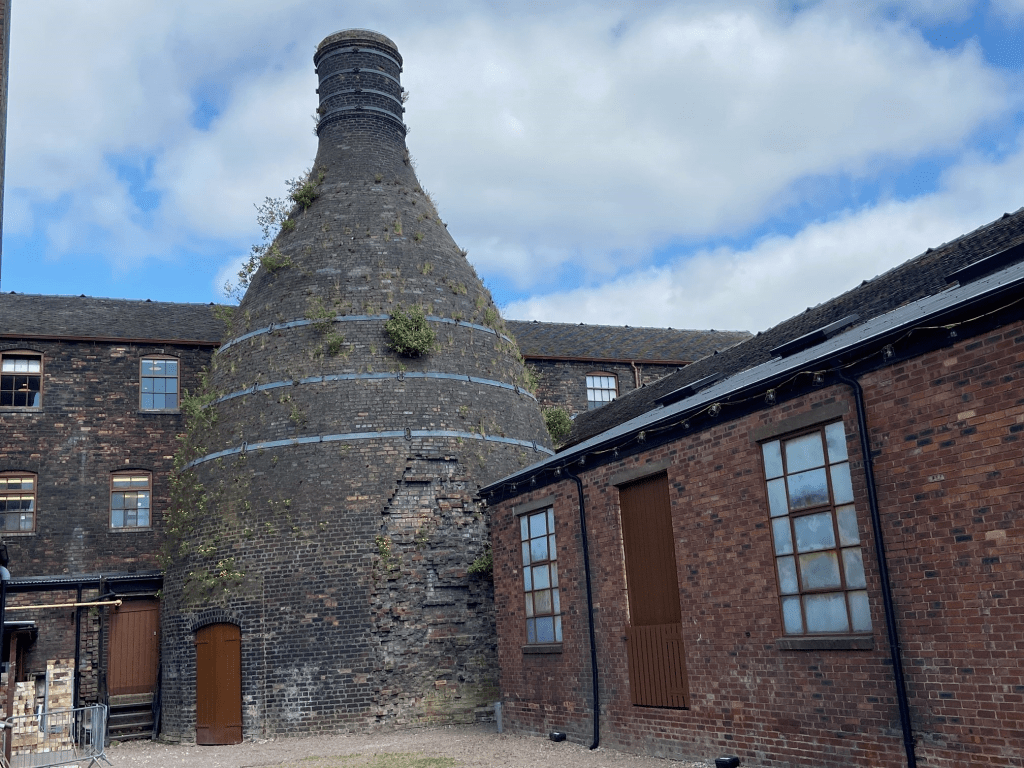
Middleport Pottery, Stoke-0n-Trent, has launched an online appeal to raise £1600 to help with maintenance work on its iconic Bottle Oven. In particular the charity Re-Form Heritage, who own and run the site, need to remove foliage and to ensure the structure remains safe.
Middleport Pottery was established in 1888-89 by Burgess & Leigh Ltd, as a ‘model pottery’ for the period. The Grade II* Bottle Kiln was first fired in the late 19th century and continued working until the 1960s. During the kiln’s working life heat from the regular firing destroyed any plant seeds attaching themselves to the brickwork and in the mortar joints, which protected it from vegetation growth; with no firing, it lost its mechanism to defend its structure.
The AIA’s 50th Anniversary Conference will take place online via Zoom and in-person at the University of Bath this September! Full details of this historic event are now available on the AIA website https://industrial-archaeology.org/conferences/service001/ .
Want to attend online? The seminar and conference take place from Friday 1st September – Sunday 3rd September. Tickets cost £10 for members or £20 for non-members. Book online (see point 7 of the booking form available from the AIA website) to secure your spot.
Want to attend in-person? The full programme runs from Friday 1st September – Wednesday 6th September and includes a suite of brilliant talks and tours. You can pick and choose from the sessions to build the perfect programme for you. Book online.
And remember…the AIA want to make this historic conference accessible to all, and there is plenty of financial help available if you need it. A legacy from the late Patrick Knott, a former member of AIA, can provide a 50% discount (up to a maximum of £500) on the conference fees to eligible attendees from the UK or Ireland. Visit the AIA website for more details here: https://industrial-archaeology.org/index.php/aia-awards/peter-neaverson-awards/
Historic England has launched a new ‘History in the Making’ fund aimed at encouraging work with young people (aged 13-25) to create place markers across the North of England. These projects will mark and celebrate important local histories that have been overlooked and bring them to a broader audience. The scheme is about a place’s identity and what makes it special, from remembering local inspirational events, figures and histories, to physically connecting them to the places and spaces they occupied.
Historic England will provide grants of up to £15,000 to organisations or community groups who want to work directly with young people out-of-school hours, across the North of England in Levelling Up category 1 places, many of which contain industrial heritage and archaeology sites. Projects must be co-created, with young people’s voices at the heart of decision-making.
The deadline for applications is 14th July 2023. Details on how to apply and guidance notes on what might be funded can be found by following this link: https://historicengland.org.uk/get-involved/help-write-history/history-in-the-making/
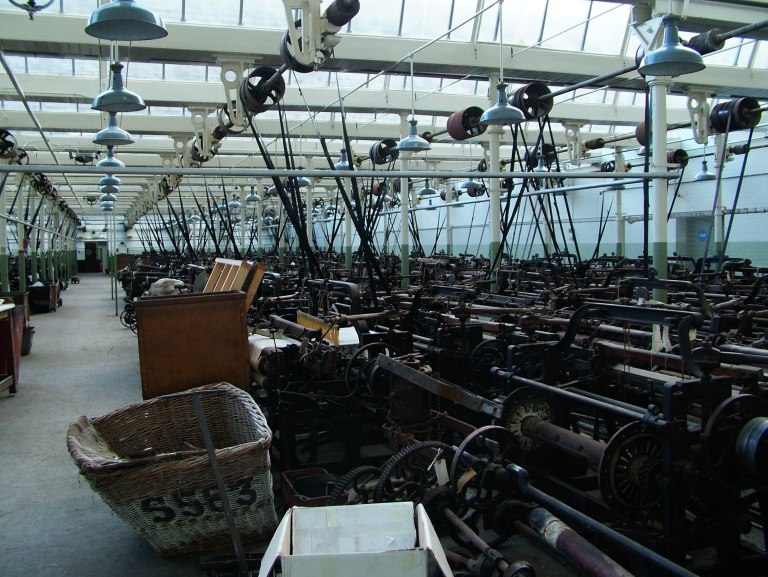
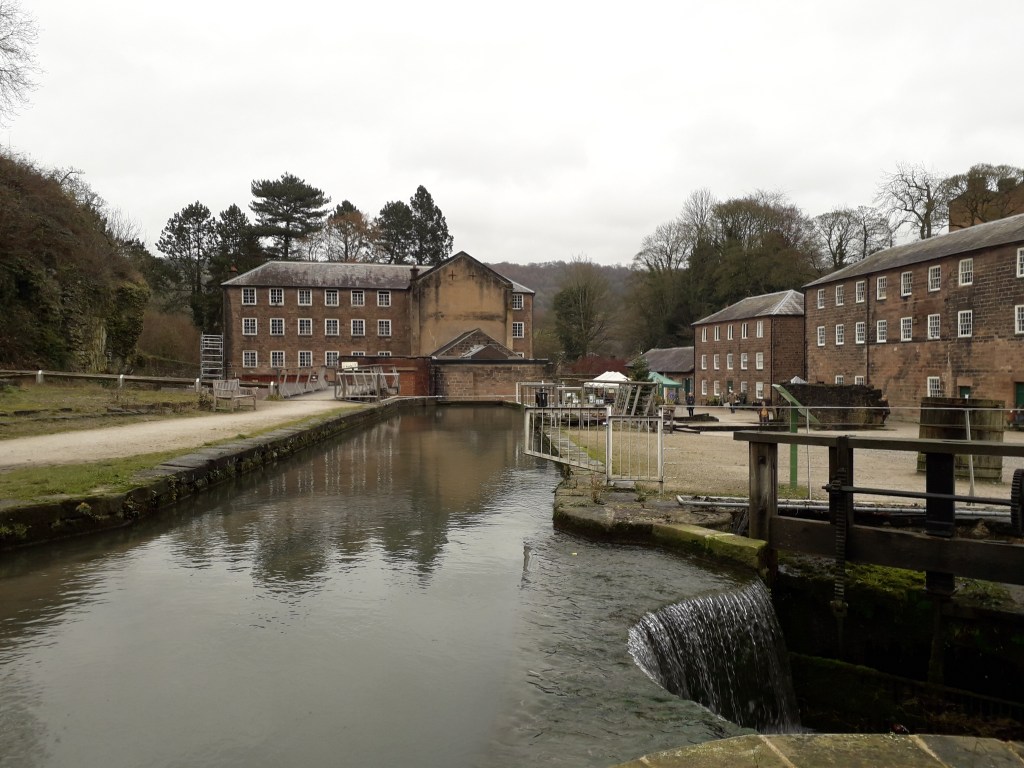
The Arkwright Society has been awarded a £249,599 grant from the National Heritage Lottery Fund. This will support engagement activities at Cromford Mills and aid education about this internationally important textile site.
Critical to the long term sustainability of the site is the next phase of regeneration at Cromford Mills, which will focus on the repair and repurposing of the remaining buildings on the site, in particular the iconic ‘First Mill’ built by Sir Richard Arkwright in 1771. With £20,000 match funding from the Duke of Devonshire Charitable Trust, a refreshed masterplan will be commissioned, outlining a roadmap for the continuing regeneration of the Mills and a business plan for their future use. Sustainability is also a key theme for the Society, highlighted by the forthcoming installation of a turbine powered water wheel in one of the historic wheel pits at Cromford Mills. This work will help the Society make informed decisions as it writes the next chapter in the Cromford Mills story.
The Arts Council England’s new Museums and Galleries Exhibition Tax Relief (MGETR) Support Service is designed to enable more organisations to benefit from this relief. In addition to a new guide, companies based in England can also benefit from a new helpdesk service.The service is completely free.
The support service will help address some of the common questions and misconceptions associated with the tax relief, as well as providing a straightforward, step-by-step guide to preparing and making a claim. The Museums and Galleries Exhibition Tax Relief is an important source of additional funds that is applicable to a large number of arts and cultural organisations. Up to 40p in each £ could be claimed as cash-based support to invest in your organisation’s ambitions.
On the 30th November Heritage Digital will be running its latest business support session, a webinar on ‘Developing a fundraising strategy for your heritage organisation’. Digital methods are now the most popular way to give money to charitable causes in the UK, yet conservation, environment, and heritage charities took only 4% of online giving in the UK in 2019, the year before the pandemic hit.
This free session will specifically benefit those small and mid-sized heritage organisations receiving under £1 million per year in income, and those within heritage organisations responsible for digital/fundraising. The session will provide participants with:
The basic principles of digital fundraising
The main methods of effectively fundraising with digital
The core elements of a digital fundraising strategy
With face-to-face fundraising events cancelled over the past 18 months, many not-for-profit organisations have turned to digital fundraising. Charity Digital’s latest e-newsletter looks at some of the strategies available to charities (and indeed other groups) for such fundraising activities.
One new innovation is Zoom’s donations button. The donations button, which is integrated into the video calling software through an app called Donations by Pledge, allows charities to turn Zoom meetings into virtual fundraisers. The app is free for all charities to use and doesn’t take a percentage of the donations. This means you can use all the money raised to deliver your charitable activities. The Pledge website says the only fees are standard credit card fees (2.9%+.30) and a $5 (£3.58) a month disbursement fee.













 Industrial Heritage Networks