Walsall Leather Museum Given Listed Status

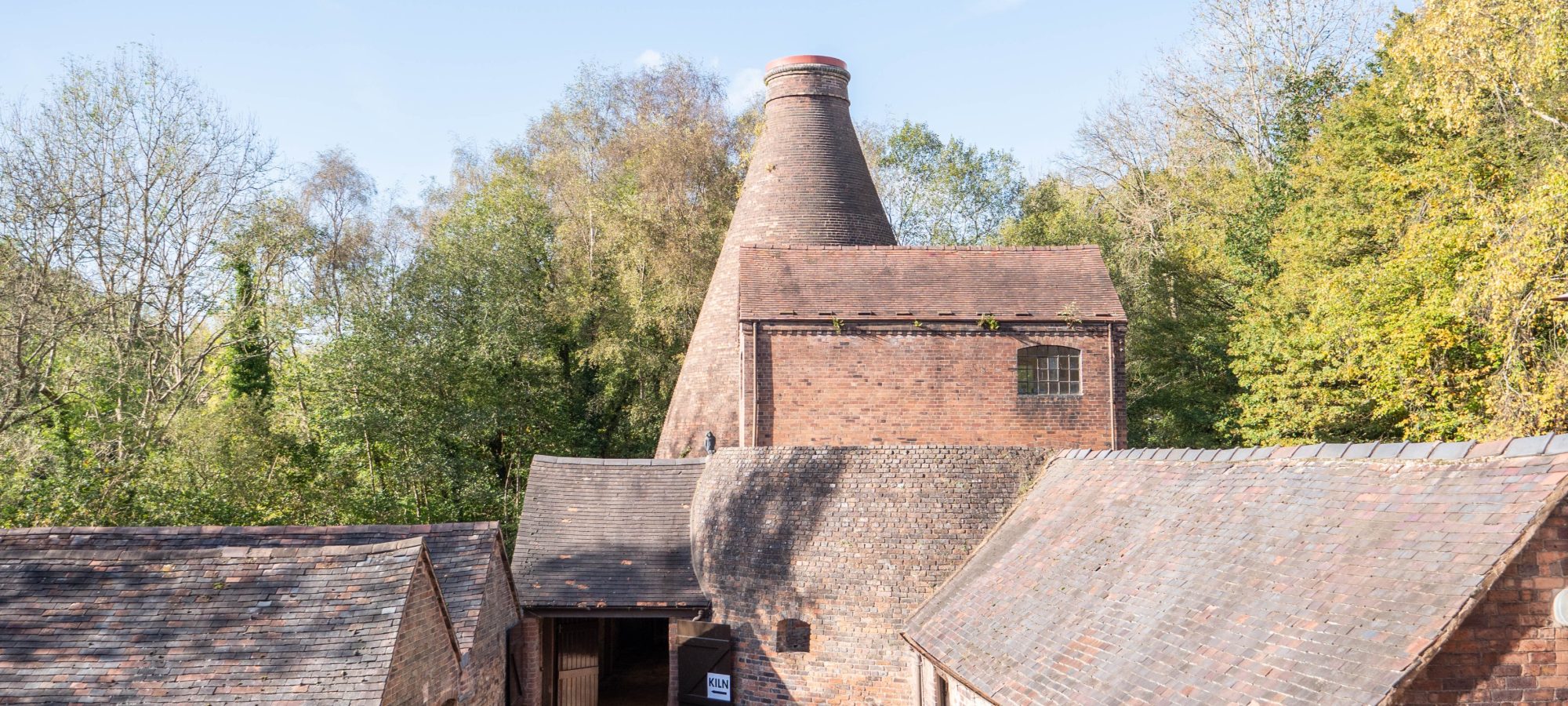
The Walsall Leather Museum in the Midlands, which is housed in the 19th century brick-built, multi-storey, buildings of the former Withers and Son and Samuel Llewellen leather works buildings, was given Grade II listed status earlier this month. The museum is facing closure on the 11 April, although Walsall Council has purchased new premises in the centre of the town for the proposed site of the re-located museum. A time-frame for the re-opening is yet to be announced.

In announcing the listing, Historic England noted that “We recommended listing the buildings at Grade II due to their historic and architectural interest. Leather working is strongly associated with Walsall, and the town is still a major centre for the industry. The workshops on Wisemore are among a very small group of such buildings of this date surviving in Walsall, and so are of particular significance for the town as they embody the industry that played a major part in the lives of many local people.”

In response to the listing, Walsall Council’s leader Mike Bird was quoted in the local press as saying: ‘It might be heritage to them but at the end of the day it’s an old factory, simple as that.’

More details about the listing, proposed closure, and move of the museum can be found here: Walsall Leather Museum’s listed status ‘won’t affect move’

The listing details can be found here: Two former leather goods works, Wisemore, Non Civil Parish – 1495986 | Historic England
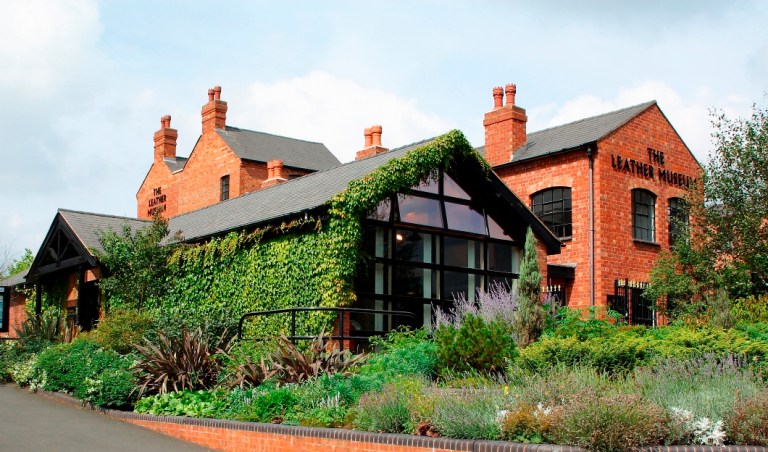
The Walsall Leather Museum. Image courtesy of the museum.

Free Heritage Carbon Webinars & Training for Industrial Heritage Organisations

Historic England continues to offer Heritage Carbon Literacy training, and free places on two new workshops:  ‘How to Measure a Carbon Footprint’ and ‘How to Write a Carbon Reduction Plan’. Both are designed especially for heritage organisations, such as industrial sites, who are just starting out on their carbon reduction journey.  Find out more and sign up here – https://historicengland.org.uk/education/training-skills/training/training-courses/carbon-reduction-training-for-the-heritage-sector/

Historic England has also published new guidance, factsheets, and resources to help cultural and heritage organisations develop Decarbonisation Plans for their heritage buildings. Developed by architects Haworth Tompkins through a co-funded Arts Council England and Historic England project, the free resources can be accessed here – https://historicengland.org.uk/advice/climate-change/your-organisation-to-net-zero/developing-a-decarbonisation-plan/

To accompany the resources HE are running a series of free webinars in March and April to go through the different steps in the decarbonisation process. More information and booking links here – https://historicengland.org.uk/education/training-skills/training/training-courses/carbon-reduction-training-for-the-heritage-sector/ 

Finally, Historic England is delivering a series of Heritage Carbon Reduction webinars. These have been developed especially for the heritage sector as part Historic England’s programme of Carbon Reduction training to help organisations reduce their carbon emissions. Topics include ‘How to get Trustee buy-in for your carbon reduction plan’, ‘Tenant/Landlord collaboration in lowering emissions’, and ‘Soil emissions in archaeology’. Training on further topics will be announced later in the year. Everyone is welcome to attend these free training sessions. If you can’t make it recordings will also be available on the Historic England website. Booking links here – https://historicengland.org.uk/education/training-skills/training/training-courses/carbon-reduction-training-for-the-heritage-sector/

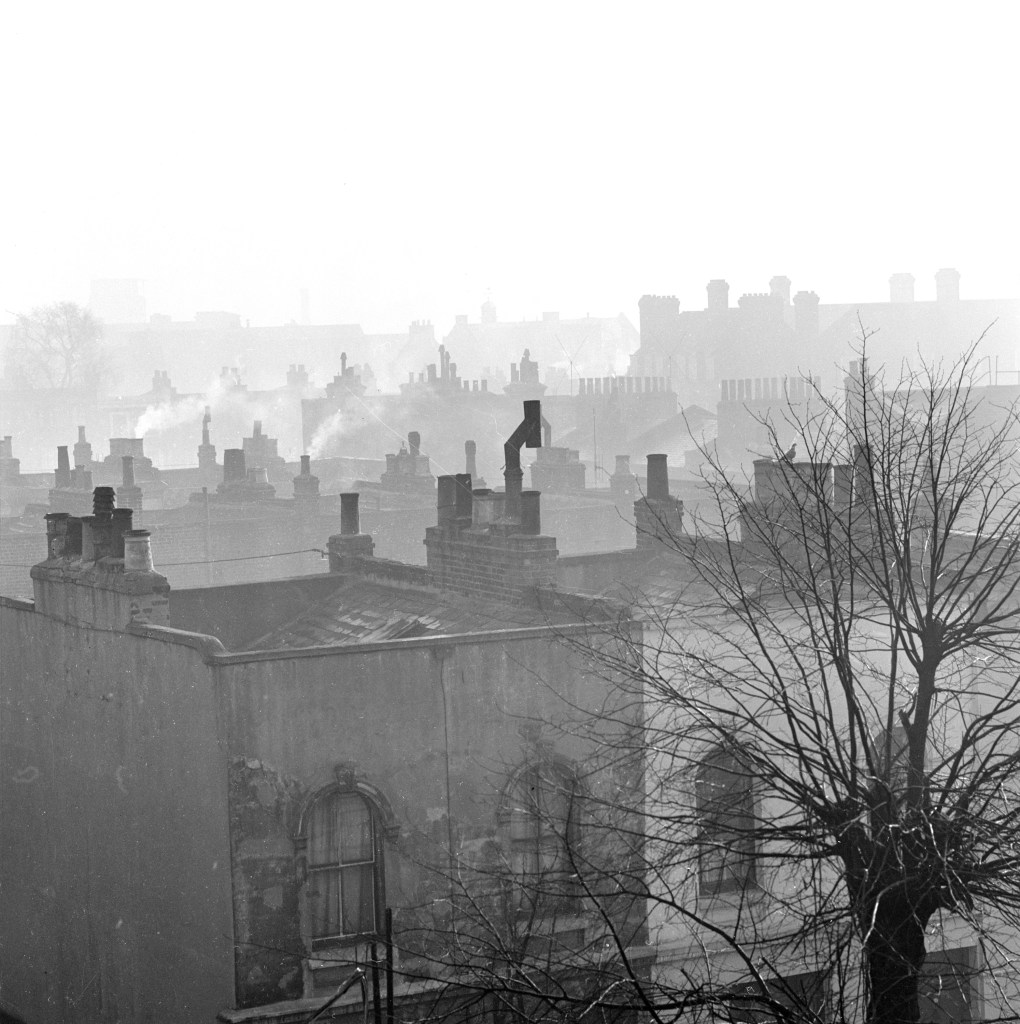
Urban air pollution. Image copyright Historic England Archve.
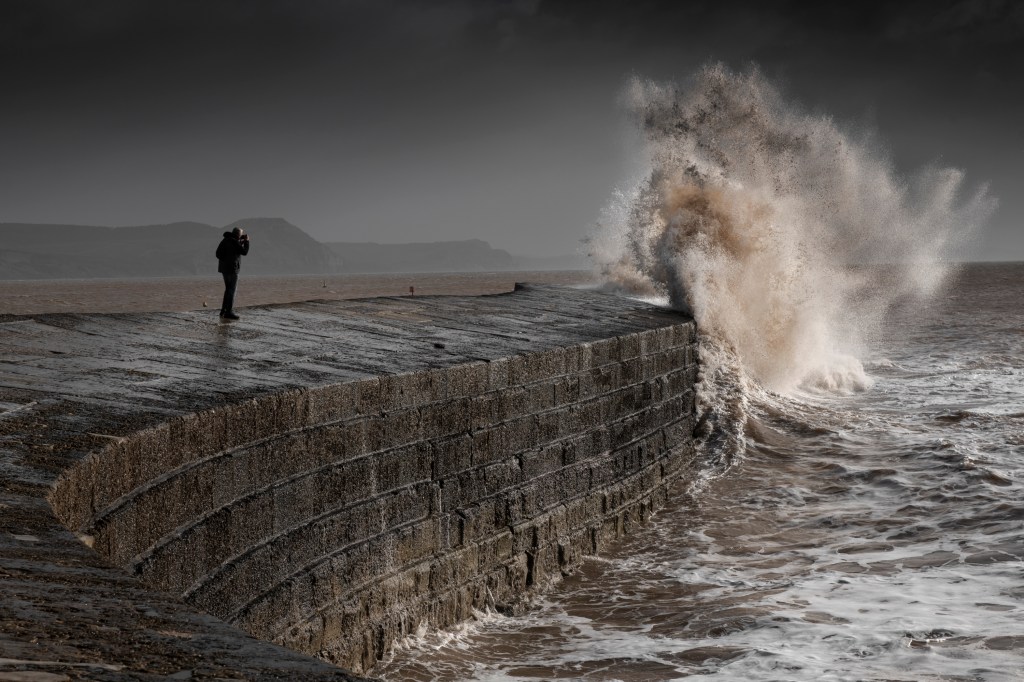
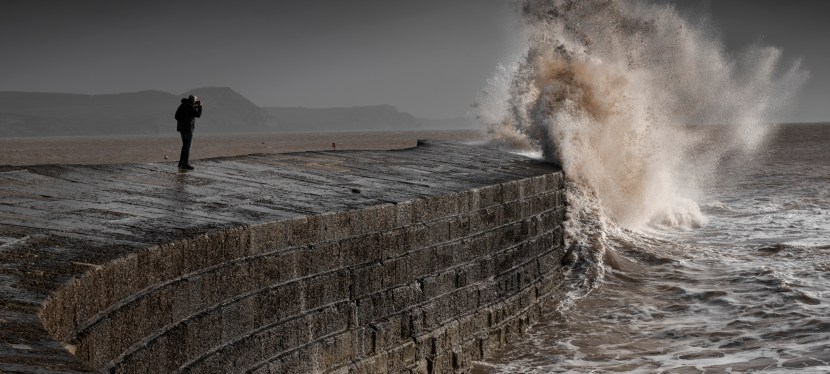
Stormy seas crashing against a historic quayside. Image copyright Historic England Archive.