
Welcome to the Industrial Heritage Networks and Support website. This site is maintained and updated by the Ironbridge Gorge Museum Trust who run the project and the networks. We aim to support industrial heritage in England through networking, information exchange, guidance, and training. Please explore the website and please contribute! For more information you can … Read more Welcome to the IHNs website!
The 2024 South East Regional Industrial Archaeology Conference (SERIAC) is being held on the 12th October at Chichester College. SERIAC is an association of Industrial Archaeology and related societies based in the South East of England. Since 1983, a member society has organised an annual day conference.
This year’s event is being hosted by the Sussex Industrial Archaeology Society. The one day conference will include talks on: railways to Chichester; Portsmouth Dockyard; and the Bursledon Brickworks. There will also be a post-conference walk around Chichester’s canal basin.
The latest online issue of Historic England’s Research Magazine contains a number of articles on industrial heritage. Shane Gould, Historic England’s Head of Industrial Heritage Strategy, introduces Issue 26 of Historic England Research Magazine, which explores aspects of industrial heritage, as well as Palaeolithic landscapes, and the relationship between intertidal heritage and biodiversity.
The industrial heritage and archaeology articles are by authors who have recently had titles published by Historic England and Liverpool University. These are papers on the Soho Manufactory, Mint and Foundry in the West Midlands by George Demidowicz; steam-powered water and sewage works by James Douet; the built environment in Lancashire’s historic textile areas by Geoff Timmins; and oasts kilns, hop kilns, and maltings by Amber Patrick. They showcase Historic England’s strong and continuing record in undertaking research, and preparing advice, guidance and publications on England’s industrial heritage.
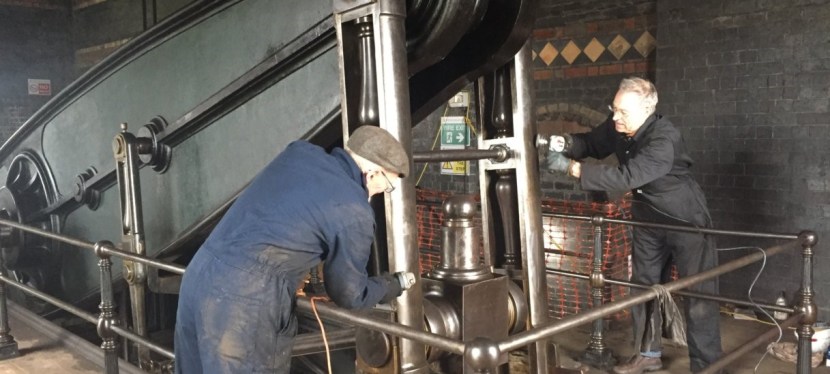
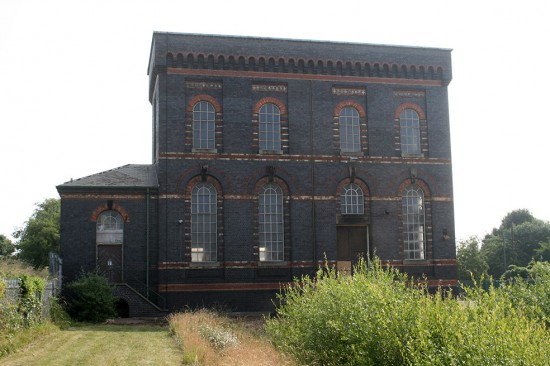
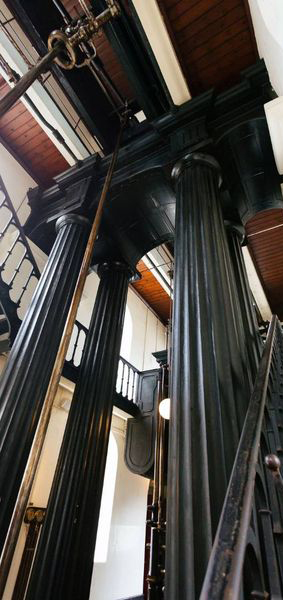
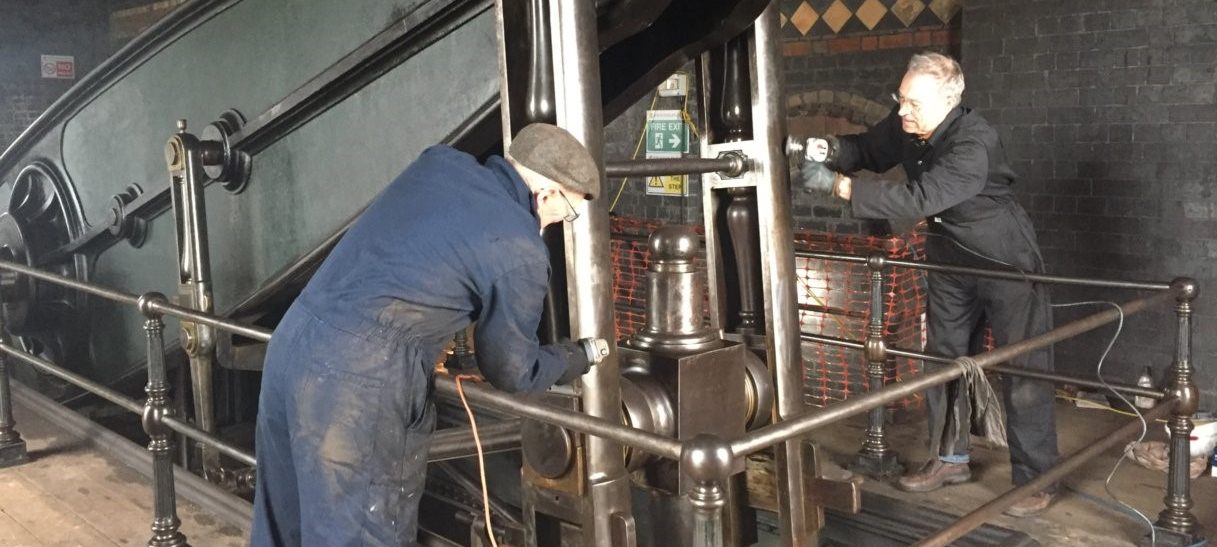
The Lichfield Waterworks Trust has launched an online appeal to restore the magnificent Cornish Pumping Engine at Sandfields Pumping Station. The engine is currently seized solid after not moving for many decades. However, whilst the Lichfield Waterworks Trust have the expertice to to repair the engine they need money for materials and a means to move the engine.
Lichfield Waterworks Trust is a group of volunteers dedicated to preserving Sandfields Pumping Station with its fascinating history and unique Victorian Pumping Engine. The Trust aims to open access to the Sandfields Pumping Station for public use, including education, arts performance, and community development. At the heart of this public access will be the pumping engine. This engine is one of only four left in the entire country. Built by Jonah & George Davies in Tipton and installed in 1873, it worked for 50 years, pumping clean water to the Black Country during the Industrial Revolution to help eradicate Cholera. The engine was taken out of service in 1927 and has not moved for almost 100 years.
You can help them restore the engine by donating through their Crowdfunder page by following this link:
There’s still time to register your industrial heritage site for 2024’s Heritage Open Days. Last year more than 200 industrial heritage sites took part, offering free events across England, and raising awareness about their activities and history.
Overall, there were more than 923,000 festival visits across 5,282 heritage events in England – the highest number of visitors for England’s largest festival of history and culture ever recorded. More details for the 2023 event here: https://heritageopendays.org.uk/resource/festival-review-2023.html
Heritage Open Days offers free access to organisers to a wide range of support materials and guidance including bunting and risk assessment templates. Its also a chance to connect with people across the country, with over 2,000+ organisers meeting to share ideas.
The 2024 Festival fo Archaeology, run by the Council for British Archaeology, will run from the 13th July to the 28th July across the UK. The Festival incorporates hundreds of in-person and virtual events delivered by community groups, heritage organisations, universities, commercial units across the UK.
This year’s festival theme is archaeology and community, and since the Council for British Archaeology (CBA) will be celebrating its 80th anniversary in 2024 its the perfect opportunity to celebrate the grassroots groups, societies, and individuals that share a passion for archaeology across the UK. https://www.archaeologyuk.org/festival.html
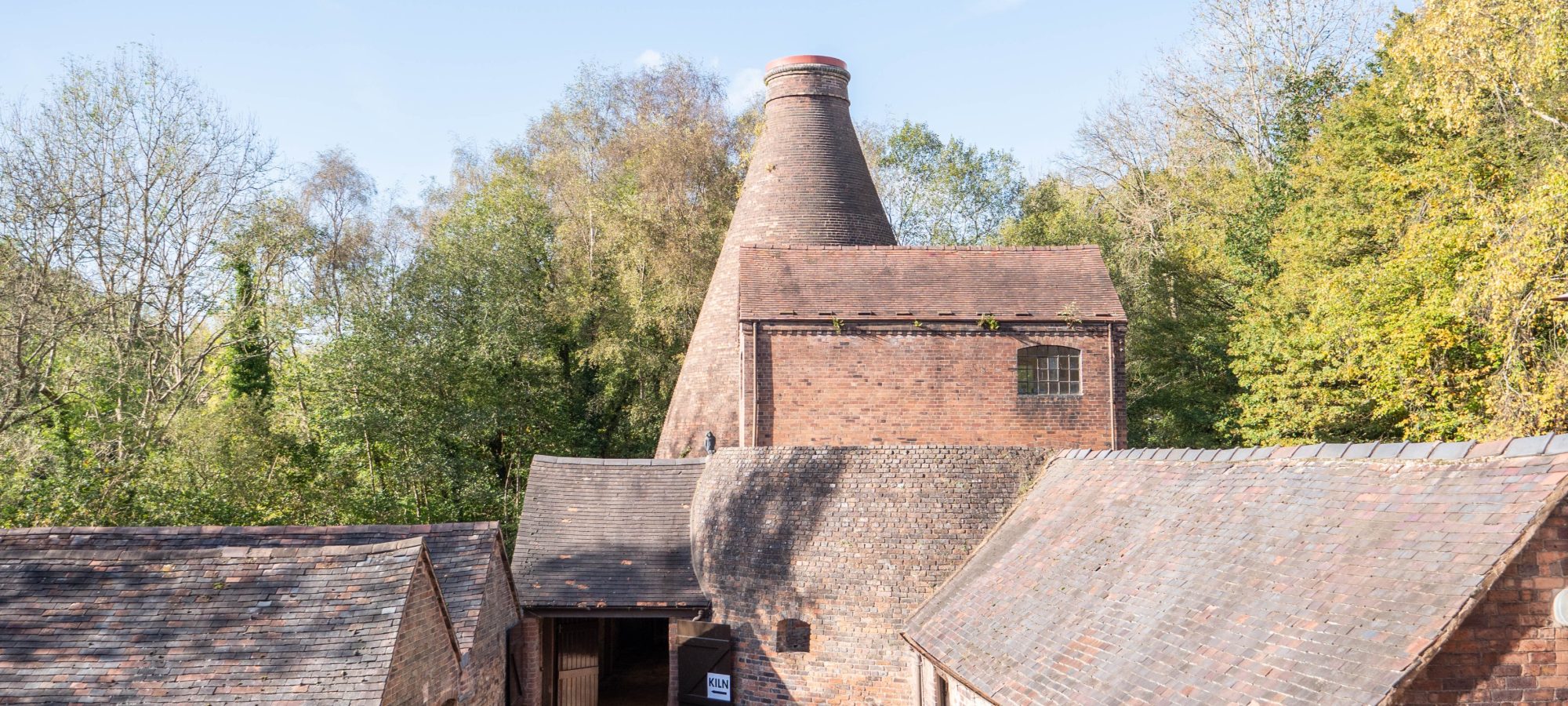
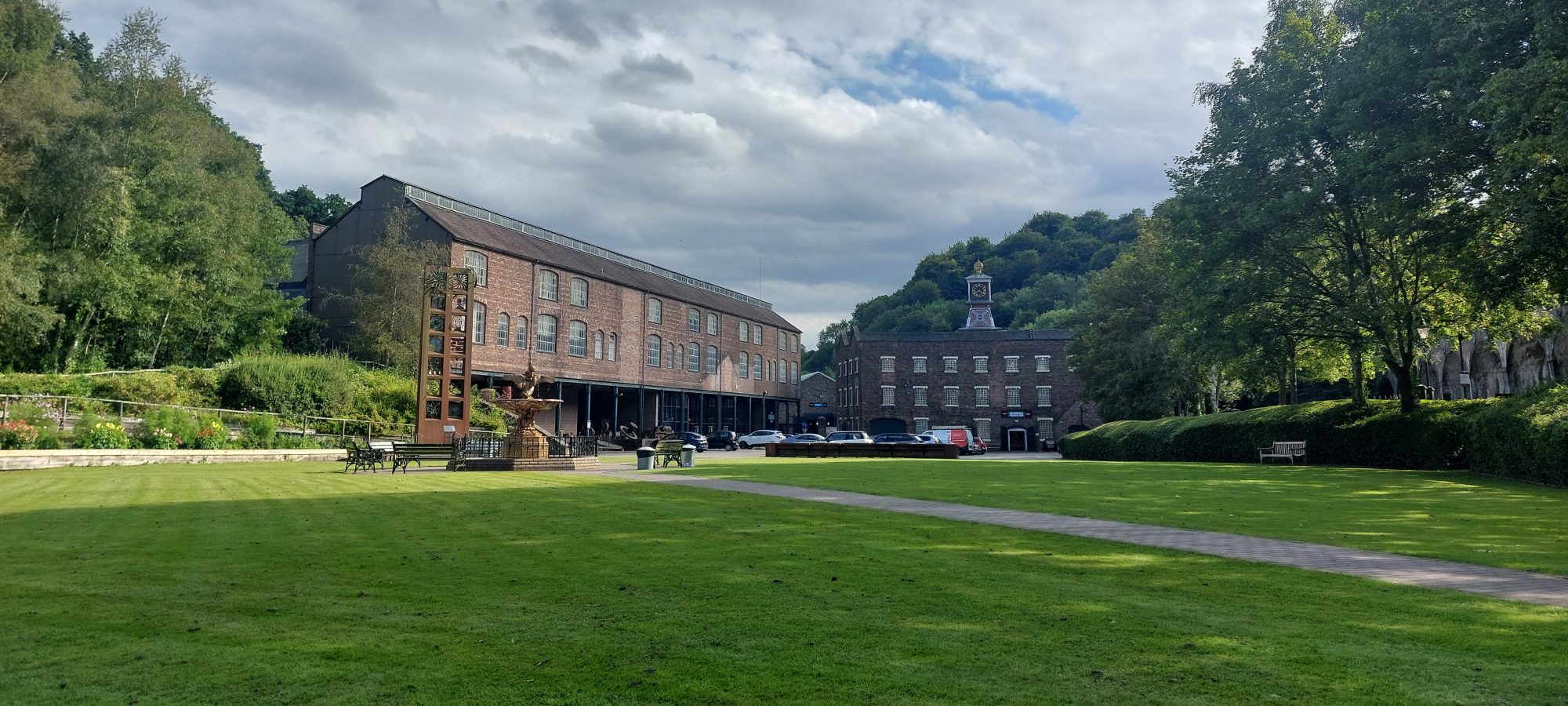
Several industrial archaeology and heritage sites are taking part this year. These include the Ironbridge Gorge Museum Trust who are running a free open day at Coalbrookdale, sponsored by the Association for Industrial Archaoelogy, and the National Trust who have an open day at Force Crag Mine in Cumbria. Other free industrial events include an animation workshop at Nenthead mines in Cumbria and a variety of talks and walks.
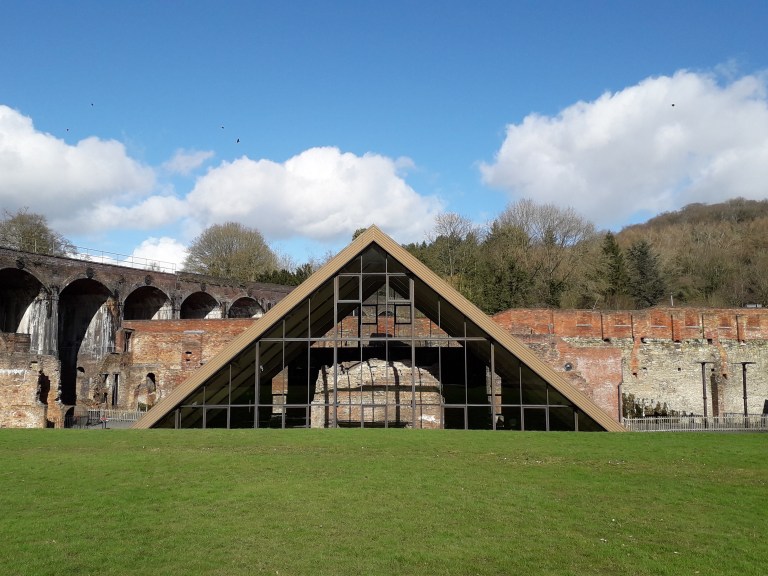
As part of the national Festival of Archaeology 2024, organised by the Council for British Archaoelopgy, the 27th July will see free entry to Coalbrookdale Museum of Iron, as the Ironbridge Gorge Museum Trust (IGMT) hosts a special day-long event.
A series of talks, walks, and tours will take place throughout the day, and local historical and archaeological societies and groups will be on-site talking to visitors about their work.
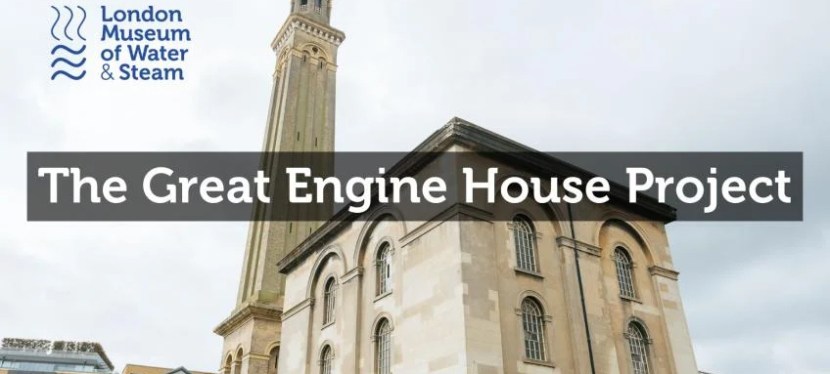
The London Museum of Water and Steam (LMWS) has launched a funding appeal for its ‘Great Engine House Project’. The Great Engine House is home to the Grand Junction 100 Inch and the 90 Inch beam engines which pumped clean water into the homes of millions of Londoners between 1838 and 1944.
The Museum is based in a Georgian water pumping station in Brentford, West London, and is home to a large collection of steam engines. Described by DCMS as “the most important historic site of the water supply industry in Britain” the LMWS shares the history, science, and the stories behind London’s public water supply.
Now it needs public help to preserve this internationally important collection. The Museum has a funding and maintenance backlog due to the COVID lockdowns and lack of funds for expensive scaffolding. The Grade I listed Engine House and the two huge beam engines it contains have all suffered significant degredation over the last few years.
The ‘Great Engine House Project’ aims to return the engine house to a watertight state, remove damaging past repairs, conserve the engines and improve their environmental conditions, improve accessibility, remove any materials containing asbestos, and reduce carbon emissions from running the engines.
The latest round of online meetings for the Industrial Heritage Networks in England are now taking place. Members will be recieving a ‘save the date’ email this week and then links to the meetings in the following weeks. These meetings are run by the Ironbridge Gorge Musuem Trust as part of the IHSO project. The networks provide a chance for those involved in running and maintaining industrial heritage sites, archaeological monuments, or local societies to get together and discuss current issues and experiences.
One of the current themes being explored by this year’s network meetings is how industrial museums, groups, and those supporting industrial archaeology monuments work with their local authority and how that has changed over the years. Membership of the regional networks is voluntary and free. If you would like to take part please email the IHSO at: mike.nevell@ironbridge.org.uk
Dates for the 2024 Online Industrial Heritage Network meetings:
Fifty years ago, a group of heritage enthusiasts founded the Waterworks Museum at the Hereford Victorian Pumping Station, built to supply clean water for Herefordshire. Now a thriving Museum, it has one of the country’s widest collections of pumping engines, including early beam and hot-air machines.
The vision of founding member Stephen Southall with colleagues William Herbert Austin, Herbert Penhale and John Townsend was all about telling the story of water supply and preserving and restoring machinery and engines for public enjoyment. The Victorian building has been restored and includes the original Worth Mackenzie steam engine which used to take water from the Wye and pump it to the adjacent treatments works
Beam engine image coutresy of The Warertwork Museum.
The Museum first opened its doors in April 1975. Ever since, we’ve been caring for the collection and welcoming visitors to this very special place. Our collection has grown to include additional water treatment exhibits and buildings and this tradition continues into 2024 with the inauguration and formal opening of two newly restored exhibits, the Sisson Engine Set and the Brockhampton Set.
Throughout this 50-year period, the museum has been supported financially by two benefactors, Dwr Cymru Welsh Water and the Southall Trust. We remain extremely grateful for the encouragement and endorsement of our benefactors and their continuing long association with the museum. The Museum is run entirely by volunteers and receives no public funding.
“What is astounding is the fact that this wonderful industrial heritage museum remains open and comes to life through its dedicated volunteers” says Jill Phillips, Chair of Trustees & Governance Director. “This was recognised in 2023 with the highest accolade for any volunteer community – the Queen’s Award for Voluntary Service. I am enormously proud and grateful to the efforts, skills and passion of volunteers both past and present. “
The Mayor odf Hereford opening the new engine display. Image courtesy of The Waterworks Museum
On Sunday 26th May The Right Worshipful, The Mayor of Hereford, Councillor Kevin Tillett led the celebratory opening of the magnificent Victorian building and working engines. In the afternoon, Richard Curtis, former Museum Chairman, officially opened the Sisson Engine display. It was built in 1953 for Reading Technical College (now part of Reading University) to train students and apprentice engineers in the efficient use of steam power.
On 11th August the Trust will be celebrating with visitors the opening of the Brockhampton Set display. Volunteers will be getting engines working and up to steam for opening from 11 am through to 4pm.
This year’s AIA Conference will be taking place in Cardiff from the 4th to 6th October 2024. On the Saturday there will be sessions by four nationally recognised specialists, with the first three exploring elements of Welsh industrial heritage and the fourth sharing results of a wider survey of 600 publicly accessible industrial sites. There will alos be tours of South Wales’ impressive industrial archaeology and heritage remains on the Friday and Sunday.
The speakers for the Saturday of the conference are: Steph Mastoris, former Head of Museums, National Museum Wales; Dr Peter Wakelin, former Secretary of the Royal Commission on the Ancient and Historical Monuments of Wales and now a heritage consultant; Dr David Gwyn, former editor of Industrial Archaeology Review and lead of the Govannon Consultancy; and Dr Paul Belford, CEO of Heritage Innovation.
Their one-hour sessions and the short AGM of the AIA will be streamed live, separated by a 30-minute lunch break, and the afternoon will end with presentations by this year’s Award winners ahead of the Conference Dinner and prize giving.
Conference Tours
On the Friday afternoon and Sunday there are optional tours.
Friday afternoon 4th October
Optional tours – choose either TOUR A: National Waterfront Museum, Swansea or TOUR B: Industrial tour of the Lower Swansea Valley
Sunday 6th October
Optional tours – choose either TOUR C: Big Pit, the National Coal Museum of Wales Or, TOUR D: Blaenavon Ironworks