Welcome to the Industrial Heritage Networks and Support website. This site is maintained and updated by the Ironbridge Gorge Museum Trust who run the project and the networks. We aim to support industrial heritage in England through networking, information exchange, guidance, and training. Please explore the website and please contribute! For more information you can … Read more Welcome to the IHNs website!
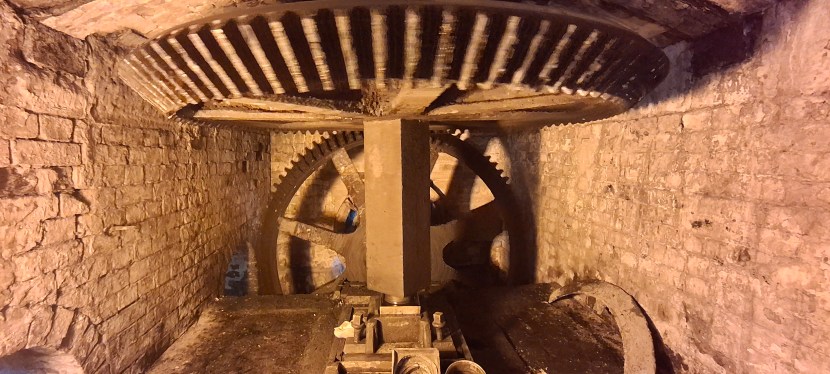
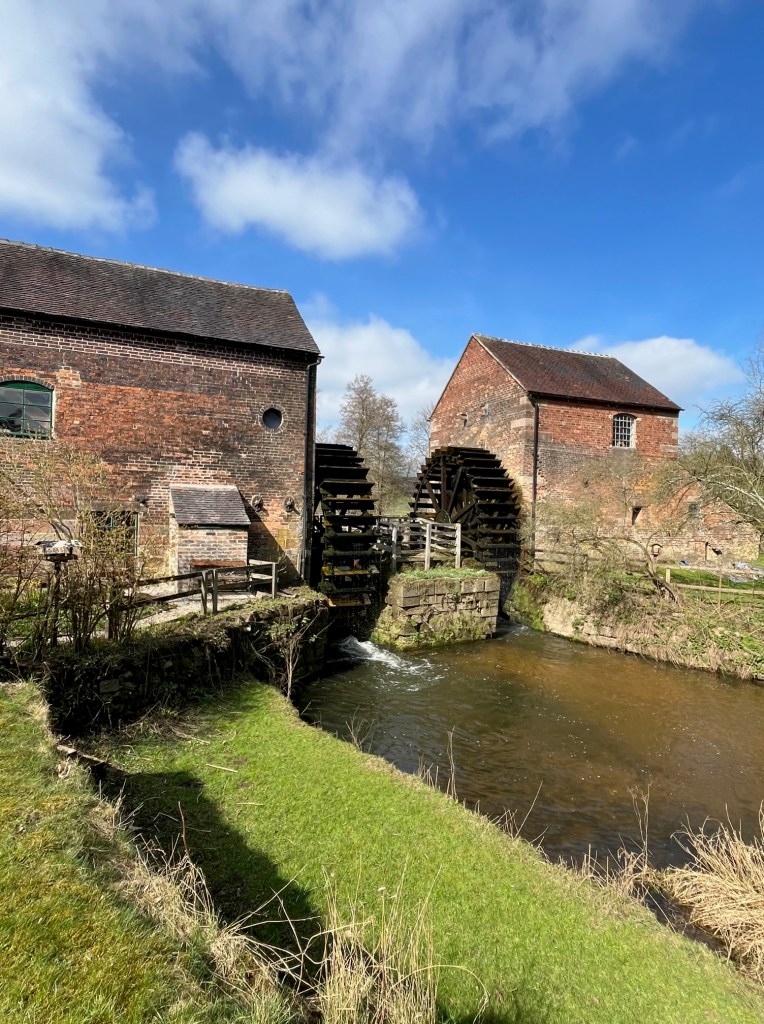
The lastest industrial heritage podcast from the IHSO project is now available to listen and download. This episode is an interview with Nick Smith, one of a small group of volunteers at Cheddleton Flint Mill in Staffordshire and a trustee of the trust that looks after the site.
The aim of this podcast was to hear from Nick about the mill’s history, to discuss how the site was saved, and how it has been conserved for future generations. You can learn more about the mill and current events on site here: https://cheddletonflintmill.com/
This podcast is part of the wider Archaeotea podcast series recorded by the IHSO, Dr Michael Nevell. You can follow this link to listen to the new episode.
The Council for Britsh Archaeology (CBA) has launched a new volunteering page, listing opportunities across the UK. You can search by your region to find volunteering callouts near you. However, the page doesn’t just listed opportunities for volunteers, but also has a section where groups, sites, and museums can list their own volunteering opportunities in archaeology and heritage.
Current industrial archaeology and heritage volunteer openings include opportunities to help Kingswood Heritage Museum (a brassworks) in South Glouscestershire, digitising opportunities with the Food Museum, and helping out with the North Tynside Steam Railway.
To learn more about new volunteer opportunities sign up for the CBA volunteering newesletter by following this link:
Arst Council England (ACE) is encouraging museums, especially museums within Priority Places, (where there are many industrial heritage sites) to apply for their National Lottery Project Grants (Project Grants) scheme. This is an open access programme for arts, libraries, and museums project funding. Grants range from £1,000 to over £100,000; they are divided into applications for under £30,000, applications for £30,001 to £100,000 and applications for £100,001 and over.
Unlocking Collections: This is a time limited priority, the deadline for applications has been extended until November 2025, ACE is prioritising and encouraging museums to apply for activity to develop their collections-based work and increase public engagement with, and use of, their collections. Funding could support: reinterpretation of collections; collections review; digital skills development
Place Partnership Fund: ACE’s Place Partnership Fund is to support partnerships that aim to make a step change in the cultural and creative opportunities in the applicants area. It’s open to everyone but may be of particular interest to organisations in ACE’s Priority Places or DCMS’s Levelling Up for Culture Places.
Art Fund – the national charity that connects museums, people and art – has created a Museum Trips Guide featuring 20 UK museums that offer inspiring learning experiences for all key stages. The case studies provide useful of examples of how to make the most of school trips.
The guide, which aims to encourage teachers to consider museums as relevant destinations for school trips in the 2025-6 academic year ahead, and to help them plan trips with ease, includes museum overviews & highlights, resources, curriculum links, costs and booking information. Amongst the case studies featured in the guide are four industrial heritage sites: the Museum of English Rural Life in Reading, Portsmouth Historic Dockyard, the National Railway Museum in York, and the Science Museum in London.
AIA have realeased details of its annual conference which this year will be based in the historic Midland Hotel, Bradford, part of the rich railway heritage in the centre of this year’s host of the UK City of Culture. The conference returns to a more traditional format, of weekend talks and the AGM, followed by 3 days of tours, although the AIA are offering the oppportunity to book individual weekend days and online weekend access.
As usual, the weekend programme will include a number of lectures on the region’s industrial heritage and presentations by AIA’s award winners. On the Sunday morning, following a short AGM, the annual prestige lecture will be given by Dr Michael Bailey, marking the 200th anniversary of the birth of the modern railway, on the subject of the Archaeology of Early Locomotives.
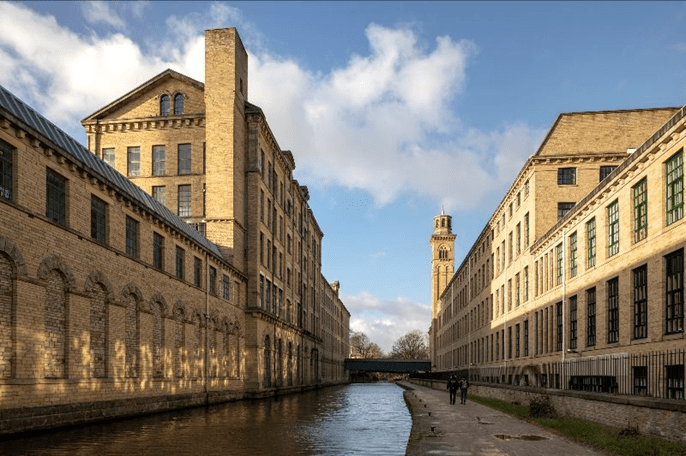
From Sunday afternoon to the morning of Wednesday 10 September there will be a varied programme of visits to important industrial sites in the area, including the Saltaire World Heritage Site. Delegates can opt to attend for just the weekend sessions or the whole five days, and online participation in the weekend programme is also possible.
There are free places available through the Patrick Nott bursary, which allows the AIA to offer some free places at Conference, including accommodation and tours.
Birmingham Museums are looking for someone with a background in science and industry, either through museum practice or industry experience, and an interest in connecting science and industrial heritage to audiences, to join their Curatorial & Participation team later this year.
The new Curator of Science and Industry will work collaboratively internally, and through participatory practice, to better research, document, and support access to Birmingham’s scientific and industrial collections. They will also contribute to continuing gallery developments, across Birmingham Museums Trust’s sites, with a particular focus on Thinktank, supporting the development and delivery of new displays that will engage existing and new visitors.
The Wandle Industrial Museum ‘s latest talk is by Wandle Industrial Museum volunteer and Trustee John Hawks. He will be speaking about the life, loves, and talent of Jane Morris, the often overlooked wife of William Morris.
This will be an in-peron, free, talk on 15th July 2025 at 10:30am at the West Barnes Library, Station Road, Motspur Park, New Malden. For more details about the society visit their website: www.wandle.org and on X, Instagram, Facebook, YouTube, and FlickR.
The World of Glass (based around the 19th century Hotties furnaces) celebrates its 25th anniversary this year, but its immediate future is underthreat. The St Helens’ based industrial heritage attraction has launched an emergency funding campaign with the aim of raising £50,000 over the next three months.
The museum and art gallery is facing a combination of increasing competition for funding across the charity sector, and a steep rise in annual running costs.
Its closure would be a great blow to the town, not least because in 2026 the International Festival of Glass (ifg.org.uk) will be hosted in St Helens for the very first time. The Glass Art Society (GAS) (Glass Art Society – Glass Art Society) has invited The World of Glass to partner with them to deliver the International Festival of Glass and the British Glass Biennale in 2026.
The museum has welcomed over 1 million visitors since opening in 2000 and serves thousands of local schoolchildren each year. It’s an independent charity that offers free cultural and education experiences including historic furnaces, hands-on exhibits, and live glassblowing. It is home to the town’s library, community spaces, interactive galleries, meeting rooms, a café, shop, and live glass blowing demonstrations. The site also includes one of the finest examples of a regenerative furnace in England, the Grade II* listed Tank House No. 9, a Scheduled Monument.
The World of Glass is open Wed-Sun and Bank Holidays, 10-4pm. Entry is free, but with a recommended donation of £3. There is free parking on Sundays and Bank Holidays.
Each year, Museum Development and the Arts Council conduct the ‘Annual Museum survey’; a comprehensive survey of all things museums (including industrial sites), from visitor numbers to social media followers to staff numbers. Each year’s report holds valuable data that better allows us to understand the sector’s priorities, needs and challenges.
In collaboration with PS Research, all of the Annual Museum Surveys from 2019 – 2024 – have been analysed giving a comprehensive insight into the evolving state of the museums sector right from the eve of Covid-19 to last year. The key findings are:
Opening hours have shown a gradual and sustained recovery since the pandemic. However, opening hours in more than a third (36%) of museums are down from 2019-20.
While opening hours have recovered, visitor numbers are yet to return to pre-pandemic levels.
Museums are engaging more education providers than they were in 2019-20.
Social media following of museums has grown significantly since 2019-20.
Overall, staffing numbers have changed little since 2019-20. However, contract hires as a percentage of hires is increasing.
The number of museum volunteers has generally recovered to pre-pandemic levels, but 2 in 5 museums still record lower numbers.
The Winding Engine at Blists Hill Victorian Town is one of the Ironbridge Gorge Museum Trust’s earliest and most significant exhibits. One of the very few preserved steam winding engines – and of even fewer able to wind up and down a historic mine shaft – it has been out of action since 2018. To repair and restore this machinery will cost £100,000. A fudn was setup in 2024 to raise this amount, and it has recently recieved a genrous donation from the 29th May 1961 Charitable Trust.
Winding head gear at Blists Hill, Ironbridge. Image copyright Dr Michael Nevell.
When it is working, the Winding Engine exhibit can bring the sounds, smells and sights of a working engine to life for our visitors. It helps us tell the story of the men, women and children who worked in Shropshire mines and the daily dangers they faced. It also demonstrates a vital feature of mining and the development of mining and engineering during the Industrial Revolution.
The phased plan for work will see the pit head, boiler house, and engine house refurbished, the mine shaft inspected and cage refit. The work will primarily be carried out by IGMT’s Steam Team, expert volunteers, supported by our Steam Engineer and outside contractors.
More money still needs to be raised, so if you would like to contribute to getting the engine winding again follow this link: