Historic England Publish New Data on Economic Value of the Heritage Sector

Each year, Historic England (HE) commissions a detailed economic study that aims to capture the economic ‘footprint’ of the heritage sector using national statistics disaggregated into subsectors, occupations, and local geographies. Using the latest available national statistics (2022), England’s heritage sector is estimated to have contributed £44.9 billion in Gross Value Added (GVA) to the UK economy in 2022 and supported the employment of over 523,000 workers (CEBR, 2024).

Like many sectors, the heritage sector has faced extraordinary challenges since 2020 due to macro-economic shocks, including the COVID-19 pandemic, growing cost-of-living costs, and escalating global energy prices. The post-pandemic evidence demonstrates a resilient and recovering heritage sector emerged in 2022.

The top three constituent sub-sectors of England’s Heritage Sector (construction; libraries, archives and museums; and architectural and engineering activities) accounted for over 80% of the total GVA of England’s heritage sector. The construction industry remained the largest constituent heritage sub-sector in 2022, generating £7.42 billion GVA. The next largest industry – Libraries, archives, museums and other cultural activities -contriubed almost £3.34 billion. Architectural and engineering activities contributed £1.86 billion. The heritage sector in the South East supported the largest number of workers in 2022, with 61,000 directly and indiretcly employed in the sector.

To read the Historic England overview of this research follo this link: https://historicengland.org.uk/research/heritage-counts/heritage-and-economy/economic-value/

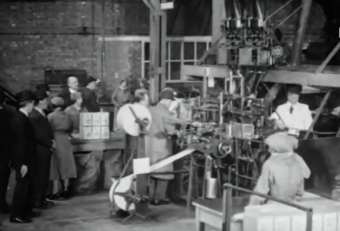
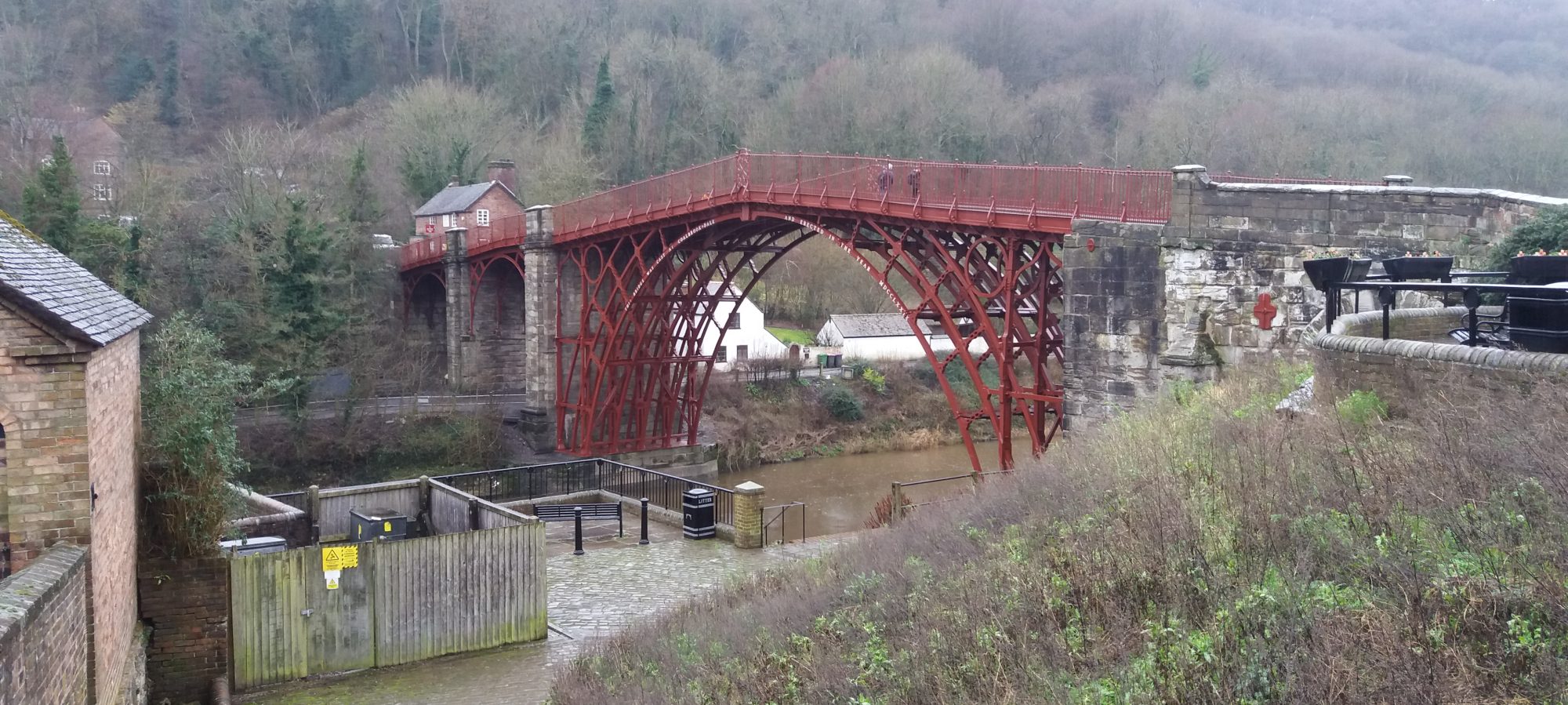
Images courtesy of Historic England.

Festival of Archaeology 2024 Comes to Ironbridge

Next Saturday , 27th July, the Ironbridge Gorge Museum Trust (IGMT) will be joining museums, archaeology, and heritage organisations across the country to host a special day-long event as part of the national Festival of Archaeology. The festival is run by the Council for British Archaeology (CBA), the leading UK charity for archaeology, one of the first promotors of industrial archaoelogy. To find out more about the CBA and the festival, who celebrate their 80th birthday this year, follow this link https://www.archaeologyuk.org/festival.html

As in 2023, the IGMT day is sponsored by the Association for Industrial Archaoelogy. If you fancy joining IGMT staff and volunteers on the 27th July, here’s what’s happening:

  • The Coalbrookdale Museum of Iron will be free for all visitors for the entire day, thanks to sponsorship from the Association for Industrial Archaeology (AIA).
  • Fourteen local historical and archaeological societies and groups will be in the museum talking to the public about their work. There will also be a series of free one-hour walks and tours around Coalbrookdale and the local area.
  • The Association for Industrial Archaeology (AIA) will host a mini archaeological dig where visitors will be able to sift through spoils left over from recent conservation work at Broseley Pipeworks, funded by the National Heritage Memorial Fund, to level out the floor. While practising their archaeological skills they might find parts of pipes, other clay items, or pieces of bone.

Find out more: https://bit.ly/3L6QHes

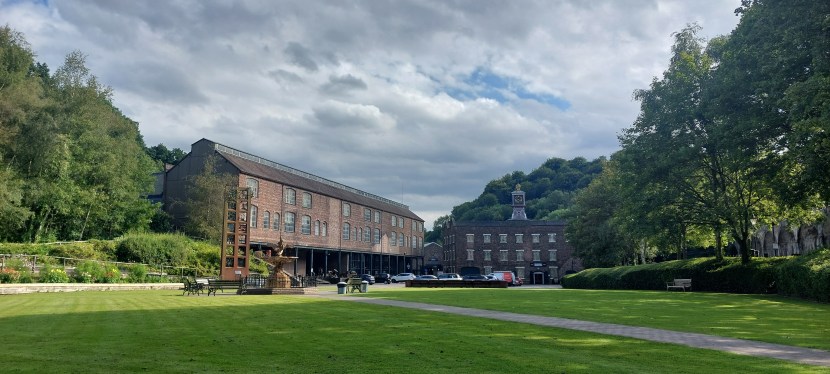
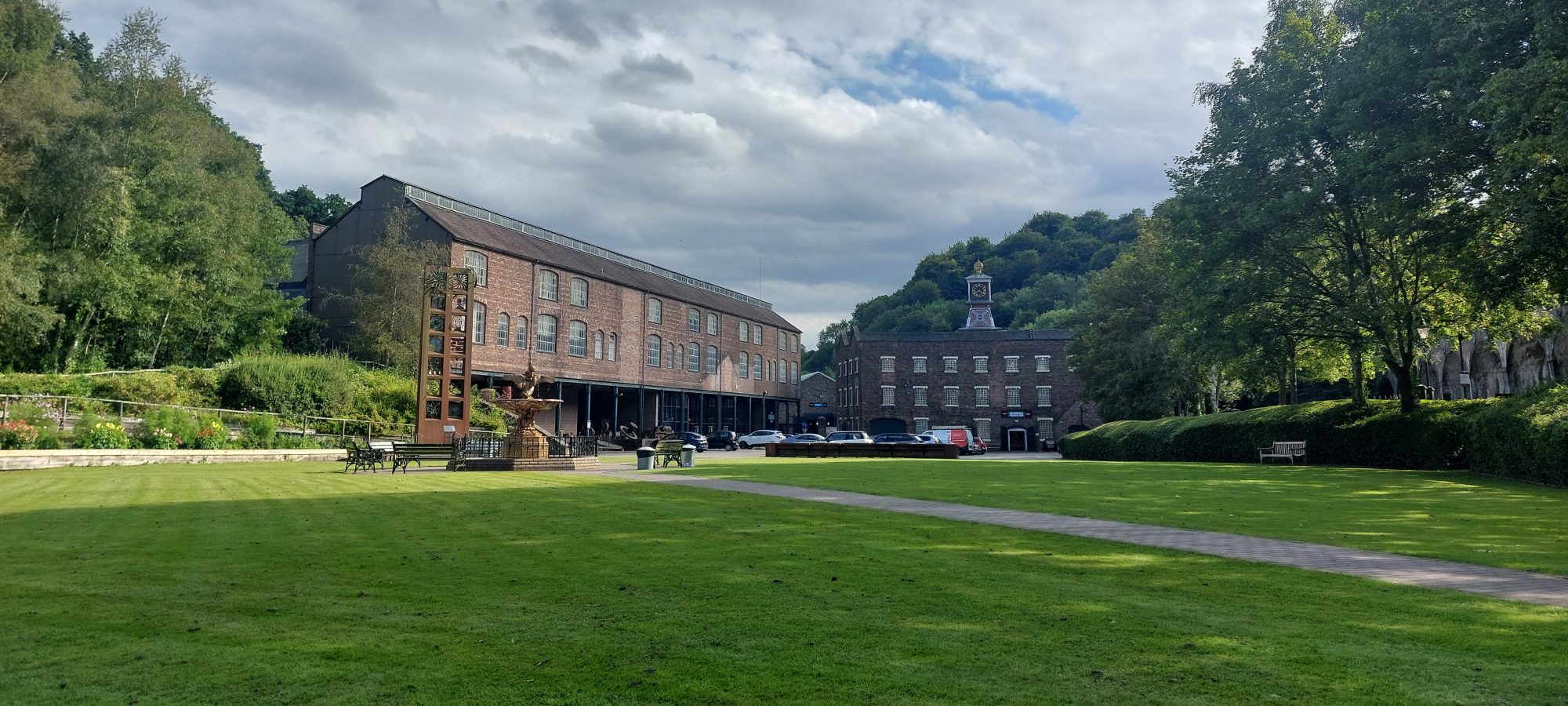
Museum of Iron, IGMT, Coalbrookdale. Image copyright Dr Michael Nevell.

Industrial Heritage in England Survey Stage 1 Update

The Ironbridge Gorge Museum Trust and Heritage Innovation are undertaking a survey of the c.600 publicly accessible and protected industrial heritage sites in England. Funded by Historic England, the 2024 survey is gathering data on these sites which will be compared with similar reports undertaken in 2008 and 1998, and will inform Historic England’s draft Industrial Heritage Strategy and future strategy for the Industrial Heritage Support Officer (IHSO). Stage 1 of the Industrial Heritage Sites in England Survey 2024 the online survey, has been been completed. Stage 2, targetted interviews with selected sites, is now underway.

The survey is being undertaken by Heritage Innovation, who ran the online survey was in April and May. Some of the initial findings gathered by Heritage Innovation show that:

  • 48.3% of Industrial Heritage sites were owned by a preservation trust or society.
  • 83.6% of preservation trusts or societies had charitable status.
  • 44.8% of sites were accredited museums.
  • 52.6% of sites had found it ‘quite difficult’ to secure public sector funding in the last three years.
  • 73.7% of sites said they found it ‘fairly difficult’ or ‘very difficult’ to attract new volunteers.
  • 72.4% of sites had original plant and machinery in situ.

Stage 2 of the survey, which is running across July, is a series of up to 12 interviews of those running industrial heritage sites across England, from entitely volunteer run sites, to the largest industrial heriage trusts. The results of the project will be published later in the year, including a free online seminar in the autumn.

Graph courtesy fo Heritage Innovation

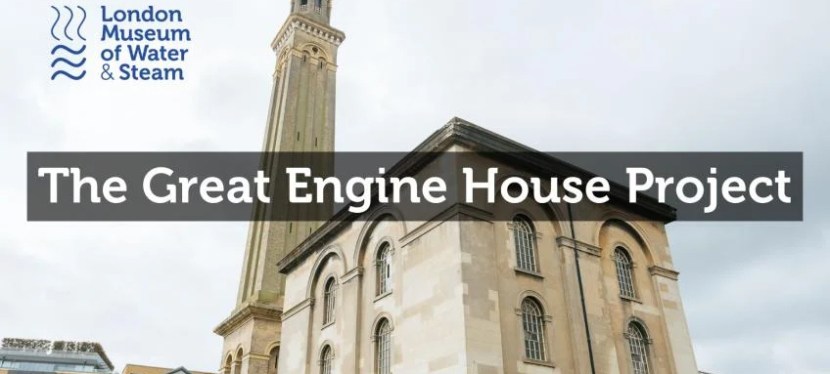
The Great Engine House Project: London Museum of Water & Steam

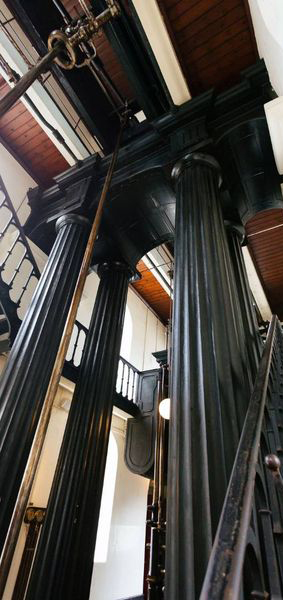
The London Museum of Water and Steam (LMWS) has launched a funding appeal for its ‘Great Engine House Project’. The Great Engine House is home to the Grand Junction 100 Inch and the 90 Inch beam engines which pumped clean water into the homes of millions of Londoners between 1838 and 1944. 

The Museum is based in a Georgian water pumping station in Brentford, West London, and is home to a large collection of steam engines. Described by DCMS as “the most important historic site of the water supply industry in Britain” the LMWS shares the history, science, and the stories behind London’s public water supply.

Now it needs public help to preserve this internationally important collection. The Museum has a funding and maintenance backlog due to the COVID lockdowns and lack of funds for expensive scaffolding. The Grade I listed Engine House and the two huge beam engines it contains have all suffered significant degredation over the last few years.

The ‘Great Engine House Project’ aims to return the engine house to a watertight state, remove damaging past repairs, conserve the engines and improve their environmental conditions, improve accessibility, remove any materials containing asbestos, and reduce carbon emissions from running the engines.

To donate follow this link: https://www.crowdfunder.co.uk/p/great-engine-house

Industrial Heritage Network Online Meeting Dates 2024

The latest round of online meetings for the Industrial Heritage Networks in England are now taking place. Members will be recieving a ‘save the date’ email this week and then links to the meetings in the following weeks. These meetings are run by the Ironbridge Gorge Musuem Trust as part of the IHSO project. The networks provide a chance for those involved in running and maintaining industrial heritage sites, archaeological monuments, or local societies to get together and discuss current issues and experiences.

One of the current themes being explored by this year’s network meetings is how industrial museums, groups, and those supporting industrial archaeology monuments work with their local authority and how that has changed over the years. Membership of the regional networks is voluntary and free. If you would like to take part please email the IHSO at: mike.nevell@ironbridge.org.uk

Dates for the 2024 Online Industrial Heritage Network meetings:

Wedensday 19 June – London – completed

Wednesday 26 June – North West

Tuesday 2 July – South East

Wednesday 3 July – South West

Monday 8 July – East Midlands

Wednesday 10 July – West Midlands

Monday 15 July – East of England

Tuesday 16 July – Yorkshire

Monday 22 July – Cornwall & Devon

Wednesday 24 July – North East

Museum Development English Regional Grants Now Open for Applications

In April 2024 the new Museum Development regions in England came into being, along with a new set of regional grants. The five English MD regions are now up and running delivering support to museums and heritage groups, including industrial heritage sites, though a variety of training, capacity building, networking, and grant support initiatives.

Details of the first round of grants for museums and heritage groups are as follows:

MD North Opern Grants: 1st round deadline, 7th June, with grants avalable up to £5,000 https://www.museumdevelopmentnorth.org.uk/find-funding/md-north-grants/open-grants/

MD South East: Collectiosn Care Grants (deadline 24th June) and Collections Review and Rationalisation Grants (deadline 1st July): https://mdse.org.uk/grants/mdse-grants/mdse-grants-collections/

MD Midlands: Open Grants and Workforce Development Grants will be open for applications from late May 2024 https://www.mdmidlands.org.uk/

MD South West: Talking Nature and Capacity Builder grants close on 17th June. https://southwestmuseums.org.uk/what-we-do/grants/

MD London grant schemes continue as before. https://www.museumoflondon.org.uk/supporting-london-museums/development-grant-programmes

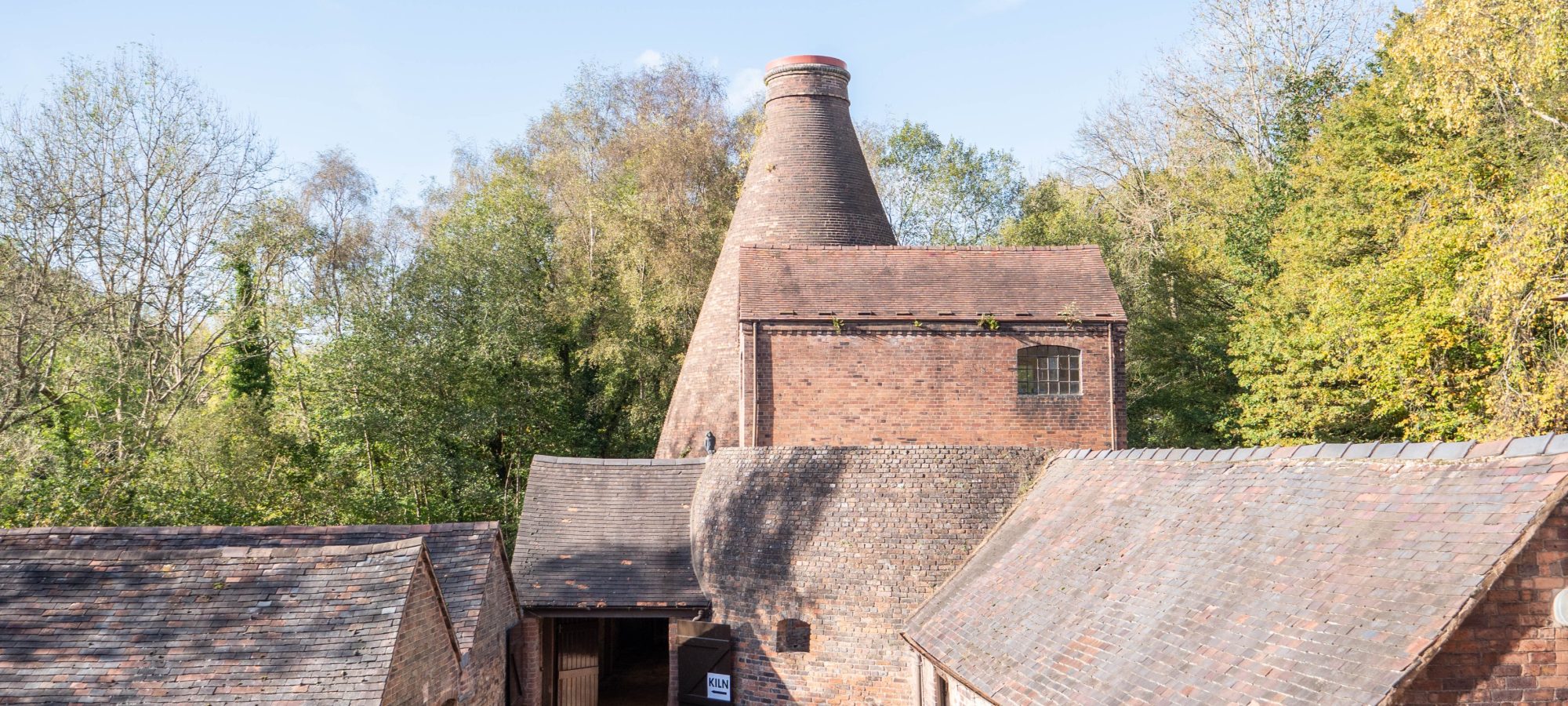
Coalport China Works, Ironbridge Gorge Museum Trust.

AIA 6th East-West Seminar 11 May 2024

The 6th East-West Workshop on Industrial Archaeology, sponsored by the Association for Industrial Archaeology, brings together historians and archaeologists from the UK, China, and Brazil to examine the ruins of industry as sources of information (archaeological evidence), inspiration and aesthetic experiences. The workshop delves into the ancient and modern ruins of industry as particular archaeological sites that allow, and demand, different explorations. It will take place online on 11 May 2024, 10.00-12.00 GMT.

The East-West series of workshops aims to exchange ideas and knowledge among Western and Eastern colleagues to build a more international and diverse industrial archaeology. The activity is organised jointly by the Institute for Cultural Heritage and History of Science & Technology (USTB, China), the UK Association for Industrial Archaeology, and its Young Members Board. The speakers will be:

  • Hilary ORANGE (Swansea University, Wales): “Stuff Kicked Underfoot – The Surfaces of Industrial Ruination”
  • Xianping GAO (University of Science and Technology Beijing, China): “Excavating the Ruins of the Chinese Porcelain Industry: The Luomachiao Kiln Site in Jingdezhen”
  • Guilherme POZZER (University of Sheffield, England): “Words in Ruins: Sensorial, Affective and Creative Approaches to the Ruins of Industry”

More info & free registration here: https://www.eventbrite.co.uk/e/6th-east-west-workshop-on-industrial-archaeology-industrial-ruins-tickets-888220470337?aff=oddtdtcreator

New Industrial Archaeological & Historical Research Included in Lancashire & Cheshire Antiquarian Conference, May 2024

The Lancashire and Cheshire Antiquarian Society are holding their annual conference on 11th May 2024. The theme is new research, with a focus on local history, family history, and industrial archaeology. It will be held at the friend’s Meeting House, Mount Street, Manchester, M2 5NS from 10am to 3pm.

The talks will include presentations Helen Corlett talking about The Cooper at Old Bridge End: Finding a Place in Early 19c Manchester (a micro study of the experience of an artisan-tradesman family migrating to Manchester from the rural north); Neil Coldrick on Medieval Ironworking in Holcombe Valley; and Kelly Griffiths discussing Scuttled: Excavations on the Historic Canal Basin in Rochdale (looking at excavating late 19th century canal boats).

The conference is free to members of the Lancashire and Cheshire Antiquarian Society and the Manchester Local Family History Society, but donations are gratefully accepted. The fee for non members is £12.00 payable to Lancashire and Cheshire Antiquarian Society. Please email secretary@landcas.org.uk to book your place.

A canal boat being excavated at Rochdale.
Medieval bloomery during excavation at Holcombe in 2018.

Restoration Work is Helping to Preserve Craft Skills at Paradise Mill in Macclesfield

The Grade II listed Paradise Silk Mill in Cheshire reopened to the public in February 2024 after a £309k National Heritage Memorial Fund backed restoration project, supported by building owners Allmand-Smith Ltd. This grant has helped the Silk Heritage Trust acquire a 125-year lease of the top floor of the mill. Paradise Mill, which produced luxury silk goods from 1862 until 1981, will once again be home to silk production, after restoration of two of the mill’s 19th century Jacquard looms.

Silk weaving has now joined the list of Endangered Heritage Craft Skills. The Silk Museum has secured funding from The Radcliffe Trust to develop a plan for the conservation of the looms alongside creative placements for emerging craftspeople. Director of the Silk Museum, Emma Anderson, said: “The looms tell remarkable stories of silk production in Macclesfield. It is essential that they are kept in working order so that visitors can experience the incredible sights and sounds of these historically-important machines. We need to revive and expand the technical knowledge of how to operate and care for them so they can continue to inspire future generations of weavers for years to come.”

The Museum is planning to return more of its collection of 26 Jacquard handlooms to working order . Tour guides at the museum, Daniel Hearn, and Trish Halloran, alongside Rebecca Faragher, who is a trained weaver, are undertaking the conservation of the building’s handlooms, in work supported by funding from the Association for Industrial Archaeology. Hearn said the restoration had required considerable effort. “Establishing a strong foundation in acquiring these skills means we are taking the first critical steps in ensuring that this niche type of Jacquard handloom weaving remains operational within the extraordinary time capsule that is Paradise Mill.” As part of the restoration project textile students Bea Uprichard and Ruth Farris, from Manchester Metropolitan University, have designed and woven a new silk – the first one to be created at the mill in decades.

Guided tours of the Silk Mill resumed in February. For more information follow this link: https://www.thesilkmuseum.co.uk/

Warping drum for silk thread, Paradise Mill. Image copyright Dr Michael Nevell

European Fossil Fuels Needs Survey Of Industrial Heritage Sites

The Working Industrial & Mobile Heritage (WIMH) platform is being developed by umbrella organisations from throughout the industrial and mobile heritage sector in Europe. The European Route of Industrial Heritage (ERIH) is one of the partners in this project. The group is appealing to ERIH members and other industrial heritage sites in the UK for help in collecting evidence to protect a hugely important element of our industrial museums across Europe – their heritage in operation. Other partners currently include: TICCIH – The International Committee for Conservation of the Industrial Heritage; FEDECRAIL – Federation of European Museum & Tourist Railways; FIVA – Federation Internationale des Vehicules Anciens; and the Europa Nostra Industrial & Engineering Heritage Committee.

The working industrial and mobile heritage sector embraces historic machinery at industrial heritage sites and museums, railways, steam ships, road vehicles, and aviation. These all constitute a “social testimony” which ensures that the essential “know how” for the operation of steam powered machinery and combustion engines should not be lost for future generations. Cultural heritage enriches the lives of people and plays a role in enhancing Europe’s social capital. Our sector is also an important resource for economic growth, employment and social cohesion. Working industrial and mobile heritage depends on the continued and limited availability of fossil fuels, like coal and oil-based derivatives. Such fuels remain necessary for the dynamics of heritage machines and vehicles.

As set out in in the 2014 document “Towards an Integrated Approach to Cultural Heritage for Europe”, the European Union is committed to promoting industrial heritage. Our sector is currently facing certain challenges, such as reliance on a limited availability of fossil fuels. The European Union, and other national governments such as the UK throughout Europe, need to take a balanced approach to the almost negligible environmental impact of limited fossil fuel usage by the sector and the legitimate objective of preserving this heritage. For example, assisted also by retaining a continued source of suitable coal at a location within Europe.

A key task of the WIMH partnership is to try to gather as much data as possible of the current annual consumption of our sector, especially of coal but also historic oil based fuels. Considerable efforts have already been made in particular by the railway heritage sector in several countries, including the UK, and research is being undertaken by the historic road transport sector.

Who should respond?

Working from this foundation, the next steps are to build up a picture of at least approximate fossil fuel usage from the industrial heritage sector. This survey is for museums and heritage sites for whom fossil fuel power is needed for continued operation of pumps and industrial machines which form such an important part of the interpretation to the public at our sites. Not only coal-fired boilers and equipment, but also other machinery which operate with petrol, diesel, or other traditional oil based fuels. Follow this link to fill in the survey:

https://docs.google.com/forms/d/e/1FAIpQLSeFZ-1De8tw3OtpajPVj5aaGpxupHA73NSHOcHWXe3UEBmC-w/viewform?s=09

For any questions, please contact Hildebrand de Boer, ERIH Board Member + Liaison Officer ERIH + WIMH  hildebrandeboer@hotmail.com