Foxton Canal Museum Launches Crowding Funding Campaign to Secure the Future of the Site

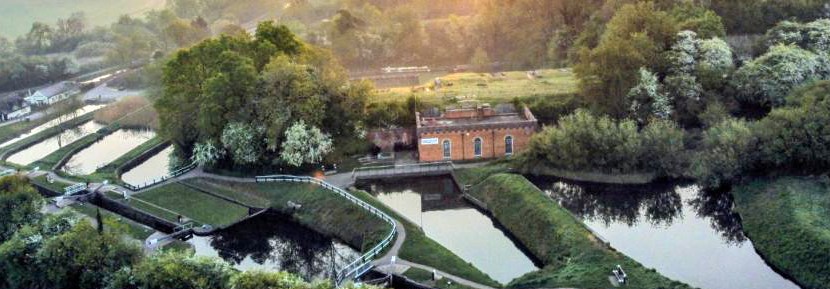
The Trustees of the Foxton Inclined Plane Trust have launched an urgent crowdfunding appeal to raise £20,000 by February so that the museum and site can open in 2026. A combination of rising costs, the long-term impact of COVID-19, and recent operational challenges—including lock closures that reduced visitor numbers this year—has left the Foxton Canal Museum, the beating heart of Foxton Locks and a vital guardian of Britain’s canal heritage, under threat. As a consequence, income has not kept pace with escalating expenses, making sustainability increasingly difficult.

The Museum tells the story of the Foxton Inclined Plane – a Victorian engineering marvel and a scheduled monument – and the people who shaped our waterways. Since its founding by the Foxton Inclined Plane Trust in 1982, the Museum has grown from a volunteer-led dream into a nationally recognized institution. It has hosted award-winning exhibitions, educational programs, and community events, becoming a hub for history, creativity, and learning.

From its humble beginnings – volunteers clearing overgrown inclines and rebuilding the boiler house – to achieving official museum status and welcoming thousands of visitors annually, Foxton Canal Museum has always been powered by passion and perseverance. Recent projects include Foxton Creates, a co-curated exhibition with local schools, and Ingenuity & Vision, exploring the 1950 Market Harborough Festival & Rally of Boats. The Museum also runs STEM workshops, artist residencies, and oral history projects, ensuring canal heritage remains relevant for future generations.

However, the Museum faces mounting financial pressure and without urgent support the Museum cannot guarantee opening in 2026.

To contribute to the Crowdfunding Appeal, and for more information about the site and the campaign to secure its future, follow this Link: https://www.crowdfunder.co.uk/p/save-foxton-canal-museum

Conservation Work at Three Windmills Completed

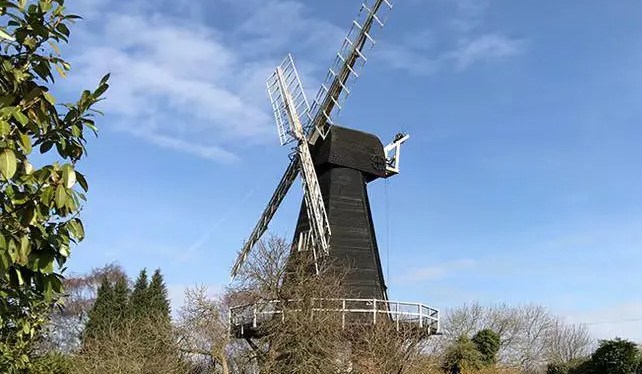
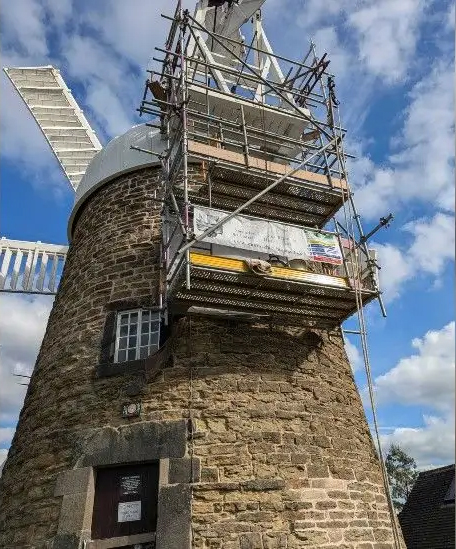
Conservation and restoration work at three windmills has been finished ahead of the winter. Heage Windmill in Derbyshire, Meopham Windmill in Kent, and the White Mill, also in Kent, have been undergoing programnmes of conservation and restoration work for several years.

Heage Windmill was restored in 2002, but the Grade II* listed building required further work due to weather-related erosion to the exterior stonework and increased damp inside the building. Following consultation with Historic England, the Heage Windmill Society secured £30,000 in funding from the Association for Industrial Archaeology (AIA) and the Headley Trust for the works to go ahead. Work on the sails and caps was carried out in 2023, and now repair work on the stone tower has been completed.

Grade II* listed Meopham Windmill, which was built around 1820, had fallen into disrepair. Kent County Council purchased the mill, known for its rare six-sided design, in 1959. A £300,000 restoration programme has seen it reconstructed with new mechanisms, revitalised grounds, and its sweeps restored. The funding for the restoration came from a collaboration between KCC, Meopham Windmill Trust, Suffolk Millwrights, and the local community.

Finally, the Grade II listed White Mill in Sandwich, Kent, had its four sails restored and reinstated in September. The windmill was built in 1760 and served the community as a working mill until the 20th Century, before it became disused in 1957. The White Mill Rural Heritage Centre said the landmark was partly restored in the 1960s, but over the past five years it had undergone more extensive works, and that repairing the historic industrial machinery was a “major testament to the power of volunteering and the important role it plays in the community”.

Further details on these restoration projects can be found on these links:

https://www.bbc.co.uk/news/articles/c7841j4n2q3o.amp

https://www.bbc.co.uk/news/articles/cp8w0nw9kp9o.amp

Heage Windmill during restoration. Image courtesy of Heage Windmill Society.

Railway 200: Celebrating the Birth of the Modern Railway in 2025

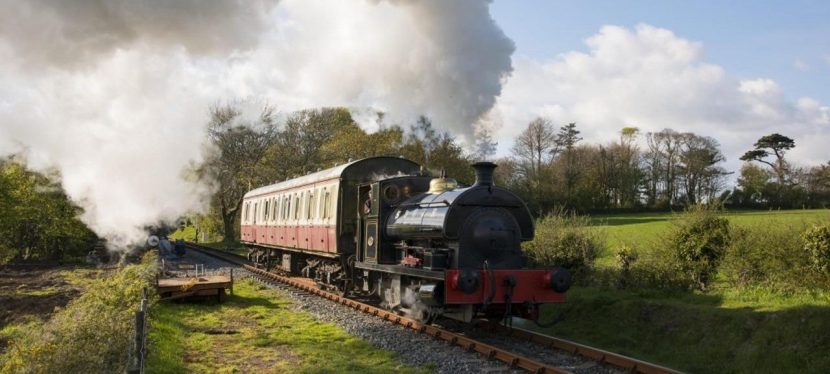
2025 marks the bi-centenary of the opening of the Stockton & Darlington Railway in 1825 connecting places, people, communities, and ideas, and ultimately transforming the world. To celeberate the birth of the modern railway, three councils, Darlington, Durham, Stockton-on-Tees, and Tees Valley Combined Authority, have joined forces with a range of local, national, and international partners, to deliver a nine month festival of internationally significant projects throughout the bicentenary year.

The ‘Railway 200’ events are designed to showcase how the railway shaped and continues to shape national life, as well as inspiring a new generation of young pioneering talent to choose a career in rail. Events across the year will build to the main celebration on the 27th September, the 200th anniversary of the opening of the Stockton & Darlington Railway.

A Global ‘whistle-up’ on New Year’s Day 2025, with more than 50 hetritage railwys blowign the ihsiltew son their engiens at the same moment, signalled the start of rail’s 200th anniversary. From January to September a wide variety of activities and events are planned to celebrate rail’s remarkable past, its role today, and its importance to a sustainable future.

For more details on these events follow this link: https://railway200.co.uk/ 

Getting Involved With the Oral History of Birmingham’s Canal Restoration

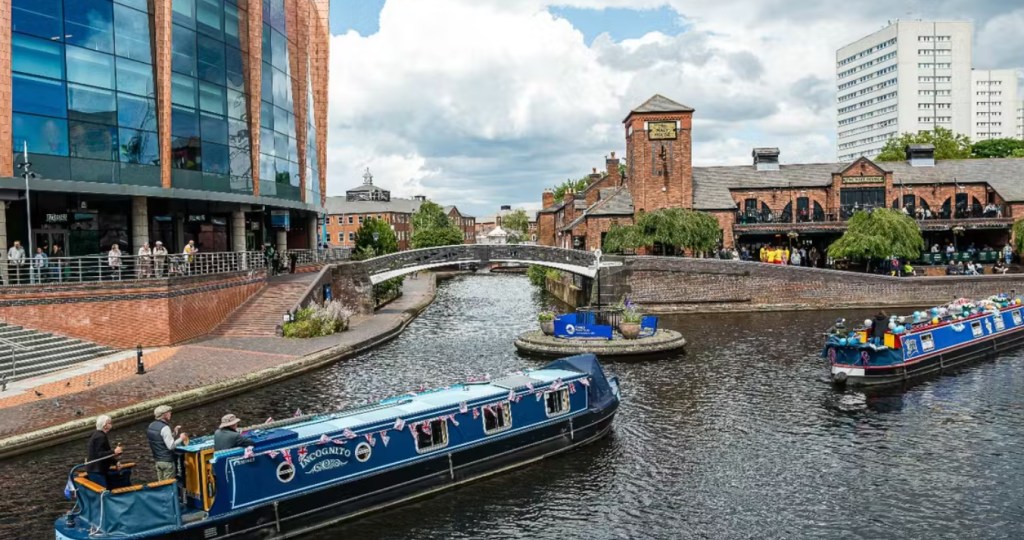
The Canal and River Trust (CRT) is looking at gathering oral histories about the people who were involved in the post-Second World War restoration of canals in Birmingham and the Black Country.

The aim is to record this important period in the history of Britain’s canals by talking to the people who worked on the restoration projects. CRT are looking to record personal stories to find out which canals people worked on, what they did to restore the canals, their motivations for being involved, the impacts the restoration work had on them, and information about restoration techniques.

This work is being undertaken with inHeritage. inHeritage is a heritage interpretation consultancy delivering innovative and accessible opportunities to communicate your key messages to your target audiences through a range of traditional and new media. They also manage interpretation, community archaeology, and oral history projects.

If you would like to get involved with this project please email Bill Bevan at: bill@inheritage.co.uk

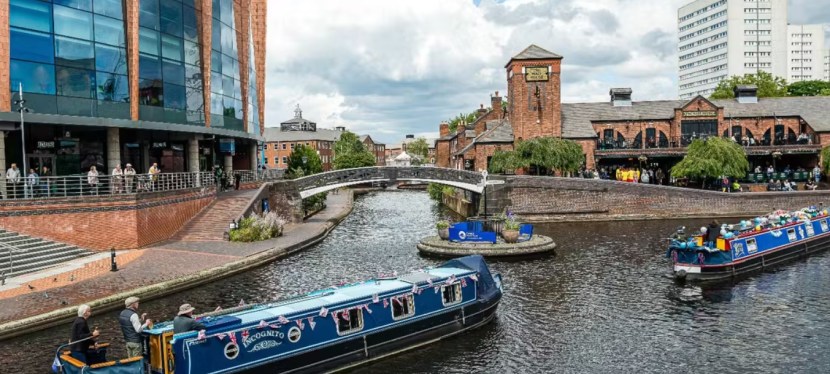
Birmingham canals post restoration. Image courtesy of CRT.

Thwaite Watermill Museum Under Threat from Local Authority Budget Cuts

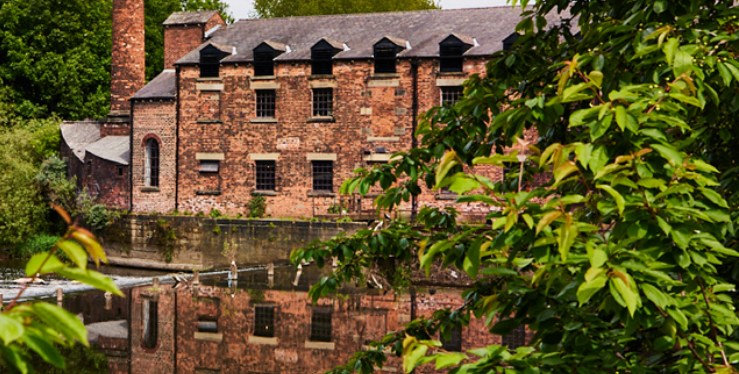
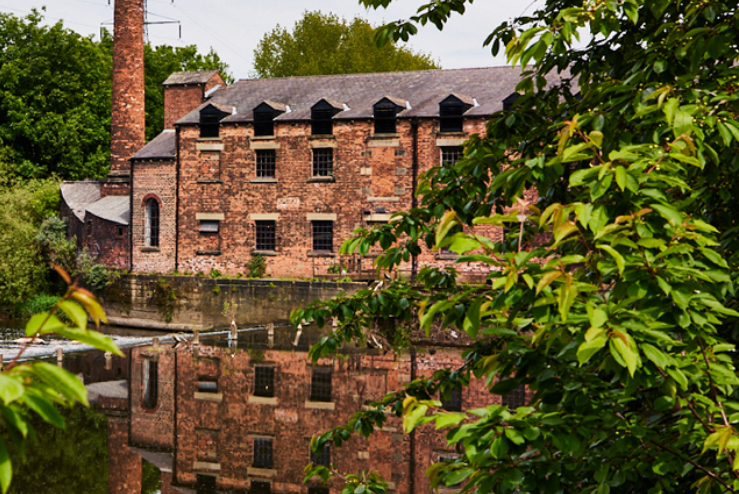
Thwaite Watermill Museum, in Leeds, may be faced with closure. The museum of Leeds’ milling industry is set in a former mill on an island in the River Aire. The site is owned by the Canal and River Trust, and run by Leeds City Council museums and galleries. The lease on the site is currently due to end in 2030, but as part of proposed budget cuts Leeds City Council is considering a proposal to end the lease in 2025.

The CRT confirmed that if the lease ends, it would not be able to afford to take over the running of the museum. A spokesperson said: “We are sorry to hear this update. If the council terminates the lease and closes their museum, we will have to look for alternative viable options for the use of the property that will help safeguard its future. In this difficult economic climate, our charity is facing the same financial challenges with the day-in day-out task of looking after and keeping open our 2,000 miles of waterways, including the hundreds of centuries-old locks, bridges, tunnels and aqueducts here in Yorkshire. Unfortunately, we do not have the funding to take on the council’s running of the Thwaite Watermill museum.”

For further details see: https://www.yorkshireeveningpost.co.uk/news/people/owner-confirms-thwaite-watermill-museum-to-permanently-close-if-lease-ended-by-leeds-city-council-4439898

Thwaite’s Watermill/ Image courtesy of Leeds City council, museums and galleries