North West Industrial Heritage Network Meeting, 17 October

The next in-person North West Industrial Heritage Network meeting will be held at the Lancashire Mining Museum, Astley, Wigan, on the 17th October, from 11am to 1pm. This will be followed, after lunch (please bring your own), by a tour of the site (2pm to 3pm). The themes for the 2025-26 IHN meetings are conservation and maintenance.

All IHN members are very welcome to attend. To book a place follow this link:

https://www.eventbrite.co.uk/e/north-west-industrial-heritage-network-tickets-1716173072859?aff=oddtdtcreator

The Lancashire Mining Musuem, which is entirely voluntary run, has origins going back to the 1970s, and first opened to the public in 1982, re-using buildings from the former Astley Pit, which closed in 1970. The museum has the last surviving headgear and winding house in the whole Lancashire coalfield. Apart from the steam winding engine and headgear, the museum also houses many exhibits, not least of which is the collection of 28 colliery locomotives, the largest collection of its type in the United Kingdom.

More details about the museum here: https://lancashireminingmuseum.org/

Grants for Two Mining Industrial Heritage Sites

Two mining industrial heriatge sites have recently received grants towards conservation and community engagement.

The headstocks at Woodhorn Museum, Ashington, has received extra money from Northumbrian County Council for the continuing conservation work at the industrial site. The £1.4m grant is in addition to earlier funds for the restoration of the site, including nearly £1m from the UK Government’s ‘Heritage at Risk’ support scheme. Further details can be found here: https://www.chroniclelive.co.uk/news/north-east-news/additional-14-million-agreed-save-32416167

The National Coal Mining Museum for England, Wakefield, has received a grant in the first round of the re-imagined Esmée Fairbairn Communities and Collections Fund. £98,561 will be used to celebrate the role of Miners’ Welfare by bringing together heritage, community, health, academic partners, and people living with marginalisation, mental and physical ill-health. This fund supports projects using museum collections to improve inclusion and equitable working with community partners. Further details can be found here: https://www.ncm.org.uk/news/funding-miners-welfare/

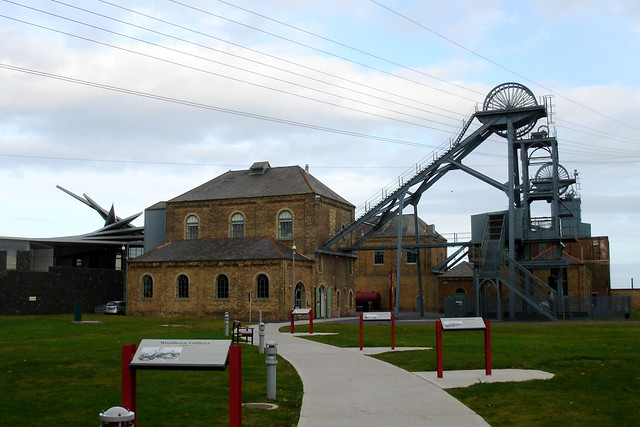
The headstocks at Woodhorn Museum. Image courtesy of North East Museums Development Trust.

Lancashire Mining Museum Secures NHLF Grant

The Lancashire Mining Museum at Astley, Wigan, had been awarded a grant of nearly £200,000 from the National Lottery Heritage Fund. The funding will be used to safeguard the ‘unique’ winding house of the former Astley Green Colliery in Wigan. The site’s 98ft high headgear is a prominent feature of the surrounding landscape.

The museum has also secured additional contributions from the Association for Industrial Archaeology, the Arts Council, Awards for All, the Pilgrim Trust, and Wigan Council, bringing the grant total to over £360,000. Sunk in 1908 to exploit coal reserves in the south Lancashire Coalfield, the colliery had a lifespan of only 62 years, finally closing in 1970. Because of its short and relatively recent history, a considerable number of written and photographic records have survived. The site includes a 98ft winding headgear, winding engine, colliery cottages, and a miner’s canteen.

Further details about the museum here: https://lancashireminingmuseum.lexington-staging-site.co.uk/visit-us

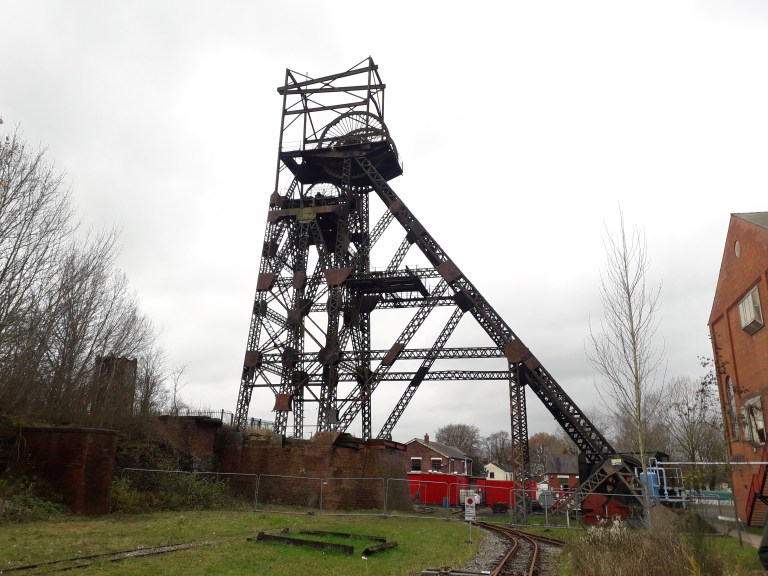
The Headgear at the Lancashire Mining Museum (Astley Pit). Image copyright Dr Michael Nevell.

F-Pit Museum, Washington, Due for £2.2 Million Upgrade

Sunderland City Council is seeking to appoint a design team for a £2.2 million upgrade of Washington’s F-Pit Museum. Following a consultation on regeneration plans for Washington F-Pit Museum and Albany Park in 2022, the Council has now developed a draft outline Masterplan for improvements to the Park and a concept sketch proposals for a new Heritage Centre and Café to enhance the heritage offer and visitor appeal of this unique site for residents and visitors.

The successful architect-led multi-disciplinary design team will oversee the details of the upgrade. Due for completion in 2027, the project aims to boost visitor numbers to the museum and to secure a ‘viable and sustainable long-term future’ for the site, drawing new visitors to Washington and Sunderland. The museum is currently on Historic England’s Heritage At Risk Register and only receives around 1,000 visitors a year

The F-Pit Engine House and attached headgear are a Scheduled Ancient Monument, and are the only surviving structures of New Washington Colliery. The Engine House was presented by the National Coal Board to the people of Washington as a monument, following its closure in 1968, and it has operated as a Museum since 1976. Albany Park was formed from land reclaimed from the former colliery.

Further details here: https://www.sunderland.gov.uk/fpit-albany-park?ccp=true

Washington F-Pit, Sunderland. Image courtesy of Sunderland City Council.