Welcome to the Industrial Heritage Networks and Support website. This site is maintained and updated by the Ironbridge Gorge Museum Trust who run the project and the networks. We aim to support industrial heritage in England through networking, information exchange, guidance, and training. Please explore the website and please contribute! For more information you can … Read more Welcome to the IHNs website!
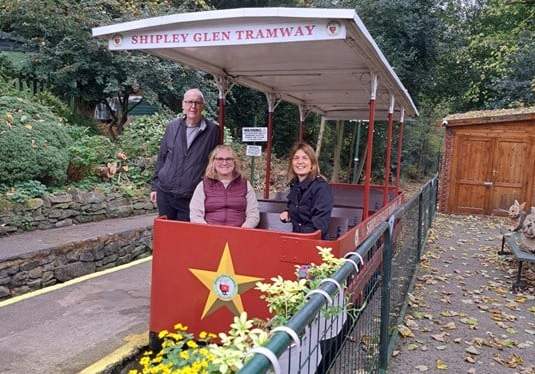
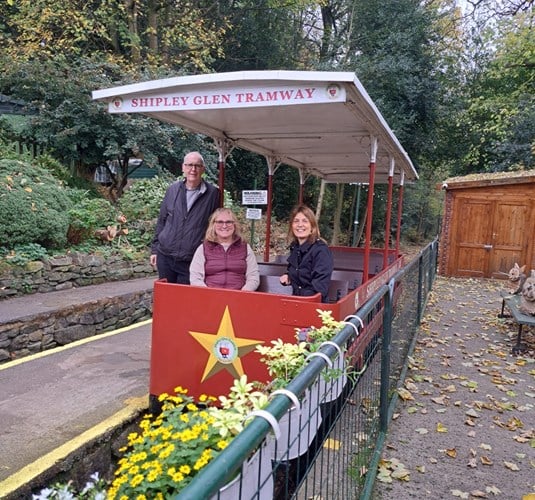
The Shipley Glen Tramway, near Saltaire in West Yorkshire, is launching a fundraising appeal for £89,000, to pay for vital repairs to the trackway after prolonged damage by the weather. It opened in 1895 linking Baildon with Saltaire and is Britain’s oldest working cable tramway. The tramway has two tracks and a pair of tram cars and runs every Sunday between midday and 16:00.
The site has been run by a charitable trust since 2002. Trustee John Pitcher, speaking to the BBC, said that the electrically-powered funicular had been assessed as safe to continue to operate. However, for the works to be carried out it would have to be temporarily closed. “What has happened, over the years, is that the damp has washed away underneath the tracks actually into the track bed, so the track bed is now a little bit unstable. Over the years we’ve maintained it, and you can stick patches on for so long, but there comes a time when you need a little bit more than an Elastoplast.”
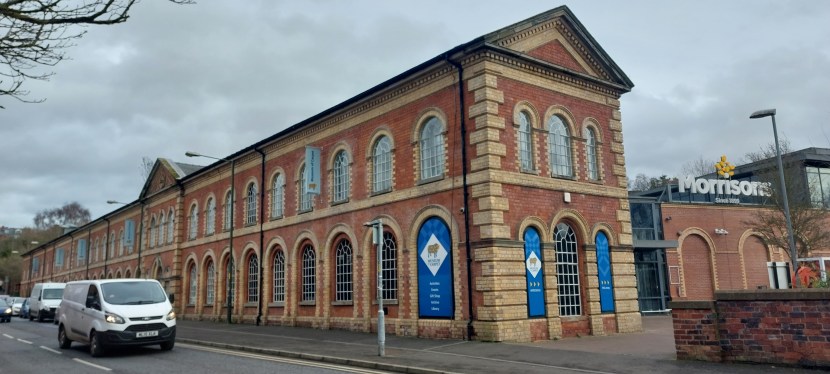
The Museum of Carpet in Kidderminster has announced that it will close on the 20th December 2025. The announcement earlier this month by the Chair of the Board of Trustees of the Carpet Museum Trust, adds another industrial heritage site in England to the closure list for 2025. For the Museum of Carpet, this was the culmination of a several years of rising energy prices, maintenance costs, loss of tenants, and reduced footfall.
The Kidderminster carpet museum is the latest industrial site to announce its closure in 2025. Other museums and heritage sites to close this year, or announce imminent closure, include Alford Windmill, Cannock Chase Mining Museum, Castleton Museum, Otterburne Textile Mill, and the Walsall Leather Museum.
“It is with deep regret that the Carpet Museum Trust announces the closure of the Museum of Carpet, Stour Vale Mill, Kidderminster, on the 20th December 2025. After 13 years serving the public as a centre of learning, culture and heritage the museum has, like many similar institutions, faced significant financial challenges in recent years.
Despite the dedication of staff, volunteers, Friends, Trustees, Corporate Partners and supporters the combination of rising energy prices, maintenance costs, loss of tenants and reduced footfall have made it unsustainable to continue operations at its present site. Efforts to secure additional long term funding have been explored extensively with the help of Museums Development Midlands and the Arts Council. Unfortunately, no sustainable solutions have been found to overcome these financial challenges.
The Carpet Museum Trust, will continue to be responsible for the management of its archives, displays and collections. Arrangements are being made to preserve and relocate the Museum’s collection for future generations as necessary and they will be made public once details are finalized .In the meantime access to these collections and archive will remain a priority for the Trust – please make enquiries via email to collections@museumofcarpet.org.uk
If you feel you are able to help or assist in any way please get in touch with me as below. In the meantime up to December 20th we hope that the people of Kidderminster and Wyre Forest will take the opportunity to show their support and appreciation of what we have accomplished by visiting us along with their families.
Geoffrey Gilbert.
Chair of the Board of Trustees, Carpet Museum Trust
Email. gilberga51@gmail.com”
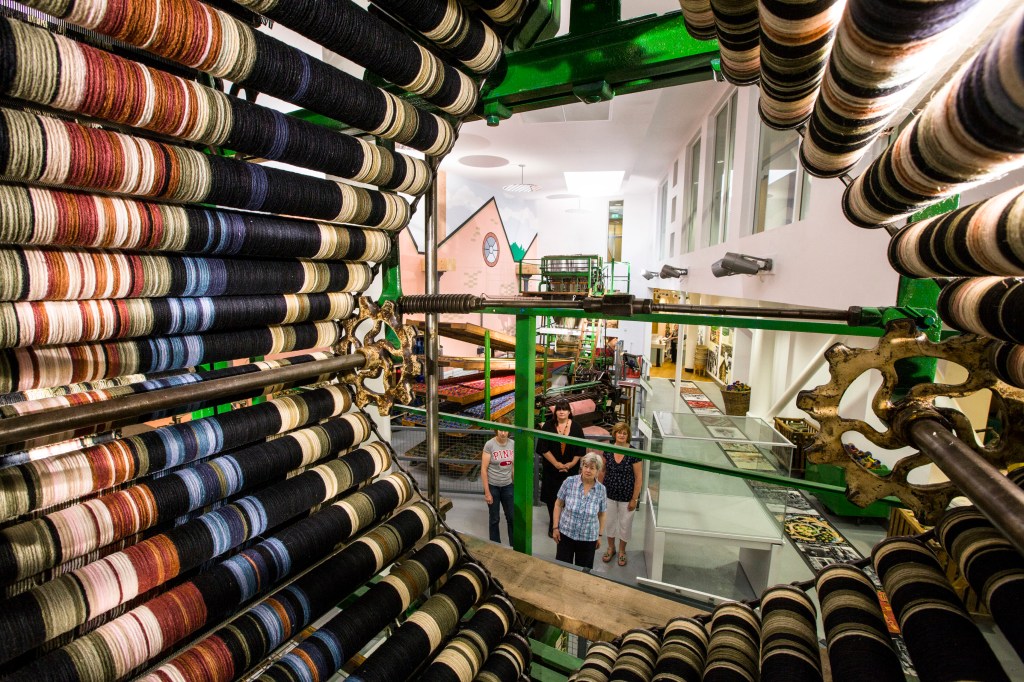
Kidderminster Museum of Carpet staff, volunteers, and weaving machine. Image coursey of Museum of Carpet.
The World of Glass Museum in St Helens has been saved from closure, ahead of its 25th anniversary year in 2026. The museum was facing a combination of increasing competition for funding across the charity sector, and a steep rise in annual running costs which threatened its immediate future (see blog 2nd July). In response the museum launched an emergency funding appeal.
The Museum reported that a crowdfunding appeal had raised £27,000, and in addition they had received generous support from local firms, grant funders, and community fundraisers. This has brought the total of funds raised to £87,000. Sarah Taylor, World of Glass chief executive, said: “This support has been so inspiring….We’re breathing a huge sigh of relief. Thanks to this funding, we can plan for the future with confidence. We are proud to be a free museum, committed to sharing art, history, and culture with everyone — regardless of background or income.”
The Mills Archive Trust has been successful in acquiring funding from the National Archives ‘Archives Revealed’ programme to help them catalogue and promote their millwrighting records.
‘The Wright Records’, project is part of The Mills Archive Trust’s broader ‘Caring for an Icon’ programme, and will see work being carried out on four key millwrighting collections which still need significant work. These are: the collection of mills historian Rex Wailes; the collection of Vincent Pargeter, millwright; material from building conservationists Owlswirth IJP; and material from millwright Luke Bonwick.
Caring for these collections is a core part of the Trust’s efforts to help ensure the survival of the craft of millwrighting and will serve as a teaching resource, offering models of millwrighting solutions where no direct records exist. Mills Archive Trust Director, Elizabeth Bartram, said: “Caring for windmills and watermills is a key theme within the collections and activities of the Trust. This funding will go a long way in helping us address the needs of a range of people, not least those involved in the care and repair of these iconic structures. We are grateful for this support and are excited to start work on this innovative project”.
The Mills Archive Trust need your help locating the records of past millers and millwrights, preserving them in their archive, and making them accessible to modern craftsmen. With this in mind they have launched a new crowd funding appeal – ‘Caring for an Icon’.
The Trust are looking to preserving these records in their archive and make them accessible to modern craftsmen, thereby helping to train the next generation. In order to do that they need to raise significant sums to safe guard the future of these archives.
The Mills Archive Trust is the custodian of the history of mills and milling. They safeguard the stories, skills, and traditions that mills embody. This expertise allows the Trust to protect, interpret, and open access to this rich history. Mills shaped the foundations of the modern world, and the Trust ensure’s that their legacy continues to inspire.
A millwright at work. Image courtesy of Mills Archive Trust.
The World of Glass (based around the 19th century Hotties furnaces) celebrates its 25th anniversary this year, but its immediate future is underthreat. The St Helens’ based industrial heritage attraction has launched an emergency funding campaign with the aim of raising £50,000 over the next three months.
The museum and art gallery is facing a combination of increasing competition for funding across the charity sector, and a steep rise in annual running costs.
Its closure would be a great blow to the town, not least because in 2026 the International Festival of Glass (ifg.org.uk) will be hosted in St Helens for the very first time. The Glass Art Society (GAS) (Glass Art Society – Glass Art Society) has invited The World of Glass to partner with them to deliver the International Festival of Glass and the British Glass Biennale in 2026.
The museum has welcomed over 1 million visitors since opening in 2000 and serves thousands of local schoolchildren each year. It’s an independent charity that offers free cultural and education experiences including historic furnaces, hands-on exhibits, and live glassblowing. It is home to the town’s library, community spaces, interactive galleries, meeting rooms, a café, shop, and live glass blowing demonstrations. The site also includes one of the finest examples of a regenerative furnace in England, the Grade II* listed Tank House No. 9, a Scheduled Monument.
The World of Glass is open Wed-Sun and Bank Holidays, 10-4pm. Entry is free, but with a recommended donation of £3. There is free parking on Sundays and Bank Holidays.
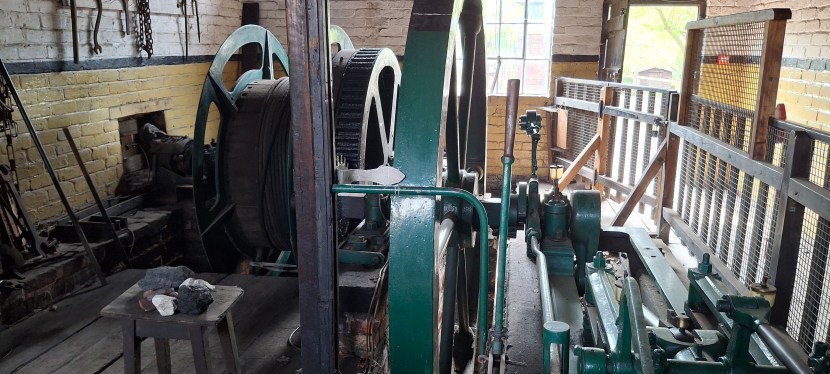
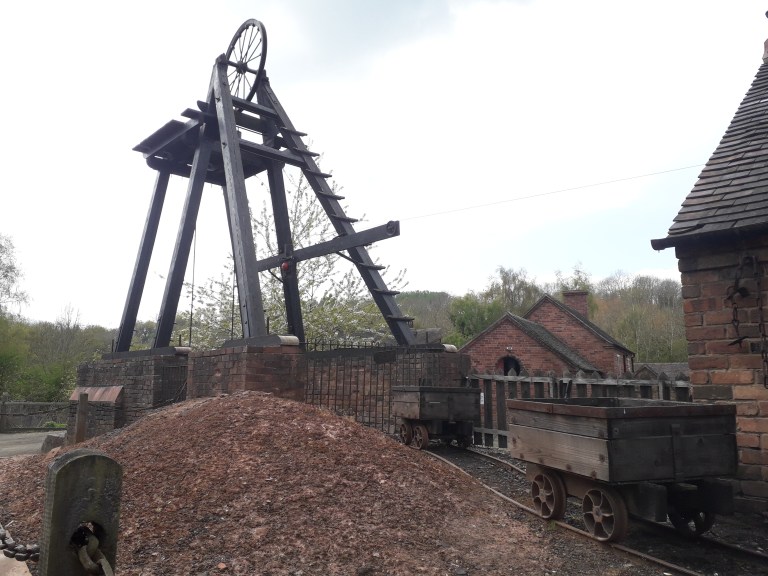
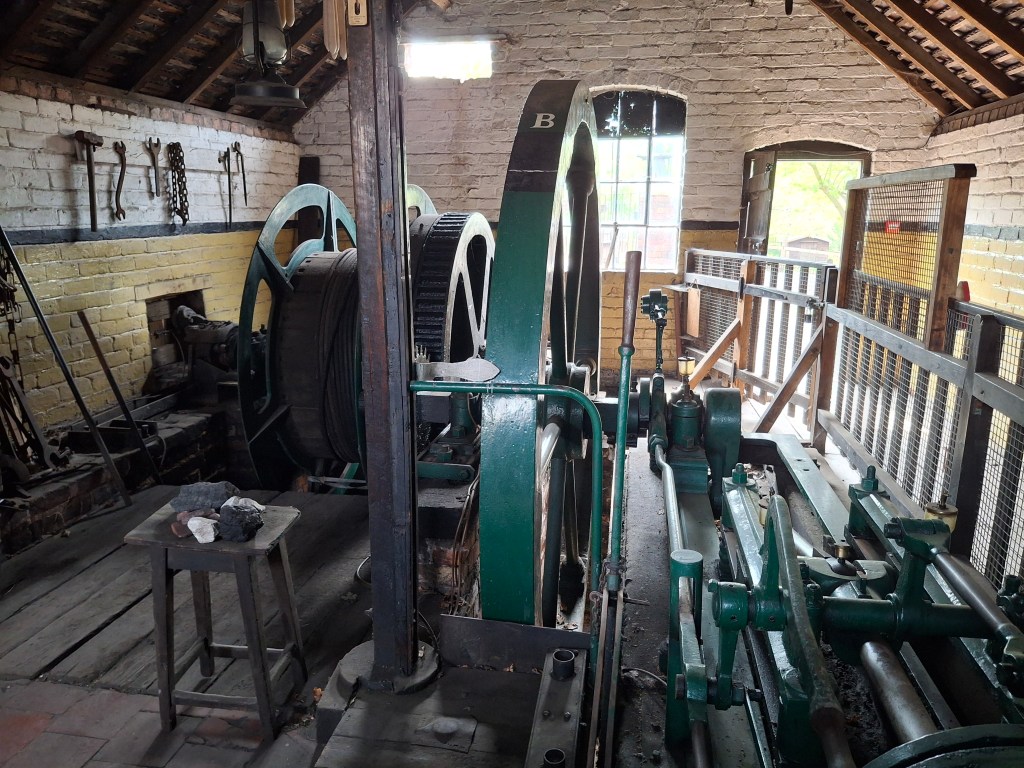
The Winding Engine at Blists Hill Victorian Town is one of the Ironbridge Gorge Museum Trust’s earliest and most significant exhibits. One of the very few preserved steam winding engines – and of even fewer able to wind up and down a historic mine shaft – it has been out of action since 2018. To repair and restore this machinery will cost £100,000. A fudn was setup in 2024 to raise this amount, and it has recently recieved a genrous donation from the 29th May 1961 Charitable Trust.
Winding head gear at Blists Hill, Ironbridge. Image copyright Dr Michael Nevell.
When it is working, the Winding Engine exhibit can bring the sounds, smells and sights of a working engine to life for our visitors. It helps us tell the story of the men, women and children who worked in Shropshire mines and the daily dangers they faced. It also demonstrates a vital feature of mining and the development of mining and engineering during the Industrial Revolution.
The phased plan for work will see the pit head, boiler house, and engine house refurbished, the mine shaft inspected and cage refit. The work will primarily be carried out by IGMT’s Steam Team, expert volunteers, supported by our Steam Engineer and outside contractors.
More money still needs to be raised, so if you would like to contribute to getting the engine winding again follow this link:
As part of increasing access to the Bennerley Viaduct and its surrounding environment, the Friends group want to build a new footbridge over the River Erewash. They also want to secure the riverbank to prevent its erosion. The Friends already have support from a variety of funders for this project, but need to raise the rest of the amount needed to build the new footbridge bridge.
All the monies raised will go towards to providing the materials for the bridge and river erosion works, which will involve supportive sustainable material used to protect the bank from erosion. They are planning to use local volunteers and students from the University of Kent to help build the footbridge. This new bridge will provide an important access route to the structure and its surrounding environment, so people can enjoy this hidden gem from top to bottom.
The Friends of Bennerley Viaduct were formed in 2019 as a community charity to help save and make accessible the Bennerley Viaduct and its surrounding environment. The Bennerley Viaduct is a Grade II* listed former Railway Viaduct sandwiched between the Nottinghamshire and Derbyshire near the towns of Kimberley and Ilkeston.
Arts Council England (ACE) want to hear from anyone who has an interest in, or a view about, the operation of the Arts Council England and what it delivers, by completing the ACE Review survey. The Review is an opportunity for a national conversation about the future of Arts Council England and how creativity is nurtured and developed.
Over the years ACE has supported many industrial heritage museums and sites, and continues to be an important source of support for the Industrial Heritage sector, from lcoal authority sites to independent museums.
The survey is one part of that conversation and will enable a broad range of people to share their views and ideas. It is an essential part of the evidence collection for this Review. The survey starts with a profile section consisting of up to 10 questions. The remaining questions are optional, consisting of 32 questions across 6 themed sections.
Arts Council England (ACE) has opened a new £20 million fund to support local authority museums. ACE have also published the timetable for Museum Estate Development Fund (MEND) Round five.
The Museum Renewal Fund targets museums owned and directly maintained by local authority funding, or with a governance link to a local authority. The programme is intended to help museums meet the shortfall between operating costs and income throughout their 2025-26 budget, where the shortfall results in reduced programming, footfall, and days open to the public.
Museums can apply for a minimum of £10,000 up to a maximum of £1million. The application deadline is 22 May with outcomes expected by 26 June latest. The funding period runs from August 4 to 31 January 2026.
ACE have also released the timetable of Round 5 of the Museum Estate Development Fund (MEND). This capital fund targets non-national Accredited museums and local authorities based in England. It covers funding to undertake vital infrastructure and urgent maintenance backlogs which are beyond the scope of day-to-day maintenance budgets.
The total fund is worth £25million and grants range from £50,000 to £5million. Expressions of Interest for Round 5 open at 9am on Monday 12 May 2025 with a deadline of Thursday 5 June.










 Industrial Heritage Networks