Tees Valley Museums Consortium Win ‘Best Museum Youth Group’ in Kids Family Friendly Museum Awards 2024

Tees Valley Museums Consortium has won one of this year’s ‘Kids in Museums’ awards for Best Museum Youth Group. The consortium’s Young People initiatives include their Young Producers strand. These are a group of 16-25 year olds who have a say and plan events and exhibitions at their museums. They currently have two active Young Producers groups – based at Hartlepool Art Gallery and Preston Park Museum. Further Young Producers are planned for the Stockton and Darlington Railway route and in Middlesbrough.

The Tees Valley Museums Consortium consists of the museum services of Stockton-on-Tees, Darlington, Hartlepool, Middlesbrough and Redcar & Cleveland. It was formed in 2017 to develop collaborative working for the purpose of delivering better services to the public. The five museum services of Tees Valley Museums Consortium hold extensive collections of art, archaeology, social, industrial and maritime history, as well as a wide array of world cultures. The museums work together to promote pride in the history of the Tees Valley.

Kids in Museums is an award-winning charity dedicated to making museums open and welcoming to all children, young people, and families. They support and champion family friendly organisations through wide-ranging initiatives, including the Family Friendly Museum Awards and Takeover Day. They invite heritage organisations to sign up to their Manifesto, which sets out simple guidelines for making museums easy to reach for all ages. For further details visit their website: www.kidsinmuseums.org.uk

For more details about the Tees Valley Museums Consortium and their Young People initiatives follow this link: https://teesvalleymuseums.org/young-people/

Booking Open for Devizes Industrial Archaeology Conference, 26th October 2024

Booking is now open for the 2024 Devizes Industrial Archaeology Conference.  It will be held on the 26th October at Devizes Town Hall (SN10 1BZt) and the theme will be the agricultural industrial heritage of the region.

The programme includes talks on:

Milk, Butter, cheese and churns from the farm to the table, by Mike Stone

Steam Ploughing in Wiltshire, by Doug Roseaman

Early Agricultural Engineers in Wiltshire, by Dr Tony Pratt

Farm Buildings, Construction and Use in South Wiltshire, by Tim Mayhew

Agricultural landscapes in Art and Film, by Mike Stone

Further details and booking can be found ont eh Wiltshire Museum website at – https://www.wiltshiremuseum.org.uk/?event=conference-industrial-archaeology-2024&event_date=2024-10-26

Calderdale Industrial Museum Launchs ‘Full Steam Ahead’ Appeal

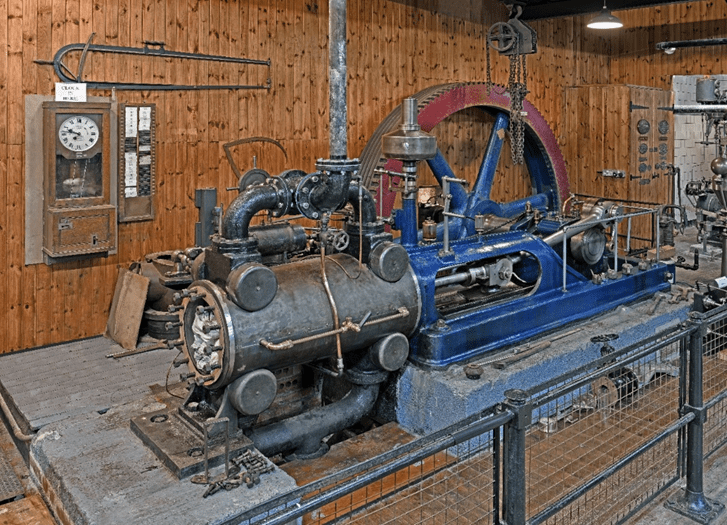
Calderdale Industrial Museum is working to bring life back to its beautiful steam engines and is seeking to raise funds to complete this exciting steam project. These engines include the early beam engine, the vertical steam engine, the Newton Bean and Mitchell horizontal engine, and the Belliss & Morcom twin cylinder steam generator set. Using steam to power these engines again will add a fantastic dimension to the visitor experience at the museum.

The museum has been lucky to have some very generous support from individuals who have donated a considerable amount of money to help fund this, but they are now looking to widen their Appeal, as they still need to raise more money. With the launch of the ‘Full Steam Ahead Appeal’ they hope to raise the final amount of funding to complete the project, which will allow them to refurbish the engines, install a smaller, more efficient boiler and carry out the necessary safety and operation training.

If you would like to support the Appeal by donating, you can do this at the museum in person or on their website at  https://calderdaleindustrial.co.uk or you can contact the museum at manager@calderdaleindustrial.co.uk

Bringing steam back to the power gallery will be integral to showing how these amazing steam engines drove the development of the Industrial Revolution in this area. Visitors will be able to see how these magnificent workhorses powered the industry of Calderdale, and many could even enjoy specialist experiences and steam days, which will bring enthusiasts from around the country to this vibrant area of West Yorkshire. The introduction of steam to the museum should make a significant addition to the overall visitor experience, further cementing the museum’s place as a major contributor to local heritage and the economy and driving their efforts to reach a wider audience.

Calderdale Industrial Museum

Calderdale Industrial Museum, an Arts Council accredited museum, sits at the heart of the historical quarter of Halifax and makes a considerable contribution to the heritage engagement and economy of this region of West Yorkshire. It tells the story of how the industry of the past grew as a direct consequence of the particular physical landscape and ingenuity of its local people, resulting in the rich heritage and exciting story, relevant to the history of the Industrial Revolution in Great Britain.

Since the local authority had to close the museum due to a shortage of funds in 2000, local enthusiasts and industry specialists have fought hard to save this nationally and regionally significant collection of industrial heritage. From the museum’s re-opening in 2017, this group of enthusiasts has continued to grow and now works hard to bring their combined knowledge and experience to deliver one of our region’s most popular visitor attractions. Sitting next to Halifax’s amazing and unique Piece Hall, the museum is central to telling this story of the town of one hundred trades. The museum is now run for the most part by this unpaid volunteer workforce, with all maintenance and conservation work funded by open day takings. Any special projects require additional funding sourced from a wide range of donors.

It has always been the ambition of these dedicated volunteers to bring life back to as many of the collections machines as possible. Work has been going on in many areas of the museum to show looms, sock knitting machines, and many of the worsted industry machines, in working order.

For more information you can visit the museum’s  website https://calderdaleindustrial.co.uk . or you can contact the museum at marketing@calderdaleindustrial.co.uk or ring 01422 384721

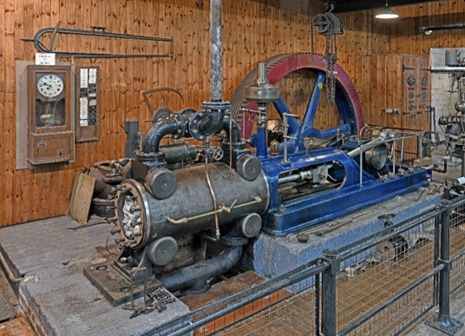
The Horizontal Newton Bean and Mitchell Engine known as Enid part way through restoration and recommissioning. This is just one of the engines that fill soon be powered by steam. Image copyright Calder Industrial Museum.

2024 Archaeological Achievement Awards Nominations Open

Nominations are now open for the 2024 Archaeological Achievement Awards. They celebrate excellence in archaeology by awarding a project or individual for the following categories:

  •  Archaeology and Sustainability
  • Early Career Archaeologist
  •  Engagement and Participation
  •  Learning, Training and Skills
  •  Public dissemination or Presentation

You can nominate through the Council for British Archaeology’s webiste via the link here. Past winners have included industrial archaoelogy and heritage sites, and volunteers. The deadline for nominations is 12.00pm, Wednesday 25 September 2024.    

The Council for British Archaeology (CBA) is a leading educational charity dedicated to championing and promoting engagement in archaeology and supporting grassroots archaeologists across the UK. Established in 1944, they have a long history of championing public participation in archaeology (including industrial archaeology), aiming to connect diverse communities with the heritage of our shared past. To find out more follow this link: https://www.archaeologyuk.org/about-us.html

Heritage Open Days 2024: Hundreds of Industrial Heritage Sites Open

The 2024 edition of Heritage Open Days takes place from the 6th to the 15th September. Billed as England’s largest festival of history and culture, thousands of local volunteers and organisations are opening more than 1500 sites for free to the public. This year’s event includes more than 230 industrial heritage sites in England.

More industrial heritage sites than ever before are offering free access to their sites and professional and volunteers expertise, under this year’s theme of ‘routes, networks, and connections’. This includes over 70 transport sites, more than 50 chemical, extractive and metal working sites, over 30 water-powered corn mills, over 30 maritime and utility sites, more than 20 wind mills, and over than 20 textile sites.

Heritage Open Days are a chance for the public to explore England’s rich heritage, and the peopel involved in preserving and presenting it, with over 2,000+ organisers arranging events. To search for an industrial heritage site open during the festival, follow this link: Heritage Open Days.

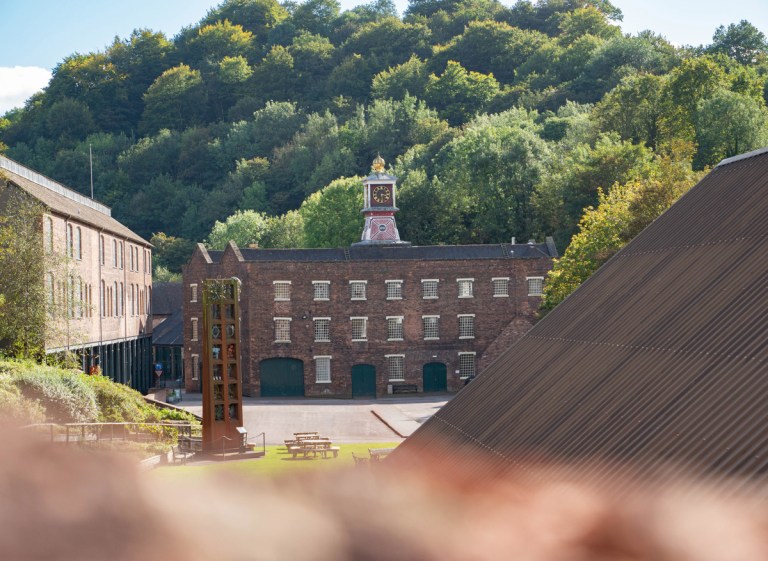
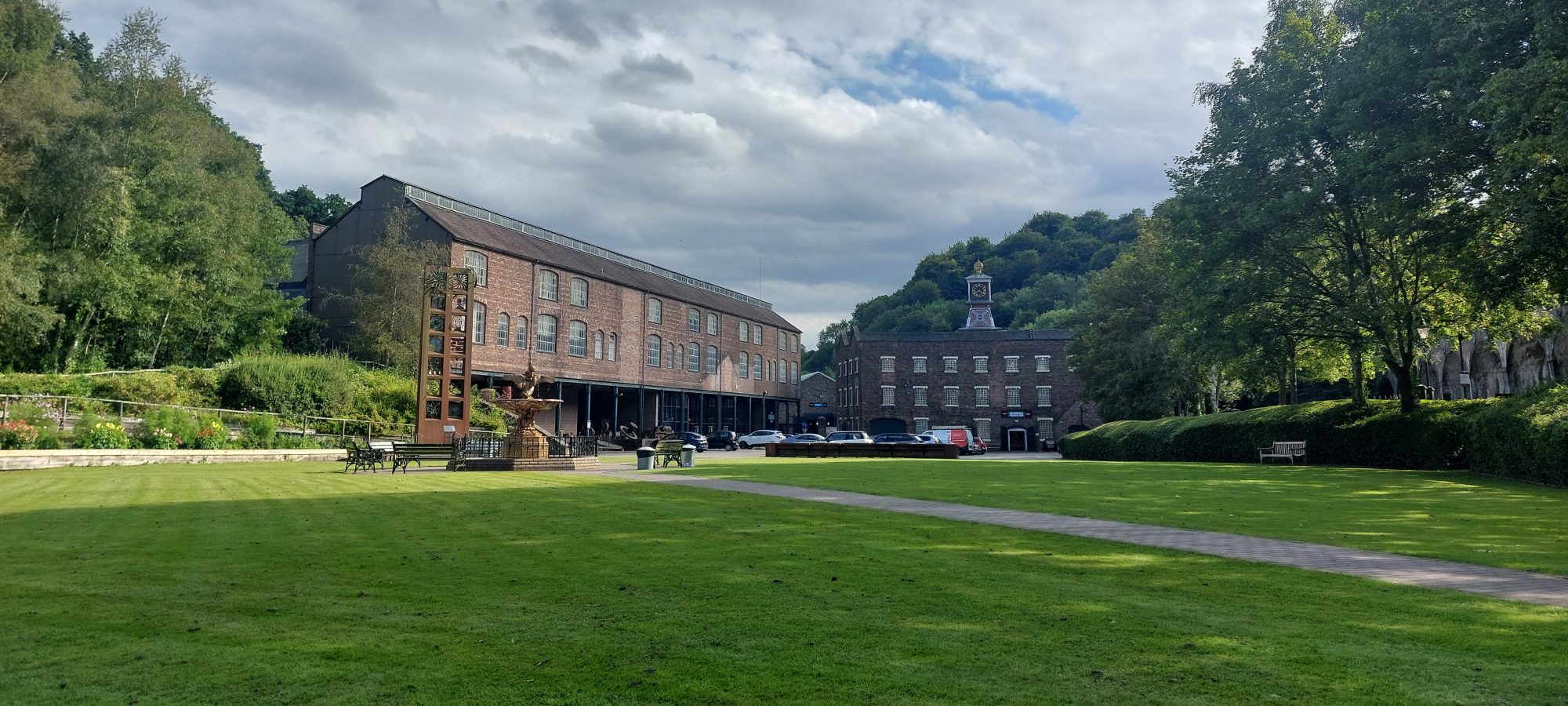
The Coalbrookdale Museum is one of the sites taking part in 2024. Access is open for free on the 7th & 8th September.

‘Scuttled’: New Audio Drama To Be Launched Based on the Archaeology Excavations of Rochdale Canal Barges

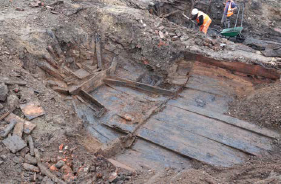
The excavation of the stern of Boat A at the Rochdale Canal Basin, October 2022. Image courtesy of MOLA.

An audio drama based on archival research and excavations of 19th century barges in the Rochdale Canal basin, and starring Christopher Eccleston & Joyce Branagh, is to be launched on the 4th September 2024. Five northern writers collaborated with the Museum of London Archaeology (MOLA) and North West production company Bamalam CIC to produce a professional audio drama entitled ‘Scuttled’ as 5×30 minute episodes. It tells the story of a single family living and working on the Rochdale Canal between 1840 and 1922.

‘Scuttled’ was produced by Bamalam Productions and one of the archaeologists involved in the dig, Kelly Griffiths. It is written by Ian Winterton with Neil Bell, Isabel Hague, Janine Lanek, Katie Moore and Paul Rigby, with input from Rochdale Local Studies and the children of St Edward’s School, Rochdale.

The drama is based upon the excavation of the Rochdale Canal basin undertaken in October 2022 by MOLA, ahead of redevelopment works. The partial remains of six vessels were excavated in the canal basin, with two types present; Mersey Flat Type flat dumb barges and a composite iron and wooden framed pontoon or float. The flats dated from the mid-19th century with the float likely from a later date. The vessels were abandoned in 1921 when the Rochdale Canal Company ceased to trade. The site demonstrated how vessels at the end of their life were abandoned and likely exploited for reusable parts.

The link to episode one is here: https://audioboom.com/posts/8564866-scuttled-episode-one

For more details on the project and drama, follow this link: https://www.mola.org.uk/get-involved/iaa-grants/creative-residencies/scuttled-life-rochdale-canal

The Canals and Waterways of Lancashire Day School, November 2024

The Lancashire Local History Federation, with the Leeds & Liverpool Canal Society, are running a day school on the 2nd November on theme ‘The canals and waterways of Lancashire’. This is to celebrate the 250th anniversary of the opening of the first section of the Leeds and Liverpool Canal from Parbold to Wigan.

Talks on the day will cover the historical importance of Lancashire’s industrial waterways, the construction of the Leeds & Liverpool Canal, the Douglas Navigation, canal traffic and traders, and the Lancaster Canal. The Day School will be held at the Preston Masonic Hall in Preston, Lancashire, from 10am to 4pm.

The booking form is below, or you can email the Day School organiser here: elizoelaw@gmail.com

SERIAC 2024 Conference Now Booking

The 2024 South East Regional Industrial Archaeology Conference (SERIAC) is being held on the 12th October at Chichester College. SERIAC is an association of Industrial Archaeology and related societies based in the South East of England. Since 1983, a member society has organised an annual day conference.

This year’s event is being hosted by the Sussex Industrial Archaeology Society. The one day conference will include talks on: railways to Chichester; Portsmouth Dockyard; and the Bursledon Brickworks. There will also be a post-conference walk around Chichester’s canal basin.

Book online here: https://www.ticketsource.co.uk/seriac2024

Further details about the day can be found here: www.sussexias.co.uk/seriac2024

Industrial Heritage Themed HE Research Magazine Published

The latest online issue of Historic England’s Research Magazine contains a number of articles on industrial heritage. Shane Gould, Historic England’s Head of Industrial Heritage Strategy, introduces Issue 26 of Historic England Research Magazine, which explores aspects of industrial heritage, as well as Palaeolithic landscapes, and the relationship between intertidal heritage and biodiversity.

The industrial heritage and archaeology articles are by authors who have recently had titles published by Historic England and Liverpool University. These are papers on the Soho Manufactory, Mint and Foundry in the West Midlands by George Demidowicz; steam-powered water and sewage works by James Douet; the built environment in Lancashire’s historic textile areas by Geoff Timmins; and oasts kilns, hop kilns, and maltings by Amber Patrick. They showcase Historic England’s strong and continuing record in undertaking research, and preparing advice, guidance and publications on England’s industrial heritage.

To read this latest issue follow this link: https://historicengland.org.uk/whats-new/research/introduction-to-issue-26/ Earlier issues can also be downloaded from the HE website.

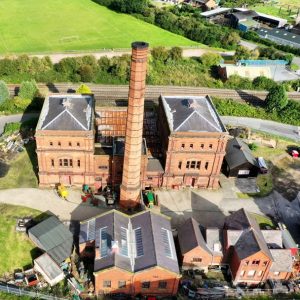
Sandfields Pumping Station Engine Appeal

The Lichfield Waterworks Trust has launched an online appeal to restore the magnificent Cornish Pumping Engine at Sandfields Pumping Station. The engine is currently seized solid after not moving for many decades. However, whilst the Lichfield Waterworks Trust have the expertice to to repair the engine they need money for materials and a means to move the engine.

Lichfield Waterworks Trust is a group of volunteers dedicated to preserving Sandfields Pumping Station with its fascinating history and unique Victorian Pumping Engine. The Trust aims to open access to the Sandfields Pumping Station for public use, including education, arts performance, and community development. At the heart of this public access will be the pumping engine. This engine is one of only four left in the entire country. Built by Jonah & George Davies in Tipton and installed in 1873, it worked for 50 years, pumping clean water to the Black Country during the Industrial Revolution to help eradicate Cholera. The engine was taken out of service in 1927 and has not moved for almost 100 years. 

You can help them restore the engine by donating through their Crowdfunder page by following this link:

https://www.crowdfunder.co.uk/p/lichfield-waterworks-trust-1160876