Welcome to the Industrial Heritage Networks and Support website. This site is maintained and updated by the Ironbridge Gorge Museum Trust who run the project and the networks. We aim to support industrial heritage in England through networking, information exchange, guidance, and training. Please explore the website and please contribute! For more information you can … Read more Welcome to the IHNs website!
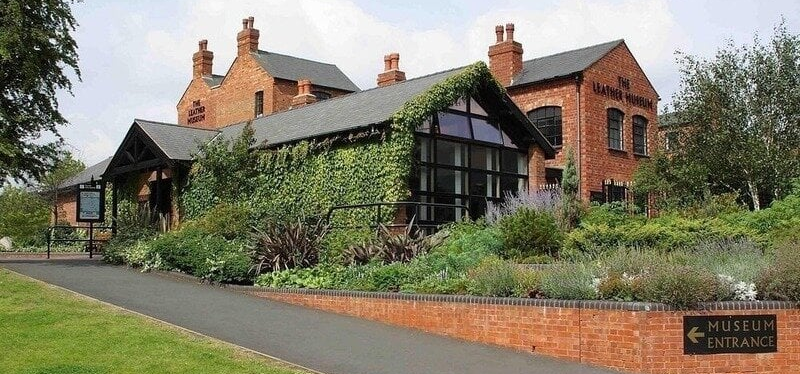
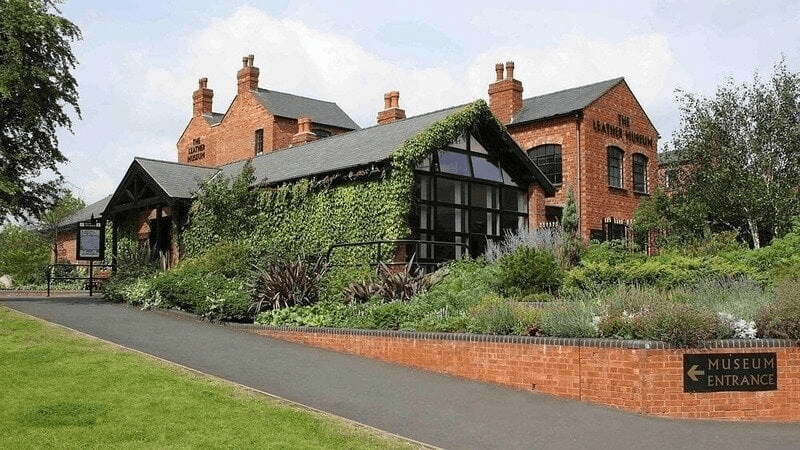
A campaign has been set up to persuade Walsall Council not to close the Walsall Leather Museum. In September Walsall Council announced that Walsall Leather Museum will close next year (2026), despite a stay of execution earlier this year. They have approved plans for finding and purchasing a new town centre building for the museum and to sell off the existing museum building, itself a former leather works in Littleton Street West, to the nearby Walsall College.
The petition, which was launched at the beginning of November, accuses the council of “silently stripping away a cherished historical community asset that belongs to all of us”, and adds that “this decision is being made behind closed doors, with no meaningful public consultation and no transparency about how or when these choices were or are made. They have no formal plans to provide an alternative building or protect the museum’s historic collections.”
If you were unable to join Historic England’s October 2025 industrial heritage webinar looking at the impact and legacy of our Stockton and Darlington Railway (S&DR) Heritage Action Zone, the recording is now available.
The free webinar explored the successes and challenges of the different strands of work undertaken, including designation, repair, re-use and community engagement, as well as looking at the project’s legacy, and the long-term future of the line. To watch the seminar follow this link: https://vimeo.com/1131317485/29e6719e55?share=copy&fl=sv&fe=ci.
New flood defences have been installed at Museum of Making, Derby. The protective barriers have been placed inside the old Silk Mill, now the Museum of Making, which was flooded by waters from the River Derwent to a depth of 0.7m during Storm Babet in 2023.
Alex Rock, director of commercial and operations at Derby Museums Trust, said “We’re delighted to add further protection to our building, and very grateful for the support of Derby City Council’s planning team and their engineering colleagues. Both departments have been crucial in securing the relevant permissions and funding from DEFRA for this work. It adds another layer of protection to two key operational areas, which means that should a flood event occur again – and it is worth bearing in mind that Storm Babet was forecast as a once-in-a-century event for Derby – then we’ll be able to shorten the period of closure. It protects the two areas of the ground floor that are most impacted by flood events.”
As part of Derby City Council’s ‘Our City Our River’ scheme, flood defences are also to be improved around the museum. Work is underway to demolsih disused office buildings on the eastern bank of the river, close to the museum, at Stuart Street and Phoenix Street. This will allow the construction of a new flood wall, floodgates, and a riverside green area to provide a controlled corridor for flood waters fromt eh River Derwent to pass through the city.
UK Heritage Pulse is running the second of two free online seminars on ‘AI in the Heritage Sector’ on Friday 7th November at 2pm. The first session explored the principles, opportunities, and risks of using artificial intelligence. If you weren’t able to attend, you can now watch the recording here.
The follow-up webinar on the 7th November will take a deeper look at practical applications of AI, sharing real-world examples and tips for the sector. To book your place follow this link: 🔗 Book your place here
You can also read Heritage Pulse’s recent report on the operational use of AI within the heritage sector here.
Heritage Pulse is a collaborative data and insight project for the UK’s heritage sector informing strategy, recovery, and reinvention. You can register for regular updates, or take part in their research, via this link: https://heritagepulse.insights-alliance.com/
There are still free places available for the next two Industrial Heritage Network meetings in November. These meetings are an opportunity to chat in-person with volunteer and professionals from a variety of industrial heritage sites in each region.
The Science Museum, London, has announced the receipt of an eight-figure donation from the world’s largest vaccine manufacturer. The Serum Institute of India, led by its CEO Adar Poonawalla, has donated at least £10m to the museum. The Serum Institute of India, founded in 1966, operates in more than 170 countries, and has delivered over 2 billion COVID-19 vaccine doses.The donation is the largest international donation in the museum’s history.
The museum said the capital will support the transformation of its twenty year old ‘Making the Modern World’ gallery into the ‘Ages of Invention: The Serum Institute Gallery’, set to re-open in 2028. The new gallery will “reflect current global concerns and scientific thinking”, and will be designed by Lawson Ward Studio, the architecture and design studio led by Hannah Lawson and Georgina Ward who were recently appointed as the gallery’s architect.
Sir Ian Blatchford, Director and Chief Executive of the Science Museum Group, said that “‘Through our ambitious new Ages of Invention: The Serum Institute Gallery we will create the most significant display of objects from the history of science anywhere in the world. Visitors will be able to journey through 250 years of innovation and explore the scientific ideas shaping our lives today.”
Mr. Adar Poonawalla, CEO of Serum Institute of India, said: “With this contribution, which will help in bringing in a transformation to this iconic space, we strive to inspire the future generations and celebrate the incredible journey of science that shapes our world.’’
Due to open in 2028, Ages of Invention: The Serum Institute Gallery will feature the most significant display of objects from the history of science, technology, and engineering anywhere in the world. From the rise of the industrialised world to the emergence of new scientific fields, this dramatic and engaging gallery will invite visitors to explore 250 years of innovation to discover the extraordinary objects, stories and people behind the scientific ideas that changed our lives. Significant objects set to feature in Ages of Invention: The Serum Institute Gallery include the telescope used by astronomer Caroline Herschel (1795); the world’s oldest surviving steam locomotive, Puffing Billy (1813–1814); J.J. Thomson’s cathode ray tube used in the discovery of the electron (1897); Tucker Sno-cat used in the Commonwealth Trans-Antarctica Expedition (1955), and Tracy, one of the first transgenic sheep (1990–97).
Historic England, with support from CIfA, are running a workshop on ‘How to write a carbon reduction plan’. Several dates are available with limited places on 30 October 2025, but further workshop places available on 17 and 26 November.
The workshop has been designed to support organisations, such as industrial heritage sites and museums, to build on their carbon footprint report by writing a basic plan for carbon reduction whilst also engaging with staff, volunteers, and visitors.
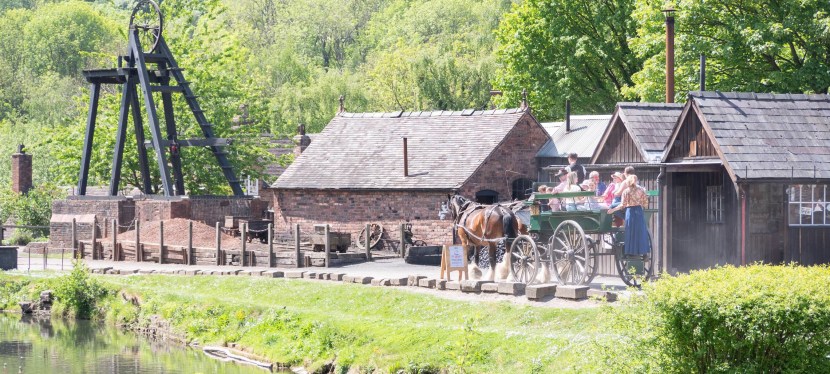
The Department for Digital, Culture, Media and Sport (DCMS) has announced (16 October 2025) that the National Trust will be taking over the Ironbridge Gorge Museums Trust in spring 2026, securing their future, with the aide of a £9 million Government grant from the ‘Plan for Change’ fund. The Museum Trust, formed in 1967 and within the Ironbridge Gorge UNESCO World Heritage Site, is one of the UK’s largest independent museums and the custodian of some of the nation’s most significant industrial heritage. Like many industrial heritage sites in England the Trust has been dealing with increased costs, climate change, and lower vistor numbers since the pandemic.
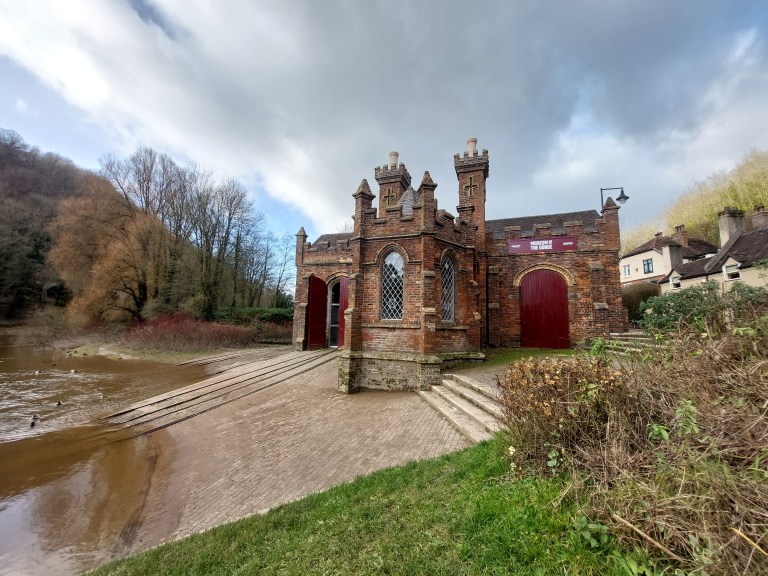
Museum of the Gorge. Image Copyright Dr Michael Nevell.
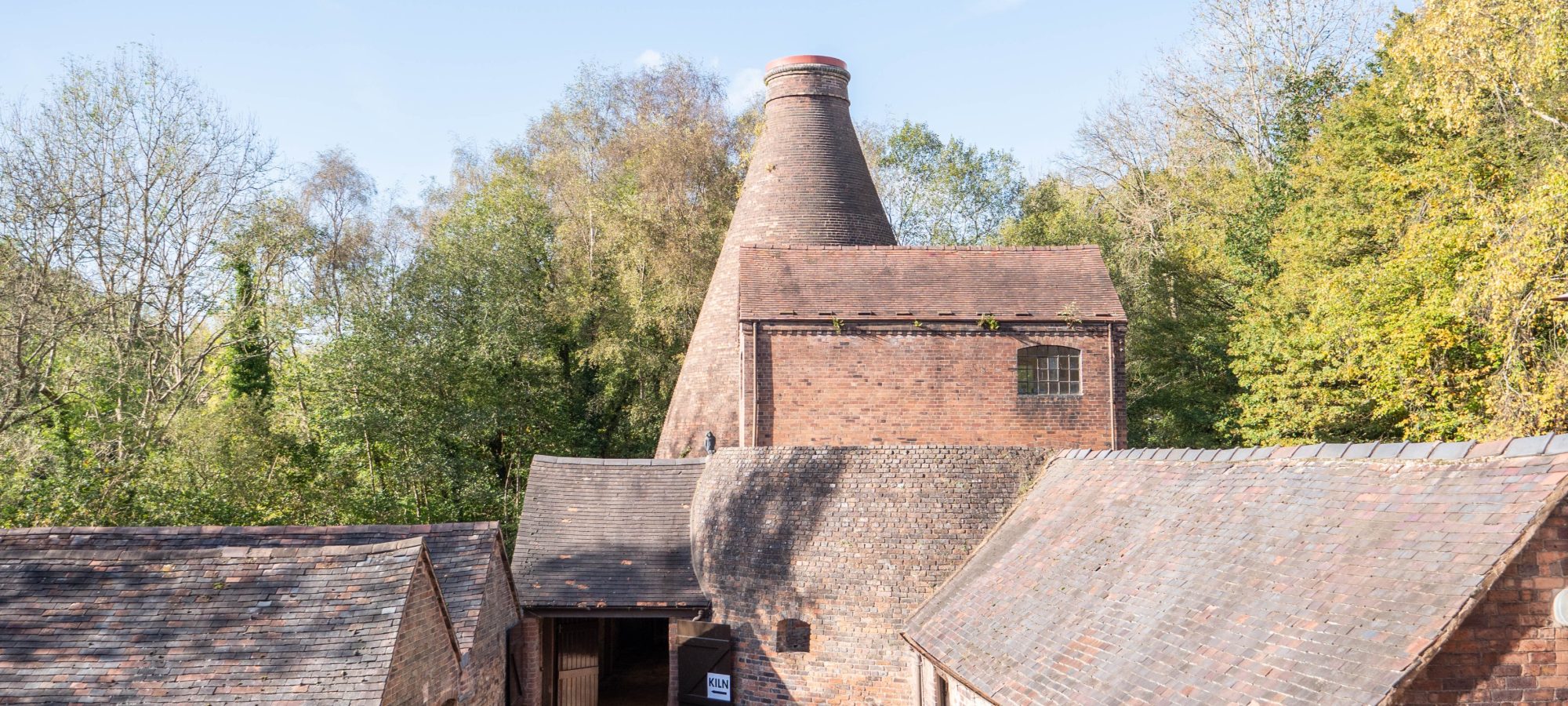
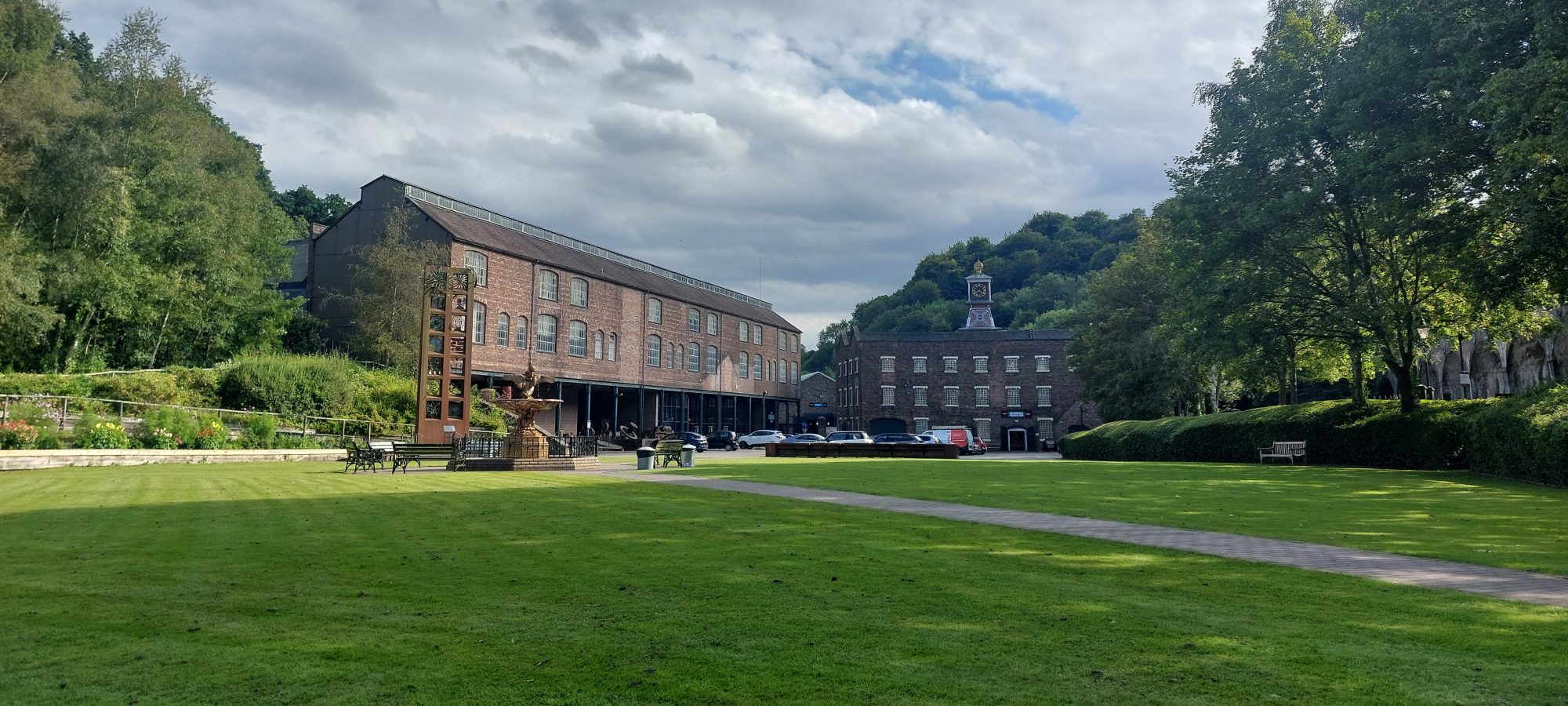
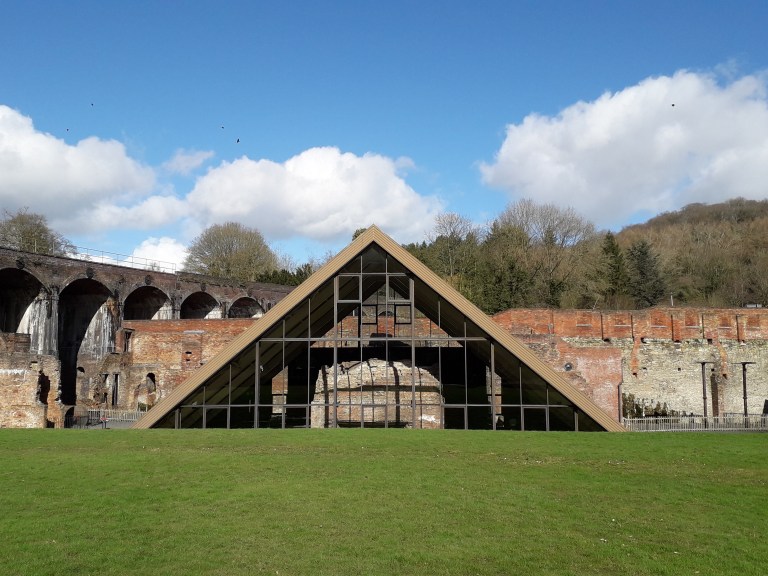
This funding will enable the transfer of the Ironbridge Gorge museums to the National Trust, securing the future of this internationally significant heritage site and ensuring continued access to Britain’s industrial heritage for hundreds of thousands of annual visitors. The Ironbridge Gorge was designated as one of Britain’s first UNESCO World Heritage Sites in 1986, recognising its pivotal role as the epicentre of 18th century world industrialisation. The site encompasses 10 museums (Blists Hill Victorian Town, Enginuity, Coalbrookdale Museum of Iron, the Old Furnace, the Darby houses, the Museum of the Gorge, the Ironbridge Tollhouse, the Tar Tunnel, Coalport China Museum, Jackfield Tile Museum and Broseley Pipeworks), and 35 listed heritage buildings and Scheduled Monuments, and attracts 330,000 visitors annually. Its Nationally Designated collection includes more than 400,000 objects, representing a rich and unique record of Britain’s industrial past.
Lisa Nandy, Secretary of State for the Department of Digital, Media, Culture and Sport, visited Abraham Darby I’s furnace and Coalbrookdale Museum to make the announcement. She stated that: “As the birthplace of the Industrial Revolution, it is absolutely vital that the museums in the Ironbridge Gorge are protected as a key heritage asset in this country and a significant contributor to jobs and the economy in the Shropshire area.” Speaking to the Shropshire Star on Thursaday she also noted that: “One of the first things that came across my desk in 2024 when we were first elected was Ironbridge. It has been struggling like every heritage site in the country with visitor numbers post pandemic, but it also takes a lot of funding to continue to invest and protect the condition of this incredibly important historic site….It was urgent. If we hadn’t intervened and formed this partnership with the National trust I think it is fair to say that people who grew up coming here as children would not be bringing their children and grandchildren here in future years. So we were determined we were going to step up and support this, and to back that with a financial down-payment of £9m to demonstrate our commitment not just to Ironbridge, which is one of the most important sites in the country but to our industrial heritage, because the history of this country is not just the history of kings and queens and stately homes, it is the story of the most extraordinary people the length and breadth of Britain, people’s parents and grandparents, ordinary people who powered this country, built our wealth and influence and shaped who we are today.”
Councillor Carolyn Healy, Telford & Wrekin Council’s Cabinet Member for Neighbourhoods, Planning & Sustainability, noted that: “This is a landmark moment for our Borough and for heritage conservation nationally. The Ironbridge Gorge Museum Trust, including the many local people who have worked for the trust over the years, has been an outstanding custodian of our industrial heritage.”
Hilary McGrady, Director General of the National Trust, said “The Ironbridge Gorge is widely regarded as the birthplace of the Industrial Revolution, which paved the way for the scientific and technological innovation that defines our world today. The site is an example of British ingenuity, a source of immense national and community pride and a distinct and much-loved icon of our shared heritage. I cannot think of something more at home in the National Trust’s care – an institution built to protect and preserve the things our nation loves on behalf of everyone, everywhere.”
Mark Pemberton, Chairman of the Board of Trustees for IGMT commented that, “We are incredibly pleased to have secured the long-term future of the Museum by its transfer to the National Trust. The £9m investment by DCMS is recognition of the global significance and national importance of Ironbridge. Ironbridge was important as the birthplace of industry and as a major tourist destination it now plays a part in the success of the local economy. Ensuring a smooth transition, and in particular supporting IGMT’s staff and volunteers throughout the transition period, is now our priority.”
The next in-person South West Industrial Heritage Network meeting will be held at Crofton Beam Engines on Friday 7th November, from 11am to 1pm. This will be followed, after lunch (please bring your own), by a tour of the site (2pm to 3pm). The themes for the 2025-26 IHN meetings are conservation and maintenance.
All IHN members and friends are very welcome to attend. To book a free place follow this link:
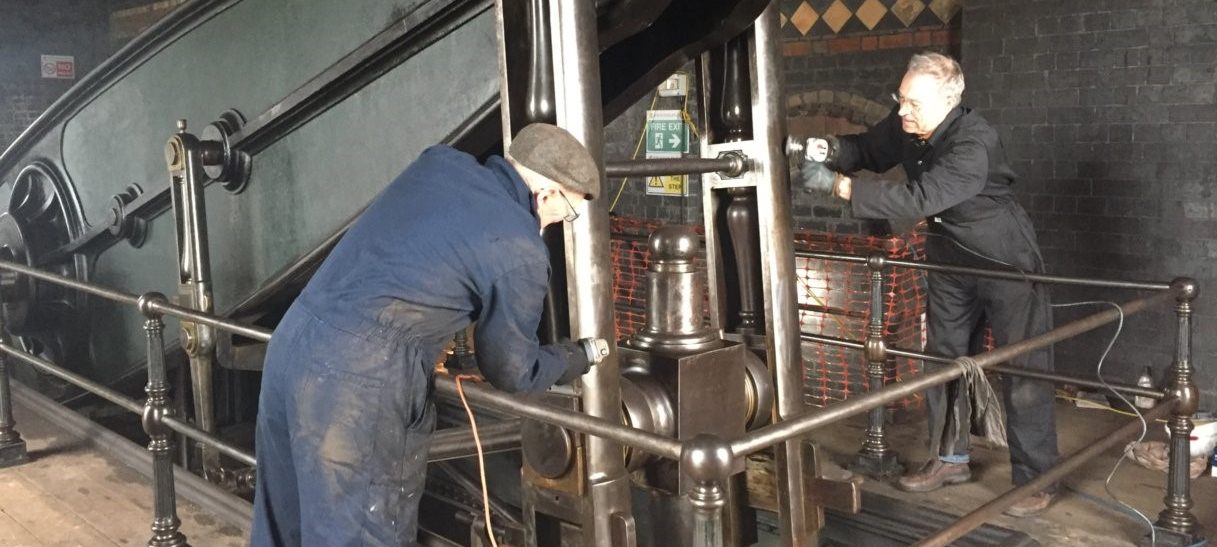
Crofton Beam Engines was built in 1807-9 to supply water to the highest point of the Kennet & Avon Canal which links London and Bristol. It is a rare survivor of the technology which enabled British engineers to drain mines and supply towns and cities with water throughout the world. For more details about the site follow this link: https://www.croftonbeamengines.org/about/
The next in-person Cornwall & Devon Industrial Heritage Network meeting will be held at Coldharbour Mill, Devon, on Thursday 6th November from 11am to 1pm. This will be followed, after lunch (there is a cafe on site), by a tour of the site (2pm to 3pm). The themes for the 2025-26 IHN meetings are conservation and maintenance.
All IHN members and friends are very welcome to attend. Follow the link below to book a free place.
Coldharbour Mill is a 200-year-old spinning mill in Uffculme, Devon. It was built by Thomas Fox to spin woollen and later worsted yarns in 1799. It opened as a museum in 1982, and has continued to produce high quality worsted knitting yarn on its period machinery. For more details about the mill follow this link: https://www.coldharbourmill.org.uk/






 Industrial Heritage Networks