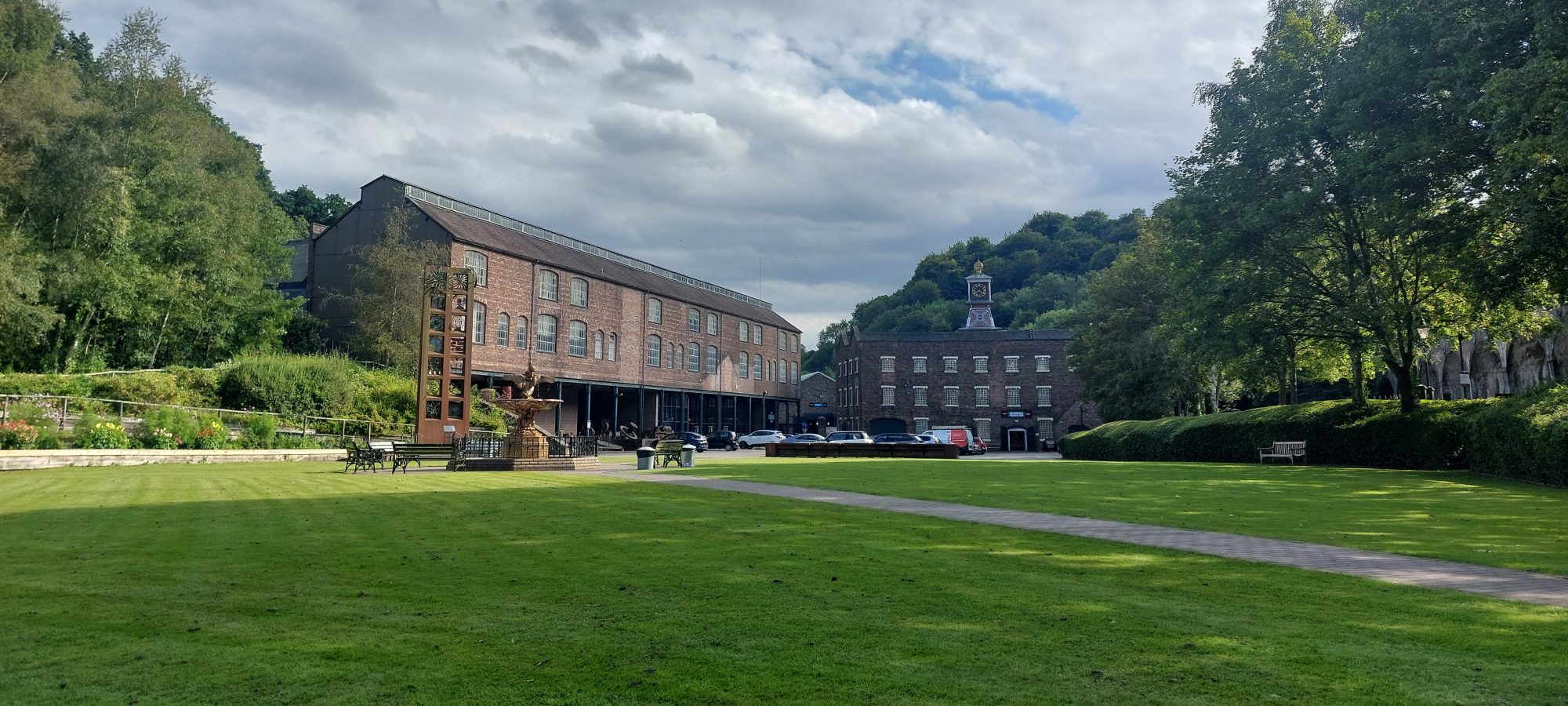
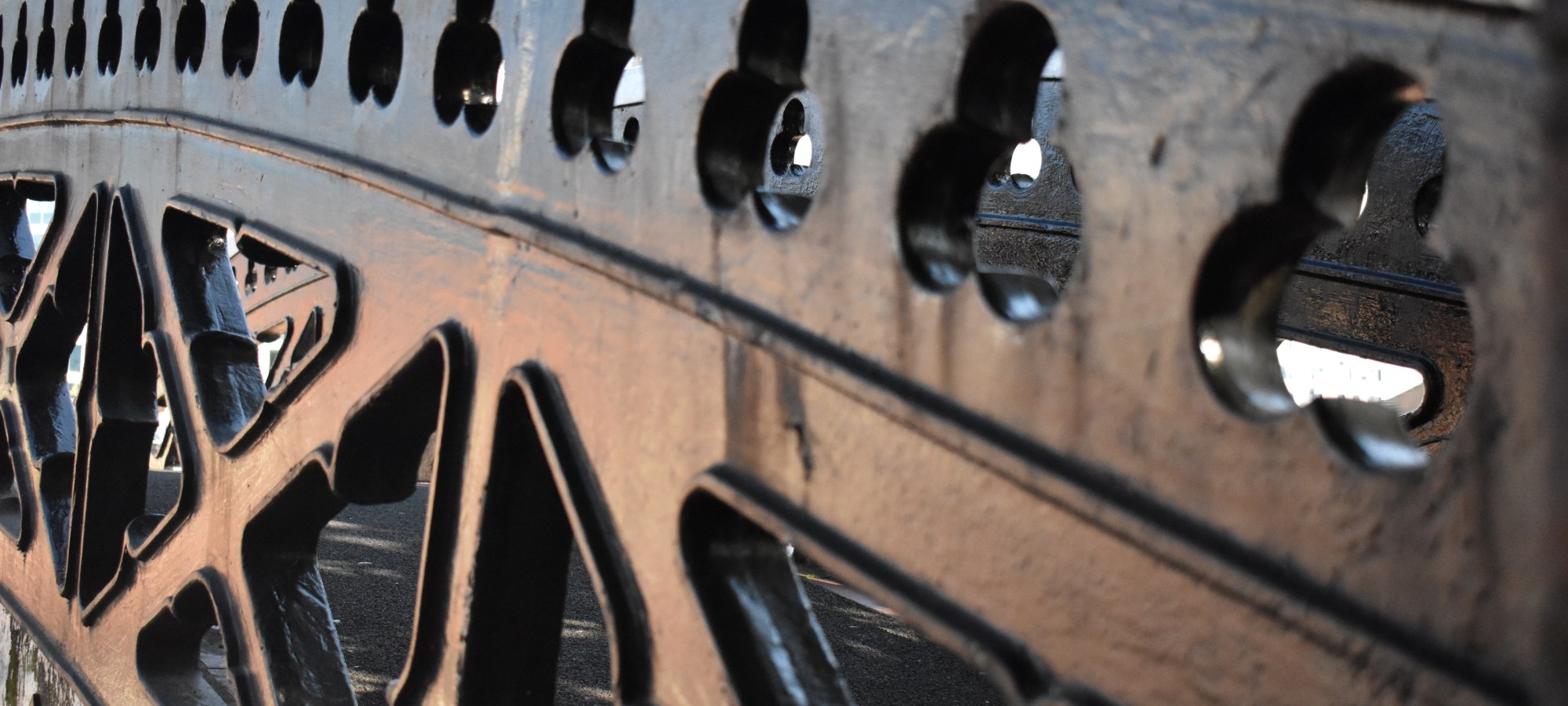
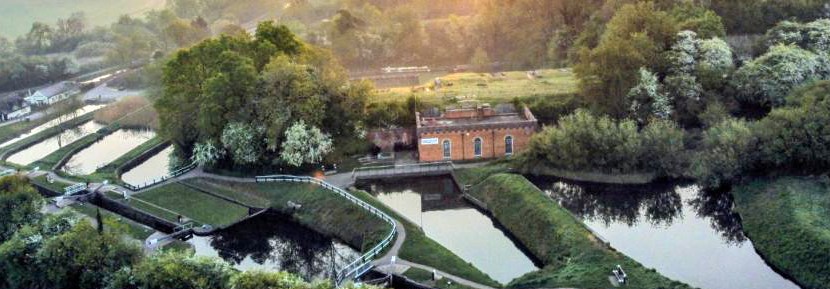
Foxton Canal Museum Launches Crowding Funding Campaign to Secure the Future of the Site

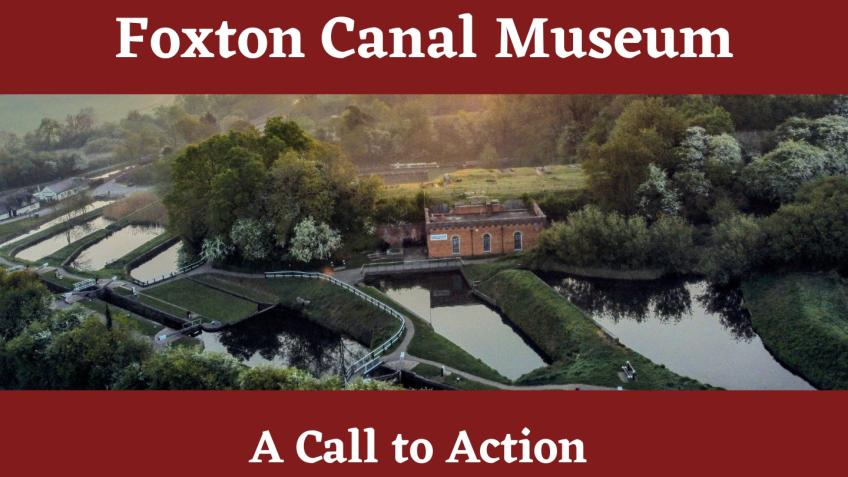
The Trustees of the Foxton Inclined Plane Trust have launched an urgent crowdfunding appeal to raise £20,000 by February so that the museum and site can open in 2026. A combination of rising costs, the long-term impact of COVID-19, and recent operational challenges—including lock closures that reduced visitor numbers this year—has left the Foxton Canal Museum, the beating heart of Foxton Locks and a vital guardian of Britain’s canal heritage, under threat. As a consequence, income has not kept pace with escalating expenses, making sustainability increasingly difficult.
The Museum tells the story of the Foxton Inclined Plane – a Victorian engineering marvel and a scheduled monument – and the people who shaped our waterways. Since its founding by the Foxton Inclined Plane Trust in 1982, the Museum has grown from a volunteer-led dream into a nationally recognized institution. It has hosted award-winning exhibitions, educational programs, and community events, becoming a hub for history, creativity, and learning.

From its humble beginnings – volunteers clearing overgrown inclines and rebuilding the boiler house – to achieving official museum status and welcoming thousands of visitors annually, Foxton Canal Museum has always been powered by passion and perseverance. Recent projects include Foxton Creates, a co-curated exhibition with local schools, and Ingenuity & Vision, exploring the 1950 Market Harborough Festival & Rally of Boats. The Museum also runs STEM workshops, artist residencies, and oral history projects, ensuring canal heritage remains relevant for future generations.

However, the Museum faces mounting financial pressure and without urgent support the Museum cannot guarantee opening in 2026.

To contribute to the Crowdfunding Appeal, and for more information about the site and the campaign to secure its future, follow this Link: https://www.crowdfunder.co.uk/p/save-foxton-canal-museum
Tees Valley Museums Consortium Win ‘Best Museum Youth Group’ in Kids Family Friendly Museum Awards 2024

Tees Valley Museums Consortium has won one of this year’s ‘Kids in Museums’ awards for Best Museum Youth Group. The consortium’s Young People initiatives include their Young Producers strand. These are a group of 16-25 year olds who have a say and plan events and exhibitions at their museums. They currently have two active Young Producers groups – based at Hartlepool Art Gallery and Preston Park Museum. Further Young Producers are planned for the Stockton and Darlington Railway route and in Middlesbrough.

The Tees Valley Museums Consortium consists of the museum services of Stockton-on-Tees, Darlington, Hartlepool, Middlesbrough and Redcar & Cleveland. It was formed in 2017 to develop collaborative working for the purpose of delivering better services to the public. The five museum services of Tees Valley Museums Consortium hold extensive collections of art, archaeology, social, industrial and maritime history, as well as a wide array of world cultures. The museums work together to promote pride in the history of the Tees Valley.

Kids in Museums is an award-winning charity dedicated to making museums open and welcoming to all children, young people, and families. They support and champion family friendly organisations through wide-ranging initiatives, including the Family Friendly Museum Awards and Takeover Day. They invite heritage organisations to sign up to their Manifesto, which sets out simple guidelines for making museums easy to reach for all ages. For further details visit their website: www.kidsinmuseums.org.uk

For more details about the Tees Valley Museums Consortium and their Young People initiatives follow this link: https://teesvalleymuseums.org/young-people/

Industrial Heritage in England Survey Stage 1 Update

The Ironbridge Gorge Museum Trust and Heritage Innovation are undertaking a survey of the c.600 publicly accessible and protected industrial heritage sites in England. Funded by Historic England, the 2024 survey is gathering data on these sites which will be compared with similar reports undertaken in 2008 and 1998, and will inform Historic England’s draft Industrial Heritage Strategy and future strategy for the Industrial Heritage Support Officer (IHSO). Stage 1 of the Industrial Heritage Sites in England Survey 2024 the online survey, has been been completed. Stage 2, targetted interviews with selected sites, is now underway.

The survey is being undertaken by Heritage Innovation, who ran the online survey was in April and May. Some of the initial findings gathered by Heritage Innovation show that:

  • 48.3% of Industrial Heritage sites were owned by a preservation trust or society.
  • 83.6% of preservation trusts or societies had charitable status.
  • 44.8% of sites were accredited museums.
  • 52.6% of sites had found it ‘quite difficult’ to secure public sector funding in the last three years.
  • 73.7% of sites said they found it ‘fairly difficult’ or ‘very difficult’ to attract new volunteers.
  • 72.4% of sites had original plant and machinery in situ.

Stage 2 of the survey, which is running across July, is a series of up to 12 interviews of those running industrial heritage sites across England, from entitely volunteer run sites, to the largest industrial heriage trusts. The results of the project will be published later in the year, including a free online seminar in the autumn.

Graph courtesy fo Heritage Innovation

European Fossil Fuels Needs Survey Of Industrial Heritage Sites

The Working Industrial & Mobile Heritage (WIMH) platform is being developed by umbrella organisations from throughout the industrial and mobile heritage sector in Europe. The European Route of Industrial Heritage (ERIH) is one of the partners in this project. The group is appealing to ERIH members and other industrial heritage sites in the UK for help in collecting evidence to protect a hugely important element of our industrial museums across Europe – their heritage in operation. Other partners currently include: TICCIH – The International Committee for Conservation of the Industrial Heritage; FEDECRAIL – Federation of European Museum & Tourist Railways; FIVA – Federation Internationale des Vehicules Anciens; and the Europa Nostra Industrial & Engineering Heritage Committee.

The working industrial and mobile heritage sector embraces historic machinery at industrial heritage sites and museums, railways, steam ships, road vehicles, and aviation. These all constitute a “social testimony” which ensures that the essential “know how” for the operation of steam powered machinery and combustion engines should not be lost for future generations. Cultural heritage enriches the lives of people and plays a role in enhancing Europe’s social capital. Our sector is also an important resource for economic growth, employment and social cohesion. Working industrial and mobile heritage depends on the continued and limited availability of fossil fuels, like coal and oil-based derivatives. Such fuels remain necessary for the dynamics of heritage machines and vehicles.

As set out in in the 2014 document “Towards an Integrated Approach to Cultural Heritage for Europe”, the European Union is committed to promoting industrial heritage. Our sector is currently facing certain challenges, such as reliance on a limited availability of fossil fuels. The European Union, and other national governments such as the UK throughout Europe, need to take a balanced approach to the almost negligible environmental impact of limited fossil fuel usage by the sector and the legitimate objective of preserving this heritage. For example, assisted also by retaining a continued source of suitable coal at a location within Europe.

A key task of the WIMH partnership is to try to gather as much data as possible of the current annual consumption of our sector, especially of coal but also historic oil based fuels. Considerable efforts have already been made in particular by the railway heritage sector in several countries, including the UK, and research is being undertaken by the historic road transport sector.

Who should respond?

Working from this foundation, the next steps are to build up a picture of at least approximate fossil fuel usage from the industrial heritage sector. This survey is for museums and heritage sites for whom fossil fuel power is needed for continued operation of pumps and industrial machines which form such an important part of the interpretation to the public at our sites. Not only coal-fired boilers and equipment, but also other machinery which operate with petrol, diesel, or other traditional oil based fuels. Follow this link to fill in the survey:

https://docs.google.com/forms/d/e/1FAIpQLSeFZ-1De8tw3OtpajPVj5aaGpxupHA73NSHOcHWXe3UEBmC-w/viewform?s=09

For any questions, please contact Hildebrand de Boer, ERIH Board Member + Liaison Officer ERIH + WIMH  hildebrandeboer@hotmail.com

Big Heritage Take Over the Running of the Wirral Transport Museum

The management of the Wirral Transport Museum, which is owned by Wirral Council and is based on Taylor Street in Birkenhead, is being transferred to Big Heritage, a not-for-profit Community Interest Company. It currently costs the council around £85,000 a year but the transfer to will mean that Big Heritage will take over the costs of running the museum. Big Heritage already run visitor attractions in nearby Chester and Liverpool.

The Council has signed a 25-year lease with Big Heritage, whose intention is to create a “compelling visitor attraction” and bring in more than 40,000 visitors a year. Currently the museum only welcomes around 6,000 visitors a year. The Wirral Transport Museum was opened by the local council in 1995 and features nine historic trams, as well as buses, cars, and motorbikes. A preserved section of tram runs for 1km to the Woodside Ferry Terminal. Trams first ran in Birkenhead in 1860, making the network the first street tramway in Europe.

Rob Jones, Secretary of the Merseyside Tramway Preservation Society Limited (MTPS), who have run the site since 2014 with 50 volunteers, said: “Our main concern has been knowing what are we charging for people to come in, who are asking us questions that we really don’t know the answer to. That worries our members.

“I am all for the Big Heritage asset transfer. I’m 68 and I’m one of the younger people in the group.” The volunteers will still be involved in the running of the museum. For further details of the museum and the tramway trust follow this link: http://www.mtps.co.uk/Transportmuseum.html