Welcome to the Industrial Heritage Networks and Support website. This site is maintained and updated by the Ironbridge Gorge Museum Trust who run the project and the networks. We aim to support industrial heritage in England through networking, information exchange, guidance, and training. Please explore the website and please contribute! For more information you can … Read more Welcome to the IHNs website!
Booking for the Association for Industrial Archaeology’s Annual Conference is now open via the AIA website: https://industrial-archaeology.org/Conference. This year’s Conference is to be held at the Mercure Hotel, Norwich, East of England, from the 4th to the 9th September.
The AIA Annual Conference was first established in the 1970s and you can book for in-person or online attendence for the weekend programme. This year’s event follows its traditional format, starting on Saturday with a day of talks on the Industrial Heritage of the area followed by the presentation of this year’s awards and the Conference Dinner. On Sunday morning there will be the AIA AGM followed by the Rolt Lecture. Who was Tom Rolt ?
On Sunday afternoon, Monday, Tuesday, and Wednesday morning there will be a series of tours and evening talks. The full itinerary, costs, and accommodation details can be found on the website here: Annual Conference – The Association for Industrial Archaeology
Thanks to the Patrick Nott bursary, there will be five free places for the entire event from Friday to Wednesday, including accommodation, and up to £100 for travel expenses. The places are intended for those who feel they would otherwise be unable to attend. Please send details to the Conference Secretary at conference@industrial-archaeology.org at least 30 days in advance.
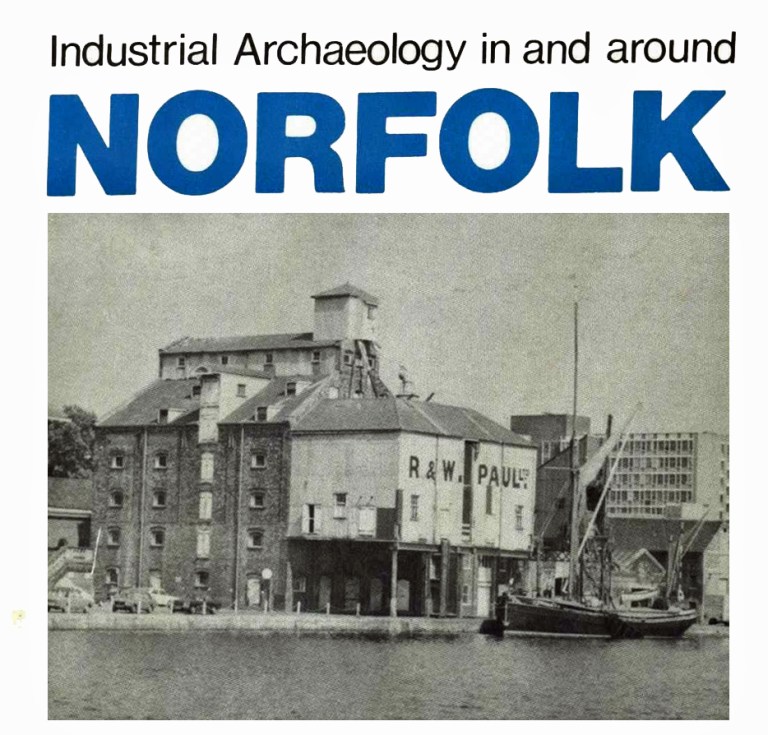
Front Cover of the IA Gazetteer from the 1981 AIA Norfolk Conference. Image copyright Association for Industrial Archaeology.
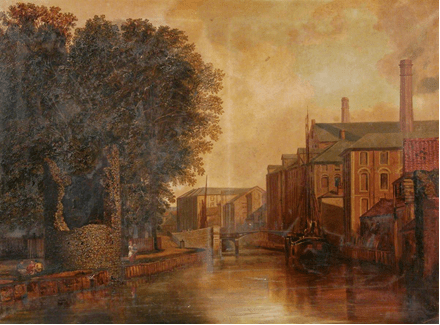
The Association for Industrial Archaeology’s (AIA) 2026 conference will be based at Norwich, England, from the 4th to 9th September. The East Anglian counties of Norfolk, Suffolk, and Cambridgeshire have a rich history of Industrial Heritage including wind and water mills, maritime and port industries, agriculture, and the associated manufacture of agricultural machinery and food processing.
The 2026 programme will follow the usual format, starting on the Friday evening with an informal dinner followed by a talk introducing the Industrial Heritage of East Anglia. On Saturday there will be a full day of talks on local topics, presentations to and by award winners, and the Conference Dinner. On Sunday morning there will be AIA’s AGM followed by the Rolt Lecture. From Sunday afternoon until Wednesday lunchtime there will be a number of site visits across the three counties. Lunches, informal evening dinners and talks are included. Full details and booking will be available on the conference pages of the AIA website in due course. Recordings of the 2025 Bradford Conference are now available on the AIA YouTube channel.
The Worcestershire Industrial Archaeology & Local History Society (WIA&LHS) is hosting the South Wales & West England Regional Industrial Archaeology Conference (SWWERIAC) on Saturday 18th April 2026 at Avoncroft Museum of Historic Buildings, Stoke Heath, Bromsgrove B60 4JR.
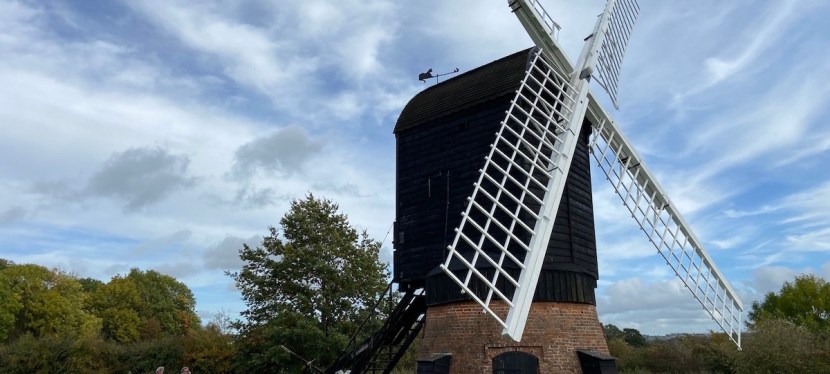
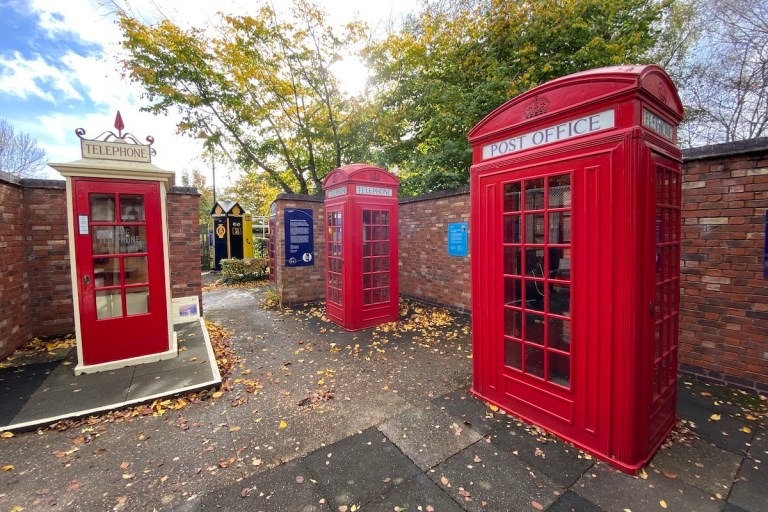
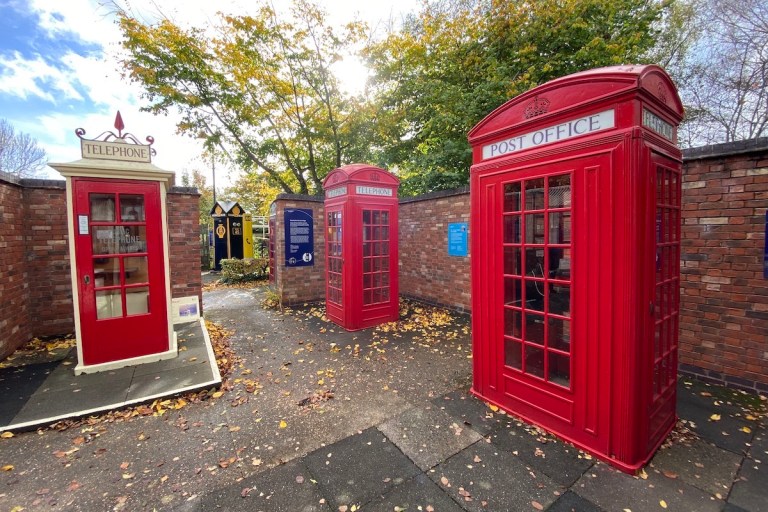
Get set for a day of engaging talks from leading speakers and a chance to explore Avoncroft’s remarkable open-air collection. The museum, home to over 30 rescued and reconstructed historic buildings spanning seven centuries, provides a unique backdrop. Highlights include the UK’s National Collection of Telephone Kiosks, working historic windmill, and a selection of timber-framed, brick, and prefabricated structures including a chain shop, nail workshop, sawmill, and icehouse. This inspiring setting promises a rich blend of learning, discussion, and heritage discovery.
Tickets cost £28 per person and include:
Six speakers covering a wide range of industrial heritage in Worcestershire
Access to the museum’s entire collection
Two 30-minute dedicated tours of the telephone kiosk collection and windmill
Buffet lunch including cold meats, new potatoes, crusty bread, and a selection of salads and cheese
Unlimited hot and cold soft drinks
Free parking
Society chairman Dr John Beale said “Avoncroft is home to 30 historic buildings and structures across a 19-acre site. For this reason, we have scheduled a 2-hour lunch break so that delegates can see the museum exhibits either self-guided and/or the dedicated tours of the 19th century windmill and the National Telephone Kiosk Collection. This marks a departure from the traditional arrangement of offsite visits as there is so much to see at Avoncroft.”
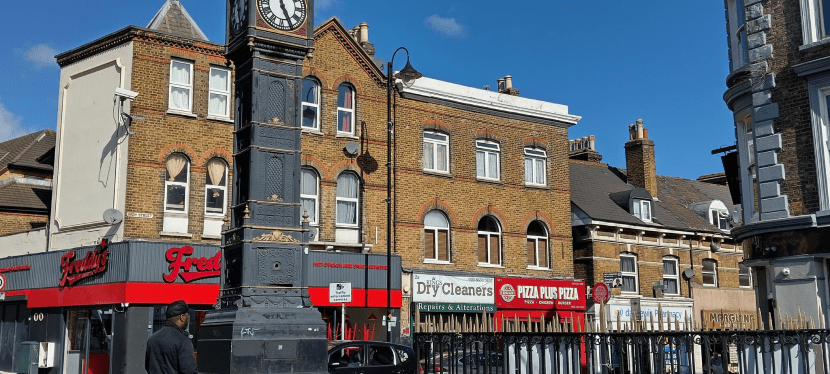
The 2026 South East Regional Industrial Archaeology Conference (SERIAC) will take place on 25 April at Stanley Arts, South Norwood, London, from 10.30 to 16.45.
The day will consist of papers from members of the constituent societies in the region, including topcis such as Brunel’s Viaducts and Reading’s Other Industries. Display Space will be available for those Societies who wish. An optional box lunch will also be available. Further details here:
The Worcestershire Industrial Archaeology & Local History Society is hosting the South Wales & West England Regional Industrial Archaeology Conference (SWWERIAC) on Saturday 18th April 2026 at Avoncroft Museum of Historic Buildings, Stoke Heath, Bromsgrove B60 4JR.
Get set for a day of engaging talks from leading speakers and a chance to explore Avoncroft’s remarkable open-air collection. The museum, home to over 30 rescued and reconstructed historic buildings spanning seven centuries, provides a unique backdrop. Highlights include the UK’s National Collection of Telephone Kiosks, working historic windmill, and a selection of timber-framed, brick, and prefabricated structures including a chain shop, nail workshop, sawmill, and icehouse. This inspiring setting promises a rich blend of learning, discussion, and heritage discovery.
Tickets cost £28 per person and include access to the museum’s entire collection, 30-minute dedicated tours, a buffet lunch including cold meats, new potatoes, crusty bread, and a selection of salads and cheese with unlimited hot and cold soft drinks plus free parking.
Society chairman Dr John Beale said “Avoncroft is home to 30 historic buildings and structures across a 19-acre site. For this reason, we have scheduled a 2-hour lunch break so that delegates can see the museum exhibits either self-guided and/or the dedicated tours of the 19th century windmill and the National Telephone Kiosk Collection. This marks a departure from the traditional arrangement of offsite visits as there is so much to see at Avoncroft.”
The 2025 Devizes Industrial Archaeology Conference will be held on 25 October. The varied selection of topics runs from the building of the M4, the Devizes Wireless Station, and the Somerset & Dorest Railway, to Salisbury Station and Nonconformist chapels in the county.
The conference will be held in the Wiltshire Museum lecture hall. This limits the number of people who can be accommodate so early booking is recommended.
The 2025 East of England Regional Industrial Archaeology Conference (EERIAC) will take place on Saturday 7th June at the Prickwillow Engine Museum, Ely, Cambridgeshire. This year’s conference is being organised by the Cambridge Industrial Archaeology Group.
The Outline Programme is as follows:
10.00 Free Tea, Coffee, and Biscuits on arrival.
10:30 to 12.30 Lectures on waterways transport in Cambridgeshire and on rescuing the Black Prince, a Fenland lighter.
12.45 to 13.30 Buffet Lunch.
13.30 to 17.00 A tour of the Prickwillow Engine Museum, and a visit to the Stretham Old Pumping Engine, Green End, Stretham.
Costs: £15 (no lunch) and £23 with lunch. Drop-ins on the day are welcome but booking in advice is advised. The booking form is below.
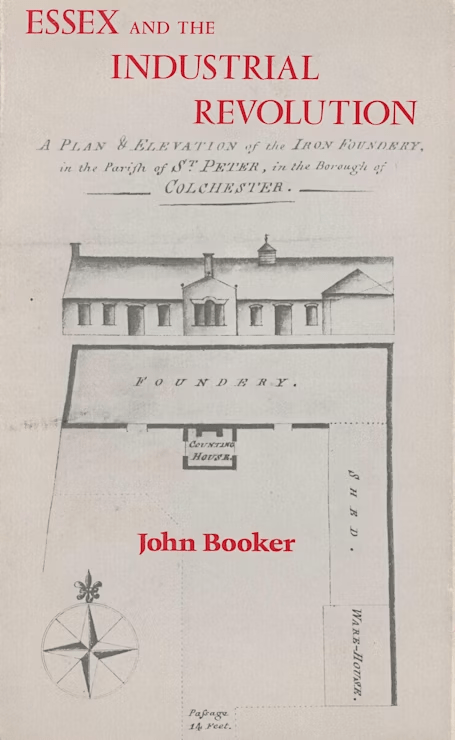
In 1974 Essex Record Office published John Booker’s ground breaking Essex and the Industrial Revolution. This highlighted the fact that significant industrial activity was going on in Essex, and not just those areas of the country traditionally associated with the Industrial Revolution, such as Ironbridge. To mark the 50th anniversary of its publication, Essex Record Office is running a series of short talks on various aspects of the industrial past of the county as well as celebrating this significant anniversary.
This event is run in conjunction with the Essex Society for Archaeology & History, Essex Industrial Archaeology Group, and Anglia Ruskin University. It is hoped that John Booker will be able to present one of the talks.
The South Wales and West of England Regional Industrial Archaeological Conference 2025 (SWWERIAC) will take place on 26th April at Walton Village Hall. SWWERIAC took place annually until the Covid Epidemic struck. Oxford House Industrial History Society’s initiative revived the event in 2024. The Somerset Industrial Archaeology Societty (SIAS: www.sias.me.uk)has volunteered to organize the 2025 conference.
SIASextends a cordial invitation to those interested in Industrial Archaeology to attend the conference in Walton Village Hall (http://www.waltonvillagehall.org). There will also be displays by the associated societies and publications will be on sale. The cost, including refreshments and lunch, is £25. Walton is situated on the A39 just west of Street and approximately 20 miles east of Junction 23 of the M5. The Village Hall is situated just north of the A39 at the end of Meadow Close.
PROGRAMME
09.15 – Registration opens. Tea, coffee, fruit juices and biscuits 10.00 – Welcome – Peter Daniel (President of SIAS) 10.10 – Peter Daniel – The Industrial Archæology of the Porlock Area 10.50 – Terry Stevens – The Unique Heritage of Coker Canvas 11.10 – Break. Tea, coffee, fruit juices and biscuits 11.30 – Stephen Miles – The Kilve Oil Shale Scandal 12.30 – Lunch: cold buffet. Please indicate any dietary requirements 13.50 – Samantha Cullen (Alfred Gillet Trust) – The New Shoemaker Museum 14.30 – Mary Miles – Clarke’s Influence on the Buildings of Street 15.10 – Break. Tea, coffee, fruit juices and biscuits 15.30 – Vanessa Ruhlig – Saving Fox’s Cloth and Dye Works at Tone Dale 16.10 – Close of Conference 16.15 – Visits(maps giving directions to the sites will be available on the day)
Choice of Post-conference Visits:
Street Buildings: A level walk around the centre of Street. We will see the development of industrial housing including grade II listed terraces which feature in books on the Arts & Craft Movement, public buildings, schools, a library, fire station, and swimming pool.
Glastonbury Fossick – Visiting the surviving buildings of Morland’s and Baily’s tanneries and sheepskin works. The walk will start by the Somerset & Dorset Joint Railway offices and will be just over a kilometre in length, all on the level. Morland’s and Baily’s were the major industrial employers in Glastonbury and there was a time just after WWII when they employed about 5000 people between them. The grade II listed buildings of Baily’s, including a landmark chimney, are about to be converted. There are also workers’ houses. Surviving buildings of Morland’s include the Red Brick Building and the Zig-zag Building.
Westonzoyland Pumping Station and Museum of Steam Power and Land Drainage: The Museum is housed in the first steam pumping station to be built on the Somerset Levels. Dated 1830, it is grade II* listed as is one of the earliest in the country. The existing engine, an Easton and Amos machine built in 1861, replaced an earlier beam engine and scoop-wheel pump. The site is also home to a collection of historic engines and items used in the area, including a narrow gauge tramway.
Bridgwater Brick and Tile Museum: This exclusive visit will include a guided tour with particular reference to Industrial Archæology, and a tile-making demonstration.
The early new year is often a time for charities and musuems to undertake staff training and maintenance in the ‘off season’. Online, several organisation offer free training and briefing videos relevant for industrial heritage sites. Some of the recent offerings listed below provide an opportunity for armchair training.
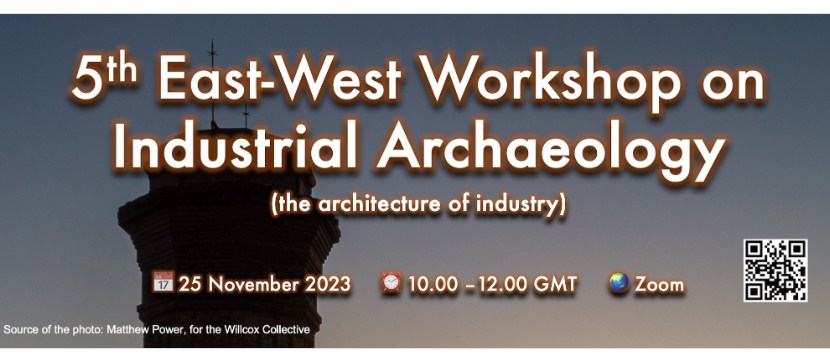
The East-West Workshops on Industrial Archaeology aim to exchange ideas and knowledge among Western and Eastern colleagues to build a more international and diverse industrial archaeology. The workshops are organised jointly by the Institute for Cultural Heritage and History of Science and Technology (USTB, China), and the Association for Industrial Archaeology (AIA) together with its Young Members Board. Videos of all the workshops are available on the AIA’s YouTube Channel, including the latest event from November 2024 on ‘Weaving the Industrial Period’. Follow this link to view the workshops: https://www.youtube.com/channel/UCILr2TkRAOIfk_NKchshwZQ
On Thursday 21st November 2024 the ‘Craft of the Miller’ network held an online conference on ‘Managing Health & Safety Risks in Your Mill’. Jon Cook gave an introduction to highlight a number of key risks in a working mill, including hygiene, flour dust, vacuum equipment, and fire risks. Jippe Kreuning explored how to work with a stone crane and how to operate it safely to lift a set of millstones. You can catchup with the recordings from the conference here: https://network.molens.nl/
Finally, Historic England have a range of heritage webinars to watch with topics from flooding, embodied carbon, and renewabler energy, to heritage building skills, roofs, and windows. The Historic Environment Webinars strand includes a session on the role and work of the Canal & River Trust form November 2024. Follow this link to view the webinars: https://historicengland.org.uk/services-skills/training-skills/training/webinars/recordings/#technicaltuesdays








 Industrial Heritage Networks