Welcome to the Industrial Heritage Networks and Support website. This site is maintained and updated by the Ironbridge Gorge Museum Trust who run the project and the networks. We aim to support industrial heritage in England through networking, information exchange, guidance, and training. Please explore the website and please contribute! For more information you can … Read more Welcome to the IHNs website!
The Exhibitions Group (TEG) has announced that ten Access Grants have been awarded as part of its pilot grant scheme to improve accessibility to exhibitions across the UK for disabled people. Amongst the recipients are Clifton Suspension Bridge Trust and Wakefield Museum and Castles.
The pilot scheme awarded grants of £1,500–£4,000 to support practical, meaningful work that advances access to exhibitions. The funded projects reflect the social model of disability, and support a wide range of access-focused activity, including co-creation with disabled people, accessible interpretation, physical adjustments, accessible programming, and staff and volunteer training.
The Exhibitions Group helps everyone involved in exhibition making to connect and create relevant, sustainable, diverse and accessible exhibitions with our training, resources, and networking opportunities.
The Department for Digital, Culture, Media and Sport (DCMS) has announced (16 October 2025) that the National Trust will be taking over the Ironbridge Gorge Museums Trust in spring 2026, securing their future, with the aide of a £9 million Government grant from the ‘Plan for Change’ fund. The Museum Trust, formed in 1967 and within the Ironbridge Gorge UNESCO World Heritage Site, is one of the UK’s largest independent museums and the custodian of some of the nation’s most significant industrial heritage. Like many industrial heritage sites in England the Trust has been dealing with increased costs, climate change, and lower vistor numbers since the pandemic.
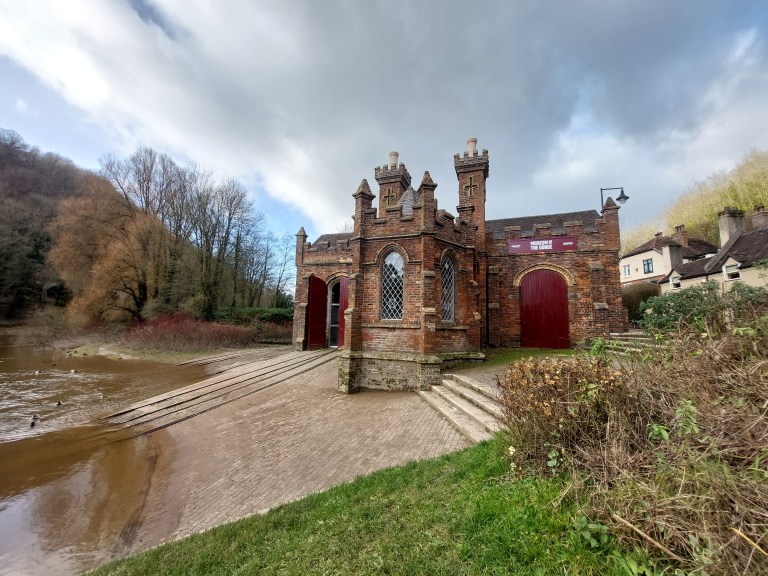
Museum of the Gorge. Image Copyright Dr Michael Nevell.
This funding will enable the transfer of the Ironbridge Gorge museums to the National Trust, securing the future of this internationally significant heritage site and ensuring continued access to Britain’s industrial heritage for hundreds of thousands of annual visitors. The Ironbridge Gorge was designated as one of Britain’s first UNESCO World Heritage Sites in 1986, recognising its pivotal role as the epicentre of 18th century world industrialisation. The site encompasses 10 museums (Blists Hill Victorian Town, Enginuity, Coalbrookdale Museum of Iron, the Old Furnace, the Darby houses, the Museum of the Gorge, the Ironbridge Tollhouse, the Tar Tunnel, Coalport China Museum, Jackfield Tile Museum and Broseley Pipeworks), and 35 listed heritage buildings and Scheduled Monuments, and attracts 330,000 visitors annually. Its Nationally Designated collection includes more than 400,000 objects, representing a rich and unique record of Britain’s industrial past.
Lisa Nandy, Secretary of State for the Department of Digital, Media, Culture and Sport, visited Abraham Darby I’s furnace and Coalbrookdale Museum to make the announcement. She stated that: “As the birthplace of the Industrial Revolution, it is absolutely vital that the museums in the Ironbridge Gorge are protected as a key heritage asset in this country and a significant contributor to jobs and the economy in the Shropshire area.” Speaking to the Shropshire Star on Thursaday she also noted that: “One of the first things that came across my desk in 2024 when we were first elected was Ironbridge. It has been struggling like every heritage site in the country with visitor numbers post pandemic, but it also takes a lot of funding to continue to invest and protect the condition of this incredibly important historic site….It was urgent. If we hadn’t intervened and formed this partnership with the National trust I think it is fair to say that people who grew up coming here as children would not be bringing their children and grandchildren here in future years. So we were determined we were going to step up and support this, and to back that with a financial down-payment of £9m to demonstrate our commitment not just to Ironbridge, which is one of the most important sites in the country but to our industrial heritage, because the history of this country is not just the history of kings and queens and stately homes, it is the story of the most extraordinary people the length and breadth of Britain, people’s parents and grandparents, ordinary people who powered this country, built our wealth and influence and shaped who we are today.”
Councillor Carolyn Healy, Telford & Wrekin Council’s Cabinet Member for Neighbourhoods, Planning & Sustainability, noted that: “This is a landmark moment for our Borough and for heritage conservation nationally. The Ironbridge Gorge Museum Trust, including the many local people who have worked for the trust over the years, has been an outstanding custodian of our industrial heritage.”
Hilary McGrady, Director General of the National Trust, said “The Ironbridge Gorge is widely regarded as the birthplace of the Industrial Revolution, which paved the way for the scientific and technological innovation that defines our world today. The site is an example of British ingenuity, a source of immense national and community pride and a distinct and much-loved icon of our shared heritage. I cannot think of something more at home in the National Trust’s care – an institution built to protect and preserve the things our nation loves on behalf of everyone, everywhere.”
Mark Pemberton, Chairman of the Board of Trustees for IGMT commented that, “We are incredibly pleased to have secured the long-term future of the Museum by its transfer to the National Trust. The £9m investment by DCMS is recognition of the global significance and national importance of Ironbridge. Ironbridge was important as the birthplace of industry and as a major tourist destination it now plays a part in the success of the local economy. Ensuring a smooth transition, and in particular supporting IGMT’s staff and volunteers throughout the transition period, is now our priority.”
Arst Council England (ACE) is encouraging museums, especially museums within Priority Places, (where there are many industrial heritage sites) to apply for their National Lottery Project Grants (Project Grants) scheme. This is an open access programme for arts, libraries, and museums project funding. Grants range from £1,000 to over £100,000; they are divided into applications for under £30,000, applications for £30,001 to £100,000 and applications for £100,001 and over.
Unlocking Collections: This is a time limited priority, the deadline for applications has been extended until November 2025, ACE is prioritising and encouraging museums to apply for activity to develop their collections-based work and increase public engagement with, and use of, their collections. Funding could support: reinterpretation of collections; collections review; digital skills development
Place Partnership Fund: ACE’s Place Partnership Fund is to support partnerships that aim to make a step change in the cultural and creative opportunities in the applicants area. It’s open to everyone but may be of particular interest to organisations in ACE’s Priority Places or DCMS’s Levelling Up for Culture Places.
Industrial Heritage sites in England are amongst 37 heritage sites set to receive £15 million in funding as a part of the Government’s ‘Heritage At Risk’ fund. The funding will go towards repair works and the conservation of heritage buildings at risk, and is a part of the Government’s £270 million ‘Arts Everywhere Fund’. The fund has prioritised projects that will restore heritage sites serving disadvantaged communities and which demonstrate strong local benefits, from job creation to cultural events.
The Association of Independent Museums(AIM) have announced the winners of the inaugural Museum Fundamentals grants. Funded by the Pilgrim Trust and The Julia Rausing Trust and launched in December 2024, the AIM Museum Fundamentals grant is designed to respond to the varied needs of AIM members.
Amongst the initial round of 12 grants is a succesful application from The Long Shop Muaseum in Suffolk to redesign and redisplay the ‘Made in Leiston’ gallery. The design and content of the new exhibition is based on audience research conducted over the last two seasons. The new displays will focus on unlocking the social history of the town and the people who lived and worked there over a 250-year span, and on technological change. The Long Shop Museum was founded in 1984. It is housed in a cluster of historic buildings in the Suffolk market town of Leiston. The buildings are survivors of the original 19th century engineering works site of Richard Garrett and Sons who specialised in famring machinery. Further details here:
The AIM Museum Fundamentals grant is funded by the Pilgrim Trust and The Julia Rausing Trust, and launched in December 2024. It combines the valued collections care and conservation funding supported by the Pilgrim Trust with new funding from The Julia Rausing Trust. AIM members can apply for up to £20,000 for funding to undertake a collections-based project. If you’re interested in applying to Museum Fundamentals, expressions of interest for the next round are welcome until Friday 8 August. Further details here: https://aim-museums.co.uk/news/first-aim-museum-fundamentals-awards-made/
Long Shop, Leiston, Suffolk. Image copyright The Long Shop Museum.
The Energy Resilience Fund (ERF) provides a blended funding package of loan (60%) and grant (40%) to bolster the energy resilience of eligible charities and social enterprises in England. The Fund is the successor to the pilot Energy Resilience Fund managed by Key Fund and its primary purpose is to enable the supply of renewable energy to an organisation’s own building (s). Many industrial heritage sites may find that they qualify and are suitable for such a fund.
Applicants must have fewer than 250 employees, £35m assets, or £40m turnover, but a turnover of more than £100,000, and be based primarily in England. For further details follow this link:
Arts Council England (ACE) has opened a new £20 million fund to support local authority museums. ACE have also published the timetable for Museum Estate Development Fund (MEND) Round five.
The Museum Renewal Fund targets museums owned and directly maintained by local authority funding, or with a governance link to a local authority. The programme is intended to help museums meet the shortfall between operating costs and income throughout their 2025-26 budget, where the shortfall results in reduced programming, footfall, and days open to the public.
Museums can apply for a minimum of £10,000 up to a maximum of £1million. The application deadline is 22 May with outcomes expected by 26 June latest. The funding period runs from August 4 to 31 January 2026.
ACE have also released the timetable of Round 5 of the Museum Estate Development Fund (MEND). This capital fund targets non-national Accredited museums and local authorities based in England. It covers funding to undertake vital infrastructure and urgent maintenance backlogs which are beyond the scope of day-to-day maintenance budgets.
The total fund is worth £25million and grants range from £50,000 to £5million. Expressions of Interest for Round 5 open at 9am on Monday 12 May 2025 with a deadline of Thursday 5 June.
Land of Iron, North Yorkshire. Image copyright Dr Michael Nevell
Museums, arts venues, libraries, and heritage attractions in urgent need of financial are to recieve significant Government funding. The ‘Arts Everywhere Fund’ totals £270m, and is to be shared between organisations the UK Government deems in most urgent need of financial support. It consists of both new and renewed funds for the sector.
As part of this package of support, five Industrial Heritage museums and sites will share grants from the 5th round of MEND support worth £7,253,849. These sites are:
Bletchley Park – £2,451,350
Land of Iron – £655,907
London Museum of Water & Steam – £2,626,277
Queen Street Mill – £813,115
Wheal Martyn Clay Works – £707,200
The £270m package of support will be targeted at organisations in urgent need of financial support to keep them up and running, carry out vital infrastructure work, and improve long term financial resilience. The support includes:
A fifth round of the Museum Estate and Development (MEND) Fund worth £25 million
A new £20 million Museum Renewal Fund offering much-needed support to 29 civic museums
An additional £120 million to continue the Public Bodies Infrastructure Fund
An additional £15 million for Heritage at Risk through Historic England
A new £4.85 million Heritage Revival Fund
A 5% increase to national museums and galleries budgets
Confirmation that DCMS will be providing £3.2 million in funding through the Museums and Schools Programme, the Heritage Schools Programme, the Art & Design National Saturday Club and the BFI Film Academy.
The Association for Independent Museums (AIM) Director Lisa Ollerhead said, “We very much welcome this significant investment. It is fantastic news for the sector, not least given the pressure the public purse is under. It also underlines the important role museums and heritage organisations play in strengthening our communities, boosting our economy and providing strong foundations for our creative industries.”
The National Lottery Heritage Fund has granted £164,000 for the Dean Heritage Centre’s “Investing in the Past, Future, and Present” project, and a grant of £99,932 to the Cambridge Museum of Technology for their ‘Full Steam Ahead’ project.
Horizontal stam engine, Cambridge Museum of Technology. Copyright: Dr Michael Nevell
Cambridge Museum of Tehcnology’s grant will fund the ‘Full Steam Ahead’ project. This will see two new heritage roles recruited to expand the Museum’s capacity for both general opening, and for increased education and community outreach work. The funding will also re-invigorate existing space in the Engineer’s House to be used as a space for community hires. Building on existing partnerships within the local Abbey community, the Museum will offer more opportunities for engaging with industrial heritage and their collections, through events and workshops. The Museum will be able to expand its schools programme, reaching more young people and engaging with teachers to form lasting links.
Dean Heritage Centre. Copyright: Dr Michael Nevell
The Dean Heritage Centre, which reflects the history of the Forest of Dean, is based in a listed cornmill and will use its grant for the “Investing in the Past, Future, and Present” project, which aims to “transform the museum”. Volunteers, local groups and schools will be able to take part in the project through “citizen science” activities, including sampling water that runs through the site. “We want to have new galleries, develop the site, and actually make it a viable place for the future,” Mark George, centre manager, said.
The dealines for several grant streams suitable for Industrial Heritage museums and sites occur in early 2025. To catch up with what is available for industrial heritage sites and museums explore the following websites.
Foyle Foundation Small Grants The Small Grants Scheme is provided by the Foyle Foundation to support smaller, grass-roots, and local charities in the UK with projects that have the potential to make a significant difference to their work. Grants range from £2k to £10k and the closing date for applications is 31 January. Find outr mor eby followign this link: https://foylefoundation.org.uk/how-to-apply/small-grants-scheme-guidelines/
The Heritage Alliance, whilst not a funding body in itself, co-manages the Heritage Funding Directory with the Architectural Heritage Fund. This free resource for the sector includes a directory listing funding sources for heritage projects across the UK (and internationally), and includes some helpful guidance on fundraising. It is regularly updated, so its worth visiting regularly.
Finally, the Association for Industrial Archaeology runs several annual grant and award schemes specifically for industrial archaeology and heritage, with closing dates at the end of January and the end of March. Follow this link for further details: https://industrial-archaeology.org/aia-awards/















 Industrial Heritage Networks