Spring 2025 Online Industrial Heritage Network Meetings

The next round of online Industrial Heritage Network (IHN) meetings is taking place this Spring. The IHN networks are a chance to meet those working, volunteering, or researching in the industrial heritage sector.

Four lunchtime IHN meetings will be held in late March, and will run from 12noon to 1pm, and there will be an IHSO update followed by news and updates from members. The first round of 2025 IHN meetings will take place on the following dates and will include the following groups:

  • 21 March – East of England
  • 25 March – South East
  • 26 March -North East
  • 31 March – London

Zoom links for the meetings will be sent to each region nearer the dates. If you would like to join any of these Industrial Heritage Networks as a member please email the IHSO here: mike.nevell@mikenevell

Moira Furnance Conservation to Go Ahead in Spring 2025

North West Leicestershire District Coucnil has agreed to provide £160,000 of extra funding to repair the Moira Furnace museum buildings. Repairs are due to begin later in February and are expected to take around 22 weeks.

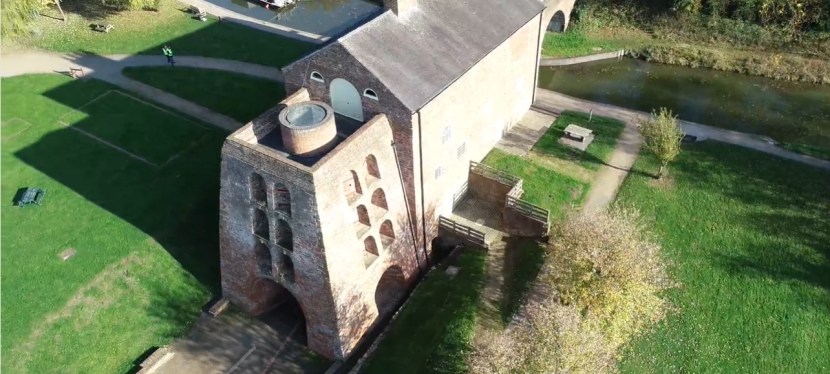
Moira Furnace is one of the best preserved iron blast furnaces in England. Built in 1806 the site is now a Scheduled Monument owned by the local council. Initial plans to repair the structure and museum pre-date the COVID-19 pandemic. In that time the cost of the repairs has risen from £3330,000 to £490,000. The short fall is being made up from council reserves and £65,000 from the UK Shared Prosperty Fund. More details here: https://www.bbc.co.uk/news/articles/cp3j71141v5o

The current site comprises a museum of iron making and social history, a vintage 100+-year-old narrowboat for trips along the canal, fishing along its banks, and woodlands for exploring. More details here: https://www.moirafurnace.org/

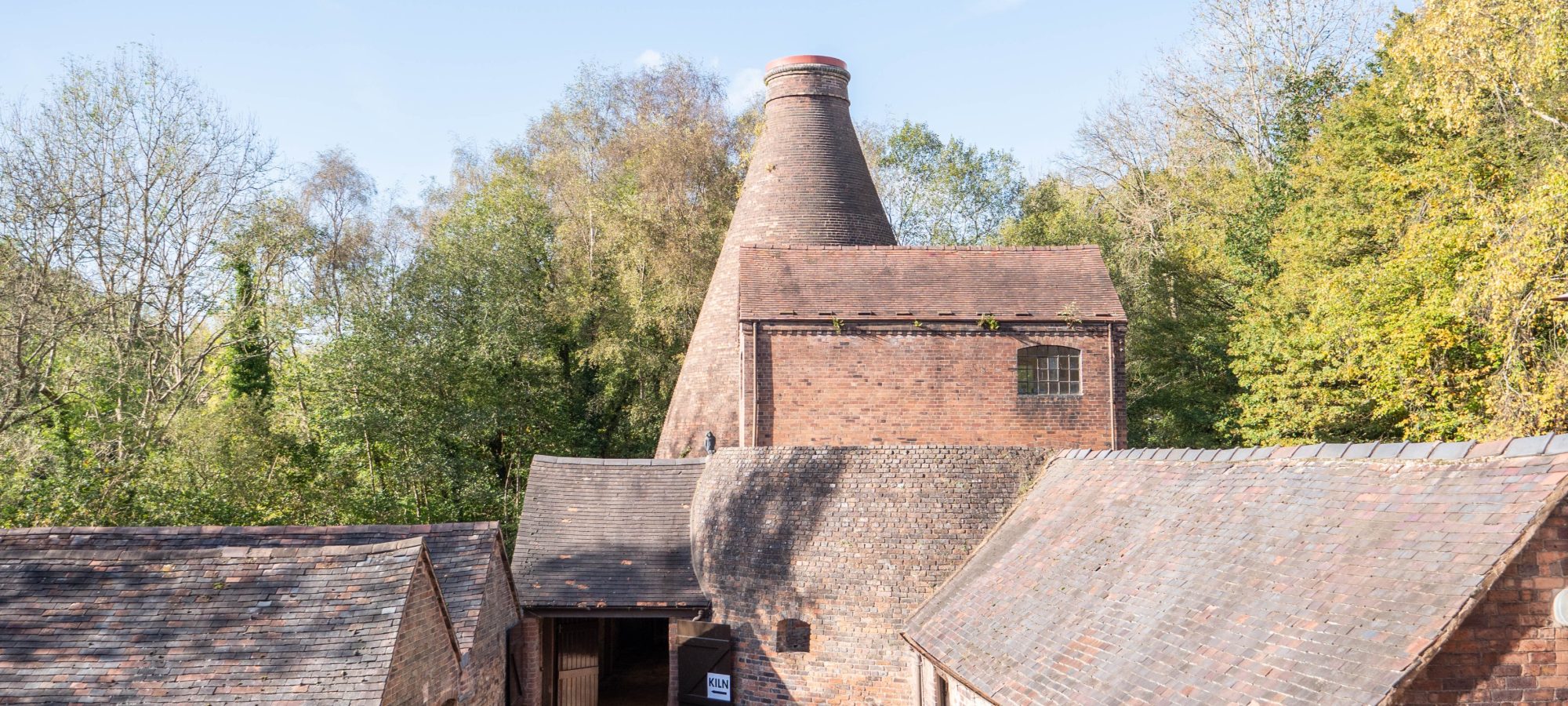
Moira furnace. Image courtesy of Moira Furnace museum & country park.

New Industrial Archaeological & Historical Research Included in Lancashire & Cheshire Antiquarian Conference, May 2024

The Lancashire and Cheshire Antiquarian Society are holding their annual conference on 11th May 2024. The theme is new research, with a focus on local history, family history, and industrial archaeology. It will be held at the friend’s Meeting House, Mount Street, Manchester, M2 5NS from 10am to 3pm.

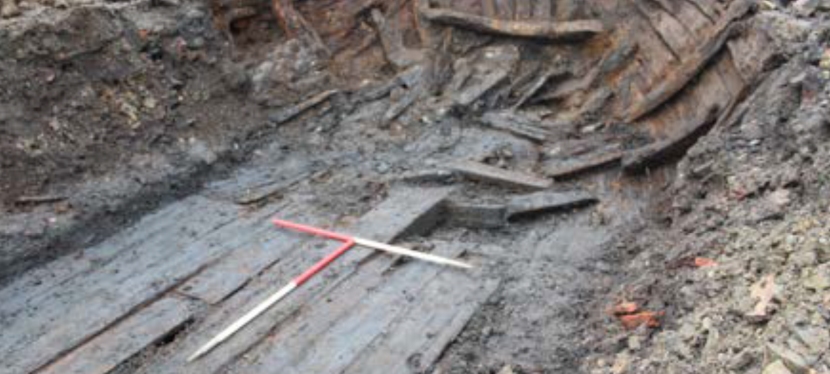
The talks will include presentations Helen Corlett talking about The Cooper at Old Bridge End: Finding a Place in Early 19c Manchester (a micro study of the experience of an artisan-tradesman family migrating to Manchester from the rural north); Neil Coldrick on Medieval Ironworking in Holcombe Valley; and Kelly Griffiths discussing Scuttled: Excavations on the Historic Canal Basin in Rochdale (looking at excavating late 19th century canal boats).

The conference is free to members of the Lancashire and Cheshire Antiquarian Society and the Manchester Local Family History Society, but donations are gratefully accepted. The fee for non members is £12.00 payable to Lancashire and Cheshire Antiquarian Society. Please email secretary@landcas.org.uk to book your place.

A canal boat being excavated at Rochdale.
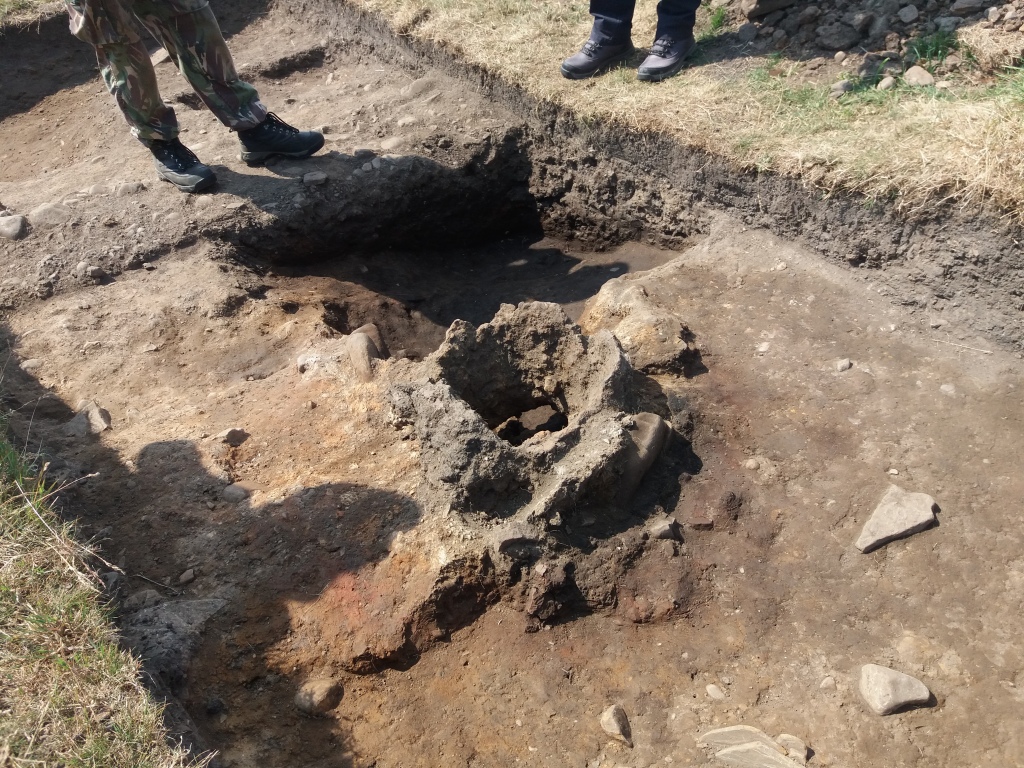
Medieval bloomery during excavation at Holcombe in 2018.

Historic England Webinar on Industrial Elsecar Now Available

The recording of Historic England’s recent industrial heritage webinar on the Elsecar Heritage Action Zone is now available to view on-line. It provides an overview of the project, which ran from 2017 to 2020, including the research programme, protection and management strategies, community outreach and engagement, and how Barnsley Museums are building on this legacy with an ambitious programme and vision for the village.

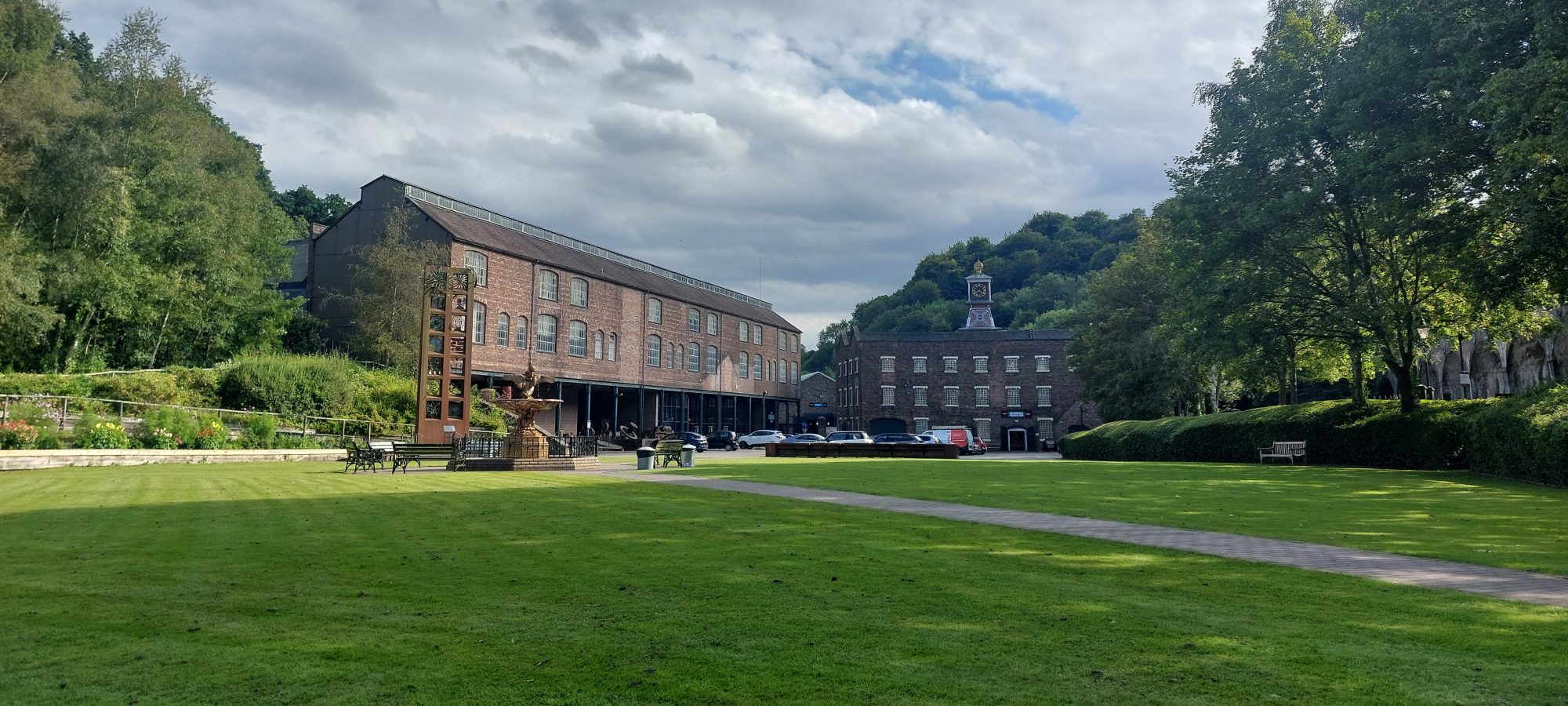
Elsecar is an industrial estate village of the later 18th and 19th century near Barnsley. It retains important buildings relating to the coal and iron industries from this period, as well as extensive workers’ housing. The first major colliery, Elsecar Old, was sunk in 1750 and taken over by the Marquis of Rockingham in 1752. The small village next door was then transformed from the 1790s at the direction of the 4th Earl of Fitzwilliam of Wentworth Woodhouse, with the sinking of its first deep colliery (which retains its original Newcomen pumping engine in situ), the cutting of a canal, the building of two ironworks and associated housing designed by architect John Carr of York. Elsecar is thus one of the first model industrial villages in the UK.

Follow this link to watch the webinar: https://historicengland.org.uk/services-skills/training-skills/training/webinars/recordings/industrial-heritage-webinar-5-elsecar-barnsley-south-yorkshire/.

This is one of a series of industrial heritage themed webinars run by Historic England. The recordings of the other four industrial heritage webinars can be found here – https://historicengland.org.uk/services-skills/training-skills/training/webinars/recordings/#previoushelmwebinars.