Stroudwater Textile Trust is Looking for Guides, Demonstrators, and Welcomers

The Stroudwater Textile Trust are looking for volunteers at their two museums near Stroud. There are many ways of getting involved in volunteering with the Stroudwater Textile Trust. From welcoming visitors to their mills to sparing a few hours to work at home or to help restore historic machine, your support is really important to the Trust, and you will find volunteering both enjoyable and rewarding.

The Trust offers training in using both hand looms and power looms, as well as wider training. The museums are open from April to September on weekends and occasional weekdays. Information about the Trust is on our website, or e-mail chair@stroudtextiletrust.org.uk.

To get involved follow this link: https://www.stroudtextiletrust.org.uk/volunteering/

The Stroudwater Textile Trust is a Registered Charity run entirely by volunteers. The Trust was established in 1999 by local people wanting to promote awareness of the historic woollen industry in the Stroud valleys, to preserve some of its important machinery and to celebrate contemporary textiles. The Trust runs a fully-accredited museum at Dunkirk Mill in Nailsworth with a working waterwheel, and also a weaving shed at Gigg Mill nearby, which has a recently-restored vintage power loom. We also arrange visits to St Mary’s Mill in Chalford from time to time, where there is a Tangye steam engine. Dunkirk Mill and Gigg Mill are open regularly through the spring and summer months.

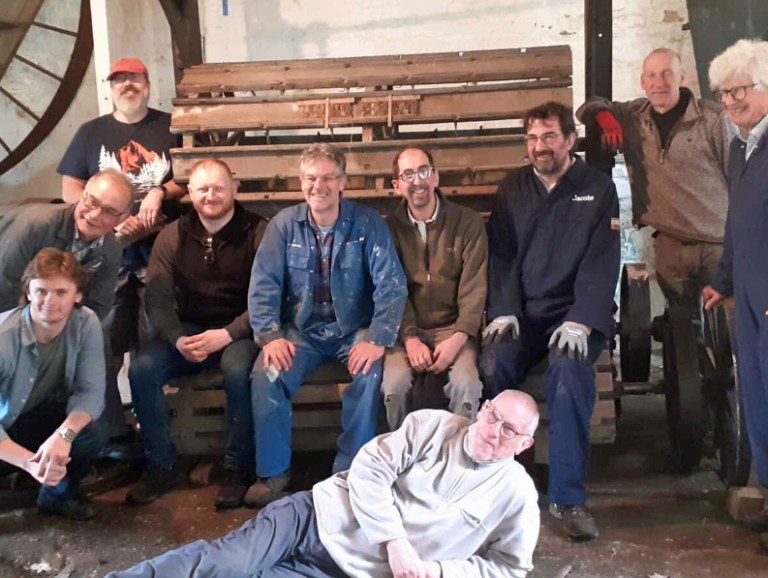
Volunteers at Stroudwater Textile Trust. Image courtesy of Stroudwater Textile Trust.

Volunteering Opportunties at Northampton Transport Heritage

Northampton Transport Heritage is looking for volunteers to help keep their historic buses on the road, with increasing demand for its heritage vehicles at a variety of events running from April to November. However, they are constrained by a lack of volunteers – whether that’s helping to maintain the vehicles or assisting during events.

If you’re interested in old buses and want to help keep them on the road, or if you’d enjoy supporting Northampton Transport Heritage at the half dozen or so events they attend around Northamptonshire, please follow this link below:

https://ntheritage.org/

Historic buses at Northamptonshire Transport Heritage. Image courtesy of Northamptoshire Transport Heritage.

Friends of Chain Bridge Forge Launch Crowd-Funding Appeal to Teach Teenagers Blacksmithing Skills Using VR

The Friends of Chain Bridge Forge have lunched a crowd-funding appeal to teach traditional Blacksmithing to young individuals aged 13-16, blending heritage craftsmanship with cutting-edge virtual innovation. Through collaboration with the National Saturday Club, and led by experienced Blacksmith Ryan Atkin, participants will develop foundational skills in metalwork and have the chance to craft unique handmade items.

This new project follows on from 2024’s successful National Saturday Club, where Chain Bridge Forge trained young people in blacksmithing. To donate to the new VR project follow this link: https://www.spacehive.com/forging-futures-skills–vr-fusion.

Chain Bridge Forge is a short walk from Spalding town centre, alongside the Welland river and is open for bespoke commissions or blacksmithing workshops. The Forge has its origins in the mid-1700s, but the current building was constructed in the early nineteenth century. In the 1980s, nearing retirement and with the building in a poor state of repair, the then blacksmith, Mr Dodd, approached the South Holland District Council (SHDC) to take on the forge. After two years of discussions the site was purchased from him by SHDC for the nominal fee of £1, on September 20th 1988. In 2011 The Friends of Chain Bridge Forge were formed and took over the Forge on a 25 year lease. The Heritage Lottery Fund subsequently awarded the Forge £50,000 to restore the site and make it accessible, which opened in 2012. This award was followed by a further £10,000 to record the history of the community.

Follow this link for more news about the forge: https://chainbridgeforge.co.uk/

Teenagers being taught balcksmithing skills. Image courtesy of Friends of Chain Bridge Forge.

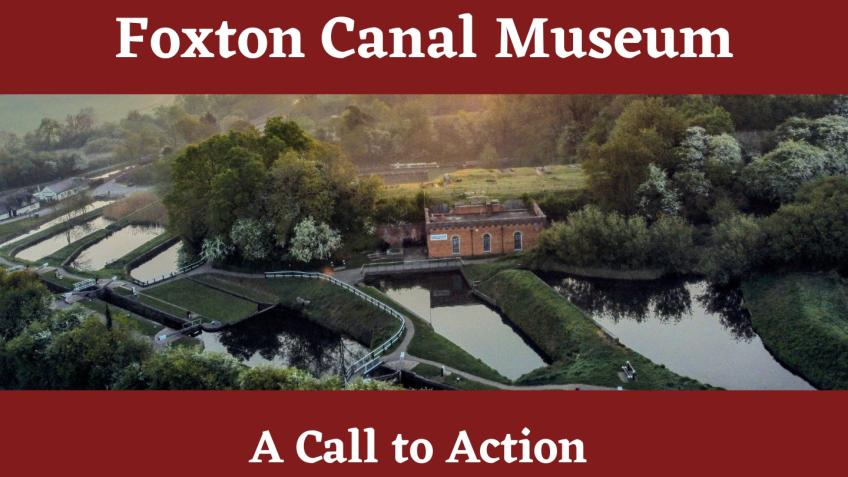
Foxton Canal Museum Launches Crowding Funding Campaign to Secure the Future of the Site

The Trustees of the Foxton Inclined Plane Trust have launched an urgent crowdfunding appeal to raise £20,000 by February so that the museum and site can open in 2026. A combination of rising costs, the long-term impact of COVID-19, and recent operational challenges—including lock closures that reduced visitor numbers this year—has left the Foxton Canal Museum, the beating heart of Foxton Locks and a vital guardian of Britain’s canal heritage, under threat. As a consequence, income has not kept pace with escalating expenses, making sustainability increasingly difficult.

The Museum tells the story of the Foxton Inclined Plane – a Victorian engineering marvel and a scheduled monument – and the people who shaped our waterways. Since its founding by the Foxton Inclined Plane Trust in 1982, the Museum has grown from a volunteer-led dream into a nationally recognized institution. It has hosted award-winning exhibitions, educational programs, and community events, becoming a hub for history, creativity, and learning.

From its humble beginnings – volunteers clearing overgrown inclines and rebuilding the boiler house – to achieving official museum status and welcoming thousands of visitors annually, Foxton Canal Museum has always been powered by passion and perseverance. Recent projects include Foxton Creates, a co-curated exhibition with local schools, and Ingenuity & Vision, exploring the 1950 Market Harborough Festival & Rally of Boats. The Museum also runs STEM workshops, artist residencies, and oral history projects, ensuring canal heritage remains relevant for future generations.

However, the Museum faces mounting financial pressure and without urgent support the Museum cannot guarantee opening in 2026.

To contribute to the Crowdfunding Appeal, and for more information about the site and the campaign to secure its future, follow this Link: https://www.crowdfunder.co.uk/p/save-foxton-canal-museum

Museum of Carpet, Kidderminster, Latest Industrial Site to Close in 2025

The Museum of Carpet in Kidderminster has announced that it will close on the 20th December 2025. The announcement earlier this month by the Chair of the Board of Trustees of the Carpet Museum Trust, adds another industrial heritage site in England to the closure list for 2025. For the Museum of Carpet, this was the culmination of a several years of rising energy prices, maintenance costs, loss of tenants, and reduced footfall.

The Kidderminster carpet museum is the latest industrial site to announce its closure in 2025. Other museums and heritage sites to close this year, or announce imminent closure, include Alford Windmill, Cannock Chase Mining Museum, Castleton Museum, Otterburne Textile Mill, and the Walsall Leather Museum.

The full closure statement from the Museum of Carpet is below:

“It is with deep regret that the Carpet Museum Trust announces the closure of the Museum of Carpet, Stour Vale Mill, Kidderminster, on the 20th December 2025. After 13 years serving the public as a centre of learning, culture and heritage the museum has, like many similar institutions, faced significant financial challenges in recent years.

Despite the dedication of staff, volunteers, Friends, Trustees, Corporate Partners and supporters the combination of rising energy prices, maintenance costs, loss of tenants and reduced footfall have made it unsustainable to continue operations at its present site. Efforts to secure additional long term funding have been explored extensively with the help of Museums Development Midlands and the Arts Council. Unfortunately, no sustainable solutions have been found to overcome these financial challenges.

The Carpet Museum Trust, will continue to be responsible for the management of its archives, displays and collections. Arrangements are being made to preserve and relocate the Museum’s collection for future generations as necessary and they will be made public once details are finalized .In the meantime access to these collections and archive will remain a priority for the Trust – please make enquiries via email to collections@museumofcarpet.org.uk

If you feel you are able to help or assist in any way please get in touch with me as below. In the meantime up to December 20th we hope that the people of Kidderminster and Wyre Forest will take the opportunity to show their support and appreciation of what we have accomplished by visiting us along with their families.

Geoffrey Gilbert.

Chair of the Board of Trustees, Carpet Museum Trust

Email. gilberga51@gmail.com”

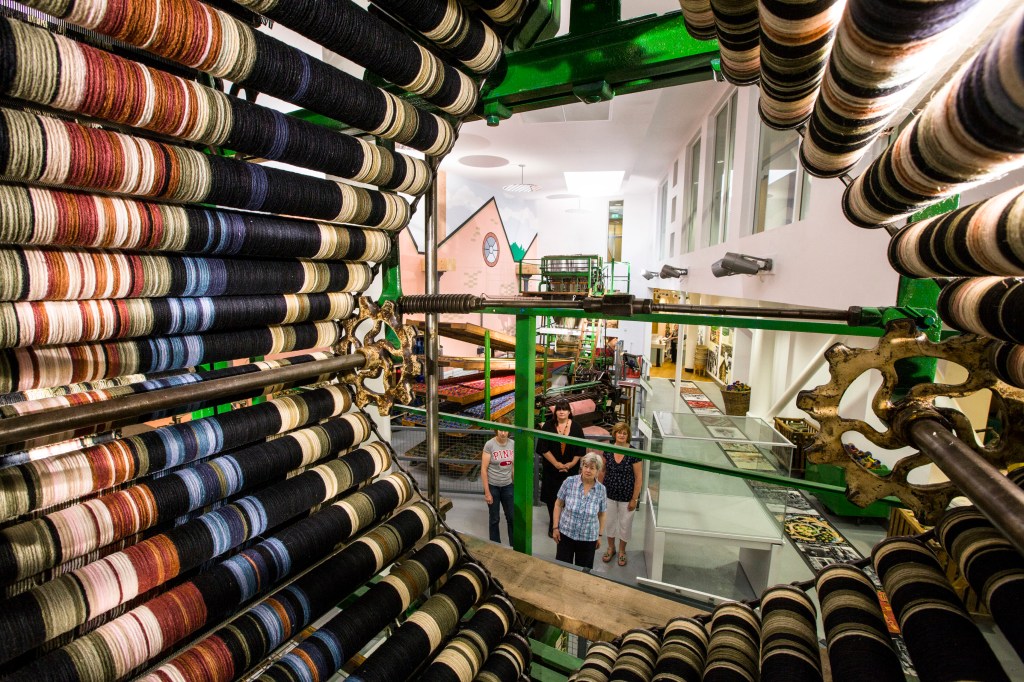
Kidderminster Museum of Carpet staff, volunteers, and weaving machine. Image coursey of Museum of Carpet.

Petition Opened to Stop the Closure of the Walsall Leather Museum

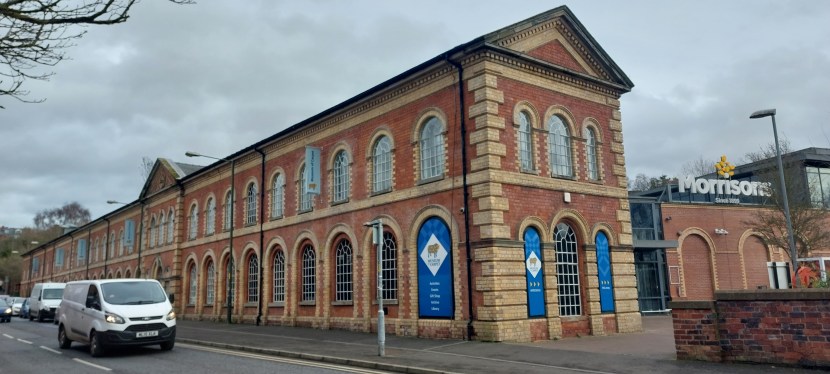
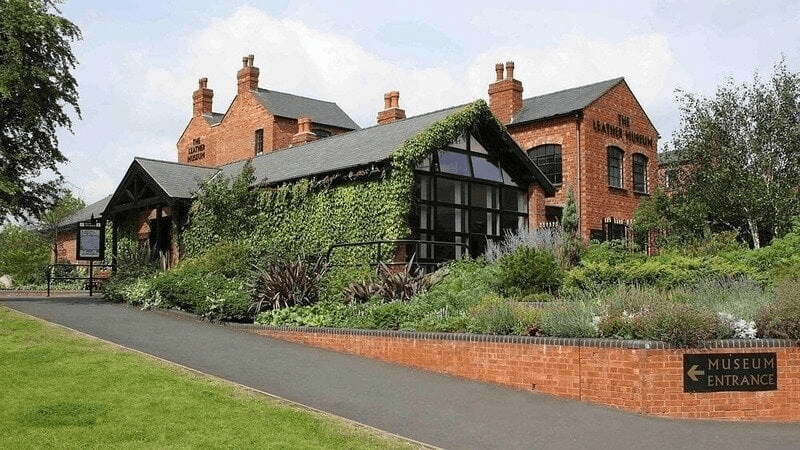
A campaign has been set up to persuade Walsall Council not to close the Walsall Leather Museum. In September Walsall Council announced that Walsall Leather Museum will close next year (2026), despite a stay of execution earlier this year. They have approved plans for finding and purchasing a new town centre building for the museum and to sell off the existing museum building, itself a former leather works in Littleton Street West, to the nearby Walsall College.

The petition, which was launched at the beginning of November, accuses the council of “silently stripping away a cherished historical community asset that belongs to all of us”, and adds that “this decision is being made behind closed doors, with no meaningful public consultation and no transparency about how or when these choices were or are made. They have no formal plans to provide an alternative building or protect the museum’s historic collections.”

You can view the petition here: https://www.change.org/p/stop-the-closure-of-walsall-leather-museum?fbclid=IwY2xjawOAFPFleHRuA2FlbQIxMQBzcnRjBmFwcF9pZBAyMjIwMzkxNzg4MjAwODkyAAEeL5Bk-Bk9UQ43lgNee6A3W3BBJV7NMeeGP2WAhyHwfvmwBIOd5gplTNj7lzA_aem_0shgQFPzBOMV9TAKuQvQ2w

Science Museum, London, Receives £10m+ Donation

The Science Museum, London, has announced the receipt of an eight-figure donation from the world’s largest vaccine manufacturer. The Serum Institute of India, led by its CEO Adar Poonawalla, has donated at least £10m to the museum.  The Serum Institute of India, founded in 1966, operates in more than 170 countries, and has delivered over 2 billion COVID-19 vaccine doses. The donation is the largest international donation in the museum’s history.

The museum said the capital will support the transformation of its twenty year old ‘Making the Modern World’ gallery into the ‘Ages of Invention: The Serum Institute Gallery’, set to re-open in 2028. The new gallery will “reflect current global concerns and scientific thinking”, and will be designed by Lawson Ward Studio, the architecture and design studio led by Hannah Lawson and Georgina Ward who were recently appointed as the gallery’s architect.  

Sir Ian Blatchford, Director and Chief Executive of the Science Museum Group, said that “‘Through our ambitious new Ages of Invention: The Serum Institute Gallery we will create the most significant display of objects from the history of science anywhere in the world. Visitors will be able to journey through 250 years of innovation and explore the scientific ideas shaping our lives today.”

Mr. Adar Poonawalla, CEO of Serum Institute of India, said: “With this contribution, which will help in bringing in a transformation to this iconic space, we strive to inspire the future generations and celebrate the incredible journey of science that shapes our world.’’ 

Due to open in 2028, Ages of Invention: The Serum Institute Gallery will feature the most significant display of objects from the history of science, technology, and engineering anywhere in the world. From the rise of the industrialised world to the emergence of new scientific fields, this dramatic and engaging gallery will invite visitors to explore 250 years of innovation to discover the extraordinary objects, stories and people behind the scientific ideas that changed our lives. Significant objects set to feature in Ages of Invention: The Serum Institute Gallery include the telescope used by astronomer Caroline Herschel (1795); the world’s oldest surviving steam locomotive, Puffing Billy (1813–1814); J.J. Thomson’s cathode ray tube used in the discovery of the electron (1897); Tucker Sno-cat used in the Commonwealth Trans-Antarctica Expedition (1955), and Tracy, one of the first transgenic sheep (1990–97).

For more details follow this link: https://www.sciencemuseum.org.uk/about-us/press-office/science-museum-receives-largest-international-donation-date-enabling

A view of the Making the Modern World gallery. Image copyright Science Museum Group.

Industrial Museums Amongst Museum Renewal Fund Recipients

Seventy-five civic museums across England will share £20m through the UK Government’s Museum Renewal Fund. The monies will be distributed Arts Council England. The funding forms part of the £270 million ‘Arts Everywhere Fund’ launched in February 2025. The funding will be used by museums to support work towards stabilising their financial situation and building towards sustainable and thriving futures. It must be spent by the end of January 2026.

Local authority and other civic musuems services with industrial sites receiving more than £5 million in funding include:

  • Barnsley Museums (£266,273)
  • Birmingham Museums Trust (£994,742)
  • Bradford Museums and Galleries (£125,000)
  • Bridport Museum Trust (£29,218)
  • Bristol Museums (£495,320)
  • Chatham Historic Dockyard Trust (£533,084)
  • Dean Heritage Centre (Forest of Dean) (£58,285)
  • Derby Museums (£799,700)
  • Leeds Museums and Galleries (£952,000)
  • Museum of Royal Worcester CIO (£228,343)
  • Norfolk Museums Service (£360,000)
  • People’s History Museum (Manchester) (£652,157)
  • The Food Museum (£351,112)
  • The World of Glass (St Helens) (£286,000)

The full list of museums supported, and further details, can be found here: https://www.artscouncil.org.uk/creative-matters/news/museum-renewal-fund-stabilising-now-building-future

Dean Heritage Centre, Forest of Dean. Image courset of Dean Heritage Centre.

Walsall’s Leather Museum Will Close, Afterall

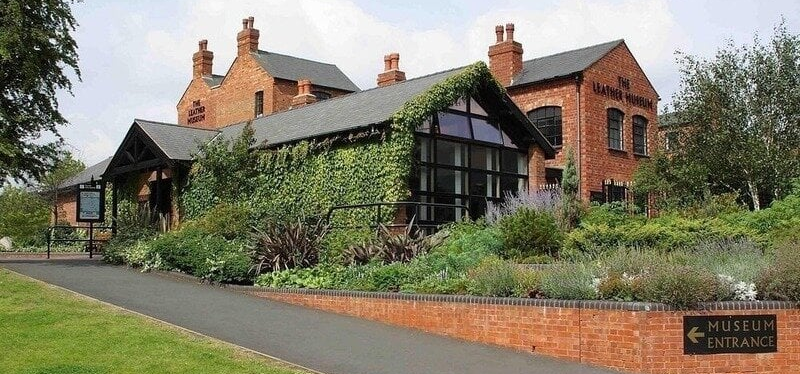
Walsall Council has announced that Walsall Leather Museum will close next year (2026), despite a stay of execution earlier this year. The Council met on Wednesday, September 24, to approve plans for purchasing a new town centre building for the museum and to sell off the existing museum building, it self a former leather works in Littleton Street West, to the nearby Walsall College.

In February a petition against any sale, closure, or relocation of the Museum attracted 6,491 signatures and hundreds of people attended a demonstration and march at the time to oppose the closure. The Council cabinet announced on February 12 that Walsall Leather Museum would remain open in its current location to allow them to meet with stakeholders, deferring any decision until 2026. However, this new decision means that the museum will close without any new premsies being identified and without a long term plan for the contents of the museum.

Further details here: ttps://www.expressandstar.com/entertainment/attractions/2025/09/25/youre-destroying-the-cultural-heritage-of-walsall-by-moving-the-leather-museum-says-mp/

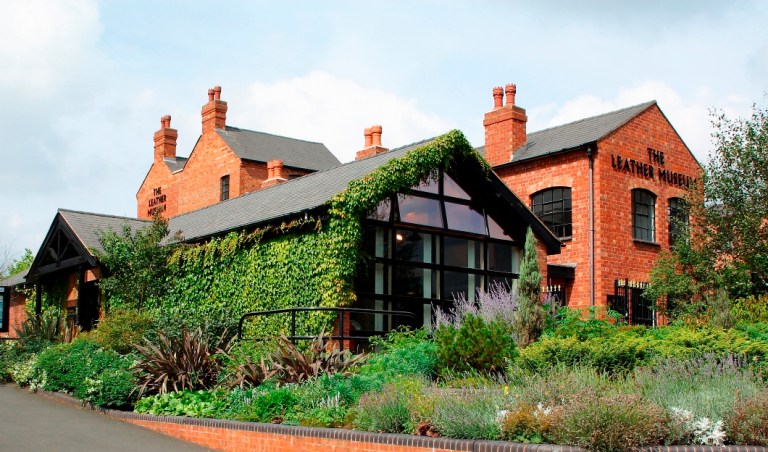
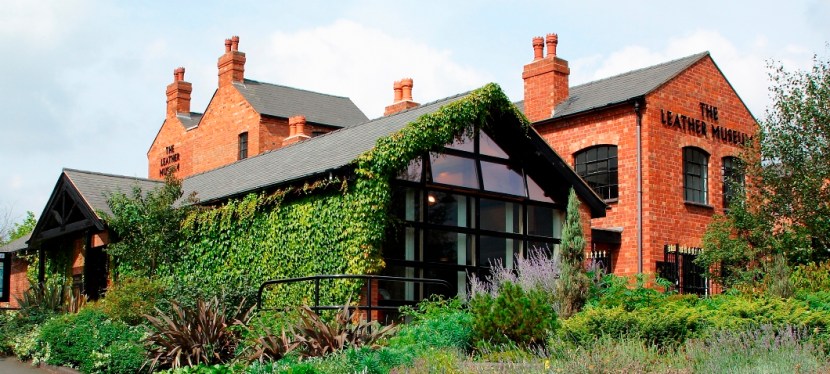
Walsdall Leather Museum. Image courtesy of Walsall Letaher Museum.

World of Glass Museum Saved from Closure Through Supporters’ Fundraising

The World of Glass Museum in St Helens has been saved from closure, ahead of its 25th anniversary year in 2026. The museum was facing a combination of increasing competition for funding across the charity sector, and a steep rise in annual running costs which threatened its immediate future (see blog 2nd July). In response the museum launched an emergency funding appeal.

The Museum reported that a crowdfunding appeal had raised £27,000, and in addition they had received generous support from local firms, grant funders, and community fundraisers. This has brought the total of funds raised to £87,000. Sarah Taylor, World of Glass chief executive, said: “This support has been so inspiring….We’re breathing a huge sigh of relief. Thanks to this funding, we can plan for the future with confidence. We are proud to be a free museum, committed to sharing art, history, and culture with everyone — regardless of background or income.”

For further details follow this link: https://www.worldofglass.com/

Museum of Glass, St Helens, showing The Hotties furnace. Image courtesy of Museum of Glass.