European Fossil Fuels Needs Survey Of Industrial Heritage Sites

The Working Industrial & Mobile Heritage (WIMH) platform is being developed by umbrella organisations from throughout the industrial and mobile heritage sector in Europe. The European Route of Industrial Heritage (ERIH) is one of the partners in this project. The group is appealing to ERIH members and other industrial heritage sites in the UK for help in collecting evidence to protect a hugely important element of our industrial museums across Europe – their heritage in operation. Other partners currently include: TICCIH – The International Committee for Conservation of the Industrial Heritage; FEDECRAIL – Federation of European Museum & Tourist Railways; FIVA – Federation Internationale des Vehicules Anciens; and the Europa Nostra Industrial & Engineering Heritage Committee.

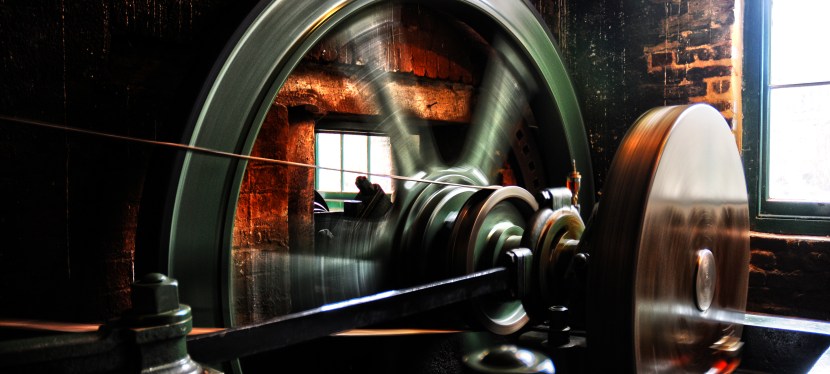
The working industrial and mobile heritage sector embraces historic machinery at industrial heritage sites and museums, railways, steam ships, road vehicles, and aviation. These all constitute a “social testimony” which ensures that the essential “know how” for the operation of steam powered machinery and combustion engines should not be lost for future generations. Cultural heritage enriches the lives of people and plays a role in enhancing Europe’s social capital. Our sector is also an important resource for economic growth, employment and social cohesion. Working industrial and mobile heritage depends on the continued and limited availability of fossil fuels, like coal and oil-based derivatives. Such fuels remain necessary for the dynamics of heritage machines and vehicles.

As set out in in the 2014 document “Towards an Integrated Approach to Cultural Heritage for Europe”, the European Union is committed to promoting industrial heritage. Our sector is currently facing certain challenges, such as reliance on a limited availability of fossil fuels. The European Union, and other national governments such as the UK throughout Europe, need to take a balanced approach to the almost negligible environmental impact of limited fossil fuel usage by the sector and the legitimate objective of preserving this heritage. For example, assisted also by retaining a continued source of suitable coal at a location within Europe.

A key task of the WIMH partnership is to try to gather as much data as possible of the current annual consumption of our sector, especially of coal but also historic oil based fuels. Considerable efforts have already been made in particular by the railway heritage sector in several countries, including the UK, and research is being undertaken by the historic road transport sector.

Who should respond?

Working from this foundation, the next steps are to build up a picture of at least approximate fossil fuel usage from the industrial heritage sector. This survey is for museums and heritage sites for whom fossil fuel power is needed for continued operation of pumps and industrial machines which form such an important part of the interpretation to the public at our sites. Not only coal-fired boilers and equipment, but also other machinery which operate with petrol, diesel, or other traditional oil based fuels. Follow this link to fill in the survey:

https://docs.google.com/forms/d/e/1FAIpQLSeFZ-1De8tw3OtpajPVj5aaGpxupHA73NSHOcHWXe3UEBmC-w/viewform?s=09

For any questions, please contact Hildebrand de Boer, ERIH Board Member + Liaison Officer ERIH + WIMH  hildebrandeboer@hotmail.com

Historic England Adds Interactive Map to its Historic Manufactured Gas Webpages

Historic England has added an interactive map to its Historic Gas Industry webpages. The new feature allows researchers to search for manufactured gas sites in England from the 19th and 20th centuries and to view summary details about each site. This new feature expands the resources already available for those wishing to research the local manufacture of gas, which already includes a detailed overview report on the history of the manufactured gas industry in England, a heritage assets guide, and advice on recording such sites.

The new interactive map shows the location of hundreds of sites including listed gasworks buildings and gasholders, non-designated surviving gasworks buildings and gasholders, possible surviving structures related to the industry, sites with only below ground evidence, and sites only known from map evidence. The map also has links to the relevant Aerofilms Collection of aerial photographs where these show these gas industry sites, a database which is held by Historic England.

To view the interactive map follow this link: https://historicengland.org.uk/research/current/discover-and-understand/industry-and-infrastructure/manufactured-gas-industry/

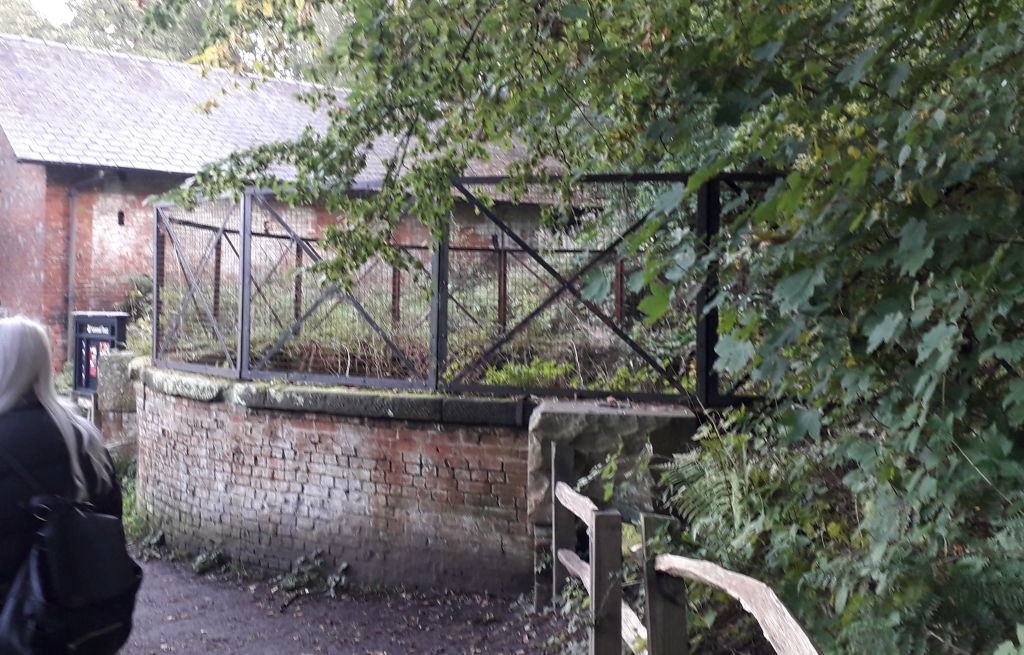
The base of the the 1864-5 gasholder at Quarry Bank Mill, Cheshire. Gas manufacture on the site ceased in 1904, but the gasholder was retained for several years thereafter to cope with periods of peak demand. Image copyright: Dr Michael Nevell.

Cultural Development Fund: Round Four Opens

Arts Council England have announced the next stage of funding from the Cultural Development Fund. This is part of the wider Cultural Investment Fund which is funded by the Department for Media, Culture, and Sport and delivered by Arts Council England. In the past three rounds several industrial heritage sites and museums have been successful in applications, such as Elsecar Heritage Centre in Barnsley.

Stage Four has a total of £15.2 million on offer, with grants ranging between £2 million and £5 million. In order to be eligible for Round Four, you must be either a local partnership led by a local authority, a Local Enterprise Partnership, or another appropriate body. The Cultural Development Fund aims to ‘unlock local growth, productivity and regenerate communities through capital investment in culture’. This money will act as a ‘boost’ for cultural venues across the country and improve access to culture. The Arts Council encourages applications from ‘Places that have a strategic vision for their development and can demonstrate both cultural maturity and commitment to culture-led growth but need investment in physical and/or digital infrastructure or other assets to accelerate and maximise their impact.’

The window for expression of interest for these grants opened on Monday 5th February 2024. The deadline for expressions of interest closes at 12pm on Friday 15th March 2024. Thereafter, applications open on Monday 8th April 2024, and the final deadline for submission will be at 12pm Friday 17th May 2024. To view the full announcement and to check your eligibility visit the Arts Council England website.

Post-Medieval Archaeology Research Grants 2024

The deadline for the Society Post-Medieval Archaeology‘s 2024 Post-Medieval Archaeology Research Grant application is Friday, 1 March. The Society makes small research grants, twice a year.

SPMA grants enable research projects and publications to be undertaken on the post-medieval archaeology of Britain, Europe, and the wider world, from c.1500 to the present day. Deadlines are 1 March and 1 September each year and the total fund available in each round is £2000.

For details, please visit https://spma.org.uk/research-grants

National Mills Weekend 2024, May 11th & 12th

The National Mills Weekend for 2024 will take place on 11 & 12 May 2024. Run once again by SPAB, this year’s theme will be ‘Enjoy Your Mill – Get Involved’. If you own or manage a mill and would like to take part in National Mills Weekend, please submit your details by 1st March using the link to the online form at the bottom of this page.

SPAB will use this information to update their Visit a Mill page on their website. If information is received after the deadline, SPAB cannot guarantee that your entry will be updated in time for National Mills Weekend.

More details of the event will be available on the SPAB website on the National Mills Weekend page in the spring. You will be able to download an information pack and a poster from the website. If you have any questions in the meantime, please email millsinfo@spab.org.uk.

Follow this link to register your site: https://forms.office.com/Pages/ResponsePage.aspx?id=c204gnlFbk-5mlcoglTpYGXDUBm8WgFIvYdS_7WR9LZUOVQwUUhZQjY5WlVSUEswQktHM0lTMzlaUy4u

Industrial History Research Event at the Discovery Museum, Newcastle-upon-Tyne, February 2024

Calling all family, social, and industrial historians! Together with Bluegrass Research, the Science Museum Group invite you to take part in-person in a free research workshop all about the Congruence Engine.

The Congruence Engine project uses the latest digital techniques to connect industrial history collections held in different locations. It aims to create a prototype ‘digital toolbox’ for everyone fascinated by industrial past, to connect items from the nation’s collection to tell the stories about history that they want to tell.

The free research event is being held at the Discovery Museum, Blandford Square, Newcastle- upon-Tyne, NE1 4JA, on Tuesday 13th February 6pm – 9pm. Attendees do not need to have any prior knowledge of the Congruence Engine project to participate, but active participation in event discussions will be required. As a thank you for time and participation, and to cover expenses, all registered attendees will receive £25 after the event.

As event numbers are limited, please register your interest by emailing lydia.neave@bluegrassresearch.co.uk with your phone number and a brief description of your area of historical interest. Following this, your place will be confirmed with a registration email on a first come first served basis.

Middleport Pottery Bottle Oven Online Appeal

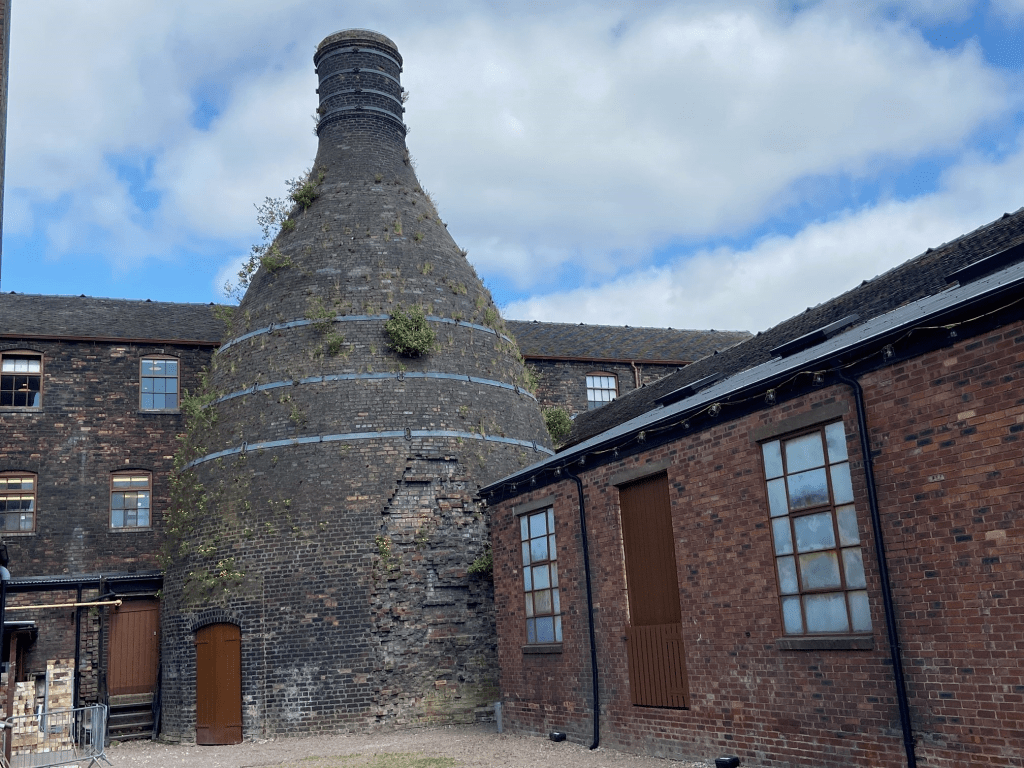
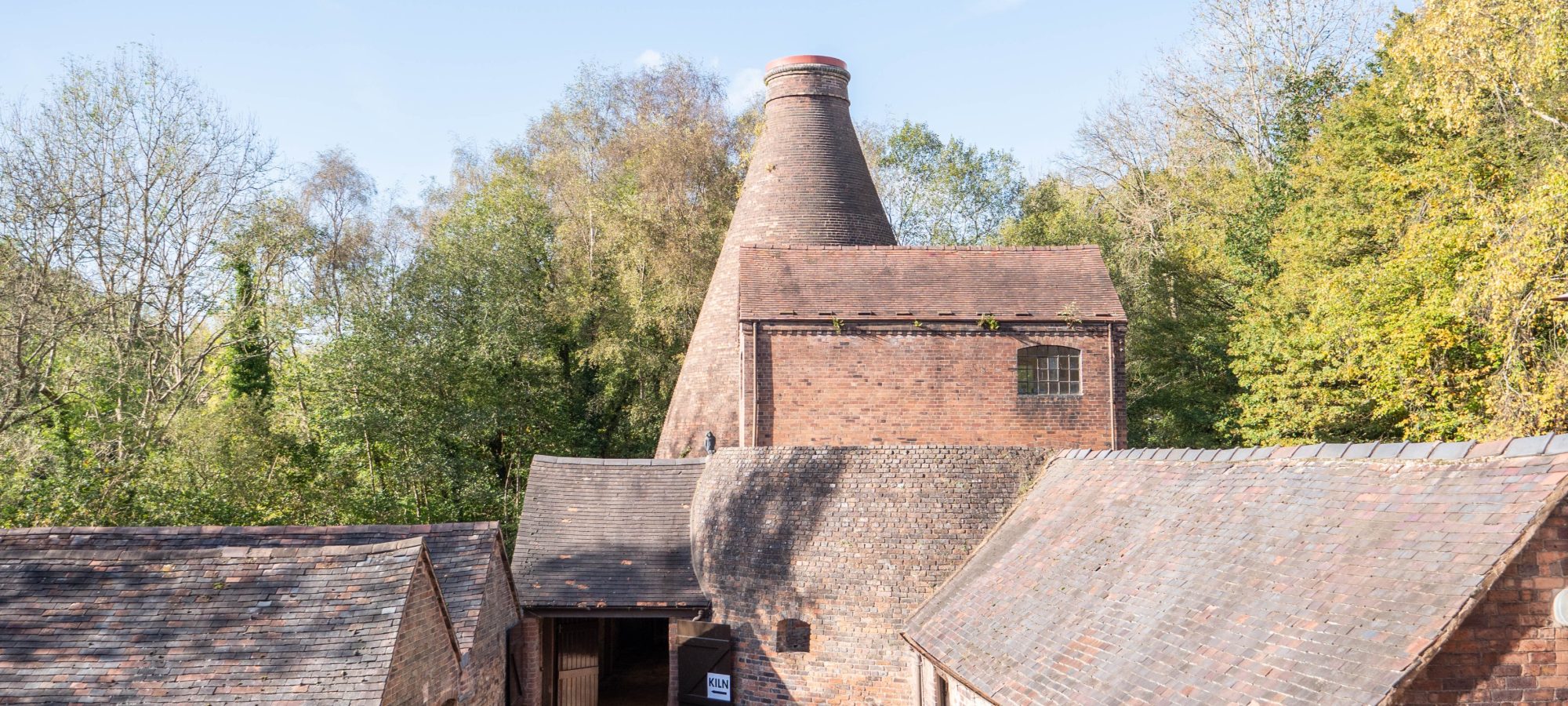
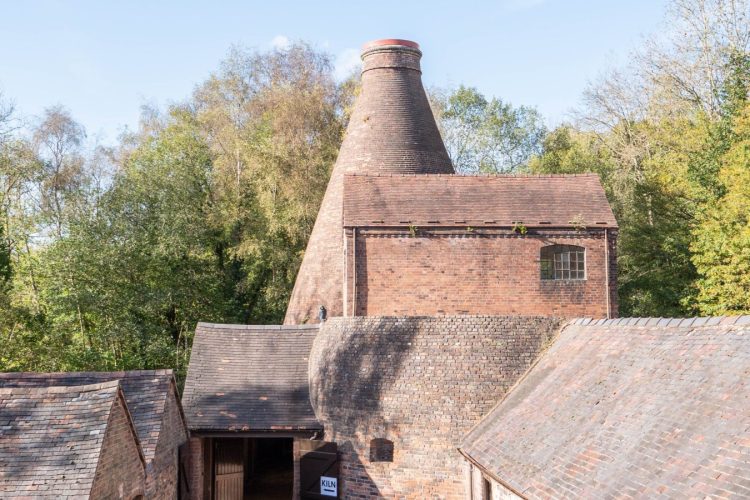
Middleport Pottery, Stoke-0n-Trent, has launched an online appeal to raise £1600 to help with maintenance work on its iconic Bottle Oven. In particular the charity Re-Form Heritage, who own and run the site, need to remove foliage and to ensure the structure remains safe.

Middleport Pottery was established in 1888-89 by Burgess & Leigh Ltd, as a ‘model pottery’ for the period. The Grade II* Bottle Kiln was first fired in the late 19th century and continued working until the 1960s. During the kiln’s working life heat from the regular firing destroyed any plant seeds attaching themselves to the brickwork and in the mortar joints, which protected it from vegetation growth; with no firing, it lost its mechanism to defend its structure.

To help Re-Form Heritage reach their target of £1600 for removing and cleaning the exterior of the bottle kiln please follow this link: https://localgiving.org/appeal/Bottle-Kiln-Makeover/…

The iconic bottle kiln at Middleport Pottery. Image courtesy of Re-Form Heritage.

SPAB Mills Online Day Event: Problems & Solutions – 2nd March 2024

SPAB is running an online mills day event on Saturday March 2nd providing an insight into problems and how they have been solved both in windmills and watermills.

All SPAB speakers are experts in their own field and have come across problems both before and during work on a mill. Using a variety of mill case studies (including Burseldon Windmill, Kibworth Harcourt Post Mill, and Wicken Smock Windmill) to illustrate how they overcame the problems. The speakers will be millwrights both volunteer and professional, millwright consultants, also a structural engineer, and Chairman of the Hampshire Buildings Preservation Trust. 

SPAB hopes that you will be part of the day starting at 10am, with 40-minute talks with time for Q & A’s. There will be a break during the morning, then lunch, and another break in the afternoon before the summing up of the day with any more questions.

Please note that the last day for booking this event will be Friday 1st March 4pm. A recording of the talks will be available after the event for all bookings that were registered before 2nd March 2024. Price: £20 Early Bird until Wednesday 21 February 2024, then £25. For further details follow this link:

https://www.spab.org.uk/whats-on/lectures/spab-mills-day-event-problems-solutions

A damaged windmill sail. Image copyright Tim Whiting.

SPAB Advice on how to Protect Your Old Building in Winter

As the UK is experiencing a particularly stormy winter, with excessive rainfall and cold spells, now is a good time to review the free advice and guidance from the  Society for the Protection of Ancient Buildings (SPAB) regarding the winter maintenance of old buildings. Whilst much of this is framed around domestic structures, the advice is also applicable to industrial buildings.

SPAB advises regular checks and maintenance on structures, whether they are a home or an old industrial building, as a way of making a huge difference to a building’s condition, lifespan, and energy efficiency. Follow this link for advice on preparing your old industrial building for cold weather: https://www.spab.org.uk/news/how-protect-your-old-building-winter-weather

And here is the link on how to keep your old building dry: https://www.spab.org.uk/news/money-saving-maintenance-tips-keep-your-home-warm-and-dry-winter

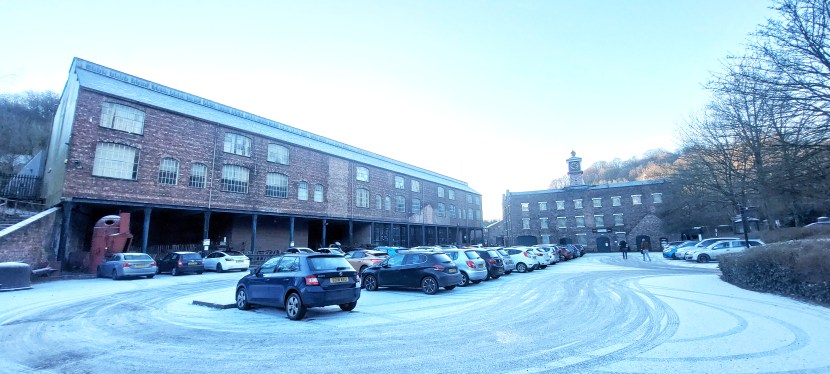
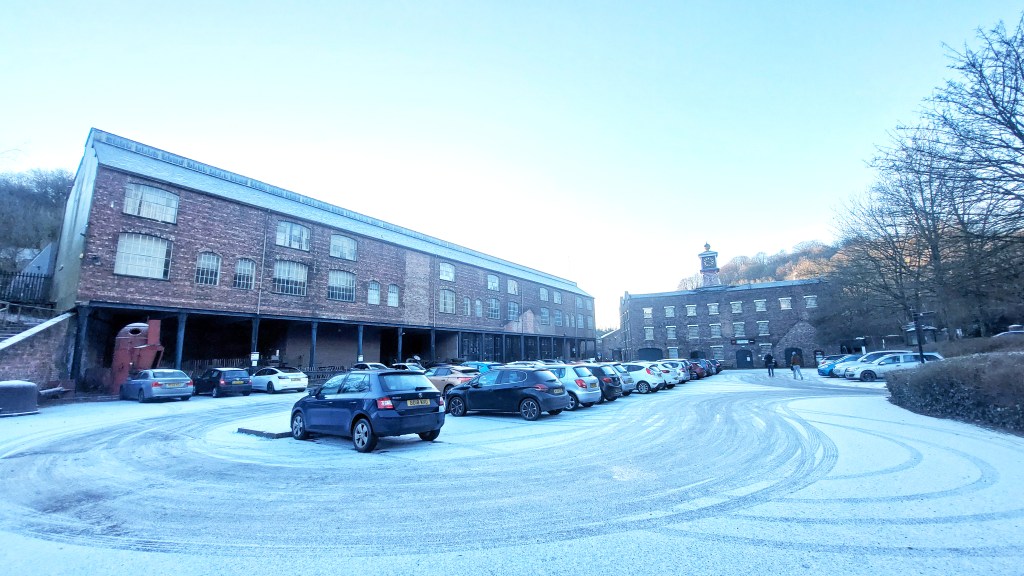
The Longwarehouse and Museum of Iron in snow, January 2024. Copyright Dr Michael Nevell.

Industrial Heritage Museums Facing Closure in 2024

The cost of living crisis combined with cuts to Local Authority budgets in England are leading to the closure, or proposed closure, of industrial heritage sites and museums in 2024. Closures and threatened closures cover sites from Kent and Cornwall, to Hampshire and Yorkshire.

The Heartlands Trust and Cornwall Council have announced that the Heartlands Mining Heritage Centre, in Pool, Cornwall, is set to close, although the surrounding park, offices, and shops will remain open managed by the Council. The heritage centre opened in 2012. The Heartlands Trust said on its website (https://www.heartlandscornwall.com/) that it would cease trading at the end of January and “would like to express our gratitude to everyone for their support over the past 12 years”. A joint statement from the trust and the local council said: “Heartlands had never seen itself as a commercial operation but finance has always been precarious. Budget over-runs on the original build project meant vital units intended to provide rental streams were never built and intended developer contributions for playground maintenance were never received.” Further details here: https://www.bbc.co.uk/news/uk-england-cornwall-67924474)

In February 2023, Eastleigh Borough Council, which part funded the day-to-day operational costs of Bursledon Windmill, informed Hampshire Cultural Trust of their intention to withdraw their funding from the end of August 2023. Simultaneously, as part of a project to refurbish and replace the mill sails, Hampshire Cultural Trust commissioned a full health and safety report, the outcome of which was a requirement either to have staff available 24 hours a day, seven days a week to turn the mill, or to install a new tethering system for the sails. As of 14 November 2023, there has been no further decision regarding the long-term future of Bursledon Windmill and if it will continue to be open to the public after 1 April 2024. Hampshire Cultural Trust is continuing to work with HBPT and Hampshire County Council to seek clarity. Further details here: https://www.hampshireculture.org.uk/bursledon-windmill

Just before Christmas 2023 Kent County Council announced a consultation on proposals to change the ownership arrangements of the eight windmills that are currently owned by KCC for eight windmills across the county for which it is currently responsible. The windmills affected are Chillenden Mill, Union Mill, Herne Mill, Drapers Mill, Meopham Mill, Davison’s Mill, West Kingsdown Mill, and Stocks Mill. The move would save the council around £800,000 during the years 2024 to 2029. Several of the mills are run by local voluntary groups who open the sites to the public. The proposal would be a change to the current strategy set out in the Kent Heritage Conversation Strategy and as such needs to go to public consultation. The consultation ends on January 29th 2024. Further details here: https://www.kentonline.co.uk/kent/news/have-your-say-on-plans-to-sell-off-kent-s-windmills-297729/

The future of Thwaites Mill Museum in Leeds, where the local council is considering end its lease with the Canal and River Trust in 2025 (see https://industrialheritagenetworks.com/2023/12/18/thwaite-watermill-museum-under-threat-from-local-authority-budget-cuts/), remains unclear.

During the period 2020 to 2022 no industrial heritage sites nor industrial museums closed in England due to the COVID pandemic.