Walthamstow Pumphouse Museum and Markfield Beam Engine Announce Merger

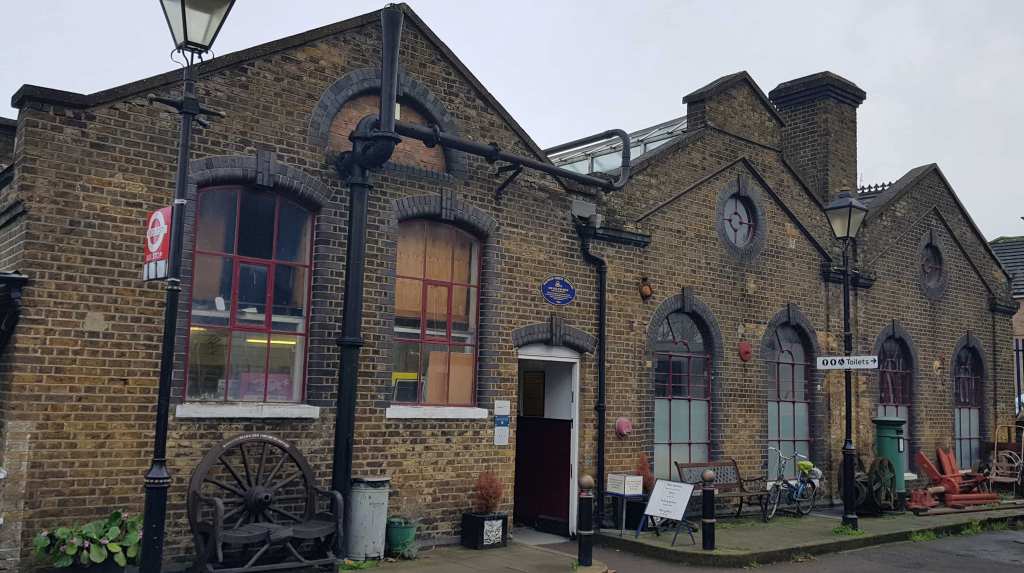
Walthamstow Pumphouse Museum and Markfield Beam Engine and Museum have merged under a new umbrella organisation, the Heritage and Communities Trust. The merger, which was finalised on 31st January 2025, brings together two of Greater London’s well-known industrial heritage sites.

Both museums will retain their individual names and distinct identities while benefiting from shared resources, expertise, and a unified governance structure. This strategic partnership creates the largest dedicated industrial heritage charity within Greater London in terms of public benefit and multi-site operation.

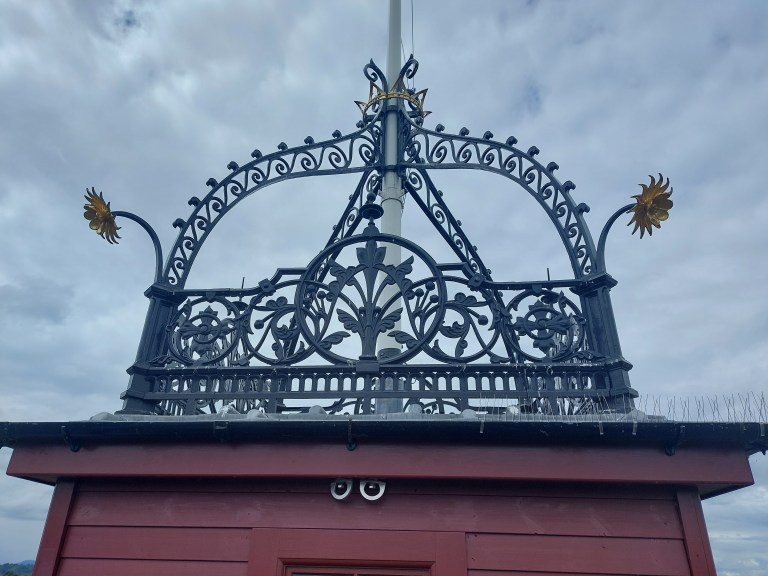
The flywheel of the pumping engine at Markfield. Image courtesy of Heritage & Comunities Trust.

The merger builds upon years of collaboration between the two listed Victorian-era sewage pumping stations, which are located approximately 45 minutes apart on foot along the River Lea. Both museums will continue to offer free entry to visitors, maintaining their commitment to accessibility and community engagement. “By joining forces, we’re creating a stronger, more resilient organisation that can better preserve and celebrate our shared industrial heritage,” said Abdullah Seba, Chief Executive of the Heritage and Communities Trust. “Our visitors will benefit from enhanced programming, improved facilities, and a more comprehensive understanding of London’s industrial past.”

The newly formed Heritage and Communities Trust will oversee both museums as well as two attractions at the Walthamstow Pumphouse Museum: The Tool House (a community maker space) and Supperclub.tube (a pop-up dining experience in a decommissioned Victoria Line carriage), with plans for further growth in the future. The Board of Trustees for the Heritage and Communities Trust includes representatives from both original museums to ensure continuity and balanced governance. Both museums will remain free to enter, continuing their position as the only free-entry industrial heritage museums in Greater London.

Walthamstow Pumphouse was built for Walthamstow Urban District Council and extended in 1896 to accommodate the current engine. It was closed around 1970. The museum opened in 1997 when a group of local enthusiasts came together to restore the Grade II listed Marshall engines and form the Friends of the Pumphouse. Markfield Beam Engine was built by the Tottenham Local Health Board in the 1880s and began its working life in 1888. It closed in 1964. In 1984 a Trust took on responsibility for the engine. In 2007 Haringey Council regenerated Markfield Park and restored the Grade 2 listed Engine Hall. The Trust restored the beam engine to full working order in 2008.

The Walthamstow Pumphouse Museum is open every Sunday from 10:30 am to 16:00 pm. Visit the website here. Markfield Beam Engine is open on selected Sundays and Bank Holiday Mondays. Visit the website here.

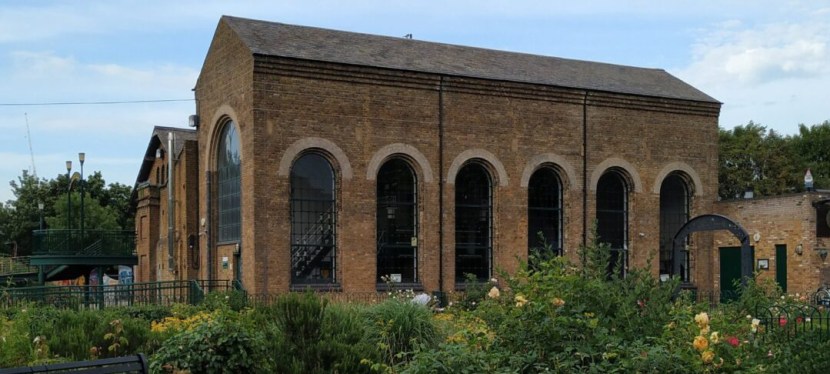
The Walthamstow Pumphouse. Image courtesy of Heritage & Communities Trust.

Woodbridge Tide Mill Launches Appeal to Renovate Exterior

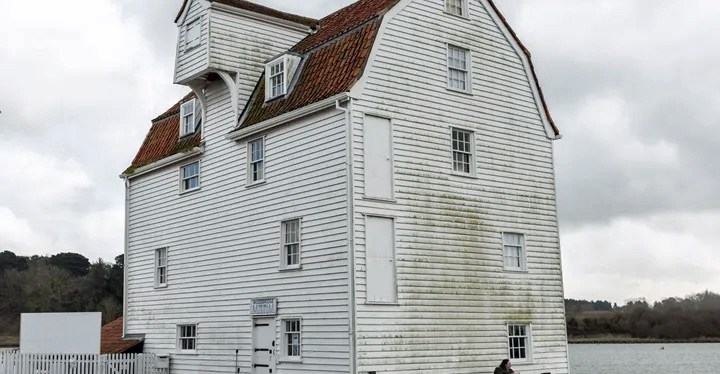
Woodbridge Tide Mill Museum, in Suffolk, is appealling for online donations to raise money for major restoration of the exterior of the listed mill. The museum, in Suffolk, has said the effects of being on the riverfront has meant weatherproof paint needs applying. Museum trustees are hoping that online donations will help them reach a £60,000 fundraising target for the restoration project by September.

John Carrington, Tide Mill Charitable Trust Chairman, said: “Visitor income is insufficient to maintain the Mill and so the trustees must use grant applications and fundraising.” The tide mill, built in 1793, is the fourth to be located on the site. The earliest date for a mill building is from 1170. The structure is one of only a handful of working tide mills left in Britain.

More details about the mill can be found here. The Woodbridge Tide Mill Museum summer opening hours start on the 1st April. To donate to the restoration appeal follow this link: https://www.gofundme.com/f/850-year-old-iconic-lady-in-urgent-need-of-a-face-lift

Woodbridge Tide Mill, Suffolk. Image courtesyt of Woodbridge Tide mill museum.

Seven Industrial Museums Share £7.25m as Part of £270m Package of Support for Museums and Heritage Venues

Land of Iron, North Yorkshire. Image copyright Dr Michael Nevell

Museums, arts venues, libraries, and heritage attractions in urgent need of financial are to recieve significant Government funding. The ‘Arts Everywhere Fund’ totals £270m, and is to be shared between organisations the UK Government deems in most urgent need of financial support. It consists of both new and renewed funds for the sector.

As part of this package of support, five Industrial Heritage museums and sites will share grants from the 5th round of MEND support worth £7,253,849. These sites are:

  • Bletchley Park – £2,451,350
  • Land of Iron – £655,907
  • London Museum of Water & Steam – £2,626,277
  • Queen Street Mill – £813,115
  • Wheal Martyn Clay Works – £707,200

The £270m package of support will be targeted at organisations in urgent need of financial support to keep them up and running, carry out vital infrastructure work, and improve long term financial resilience. The support includes: 

  • A fifth round of the Museum Estate and Development (MEND) Fund worth £25 million
  • A new £20 million Museum Renewal Fund offering much-needed support to 29 civic museums  
  • An additional £120 million to continue the Public Bodies Infrastructure Fund
  • An additional £15 million for Heritage at Risk through Historic England 
  • A new £4.85 million Heritage Revival Fund
  • A 5% increase to national museums and galleries budgets  
  • Confirmation that DCMS will be providing £3.2 million in funding through the Museums and Schools Programme, the Heritage Schools Programme, the Art & Design National Saturday Club and the BFI Film Academy. 

The Association for Independent Museums (AIM) Director Lisa Ollerhead said, “We very much welcome this significant investment. It is fantastic news for the sector, not least given the pressure the public purse is under.  It also underlines the important role museums and heritage organisations play in strengthening our communities, boosting our economy and providing strong foundations for our creative industries.” 

The full announcement can be found here: https://www.gov.uk/government/news/major-investment-to-boost-growth-and-cement-britains-place-as-cultural-powerhouse

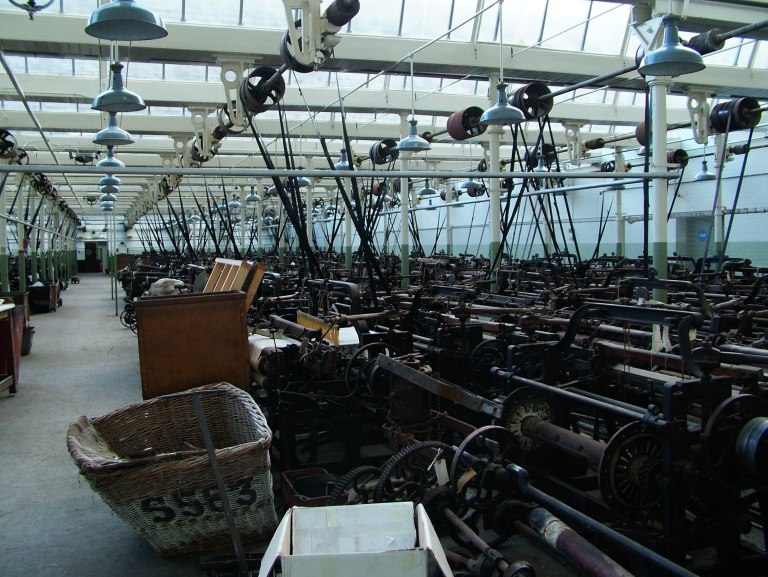
The weaving shed at Queen Street Mill, Burnley, Lancashire. Image copyrighht Dr Michael Nevell.

The Balkerne Water Tower, ‘Jumbo’, Recieves £8m NLHF Grant

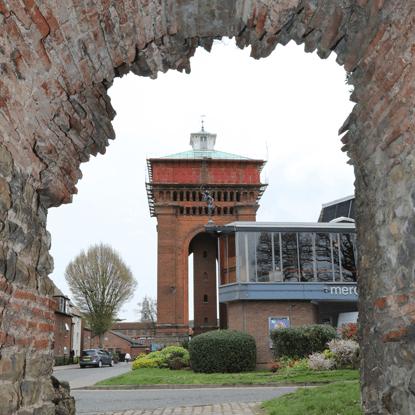
North Essex Heritage (NEH), which has a 150 year lease on the Balkerne Water Tower, Colchester’s last intact listed water tower, has recieved an £8m grant from the National Lottery Heritage Fund. Affectionately known ‘Jumbo’, the money will help conservere the water tower and open it up to the public as a heritage attraction. The work to secure the future of the water tower will start in spring 2025 and be completed in mid 2027, when Jumbo will be open to the public for the first time in its 143 year history.

The grant will be used to make the 40m (131ft) tower fully accessible to the public for the first time as a heritage and events space. Simon Hall, chair of North Essex Heritage, the site’s leaseholders, said “This breathtaking support from the National Lottery Heritage Fund is a game-changer for our project and our city.”

The 131ft tall Grade II* Listed tower was originally constructed using 1.2m locally produced bricks in 1883. It could hold up to 1,000 tonnes of water when it was in use. It was used for its original purpose until 1984 and has been empty ever since.

Further details here: https://www.savejumbo.org.uk/

The Balkerne Water Tower, known as ‘Jumbo’. Image courtesy of North Essex Heritage

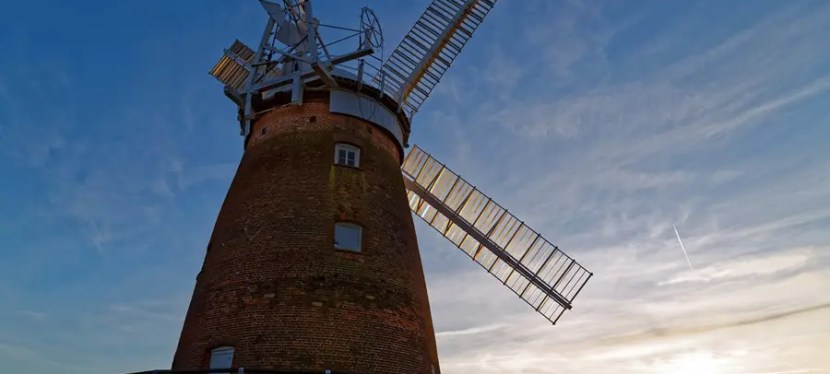
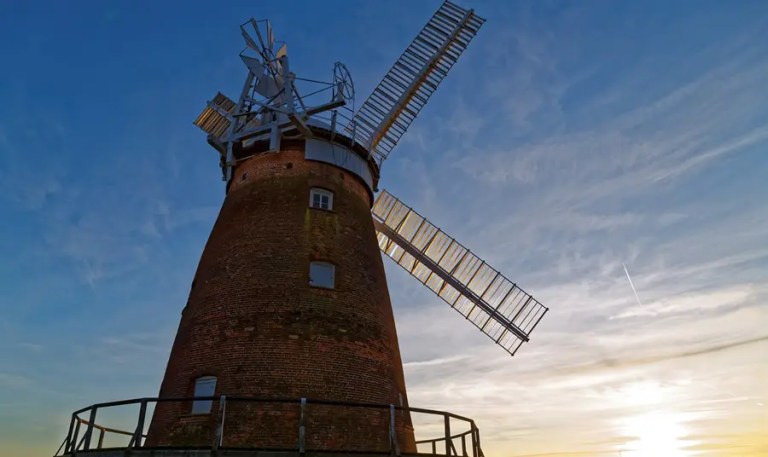
Thaxted Windmill Recieves £1.6m for Restoration Work

The National Lottery Heritage Fund and Historic England have given grant funding worth £1.6 million (£1.3 million from The National Lottery Heritage Fund and £300,000 from Historic England) for the restoration of Thaxted Windmill in Essex.

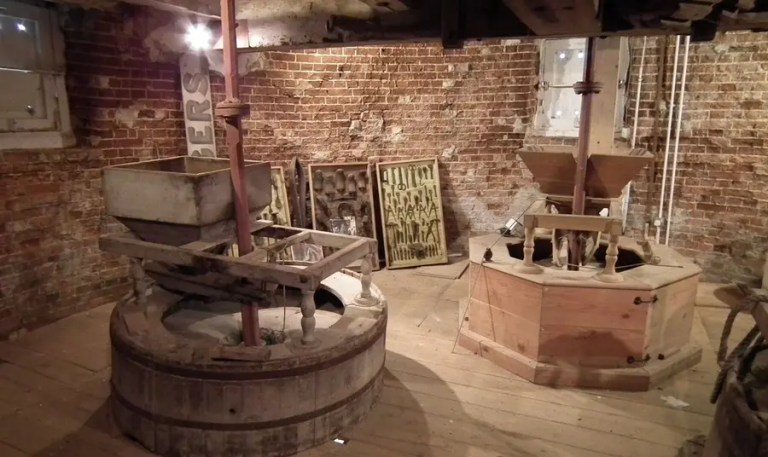
The Stone Floor at Thaxted Windmill. Credit: Trustees of Thaxted Windmill.

The project will repair and restore the building and its millwrighting machinery, improve visitor access, and enable volunteer involvement and community engagement. Repairs to the brick tower will halt the decaying process and protect the building from water leaks. Windows, doors and wood panelling will be repaired. The Windmill mechanism, including the sails, winding gear and internal milling machinery, will be restored, enabling the historic windmill to grind grain once more.

In addition, there will be public open days, sensory experiences will be created, and the Windmill landscape will be managed for biodiversity.

For further details follow this link: https://www.heritagefund.org.uk/projects/thaxted-windmill-conserved-its-community

Thaxted Windmill, Essex. Credit: Acabashi, Wikimedia Commons.

Canal & River Trust Launch Emergency Appeal After Winter Storms Damage

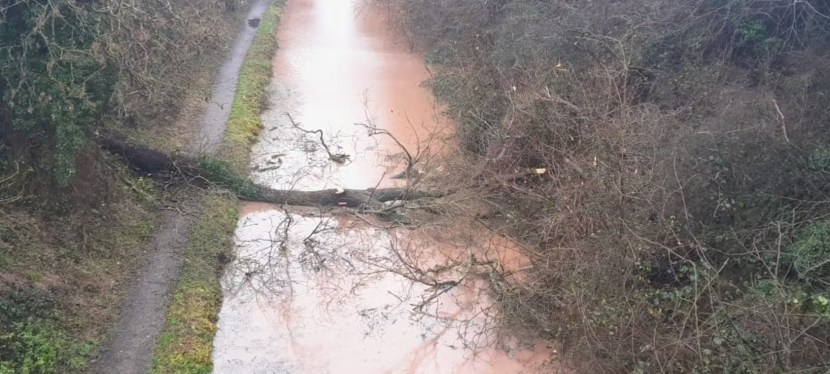
The Canal and River Trust, who cares for a 2,000-mile network of canals and navigable rivers in England and Wales, has launch an emergency appeal for funds to help the network recover from the ‘devastating and widespread’ damage inflicted by a series of winter storms in late 2024 and early 2025.

The Trust reports that Storm Bert’s high winds and torrential rain left boats adrift and flooded locks across the country in December 2024. Shortly after, at the beginning of January 2025, high winds and flooding risks returned as Storm Darragh hit the UK. This triggered a rare Red Warning from the Met Office, and felled over 400 trees along the network, blocking navigable waterways, damaging lock gates, and causing landslips. The charity estimates that it will cost hundreds of thousands of pounds to repair the canals and rivers affected.

Storms and flooding not only destroy towpaths and damage historic locks. They can also pollute and damage the habitats of the wildlife in and around the canal network. CRT teams have been working around the clock to deal with the impacts of these storms but the charity needs further funds to deal with future storm events.

For more details on how to donate online, follow this link: https://canalrivertrust.org.uk/support-us/our-campaigns/perfectstorm

Landslip on the the Huddersfield Narrow Canal in Saddleworth as a result of Storm Darragh, Janaury 2025. Image coutersy of Canal & River Trust.

Moira Furnance Conservation to Go Ahead in Spring 2025

North West Leicestershire District Coucnil has agreed to provide £160,000 of extra funding to repair the Moira Furnace museum buildings. Repairs are due to begin later in February and are expected to take around 22 weeks.

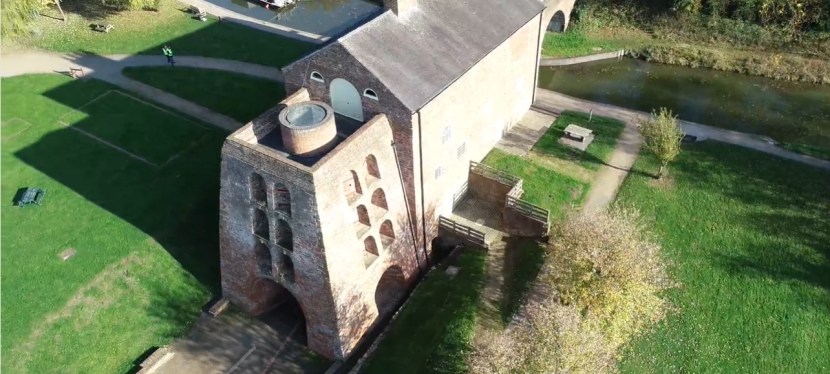
Moira Furnace is one of the best preserved iron blast furnaces in England. Built in 1806 the site is now a Scheduled Monument owned by the local council. Initial plans to repair the structure and museum pre-date the COVID-19 pandemic. In that time the cost of the repairs has risen from £3330,000 to £490,000. The short fall is being made up from council reserves and £65,000 from the UK Shared Prosperty Fund. More details here: https://www.bbc.co.uk/news/articles/cp3j71141v5o

The current site comprises a museum of iron making and social history, a vintage 100+-year-old narrowboat for trips along the canal, fishing along its banks, and woodlands for exploring. More details here: https://www.moirafurnace.org/

Moira furnace. Image courtesy of Moira Furnace museum & country park.

Anderton Boat Lift Celebrates 150 Years of Use in 2025

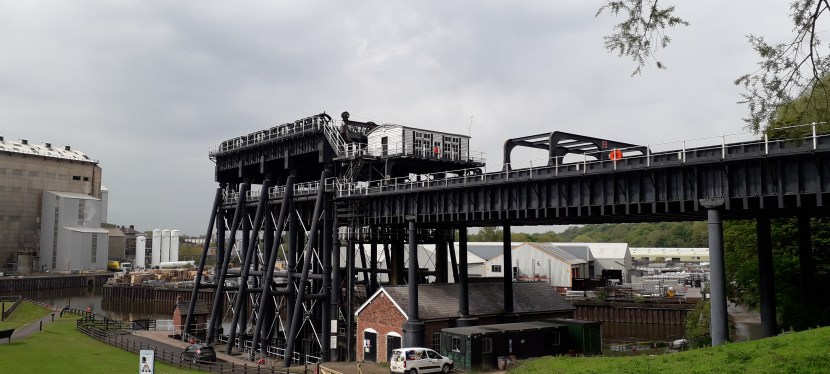
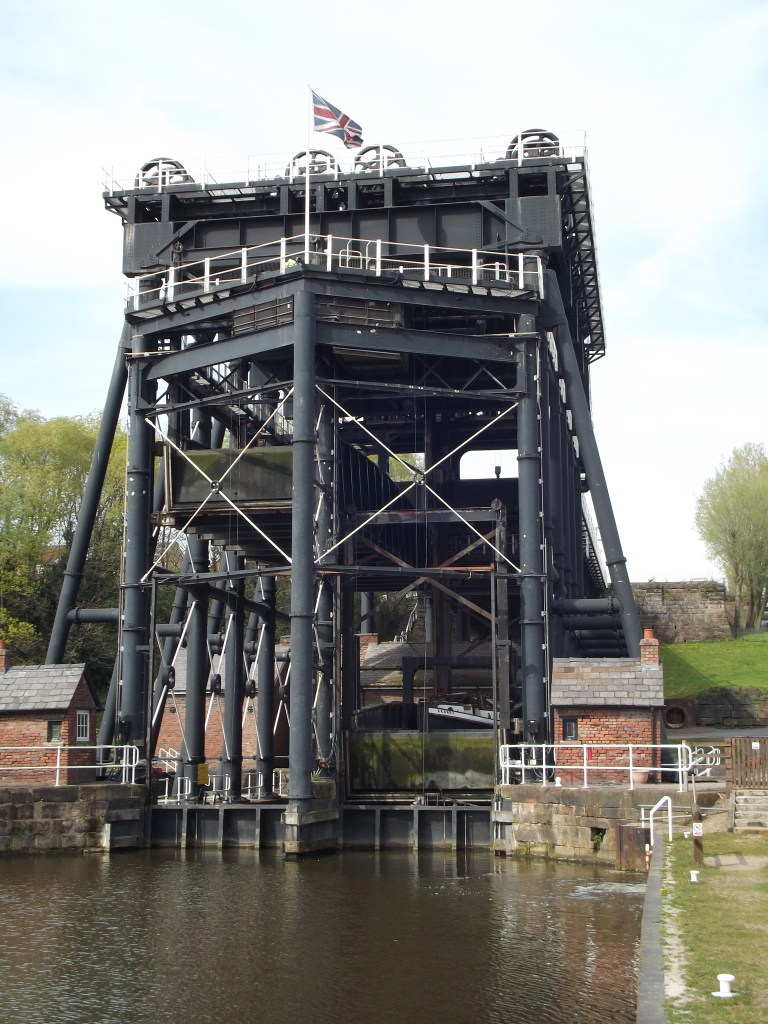
In 2025 the Anderton Boat Lift celebrates 150 years of use. Designated one of the Seven Wonders of the Waterways, the boat lift was designed by engineer Edwin Clark to connect the Trent & Mersey Canal with the River Weaver Navigation fifty feet below and opened on 26 July 1875. Although it has been re-engineered several times, the lift has successfully carried boats between the two waterways for most of its 150 years, with only a couple of decades out of action in the 1980s and 1990s due to safety concerns caused by corrosion. At the turn of the Millenium, more than £7 million was raised to fund a major restoration and the boat lift began operating again on 26 March 2002. 

The Canal and River Trust, who now run the Lift, will be transporting visitors back in time to 1875 by hosting a spectacular Victorian Fair over the anniversary weekend of July 25-27. During the rest of the summer season, as well as boat trips through the Lift, visitors will be able to enjoy other events, including Steam at the Lift (May 10/11), Pirates Weekend (June 21/22), Old Time Sailors Concert (July 4), and Steampunk Lift Off Weekender (September 27/28).

A generation on from the 2002 re-opening, the Lift needs a major upgrade to keep it operational. The Canal and River Trust are thus currently working to develop an ambitious ‘Engineering the Future’ project to revitalise the Anderton Boat Lift and Visitor Centre, supported by the National Lottery Heritage Fund. The whole structure requires blast cleaning, repairing and re-painting, the timber control cabin replacing, and IT operating system updating. This is expected to take 12 to 18 months, with a total estimated cost of £13.5 – £15 million.

For more details of the anniversary events and the proposed renovations follow this link: https://canalrivertrust.org.uk/news-and-views/news/lift-off-for-a-special-150th-anniversary-year-at-anderton-boat-lift-in-2025

The Anderton Boat Lift, connecting the Trent & Mersey Canal and the Weaver Navigation. Image copyright: Dr Michael Nevell

Getting Involved With the Oral History of Birmingham’s Canal Restoration

The Canal and River Trust (CRT) is looking at gathering oral histories about the people who were involved in the post-Second World War restoration of canals in Birmingham and the Black Country.

The aim is to record this important period in the history of Britain’s canals by talking to the people who worked on the restoration projects. CRT are looking to record personal stories to find out which canals people worked on, what they did to restore the canals, their motivations for being involved, the impacts the restoration work had on them, and information about restoration techniques.

This work is being undertaken with inHeritage. inHeritage is a heritage interpretation consultancy delivering innovative and accessible opportunities to communicate your key messages to your target audiences through a range of traditional and new media. They also manage interpretation, community archaeology, and oral history projects.

If you would like to get involved with this project please email Bill Bevan at: bill@inheritage.co.uk

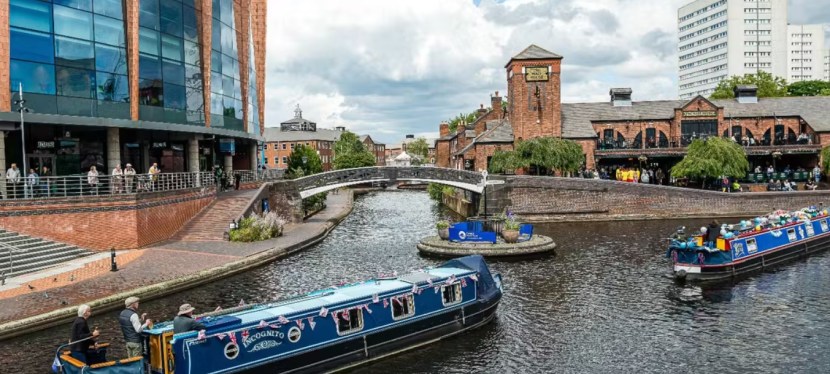
Birmingham canals post restoration. Image courtesy of CRT.

Historic England Webinar Recording on the Industrial Heritage Work of the Canal & River Trust Now Available

For several years Historic England has been running a very successful lunchtime learning webinar training series. The latest industrial heritage webinar case study on the work of the Canal & River Trust, held earlier this autumn, can now can be viewed online.

Follow this link to watch the webinar: https://vimeo.com/1023201169/d6a3476fc4

One example of the re-use and conservation of canal-related industrial heritage mentioned in the webinar was The Roundhouse, Sheepcote Street, Birmingham. This former horse-shoe shaped stables and stores was built as a mineral and coal wharf, around 1840. Listed Grade II* the site was removed from the Heritage at Risk Register in 2021, renovated with the help of NHLF and CRT, and is now being run as a heritage enterprise by the charity Roundhouse Birimgham providing office space, a visitor centre, and canal-related leisure and outreach activities.

The Roundhouse, Sheepcote Street, Birmingham. Image courtesy of Historic England.