Historic England Technical Tuesday Webinar: Chain Bridge Conservation, 25 November & 9 December

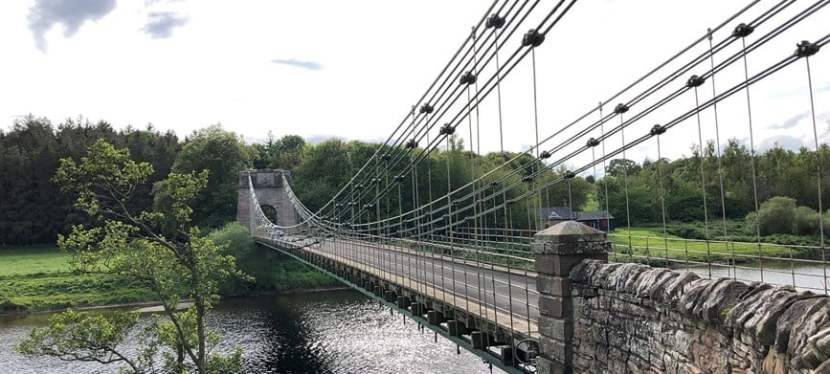
Historic England’s next free Technical Tuesday: Technical Conservation Webinar takes place tomorrow, 25 November, from 1300 – 1400 looking at the historical and technical challenges associated with the refurbishment of the Union Chain Bridge. To book follow this link: https://historicengland.org.uk/education/training-skills/training/webinars/technical-tuesdays/.

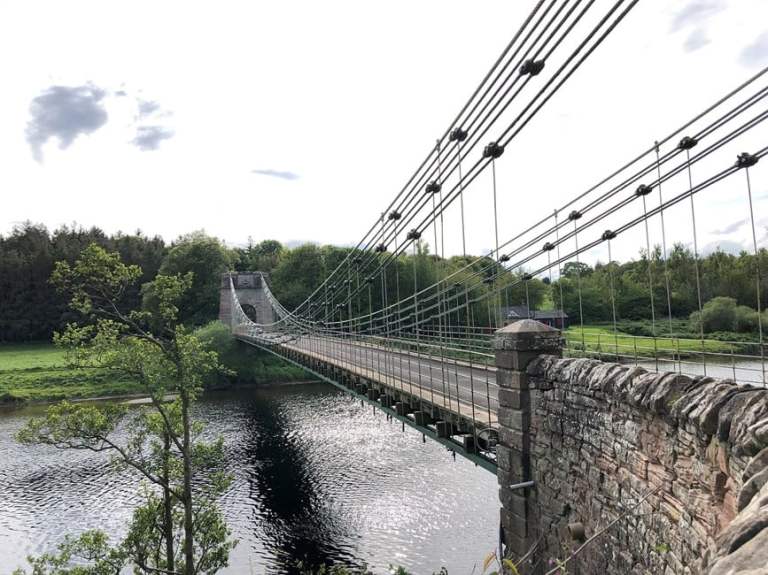
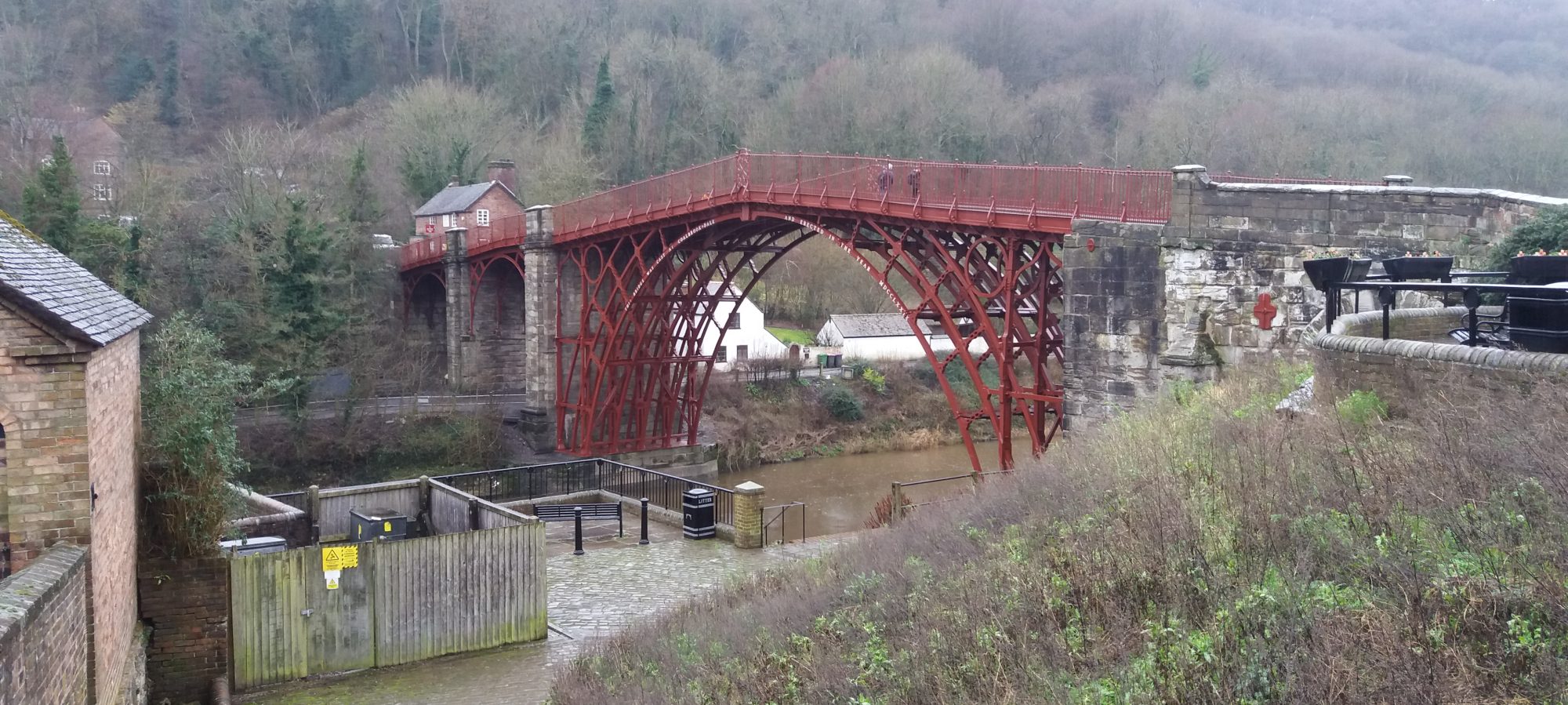
Opened in 1820 and listed Grade I (https://historicengland.org.uk/listing/the-list/list-entry/1042214), the Chain Bridge is the world’s oldest vehicular bridge and connects England and Scotland spanning the River Tweed. A second webinar dealing with the refurbishment scheme will be held on the 9 December 2025.

Union Chain Bridge, spanning the River Tweed. Copright Leon Walsh.

The Industrial Sites Saved as Historic England Publishes 2025 Heritage At Risk Register

Historic England has published the 2025 Heritage at Risk Register. There are 4,891 entries on the Register which covers archaeology, battlefields, buildings and structures, conservation areas, parks and gardens, places of worship, and wrecks. This year, 129 buildings and gardens were taken off the list for positive reasons such as grant funding and/or being repaired. However, 138 were added. 12 of the sites taken off the register are industrial structures.

Claudia Kenyatta CBE and Emma Squire CBE, Co-CEOs of Historic England, said: “The heritage we see all around us impacts how we feel about our local places. The annual Heritage at Risk Register gives us the opportunity to celebrate the many benefits of bringing our historic buildings back into use.”

“The best way to protect our buildings is to reuse them, turning them into places of local connection and joy. The sites that have been saved and have come off the Register this year really highlight the benefits of working together in partnership, and with communities, to create positive, sustainable change. Together we can safeguard our heritage for future generations.”

Industrial sites removed from the ‘At Risk Register’ include:

  • Augill Smelting Mill, North Pennines
  • Bower Spring cementation furnace, Sheffield
  • Etherley Incline, Stockton & Darlington Railway, County Durham 
  • No. 7 Bottle Shop, St Helens
  • Long Shop Museum, Leiston
  • John Taylor & Co Bell Foundry, Loughborough
  • Kingston Telephone Exchange, Ashdown Road, Kingston upon Thames
  • Newland Blast Furnace (Blacking Mill only) in Egton with Newland
  • Papplewick Pumping Station, Nottingham
  • Rockingham Kiln (Swinton Pottery), South Yorkshire
  • Temple Works Gatelodge, Leeds
  • The Triangular Crane and Bumble Hole Boat Yard in Netherton

Industrial sites added to the ‘At Risk Register’ include:

  • Cromford Mills Buildings 26 and 21 (cottages)
  • Teesside Transporter Bridge 

The full updated list for 2025 can be found here: https://historicengland.org.uk/listing/heritage-at-risk/findings/

Guidance on adding a site to the Herrtitage At Risk Register can be found here: https://historicengland.org.uk/listing/heritage-at-risk/suggest-addition-to-har-register/

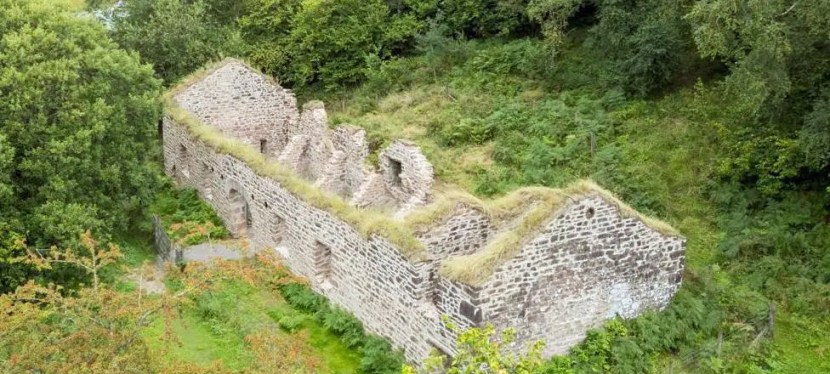
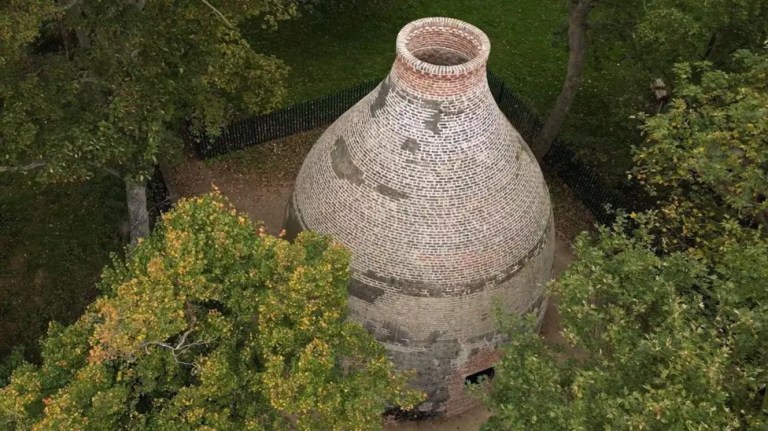
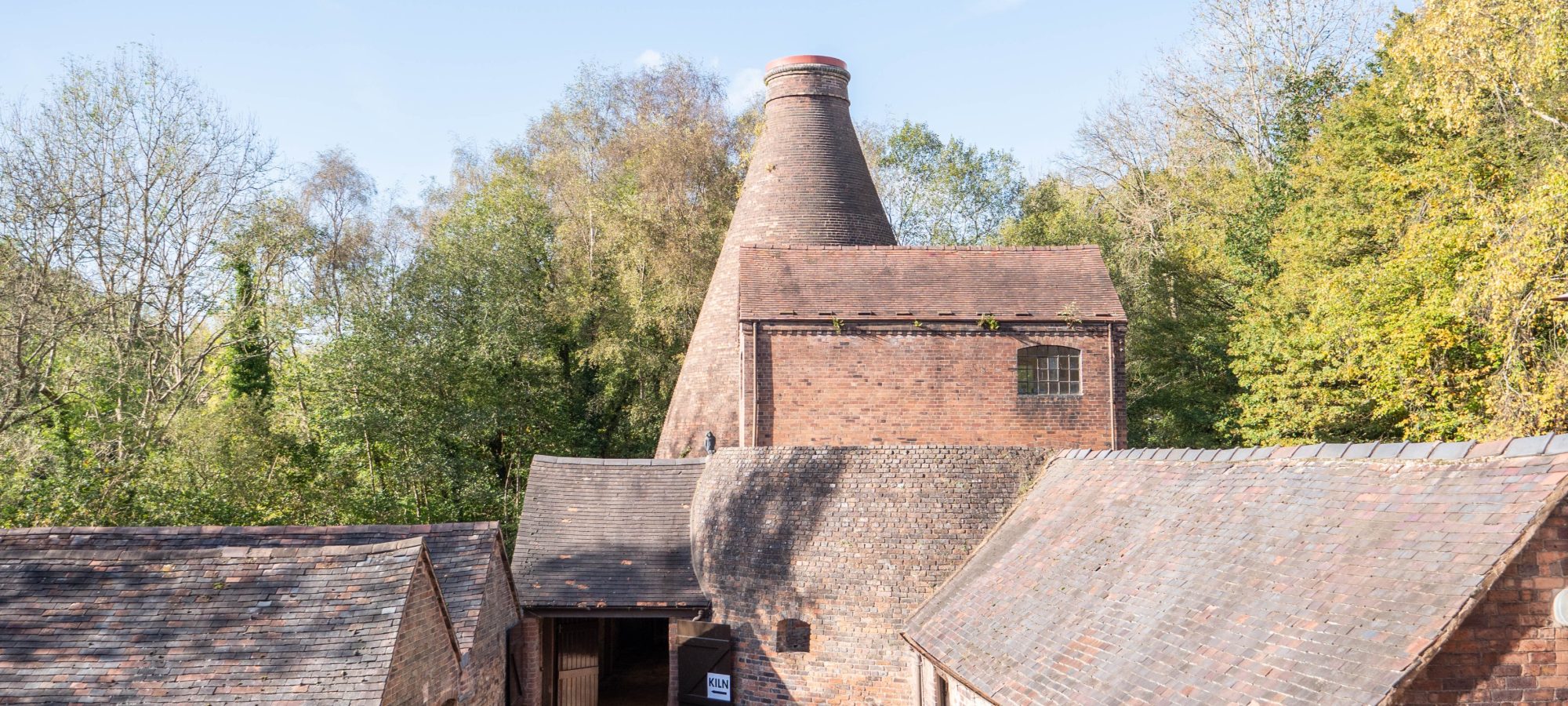
The Rockingham Kiln (Swinton Pottery), South Yorkshire, has been removed from the ‘At Risk Register’ in 2025. Image courtesy of Historic England.
The Teesside Transporter Bridge was added to the ‘At Risk Register’ in 2025. Image courtesy of Historic England.

Historic England Stockton and Darlington Railway (S&DR) Webinar Now Live

If you were unable to join Historic England’s October 2025 industrial heritage webinar looking at the impact and legacy of our Stockton and Darlington Railway (S&DR) Heritage Action Zone, the recording is now available.

The free webinar explored the successes and challenges of the different strands of work undertaken, including designation, repair, re-use and community engagement, as well as looking at the project’s legacy, and the long-term future of the line. To watch the seminar follow this link: https://vimeo.com/1131317485/29e6719e55?share=copy&fl=sv&fe=ci.

The accompanying webinar on the various associated research projects can be viewed here – https://vimeo.com/1096891129/4d60158e04.

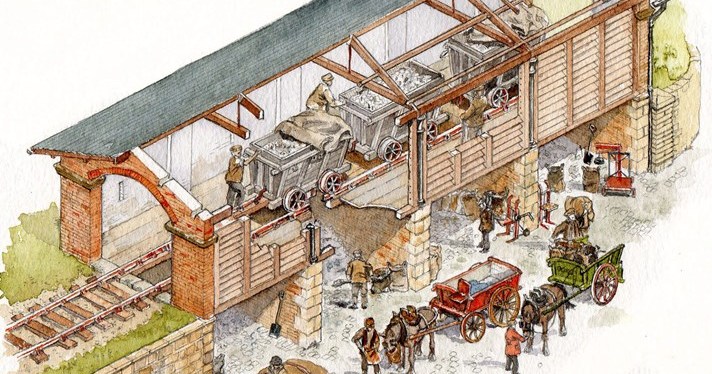
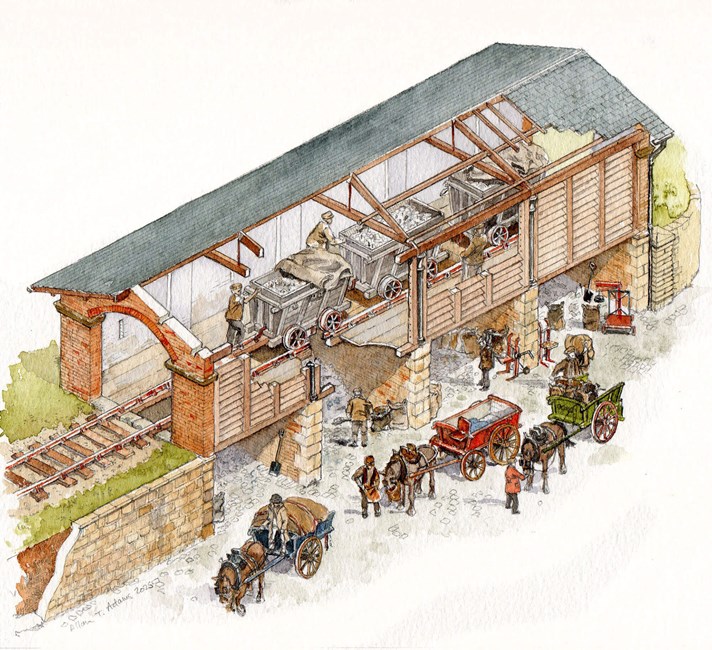
S&DR Darlington Lime Depot – cutaway reconstruction drawing showing how the Lime Depot was designed to operate. Illustration by Allan T Adams. © Historic England

Historic England Launch New Book: ‘England’s Lost Transport Heritage from the Air’

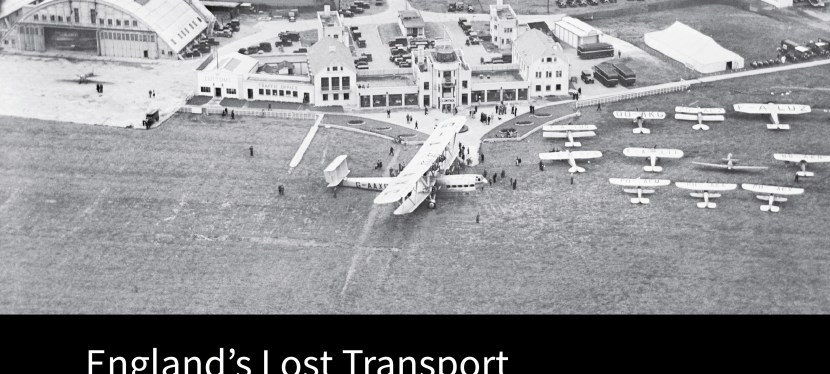
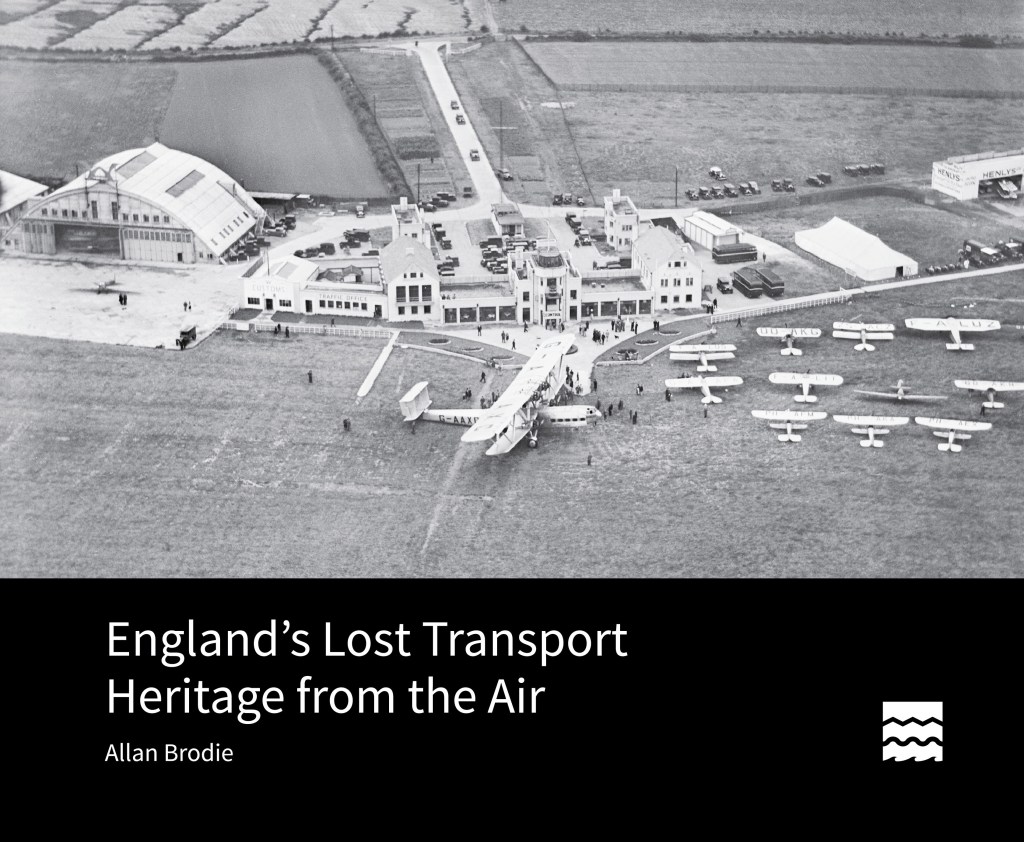
Historic England and Liverpool University Press have recently published ‘England’s Lost Transport Heritage from the Air’, our latest industrial heritage title – https://historicengland.org.uk/images-books/publications/englands-lost-transport-heritage-from-air/. Written by Allan Brodie, this book uses Aerofilms’ remarkable photographic collection to tell the story of England’s lost transport heritage, from Roman roads to supersonic Concorde.

Flying across the country from 1919 onwards Aerofilms recorded England’s complex infrastructure of road, rail and maritime transport. The book complements Historic England’s earlier publications ‘England’s Railway Heritage from the Air (https://historicengland.org.uk/images-books/publications/englands-railway-heritage-from-the-air/) and ‘England’s Motoring Heritage from the Air’ (https://historicengland.org.uk/images-books/publications/englands-motoring-heritage-from-air/).

Heston Airport, Heston, Greater London (August 1932). Image copyright Historic England. Aerofilms Collection

Historic England Launch Local Heritage Hub Webpages

Coinciding with this year’s Local History Month, Historic England has launched a new Local Heritage Hub. With nearly 400 locations, every county, city, district, major town, and national park in England now has a dedicated digital page that uncovers its rich and layered history.

Offering a wide range of content, from fascinating aerial photographs showing towns and villages through time, to curated selections of listed buildings, videos, blogs, and podcasts, the Local Heritage Hub invites members of the public to discover their local area through a new lens.

According to Savanta polling for Historic England in August 2024, 71% of those polled wanted to see more recognition of heritage in their area. Further Savanta polling for Historic England in February 2025 showed that 58% of those responding agreed that local heritage enhances their daily lives. The new platform will reflect what people are looking for in their local areas, and it’s designed not only to inform, but also to also encourage people to see familiar places in unfamiliar ways.

The new service – which will continue to expand with new places, information, and sections added over time – will make local heritage and histories more relevant, relatable, and engaging to more people’s everyday lives, inspiring conversations, unlocking memories, and sparking new interests.

To explore your local area on the Historic England website follow this link: https://historicengland.org.uk/local

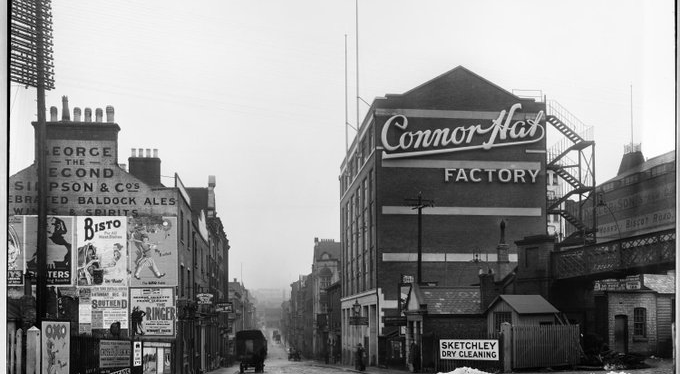
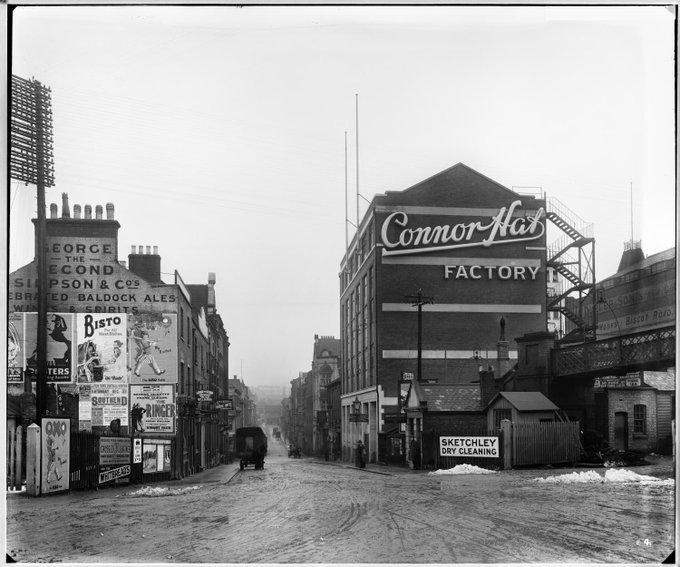
Connor Hat Factory, Bute Street, Luton. Image courtesy of Historic England

Free Online Talks and Training Videos for Industrial Heritage Sites in Early 2025

The early new year is often a time for charities and musuems to undertake staff training and maintenance in the ‘off season’. Online, several organisation offer free training and briefing videos relevant for industrial heritage sites. Some of the recent offerings listed below provide an opportunity for armchair training.

The East-West Workshops on Industrial Archaeology aim to exchange ideas and knowledge among Western and Eastern colleagues to build a more international and diverse industrial archaeology. The workshops are organised jointly by the Institute for Cultural Heritage and History of Science and Technology (USTB, China), and the Association for Industrial Archaeology (AIA) together with its Young Members Board. Videos of all the workshops are available on the AIA’s YouTube Channel, including the latest event from November 2024 on ‘Weaving the Industrial Period’. Follow this link to view the workshops: https://www.youtube.com/channel/UCILr2TkRAOIfk_NKchshwZQ

On Thursday 21st November 2024 the ‘Craft of the Miller’ network held an online conference on ‘Managing Health & Safety Risks in Your Mill’. Jon Cook gave an introduction to highlight a number of key risks in a working mill, including hygiene, flour dust, vacuum equipment, and fire risks. Jippe Kreuning explored how to work with a stone crane and how to operate it safely to lift a set of millstones. You can catchup with the recordings from the conference here: https://network.molens.nl/

Finally, Historic England have a range of heritage webinars to watch with topics from flooding, embodied carbon, and renewabler energy, to heritage building skills, roofs, and windows. The Historic Environment Webinars strand includes a session on the role and work of the Canal & River Trust form November 2024. Follow this link to view the webinars: https://historicengland.org.uk/services-skills/training-skills/training/webinars/recordings/#technicaltuesdays

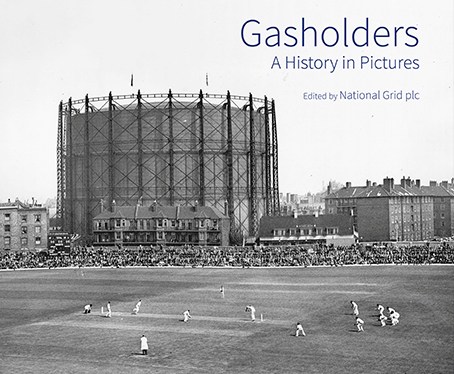
Gas Holders – A History In Pictures from Historic England

Historic England’s latest industrial heritage publication, produced in partnership with Liverpool University Press and National Grid, is ‘Gas Holders – A History in Pictures’ – https://historicengland.org.uk/images-books/publications/gasholders-history-in-pictures/.

Using a combination of archive and contemporary photographs, engineering drawings, prints, paintings, adverts and diagrams, it looks at the history and evolution of gas holders, engineers and manufacturers, their place in society and impact on the English landscape. The final chapter considers the future redevelopment of these sites, including those where gas holders are being successfully re-purposed’.  

Industrial Heritage Projects in Historic England’s ‘History in the Making’ Grants for 2024 

Historic England has announced (November 2024) new funding for 21 creative, youth-led, place-marking projects across England. The ‘History in the Making’ programme empowers under-represented young people to explore and celebrate their local hidden histories, finding original ways to commemorate them, helping to improve young people’s wellbeing, and increase pride in their local area. Amongst the 21 grants are several to industrial heritage themed projects.

‘Summat Creative’, in Bradford, focusses on the overlooked history of people with Learning Disabilities who worked in Bradford’s mills in the 1800s and 1900s. After historical research and creative exploration, Learning Disabled young people will help create a model of a mill and fill it with their own creative responses to the stories they’ve unearthed.

The ‘Multi-sensory accessible place marker for the Shipley Glen Tramway – Moor Time’ project will see young people with additional needs from across the Bradford district explore the social history around the oldest cable tramway in Britain, which still takes passengers from Saltaire/Baildon to Shipley Glen. Their findings will create a full accessible, multi-sensory, place marker to celebrate these histories.

‘Canal to Garden: Unearthing Greater Mamnchester’s Green Heritage’ project will engage young people in Greater Manchester to uncover and celebrate the hidden history of local canals and flora through hands-on gardening, historical research, and creative expression. It will result in a heritage garden that tells the story of our local environment.

For further details on all the 21 projects funded in 2024 follow this link: https://historicengland.org.uk/campaigns/help-write-history/history-in-the-making/

The Shipley Glen Tramway, one of the ‘Making history’ prjects funded by Historic England in 2024. Image courtesy of Historic England.

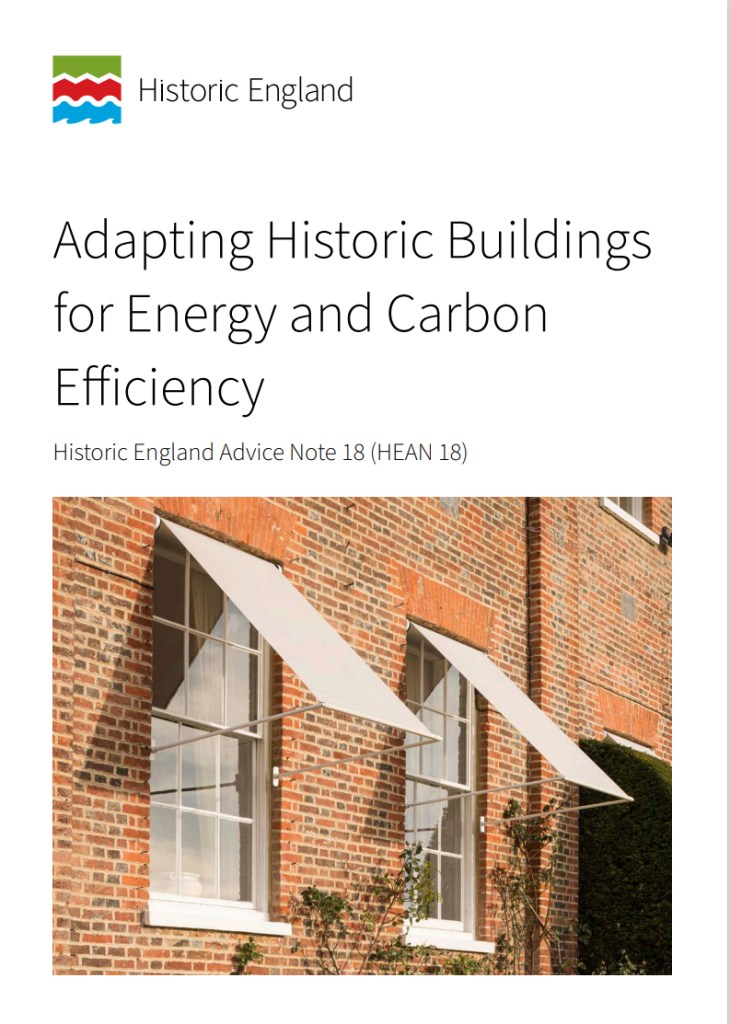
Historic England Publish New Guidance on Adapting Historic Buildings for Energy & Carbon Efficiency

Historic England has published new advice on balancing climate action with building adaptation. The new advice note ‘Adapting Buildings for Energy and Carbon Efficiency’ is aimed primarily at local authorities, heritage consultants, and those involved in the planning process. It makes clear that historic properties can be retrofitted with energy-efficient measures such as heat pumps, solar panels, and insulation.

The guidance is intended to “provide clarity and support consistent decision-making” for proposals to reduce carbon emissions and improve the energy efficiency of historic buildings, while conserving their significance. It reflects current planning policy and covers:   

  • Advice on what permissions, such as listed building consent, are needed for some of the common changes required to decarbonise and improve the energy efficiency of historic buildings 
  • Advice to assist local planning authorities – and other parties involved in the planning process – in determining proposals to decarbonise and improve the energy efficiency of historic buildings to enable positive climate action. Some typical building adaptations in response to climate change impacts are also included 
  • Signposting to other relevant information, advice, and guidance. 

Download the Adapting Buildings for Energy and Carbon Efficiency advice note here.

Industrial Heritage Themed HE Research Magazine Published

The latest online issue of Historic England’s Research Magazine contains a number of articles on industrial heritage. Shane Gould, Historic England’s Head of Industrial Heritage Strategy, introduces Issue 26 of Historic England Research Magazine, which explores aspects of industrial heritage, as well as Palaeolithic landscapes, and the relationship between intertidal heritage and biodiversity.

The industrial heritage and archaeology articles are by authors who have recently had titles published by Historic England and Liverpool University. These are papers on the Soho Manufactory, Mint and Foundry in the West Midlands by George Demidowicz; steam-powered water and sewage works by James Douet; the built environment in Lancashire’s historic textile areas by Geoff Timmins; and oasts kilns, hop kilns, and maltings by Amber Patrick. They showcase Historic England’s strong and continuing record in undertaking research, and preparing advice, guidance and publications on England’s industrial heritage.

To read this latest issue follow this link: https://historicengland.org.uk/whats-new/research/introduction-to-issue-26/ Earlier issues can also be downloaded from the HE website.