Welcome to the Industrial Heritage Networks and Support website. This site is maintained and updated by the Ironbridge Gorge Museum Trust who run the project and the networks. We aim to support industrial heritage in England through networking, information exchange, guidance, and training. Please explore the website and please contribute! For more information you can … Read more Welcome to the IHNs website!
24 local museums in England have been granted a share of £4 million through the DCMS/Wolfson Museums and Galleries Improvement Fund.The Fund brings together £2 million in match funding from the Department for Culture, Media and Sport (DCMS) and independent, grant making charity, the Wolfson Foundation. It supports local museums by improving displays, enhancing collection care, and making exhibitions more accessible to visitors.
The five industrial heritage museums that have recieved £1,034,200 from this year’s grant round are:
The DCMS/Wolfson Museums and Galleries Improvement Fund provides capital funding for museums and galleries across England to improve displays, protect collections and make exhibitions more accessible to visitors. For 2025-27, DCMS and the Wolfson Foundation have each contributed £2 million to the Fund, which has benefitted more than 440 projects in its more than 24-year history.
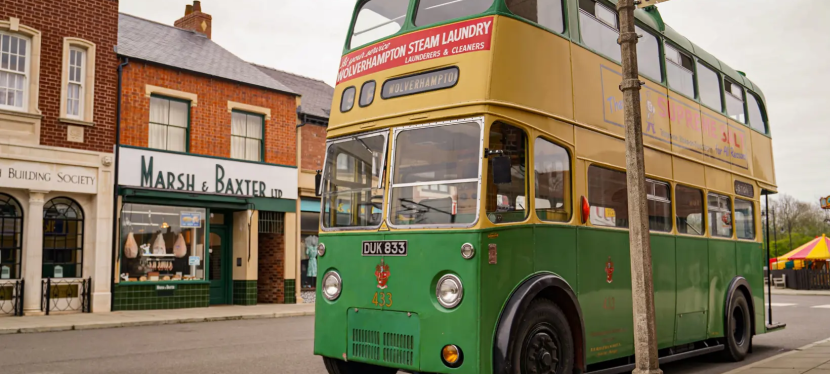
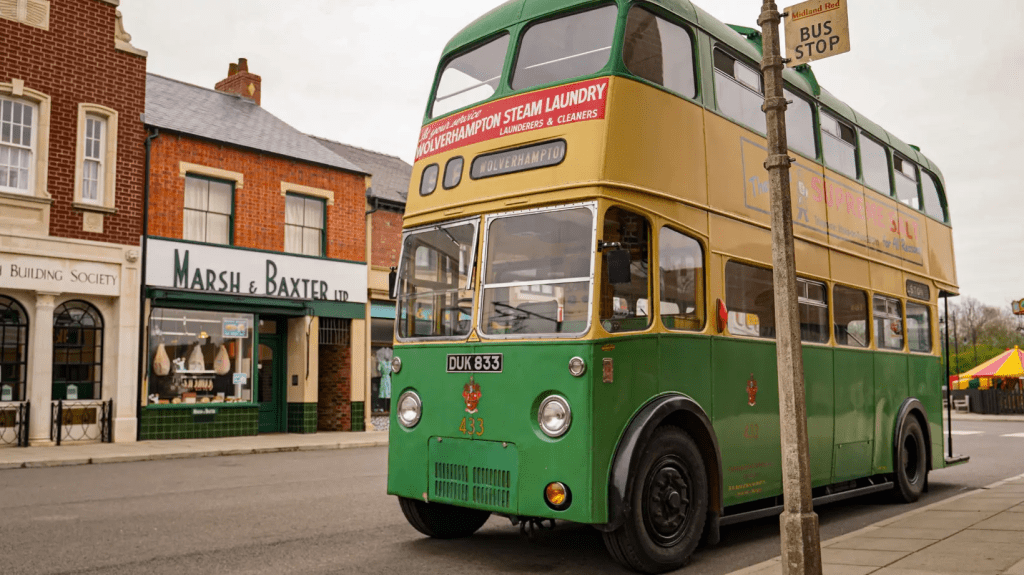
One of the trolley bused that will be renovated at the Black Country Living Museum. Image courtesy of the Black Country Living Museum.
The next round of Museum Development grants for the English regions will be opening in the next few weeks. These include Open Grants, Small Grants, and bursaries from the five regional museum development networks in England, with grants ranging from £500 to £7000 depending on the region and type of activity.These are usually designed for accredited museums, or those sites working towards accredition.
Museum Development London are running a free online seminar detailing their grants for 2026-27 on the 23 April. To book follow this link: MDL grants programme 2026-27 coffee morning
Museum Development South East have two Open Grant streams. Round one is currently open and closes on 2 June. Round 2 opens on 21 September and closes on 4 November. For details on both follow this link: Open Grants – Museum Development South East
Applications for Museum Development Midlands Open Grants start on 30 April, with a deadline of 29 June. More details here: Open Grants · MDM
Museum Development North’s Continuing Professional Development Bursaries is a rolling programme, so applications can be submitted at any time from April to 3 December 2026. The scheme may close earlier if all funds have been allocated. Further details here: Continuing Professional Development (CPD) Bursaries – Museum Development North
The Collections Trust has taken on the Find an Object platform, a service previously managed by the Museums Association (MA). The platform lists deaccessioned items from museum collections that are available for transfer to other museums or organisations within the public domain.
Users can upload items they plan to dispose of, as well as search for objects that might find a place within their collection. They can also make speculative requests for items that they are looking to acquire. More than 200 items from museums across the UK are already listed on the Collections Trust website. Current listings on the MA website will remain live until 18 May, after which the service will be taken offline.
Museums with active listings on the are encouraged to repost these to the new site as soon as possible.
Calderdale Industrial Museum, after a fundraising campaign and months of hard work and training, will be running its steam engines for the first time since the museum closed 26 years ago, on the 18 April.
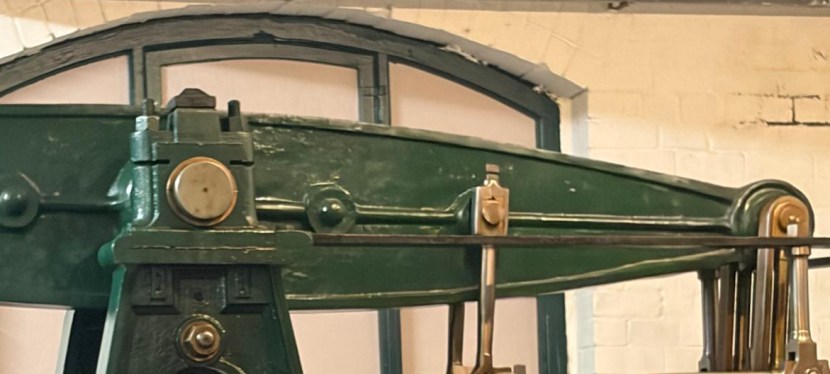
Since taking over the running of the museum in 2013, the Calderdale Museum Association (CIMA) has worked towards running the steam engines in the Power Gallery again as they had been before the closure of the museum in 2000. These are the 1926 built Newton, Bean & Mitchell horizontal ‘Corliss’ engine, the 1860s beam engine, the Fairbank Brearley vertical engine and the 1926 Bellis & Morcom inverted vertical compound engine. All are on display in the power gallery.
Once the volunteers worked out what was required, fundraising started in earnest, with money coming from members and visitors to contribute to the replacement of the old inefficient steam boiler. In August 2022, the old boiler was dismantled and removed from the basement and the area prepared for the new boiler. By 2025 enough money had been raised to cover the purchase and installation costs, and the boiler was then supplied and fitted out by H.A. McEwens – Boiler Repairs Ltd. A SolidTek STL 1000 was fitted by SolidTek MD Steve in November 2025 and they have offered to supply the necessary chemicals free of charge. The museum is very grateful for this kind gesture and look forward to working with Steve and SolidTek in the coming years. All the electrical work has been carried out by Richard Lennard, our in house electrician.
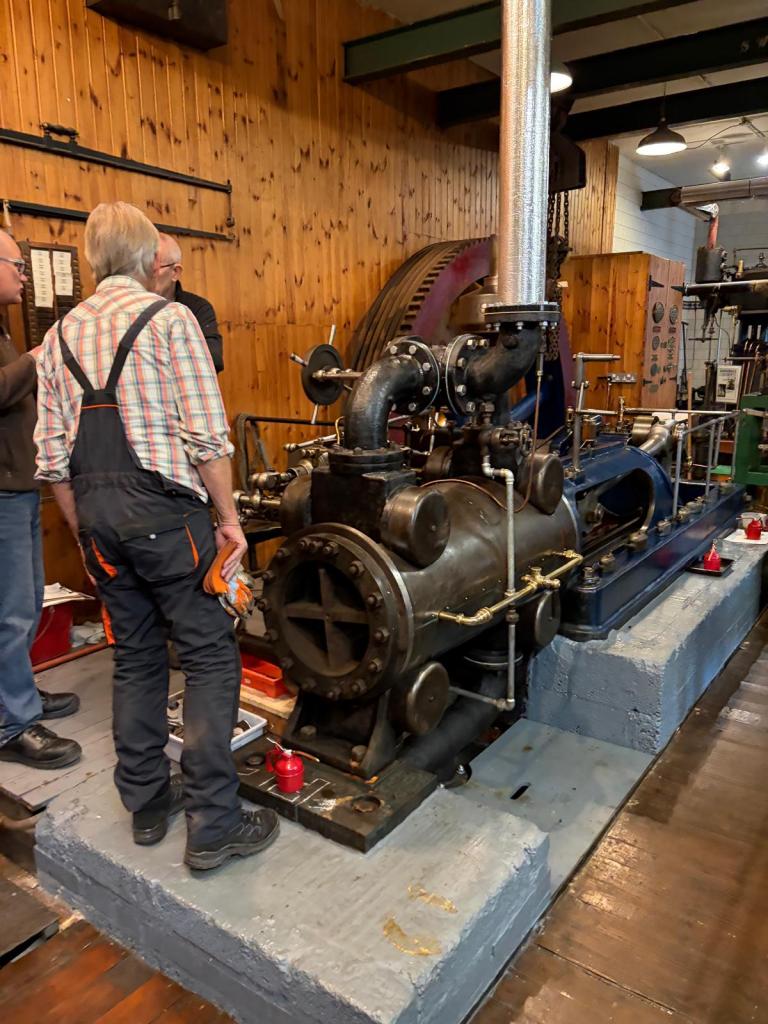
CIMA’s steam team operating the Newton Bean & Mitchell Corliss engine. Image copyright CIMA.
In the meantime, the team of museum volunteers have been working on refurbishing and recommissioning the four engines in readiness for public viewing. Training and testing have been going on over the winter, with modifications and repairs carried out as needed. A team of six volunteers were given professional training, over two sessions, by steam consultant Ian Roberts. They are now qualified with a City & Guilds ‘Industrial Boiler Duty Manager Course’. This ensures they operate the gas boiler safely. Further training to run the four engines has been given by Steve Buckley.
The museum plans to run steam fortnightly from 18th April until 28th June 2026, with further dates to follow over the summer period. Running the steam engines will add hugely to the quality of the visitor experience and is a very exciting day for the volunteers who have worked so hard to get to this point. It’s an added dimension to the tourist offering in Halifax and adds to the story told at the museum, of Calderdale’s significant contribution to the industrial revolution of the late 18th and 19th centuries. Enthusiasts from around the country will be drawn to the area to see these beautiful engines at work.
Trevor Hardaker, Operations Director for CIMA, said “Now we can confidently promote steam days where we run the engines, for the public once more. This is a crucial part of telling the story of the development of power in industrial Calderdale and will add to the exciting visitor experience at the museum.”
The museum relies on its open day takings to fund all the work done to maintain and develop the collection. You can now be a named sponsor of steam for a day, by donating £100, or make whatever contribution you can by putting money in Baby Enid or going to the museum website to the donation page. The museum is open on Saturday 10am – 4pm with last entry at 3pm. They also open, with the same hours, on Thursdays during the Calderdale School holidays. The licensed café opens when the museum is open.
Each year there are a range of new and temporary exhibitions on industrial heritage and archaeology put on by dozens of industrial heritage sites across England. Spring 2026 sees three new industrial heritage exhibitions open to the public covering coal, salt, and textiles.
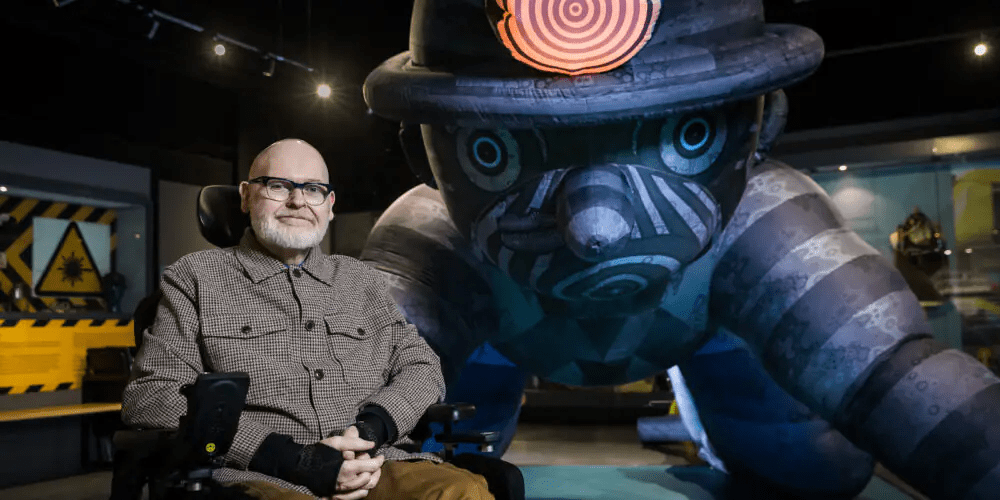
“Jason and the Coal Mining Adventure”, is on from the spring to the autumn, 27 March to 4 October, at the National Coal Mining Museum, Wakefield. It is a colourful and immersive reimagining of Britain’s mining history and the communities at its heart.
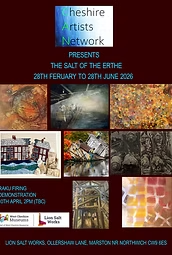
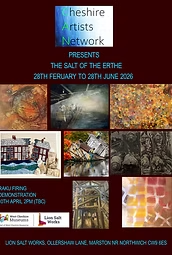
Lastly, “The Salt of the Erthe”, exhibition runs from 26 February to 28 June 2026, at the Lion Salt Works, Northwich, and celebates Cheshire’s salt heritage.
Booking for the Association for Industrial Archaeology’s Annual Conference is now open via the AIA website: https://industrial-archaeology.org/Conference. This year’s Conference is to be held at the Mercure Hotel, Norwich, East of England, from the 4th to the 9th September.
The AIA Annual Conference was first established in the 1970s and you can book for in-person or online attendence for the weekend programme. This year’s event follows its traditional format, starting on Saturday with a day of talks on the Industrial Heritage of the area followed by the presentation of this year’s awards and the Conference Dinner. On Sunday morning there will be the AIA AGM followed by the Rolt Lecture. Who was Tom Rolt ?
On Sunday afternoon, Monday, Tuesday, and Wednesday morning there will be a series of tours and evening talks. The full itinerary, costs, and accommodation details can be found on the website here: Annual Conference – The Association for Industrial Archaeology
Thanks to the Patrick Nott bursary, there will be five free places for the entire event from Friday to Wednesday, including accommodation, and up to £100 for travel expenses. The places are intended for those who feel they would otherwise be unable to attend. Please send details to the Conference Secretary at conference@industrial-archaeology.org at least 30 days in advance.
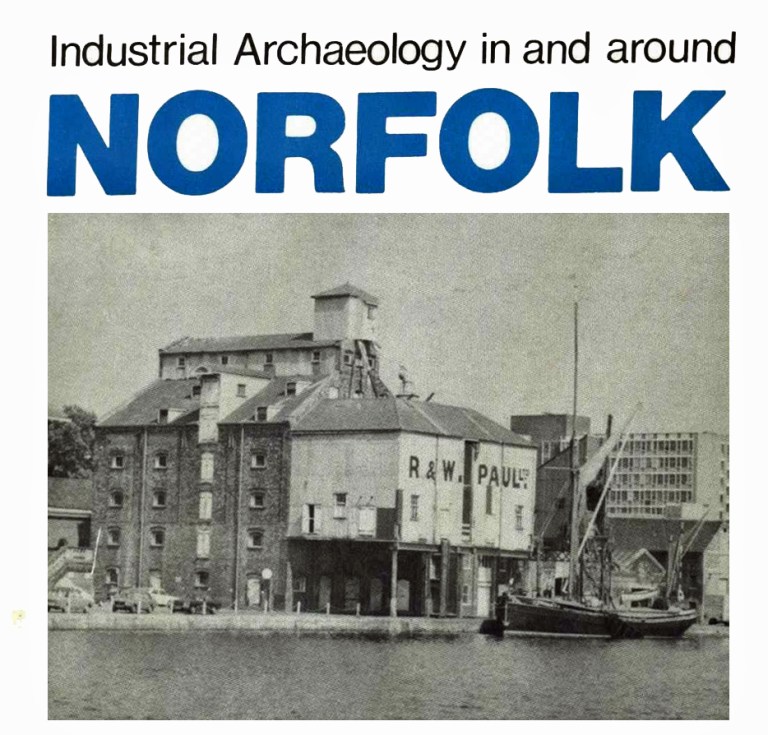
Front Cover of the IA Gazetteer from the 1981 AIA Norfolk Conference. Image copyright Association for Industrial Archaeology.
The 2026 Heritage Open Days will take place from 11 to 20 September. Heritage Open Days is England’s largest community-led festival of history and culture, involving thousands of local volunteers and organisations. Every year in September it brings people together to celebrate their heritage, community, and history. Stories are told, traditions explored, and histories brought to life. All the events are free.
269 industrial heritage sites in England took part in Heritage Open Days (HoD) 2025, offering guided walks, talks, and exhibitions as well as hands on experiences. If you would like to take part then the HoD website has full details on how to list a site, event, and/or acitvity.
For further details on how to take part as an event and/or site organiser follow this link: Get involved
The Council for British Archaeology‘s Festival of Archaeology is back for 2026, and the theme for this year is “Archaeology and Nature”. The Festival will take place across the UK from Saturday 18th July to Sunday 2nd August.Last yearover 120,000 people attended events across the UK in July. For 2026, the opening event is heading to Westonbirt, Gloucestershire, to explore Archaeology and Nature.
Event listings and resource submissions for the 2026 Festival of Archaeology are now open. Dozens of industrial heritage sites and industrial archaeology societies took part last year, putting on a variety of events, from talks and walks to exhibitions and tours. If you would like to find out more about the Festival activities or are interested in organising an event in 2026 please sign up for CBA newsletters via the link below and check the event organisers area where you’ll find lots of useful information on developing and delivering your activities.
The Council for British Archaeology (CBA) is a UK wide educational charity that helps champion and promote participation in archaeology. We run the Young Archaeologists’ Clubs for young people aged 8-16 and the annual Festival of Archaeology to encourage the exploration of the places and spaces around us and their stories.
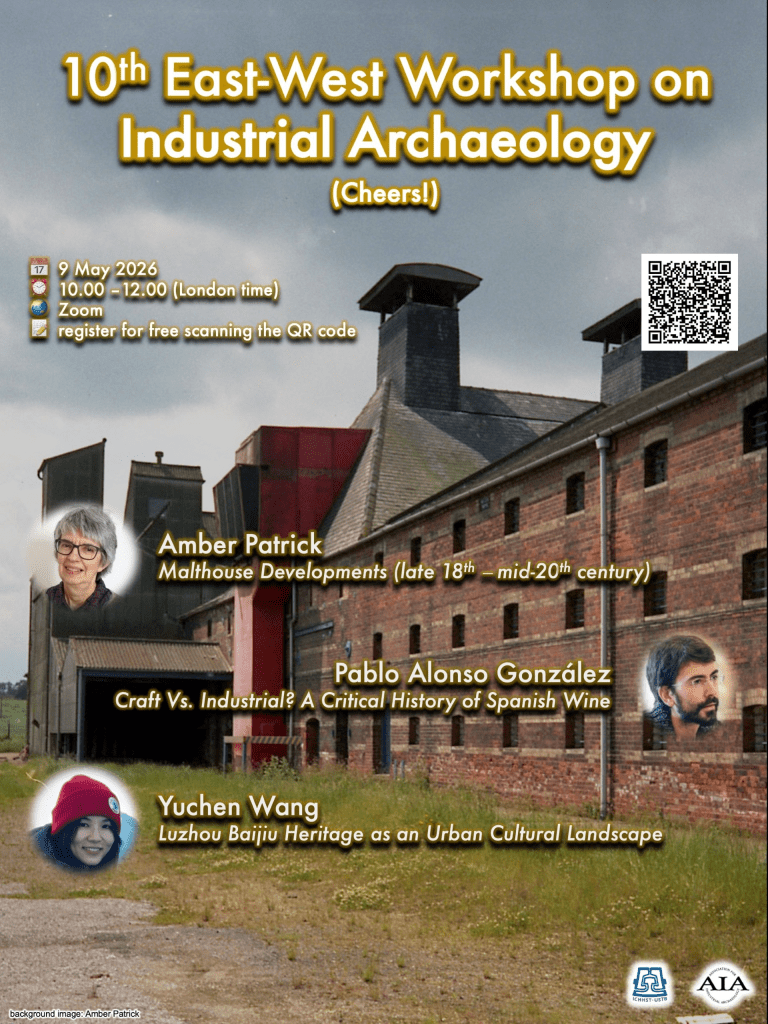
The next East-West Workshop on Industrial Archaeology, co-run by the Association for Industrial Archaeology (AIA), will be on the 9th May. This is 10th online, free, workshop in the series and takes place exactly five years after the AIA co-hosted the first edition in May 2021.
The East-West Workshops on Industrial Archaeology were not created to endure; at least, not in a purely virtual format. When the first workshop was held in May 2021, it was mainly a way to prevent the COVID pandemic from disrupting our academic activities and international exchanges. However, the experience exceeded expectations. Five years on, the AIA are launching the 10th edition of a series of workshops that has become increasingly popular in the West, the East, and beyond.
To mark this special occasion, this workshop focuses on the archaeology, heritage, and history of alcoholic beverages. The speakers will examine the architecture of malt production in Britain and continental Europe (a key component of beer, whiskey, and other spirits), the history of winemaking and wine consumption in Spain, and the landscape of baijiu production in China. While the workshop acknowledges the serious consequences of alcohol abuse, it also recognises it as a significant element in many cultures worldwide, their social practices, and their heritage.
The East-West workshop series aims to exchange ideas and knowledge between Western and Eastern colleagues to develop a more international and diverse industrial archaeology. The event is jointly organised by the Institute for Cultural Heritage and History of Science & Technology (USTB, China) and the UK Association for Industrial Archaeology.
SPEAKERS & TALKS
Amber PATRICK (Association for Industrial Archaeology, Britain): “Malthouse Developments – The Late 18th Century to the Mid-20th Century”
Pablo ALONSO GONZÁLEZ (Spanish National Research Council, Spain): “Craft Vs. Industrial? A Critical History of Spanish Wine”
Yuchen WANG (University of Science and Technology Beijing, China): “Symbiotic Cityscape: Luzhou Baijiu Cultural Heritage as an Urban Cultural Landscape”
DATE & TIME
9 May 2026, Saturday. 10.00-12.00 London time
PLACE
Zoom (online meeting). More info and free registration:
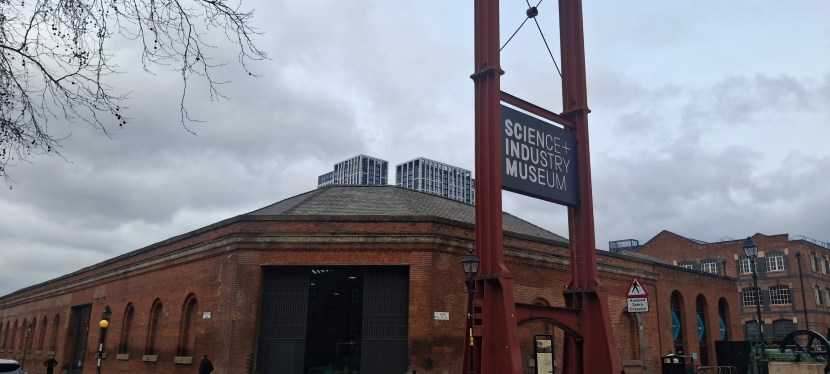
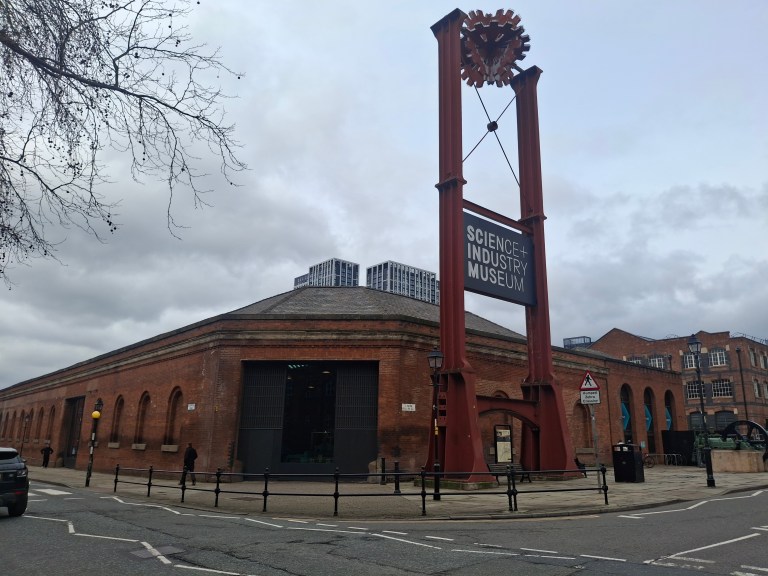
The Science and Industry Museum in Manchester is hosting a volunteering open event on Thursday 9 April from 11.00–13.00, offering visitors the chance to discover how they can help operate and demonstrate thge historic machines that powered Manchester’s industries.
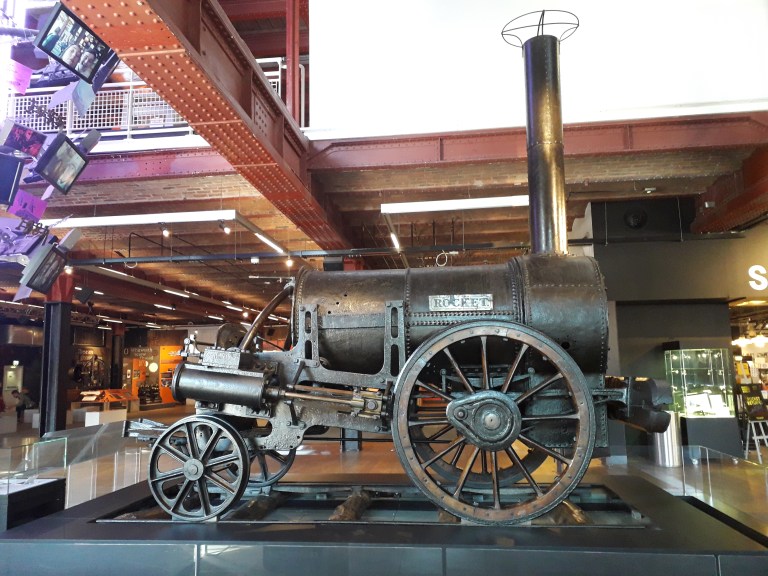
The ‘Rocket’ locomotive on display at the museum in 2018.
The museum is particularly seeking Volunteer Historic Machinery Operators, who will work alongside its expert Technical Services team to bring these engines and machines to life for visitors by supporting with live demonstrations and conversations about how they work and their impact. The museum’s volunteer programme plays a key role in making sure that knowledge isn’t lost, while also inspiring a new generation of engineers, makers, and creators. Katie Powell, Volunteer Manager at the museum, said: “Nothing inspires our visitors quite like seeing our historic machinery in motion. By volunteering with us, you’ll help bring these extraordinary machines to life, share their stories, and inspire the next generation of innovators.”